
Get ready to shred! We're diving into the legendary riffs, face-melting solos, and undeniable impact of the top guitarists in metal music history. From pioneering architects to modern technical wizards, these players define heavy. Scroll down to see who made the cut!
Tony Iommi, Black Sabbath, Inventing the Heavy Riff
When discussing the origins of heavy music, this musician stands alone at the top of the mountain. After losing the tips of 2 fingers in an industrial accident, he detuned his instrument to make the strings easier to bend. This structural change birthed a darker, more ominous sound that laid the blueprint for an entire genre. His playing style focused on powerful, memorable riffs rather than flashy solos, setting a standard that countless bands still follow today. He fundamentally altered how distorted guitars function within a rhythm section.
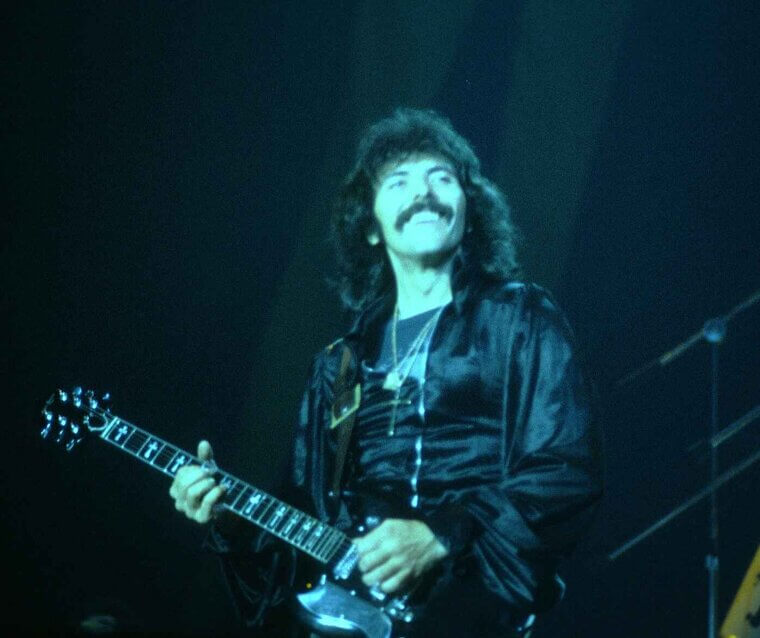
Decades later, his iconic guitar lines remain the measuring stick for aspiring musicians worldwide. The influence he cast over the music world is immeasurable, and anyone who picks up an electric guitar owes him a massive debt of gratitude.
Dave Mustaine, Megadeth, Pioneering Technical Thrash
Starting out as a crucial member of another legendary band, this fiery player soon forged his own path to create some of the most intricate music of the 1980s. His unique approach combines blistering speed with complex chord progressions, challenging both listeners and fellow musicians alike. The signature snarl of his instrument cuts through heavy mixes, providing an aggressive edge that defines his extensive catalog. He consistently pushes the boundaries of rhythm playing, ensuring that every song contains a multitude of demanding sections and intricate palm-muted rhythms.
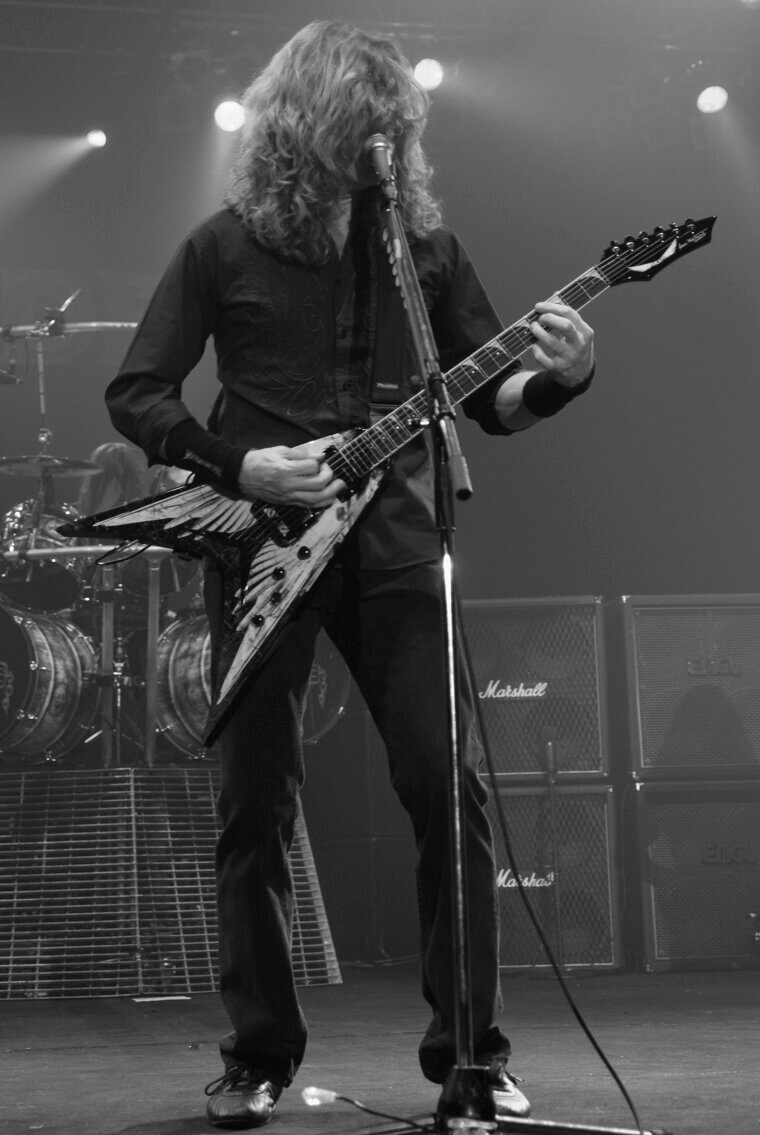
Fans worldwide recognize his relentless drive and dedication to perfection in every single track. His contributions established a formidable standard for technical proficiency, cementing his legacy as a true architect of fast-paced performance.
Kirk Hammett, Metallica, Crafting Memorable Stadium Solos
Taking over lead duties early in his career, this talented performer brought a distinct melodic sensibility to the burgeoning thrash scene. He possesses a rare ability to write solos that fans can actually sing along to, blending frantic picking with memorable phrasing. Extensive use of the wah pedal became a cornerstone of his signature sound, adding vocal-like qualities to his instrumental passages. His leads serve as perfect counterpoints to heavy rhythm tracks, offering moments of musical clarity amidst the chaotic energy of stadium-sized anthems.
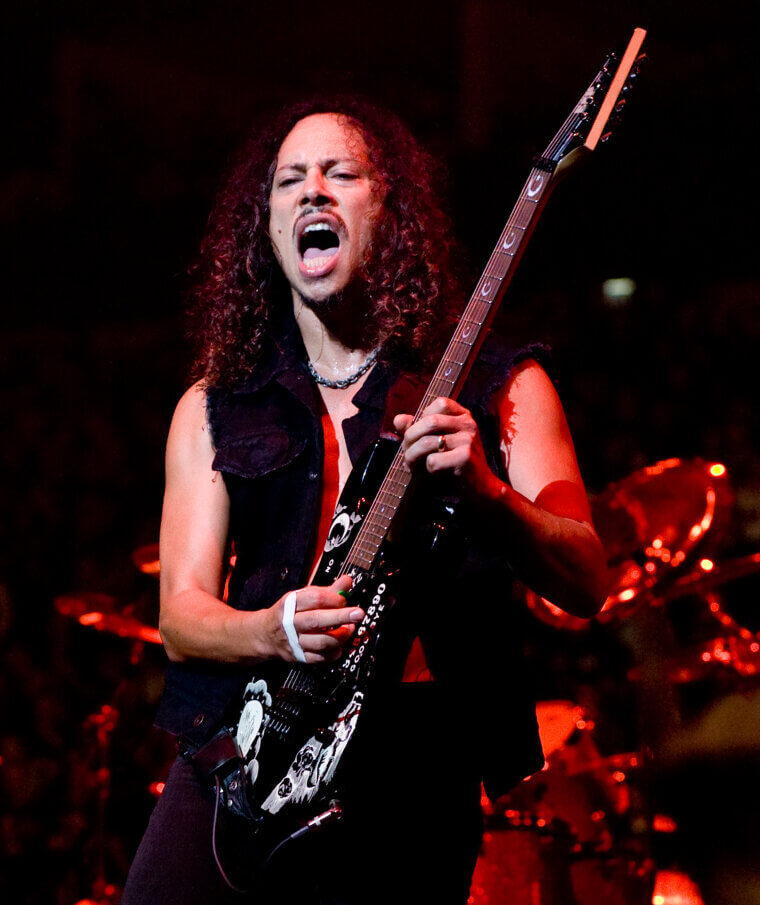
Generations of players learned their first leads by studying his most famous recorded works. He maintains a crucial role in bringing underground extreme elements into mainstream consciousness without sacrificing any core intensity.
Dimebag Darrell, Pantera, Defining Groove Metal Playing
Throughout the 1990s, this charismatic musician revolutionized how aggressive guitars sounded by introducing unprecedented levels of groove and swagger. He famously utilized solid-state amplifiers to achieve a razor-sharp, cutting tone that became instantly recognizable. His playing seamlessly blended bluesy bends with ferocious, syncopated rhythms, creating a sound that forced audiences to move. He employed natural harmonics and aggressive whammy bar squeals to add chaotic flair to his precise rhythm work. Tragically, his life ended in 2004, but his musical innovations continue to resonate loudly.
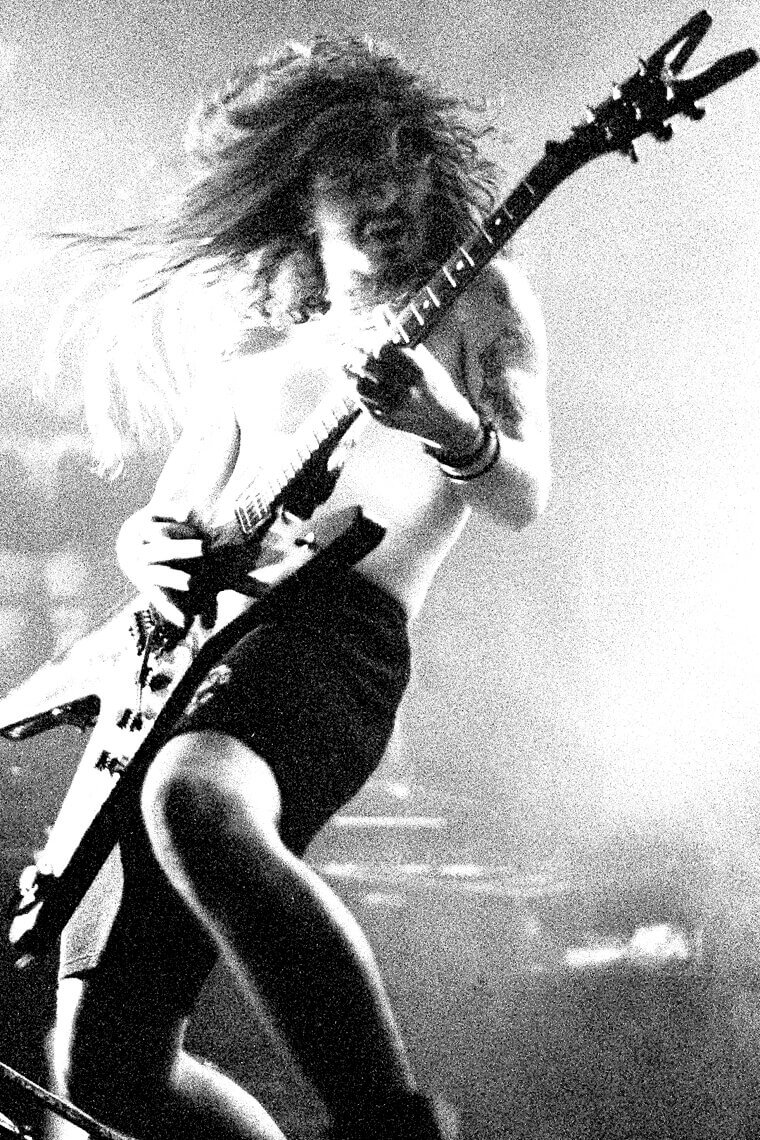
His tragic passing left a massive void in the heavy music community that remains unfilled. However, his larger-than-life personality and groundbreaking techniques ensure his status as a permanent fixture in instrumental history.
Adrian Smith, Iron Maiden, Perfecting the Twin Harmony
As 1 half of a legendary dual-guitar attack, this skilled songwriter brought a refined, melodic structure to the new wave of British heavy music. His leads often feature a blues-based foundation, providing a soulful contrast to the galloping rhythms underneath. He played a massive role in arranging the intricate, harmonized lines that became the band's unmistakable trademark. His solos are meticulously crafted, prioritizing emotional resonance and memorable note choices over mindless shredding. He always serves the song first, elevating the overall composition with tasteful flourishes.
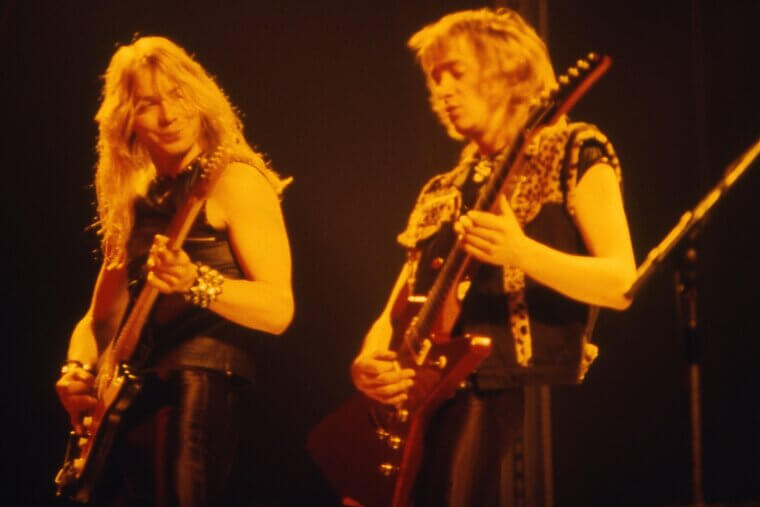
Returning to his flagship band in the late 1990s sparked a massive creative resurgence. His steady, reliable presence and brilliant songwriting contributions remain essential ingredients to their enduring global success and longevity.
Glenn Tipton, Judas Priest, Elevating Dual Lead Complexity
By incorporating elements of classical music and advanced theory, this forward-thinking player helped push traditional rock boundaries into new territories. His sophisticated solos often feature sweeping arpeggios, complex key changes, and a level of precision that demanded intense discipline. He worked seamlessly with his co-guitarist to pioneer the heavy, synchronized riffing that defined the 1980s metal explosion. His relentless pursuit of faster tempos and darker themes paved the way for subsequent extreme genres. He continually adapted his style, embracing modern techniques while retaining his classic roots.
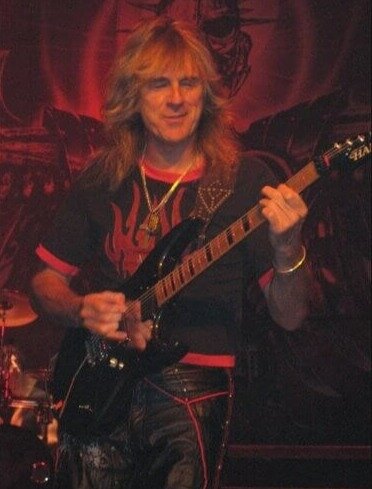
Even after stepping back from extensive touring, his creative vision guides the band's studio output. His legacy as a sophisticated composer and masterful technician stands firmly secured in the annals of music.
K. K. Downing, Judas Priest, Introducing Leather and Whammy Bar Dives
This fierce innovator brought a raw, unbridled energy to his performances that visually and sonically defined an era. He famously utilized aggressive whammy bar dives and chaotic feedback to create an atmosphere of danger and excitement. His rhythm work provided a razor-sharp edge, characterized by aggressive down-picking and staccato palm mutes. He also played a massive role in establishing the leather-clad visual aesthetic that became synonymous with the genre. His wild, unpredictable soloing style perfectly complemented the more structured approach of his bandmates.
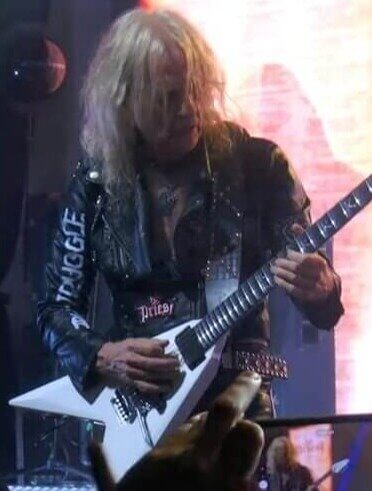
Although he eventually departed the group he helped found, his foundational contributions remain undeniable. His aggressive flair and pioneering techniques laid the groundwork for thousands of subsequent heavy musicians worldwide.
Kerry King, Slayer, Relentless Aggression and Speed
Few musicians embody the sheer intensity and unapologetic brutality of extreme music quite like this imposing figure. His rhythm playing relies on blindingly fast alternate picking and chaotic, atonal chord structures that create a sense of impending doom. He famously adorns his instruments with aggressive tribal graphics and heavy chains, matching the visual aesthetic to the sonic assault. His solos frequently utilize frantic tremolo picking and chaotic chromatic runs, sounding more like a musical panic attack than a traditional melody. He refuses to compromise his harsh sound.
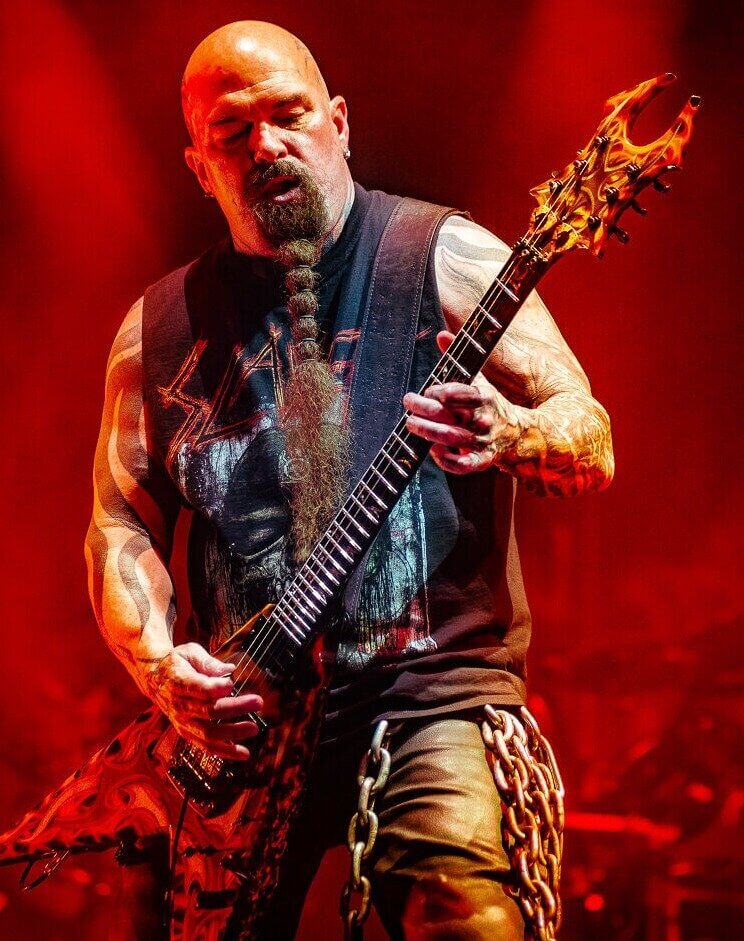
His unwavering dedication to speed and aggression inspired the entire first wave of death metal bands. He remains a towering pillar of heavy culture, refusing to soften his approach after decades of performing.
Jeff Hanneman, Slayer, Writing the Darkest Thrash Anthems
Before his tragic passing in 2013, this brilliant songwriter penned some of the most controversial and memorable tracks in thrash history. He infused his riffs with a distinct punk rock energy, prioritizing raw speed and aggressive attitude over polished technicality. His fascination with dark historical events heavily influenced his lyrical and musical compositions, resulting in a chillingly atmospheric sound. He possessed a unique talent for writing chaotic, swirling solos that perfectly matched the chaotic subject matter of the songs. His contributions pushed extreme music into darker realms.
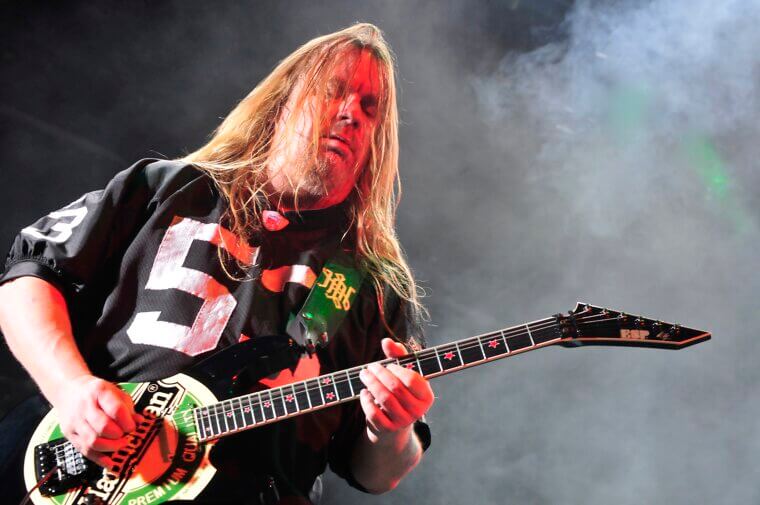
His innovative songwriting left an indelible mark on the landscape of extreme aggressive music. The haunting melodies and ferocious rhythms he created continue to echo through the work of modern bands everywhere.
Chuck Schuldiner, Death, Bridging Extreme Precision and Melody
Often heralded as a founding father of extreme metal, this visionary artist continuously evolved his sound until his untimely death in 2001. He started with raw, aggressive speed but quickly incorporated complex progressive elements and stunning melodic passages into his work. His intricate riffs challenged the physical limitations of the instrument, utilizing challenging time signatures and rapid string skipping. He utilized higher register shrieks and complex lyrical themes that elevated the intellectual depth of the entire genre. He constantly surrounded himself with elite musicians to push his vision.
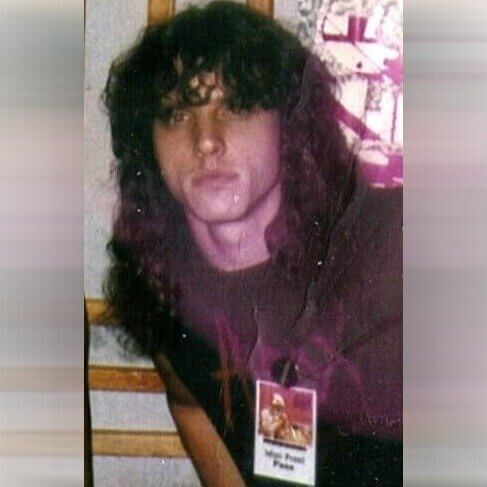
His catalog serves as a masterclass in blending technical proficiency with profound emotional weight. The progressive trails he blazed remain a primary source of inspiration for technical musicians across the globe.
Alex Skolnick, Testament, Bringing Jazz Sensibilities to Thrash
Bringing a sophisticated theoretical background to a raw, aggressive genre allowed this standout player to craft truly unique compositions. He studied under legendary instrumentalists, learning to incorporate advanced jazz phrasing and fluid arpeggios into high-speed thrash frameworks. His solos provide a stark, beautiful contrast to the heavy, chugging rhythms, offering listeners moments of melodic brilliance. He often employs sophisticated scale choices, stepping outside standard pentatonic boxes to create unexpected musical tension. This diverse skill set earned him immense respect from musicians across multiple disparate genres.
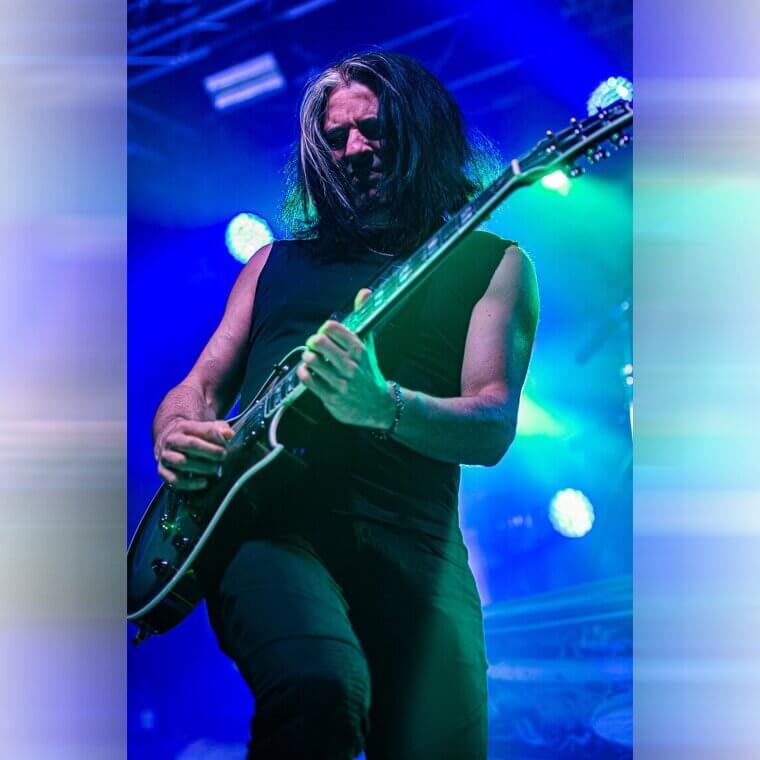
He eventually branched out to play traditional jazz, proving the incredible versatility of his talent. His ability to seamlessly weave complex theory into heavy aggression remains a rare and celebrated feat.
Gary Holt, Exodus, The Unsung Architect of Bay Area Riffs
As a primary driving force behind the Bay Area thrash movement, this prolific riff writer established the aggressive template that many famous bands adopted. His playing features an exceptionally tight, percussive right-hand technique that drives songs forward with relentless momentum. He possesses a unique ability to write complex, twisting riffs that remain surprisingly catchy and memorable. His abrasive, raw tone cuts through dense mixes, delivering a sonic punch that defines the underground aesthetic. He seamlessly stepped in to assist legendary peers when duty called.
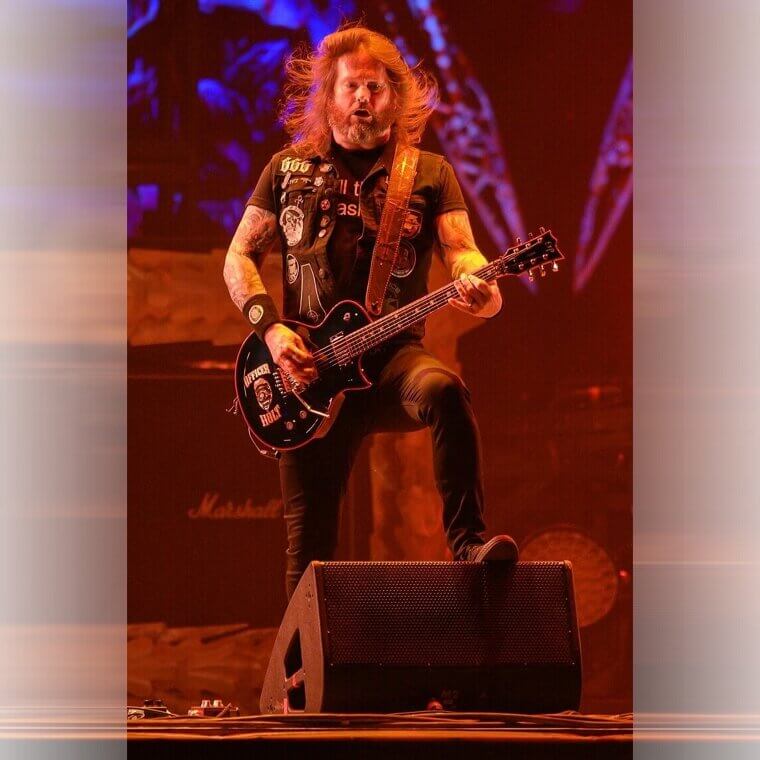
His unwavering dedication to the thrash metal sound earned him legendary status among diehard fans. He continues to deliver punishing live performances, proving that his aggressive spirit remains as vibrant as ever.
Marty Friedman, Megadeth, Introducing Exotic Scales
During his tenure with a legendary thrash outfit, this innovative lead player introduced a wealth of exotic, Eastern-influenced scales to mainstream audiences. His solos frequently feature unconventional note choices and massive string bends that vocalize his musical phrasing. He possesses an unorthodox picking technique that allows for surprisingly fluid string skipping and rapid sweeping runs. His ability to craft dramatic, sweeping melodies elevated the technicality and emotional depth of the band's most critically acclaimed albums. He approaches the fretboard with a completely unique geographical perspective.
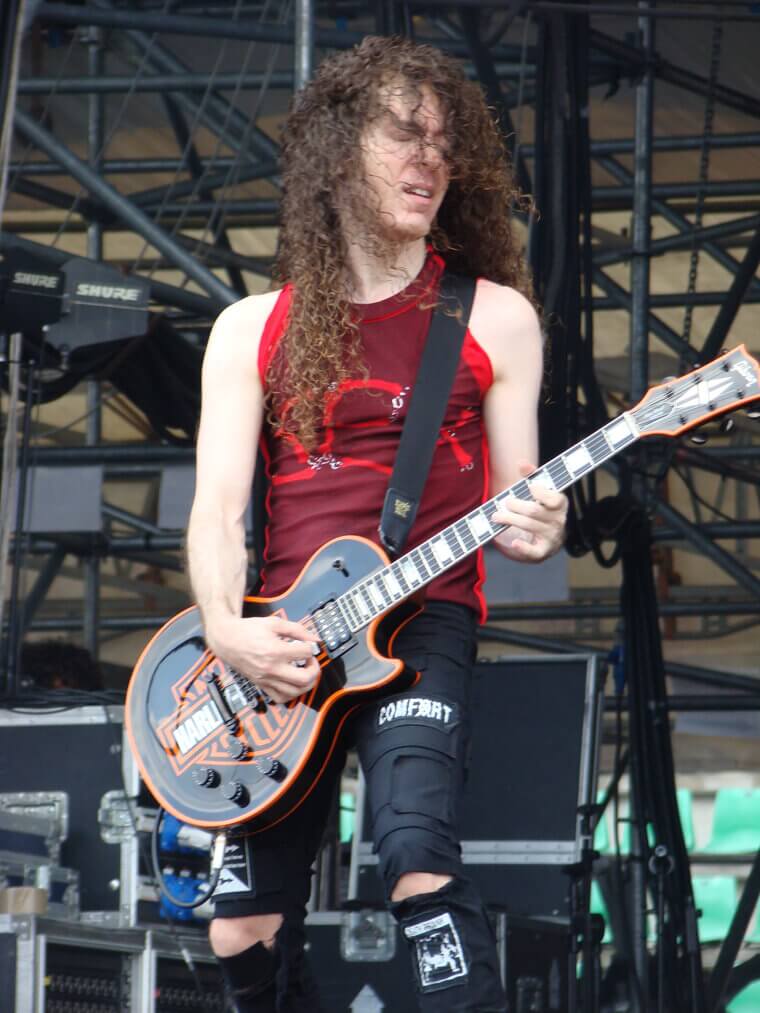
Moving overseas, he carved out a massive career in foreign markets, showcasing his boundless versatility. His legendary recorded solos remain required listening for anyone studying advanced lead guitar techniques.
John Petrucci, Dream Theater, Pushing Progressive Boundaries
Widely regarded as 1 of the most technically proficient players alive, this progressive mastermind continuously expands the physical limits of the instrument. His flawless alternate picking and complex rhythmic subdivisions allow him to execute seemingly impossible passages with mechanical precision. He meticulously crafts epic, sprawling compositions that weave through myriad time signatures and key changes seamlessly. His use of 7-string guitars added a massive, rumbling low end to his already expansive sonic palette. He balances his intense shredding with gorgeous, emotive melodic playing.
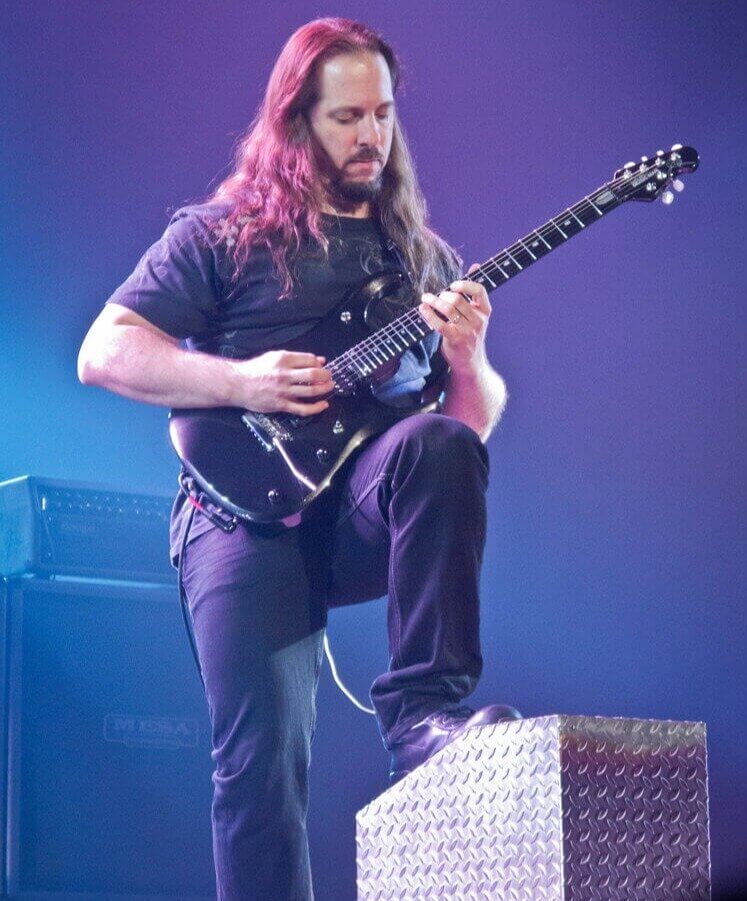
His educational materials and signature gear lines helped shape the modern landscape of technical playing. He consistently raises the bar for instrumental excellence, inspiring countless musicians to practice harder than ever before.
Zakk Wylde, Ozzy Osbourne, Signature Pinch Harmonics
Bursting onto the scene as a young prodigy, this formidable presence brought a muscular, southern-fried aggression to classical heavy metal. He famously popularized the aggressive use of pinch harmonics, creating squealing, aggressive accents that define his signature sound. His wide, aggressive vibrato adds a massive, imposing weight to both his heavy riffs and soaring solos. He utilizes a custom painted instrument that has become nearly as iconic as his larger-than-life biker persona. His playing blends classic rock pentatonics with furious alternate picking.
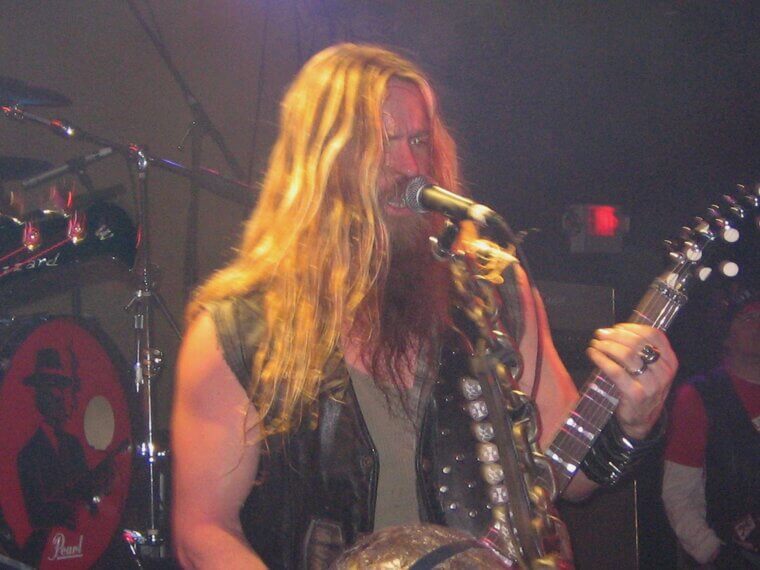
He forged his own highly successful path by fronting a band dedicated to his heavy aesthetic. His unmistakable tone and aggressive swagger maintain a massive, dedicated following across multiple generations.
Randy Rhoads, Ozzy Osbourne, Blending Classical Music with Heavy Distortion
Before his tragic passing in 1982 at a very young age, this classical virtuoso changed the trajectory of heavy guitar playing forever. He seamlessly integrated classical music theory, utilizing complex modal scales and diminished arpeggios within a hard rock context. His innovative double-tracking techniques in the studio created a massive, multi-layered sound that felt larger than life. He possessed an incredible ear for melody, ensuring that his most technically demanding solos remained highly memorable and musical. His riffs perfectly balanced dark theatrics with accessible rock energy.
The brief but brilliant catalog he left behind remains a cornerstone of instrumental education. His pioneering fusion of classical elegance and heavy distortion spawned an entire generation of neoclassical shredders.
Mick Thomson, Slipknot, Creating Down-Tuned Rhythmic Walls
Hidden behind an intimidating mask, this imposing rhythm player builds massive, down-tuned walls of sound that define modern aggressive music. His right-hand picking technique is remarkably fast and precise, allowing him to execute complex, percussive riffs at blistering tempos. He frequently utilizes dissonant chord shapes and chaotic slide techniques to generate an atmosphere of pure sonic dread. His tone is famously scooped and abrasive, engineered to cut through a chaotic mix featuring 9 different musicians. He anchors the chaotic theatricality with steady musical precision.
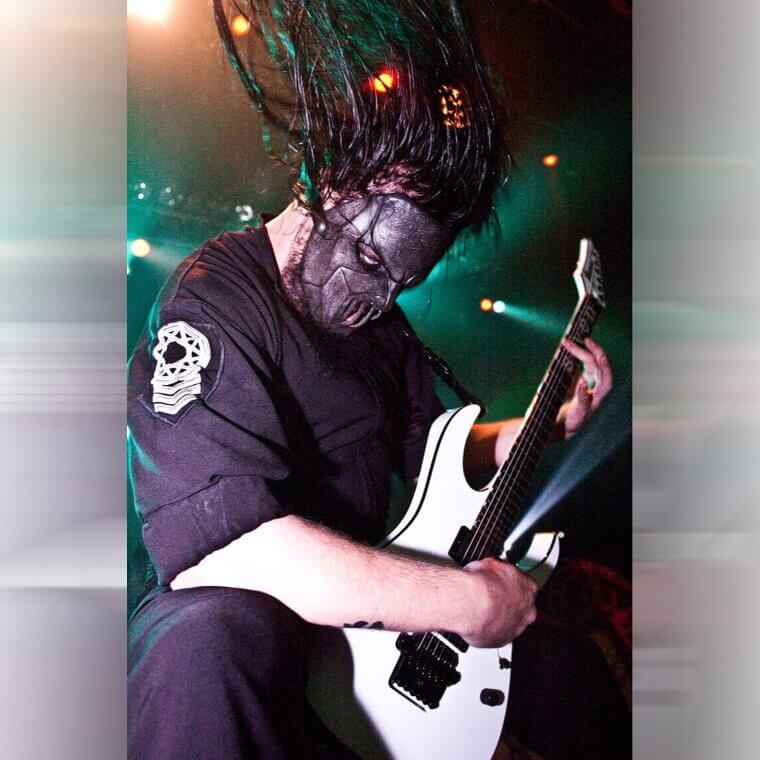
His relentless approach to rhythm playing heavily influenced the development of modern metalcore and nu-metal. He proves that extreme detuning can still retain clarity, punch, and devastating musical effectiveness.
Jim Root, Slipknot, Merging Melody with Masked Chaos
Contrasting with his bandmate's pure aggression, this towering masked musician brings a crucial sense of melody and structure to chaotic compositions. He favors a warmer, slightly more traditional guitar tone that provides depth and clarity to the band's massive sonic assault. His solos often blend traditional rock phrasing with modern, discordant elements, creating a unique and unsettling musical tension. He played a primary role in writing some of the group's most successful and enduring anthems. His versatility allows him to switch seamlessly between brutal riffs and clean ambiance.
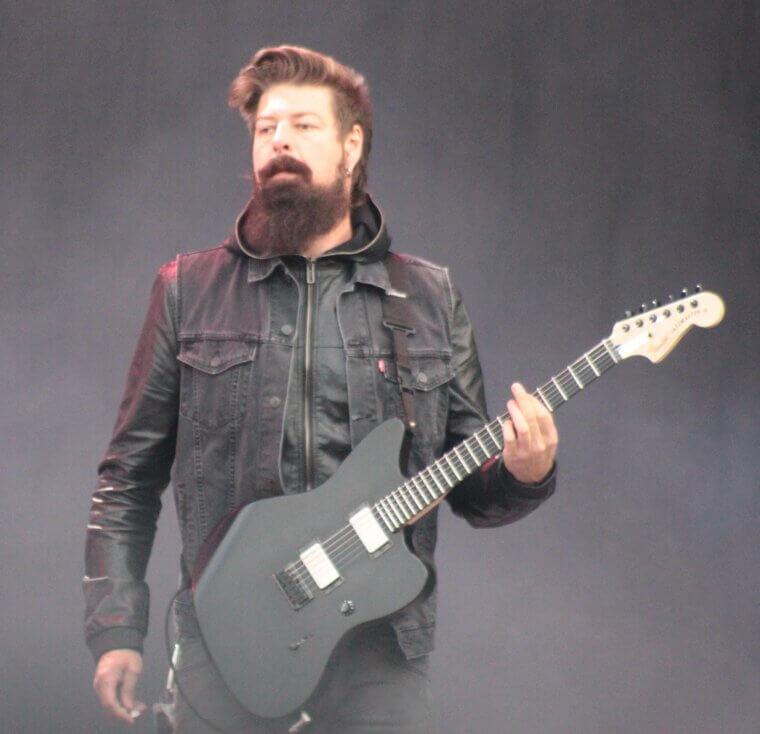
His extensive work in multiple successful groups highlights his exceptional songwriting abilities and creative drive. He effectively bridges the gap between classic rock sensibilities and modern extreme metal aesthetics.
Synyster Gates, Avenged Sevenfold, Modernizing The Guitar Hero Persona
Merging impressive technical shredding with theatrical flair, this modern virtuoso helped bring the classic guitar hero archetype into the 21st century. He incorporates elements of gypsy jazz, classical music, and traditional thrash into his highly complex, sweeping solos. His use of custom instruments and flashy visual aesthetics perfectly complements the grand, cinematic scope of his band's music. He frequently employs advanced techniques like economy picking and sweep tap combinations to execute blindingly fast passages. His lead work always retains a strong sense of narrative and melody.
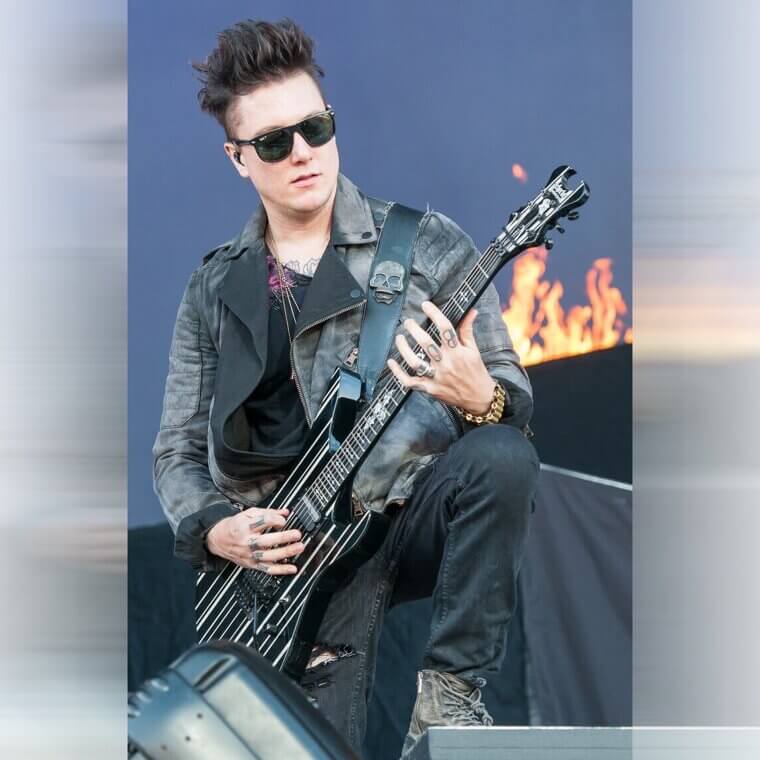
His fearless experimentation with different genres keeps his band's sound constantly evolving and fresh. He inspires a massive new generation of younger players to embrace complex music theory and advanced techniques.
Mark Morton, Lamb of God, Bringing Southern Swagger to Modern Metal
Infusing extreme aggressive music with a distinct bluesy, southern swagger allowed this talented songwriter to carve out a massive unique space. His riffs often rely on complex, syncopated grooves that create a massive, rolling momentum within the songs. He possesses a knack for writing memorable, repeating hook riffs that serve as the foundation for modern metal anthems. His lead playing frequently incorporates classic pentatonic blues licks, played at blistering speeds with intense distortion. He balances extreme technicality with an undeniable, foot-stomping groove.
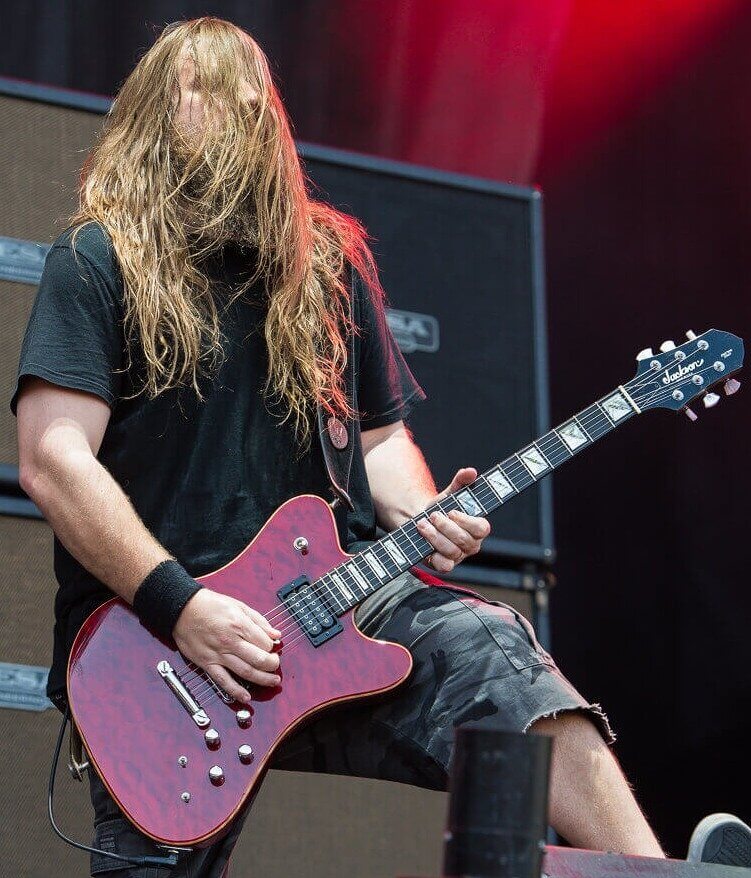
His soulful approach to heavy playing offers a refreshing contrast to purely mechanical modern styles. His collaborative solo projects further demonstrate his diverse musical interests and exceptional arranging talents.
Adam Jones, Tool, Mastering Polyrhythms and Atmosphere
Focusing on texture and atmosphere rather than flashy speed, this enigmatic player constructs massive, hypnotic sonic landscapes. He masterfully utilizes odd time signatures and complex polyrhythms to create dizzying, mesmerizing arrangements that challenge the listener. His tone is incredibly dense and heavy, achieved by blending multiple vintage amplifiers and utilizing unique playing techniques. He frequently employs a talk box and various unconventional effects to generate otherworldly sounds. His riffs build slowly, creating massive tension before releasing into crushing, cathartic heavy resolutions.
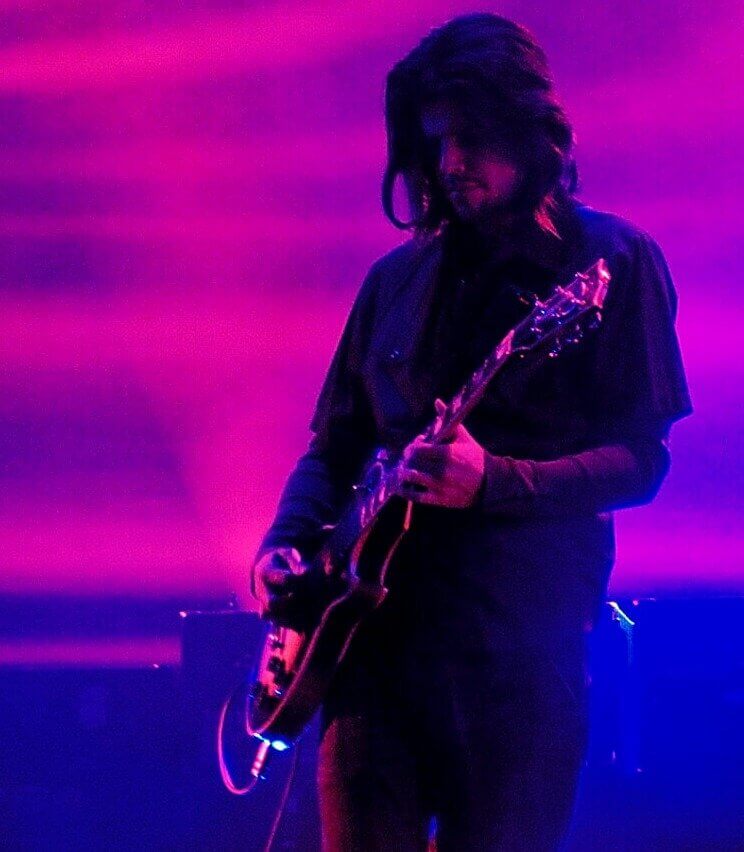
His background in visual arts heavily informs his deliberate, cinematic approach to composing music. He remains a singular voice in the industry, proving that technical mastery doesn't require playing a million notes.
Scott Ian, Anthrax, The Ultimate Mosh Pit Rhythm Player
Renowned for an incredibly precise and punishing right hand, this iconic rhythm player laid the foundation for East Coast thrash. His chunky, palm-muted riffs are engineered specifically to create maximum kinetic energy, practically inventing the modern mosh pit groove. He shuns traditional lead playing, focusing entirely on crafting memorable, driving rhythms that anchor the band's energetic performances. His massive, cutting tone relies on aggressive midrange frequencies that punch through the fastest drum beats. He remains 1 of the most recognizable and charismatic figures in heavy music.
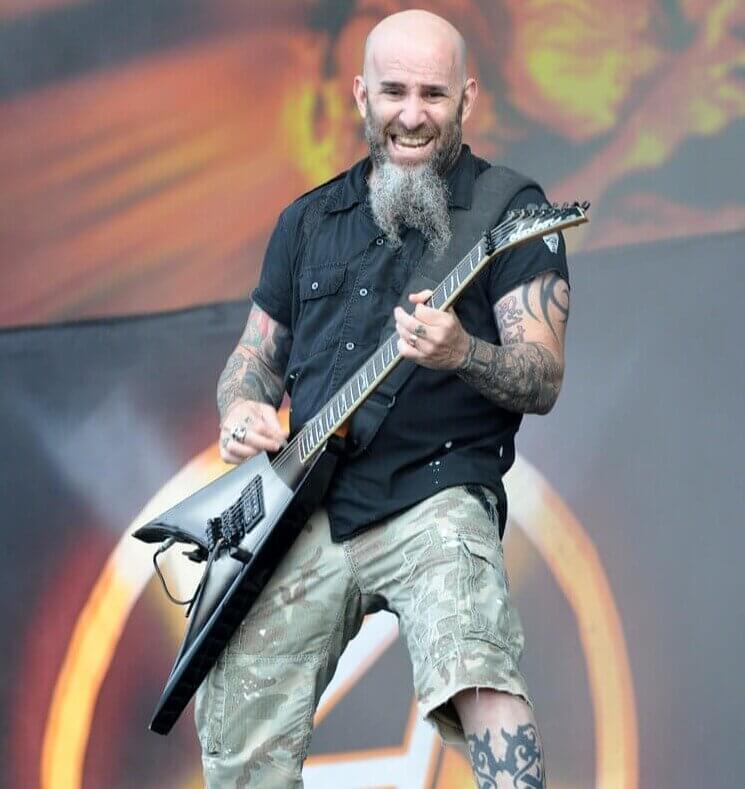
His relentless touring and enthusiastic advocacy for heavy culture made him a beloved ambassador for the genre. His foundational rhythm techniques remain essential curriculum for anyone learning to play aggressive music.
Jerry Cantrell, Alice in Chains, Forging the Grunge Metal Bridge
Blending heavy, sludgy riffs with haunting, melodic vocal harmonies allowed this brilliant songwriter to bridge multiple massive musical movements. His playing relies heavily on ominous, crawling tempos and expressive string bending to convey deep emotional anguish. He frequently employs a wah pedal to give his solos a crying, vocal-like quality that perfectly matches his dark lyrical themes. His acoustic compositions demonstrate a profound grasp of subtle chord voicings and delicate fingerpicking techniques. He effortlessly transitions between crushing distortion and beautiful, melancholy clean tones.
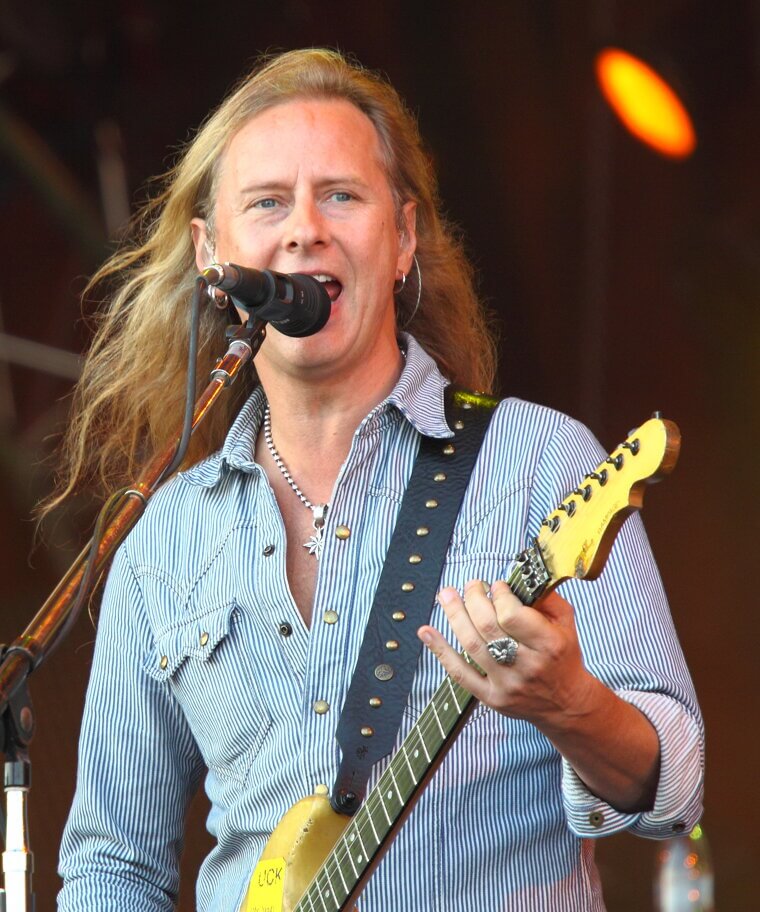
His enduring catalog perfectly captures the gritty, angst-ridden spirit of the 1990s alternative explosion. He remains a highly influential figure, celebrated for his exceptional songcraft and soulful, expressive execution.
Michael Schenker, UFO, Influencing Generations of Lead Players
Stepping onto the global stage in the 1970s, this brilliant German musician set a new standard for melodic hard rock lead playing. He famously wields a flying V instrument, utilizing a half-cocked wah pedal to achieve his unmistakable, piercing signature tone. His solos are incredibly articulate, characterized by fluid phrasing, precise alternate picking, and beautiful vibrato. He bridged the gap between classic blues rock and the highly structured neoclassical styles that followed. His instrumental compositions showcase a profound understanding of melody and dramatic pacing.
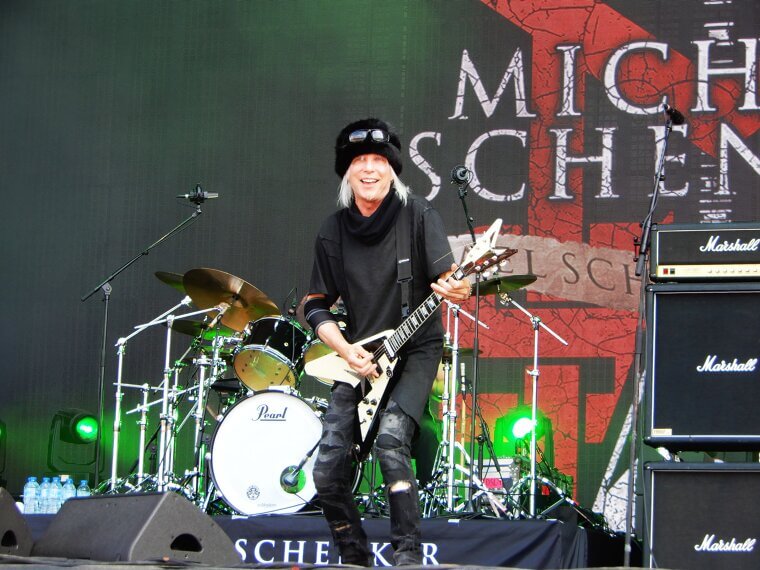
Countless legendary players cite his fluid, emotive style as their primary inspiration for picking up an instrument. His extensive catalog of classic riffs and flawless solos remains a treasure trove for studying guitarists.
Uli Jon Roth, Scorpions, Pioneering Neo-Classical Techniques
Long before the shred explosion of the 1980s, this visionary artist was seamlessly blending classical scales with heavy rock amplification. He utilized custom-built instruments with extended frets to reach previously inaccessible high notes, pushing the physical limits of the guitar. His playing features fluid sweep picking and complex arpeggios that mimic the sound of traditional classical violins. He incorporates deep spiritual and philosophical themes into his expansive, progressive musical compositions. His ethereal, soaring tone sounds completely unique compared to his hard rock contemporaries.
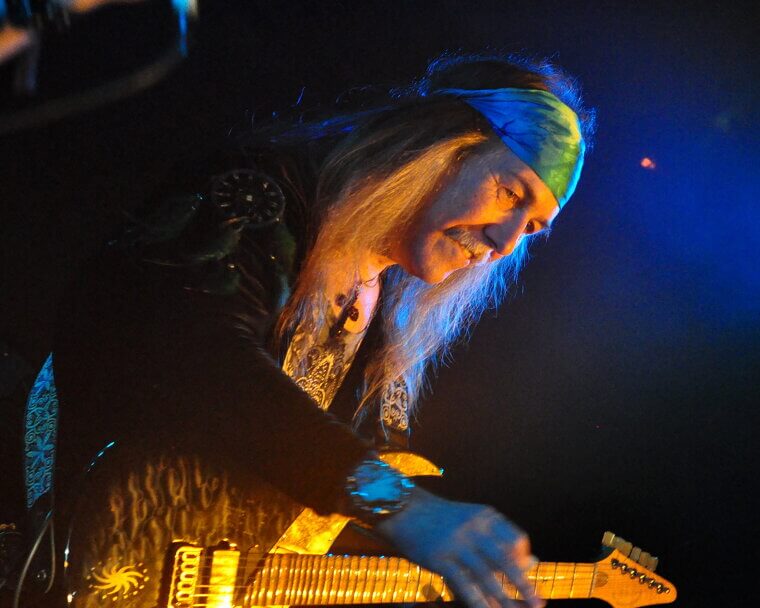
His groundbreaking early work laid the vital foundation for the entire neoclassical metal subgenre. He continues to perform sweeping, majestic concerts that showcase his unparalleled mastery of the instrument.
Dave Murray, Iron Maiden, Unmatched Legato Fluidity
Known for a perpetual smile and a remarkably smooth playing style, this enduring musician utilizes legato techniques to make fast passages sound effortless. He relies heavily on the neck pickup of his Stratocaster, producing a warm, rounded tone that contrasts sharply with typical aggressive sounds. His fluid trills and sweeping runs cascade over complex basslines, creating a swirling atmosphere during instrumental breaks. He has remained a constant force in his group since its earliest days, anchoring their shifting lineups with his signature sound and reliable execution.
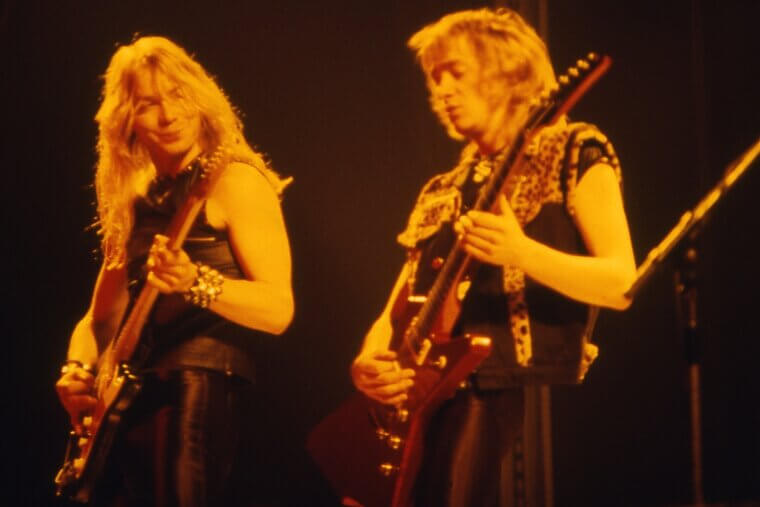
His improvisational feel adds a sense of spontaneity to otherwise rigidly structured progressive epics. Aspiring players continually marvel at his ability to make technically demanding runs appear incredibly relaxed and natural.
Criss Oliva, Savatage, Melding Symphony and Heavy Music
Before his tragic passing in 1993, this incredibly gifted musician helped pioneer the blending of symphonic elements with traditional heavy formats. His playing featured a striking combination of chunky, aggressive rhythm work and soaring, highly emotive lead melodies. He possessed an uncanny ability to craft dramatic, theatrical solos that perfectly complemented the band's grandiose rock operas. His tone was remarkably sharp and cutting, allowing his intricate fretwork to shine clearly through dense orchestral arrangements. He utilized unique slide techniques and tapping sequences to create signature sounds.
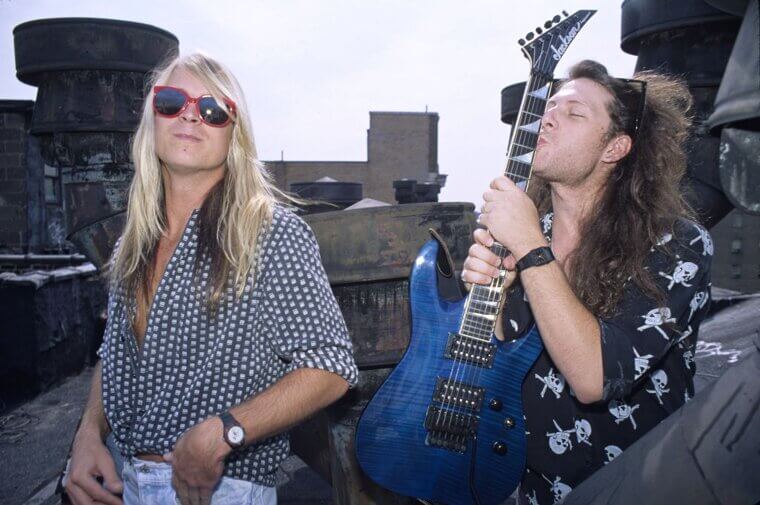
His tragic death robbed the music world of a truly unique and forward-thinking compositional voice. However, his theatrical riffing style lives on through the massive success of the seasonal orchestral projects he inspired.
Trey Azagthoth, Morbid Angel, Unleashing Otherworldly Death Metal Solos
Approaching his instrument with a profoundly unorthodox philosophy, this extreme pioneer writes riffs that sound completely alien and terrifying. He heavily utilizes strange scales, dissonant chords, and chaotic time changes to disorient the listener and create a nightmarish atmosphere. His solos often feature blindingly fast, chaotic tapping sequences and aggressive whammy bar abuse that defies traditional musical logic. He views his guitar work as a spiritual channeling process, resulting in highly unpredictable and intense live performances. He firmly established the template for esoteric, technical death music.
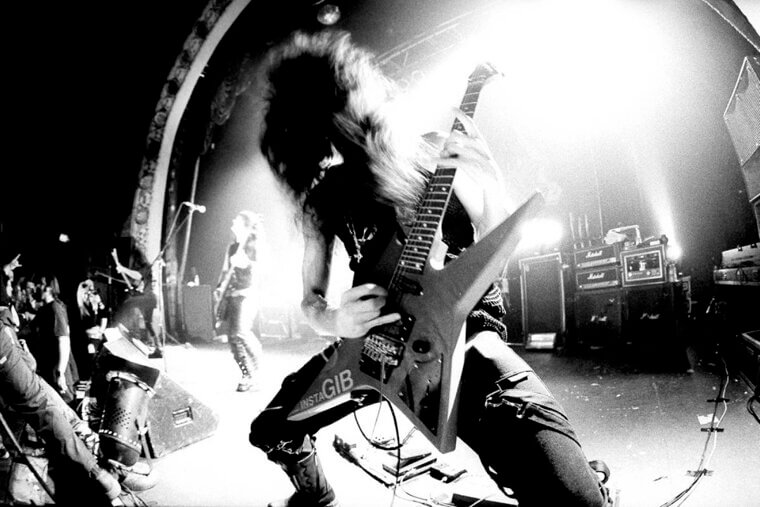
His uncompromising vision pushed extreme music into darker, more complex, and heavily atmospheric territories. He remains a revered cult figure among fans of the most brutal and technical underground sounds.
Bill Steer, Carcass, Evolving Grindcore Into Melodic Mastery
Starting his career in the most abrasive underground scenes, this talented player gradually introduced stunning melody to extreme medical-themed grindcore. He possesses a remarkably heavy, detuned guitar tone that provides a crushing foundation for his intricate, twisting riffs. His solos feature beautiful, blues-inflected phrasing that contrasts sharply with the guttural vocals and blast-beat drumming. He helped pioneer the beloved melodic death metal subgenre by proving that brutality and catchy harmonies could coexist. His fluid legato runs and tasteful vibrato add a touch of classic rock elegance.
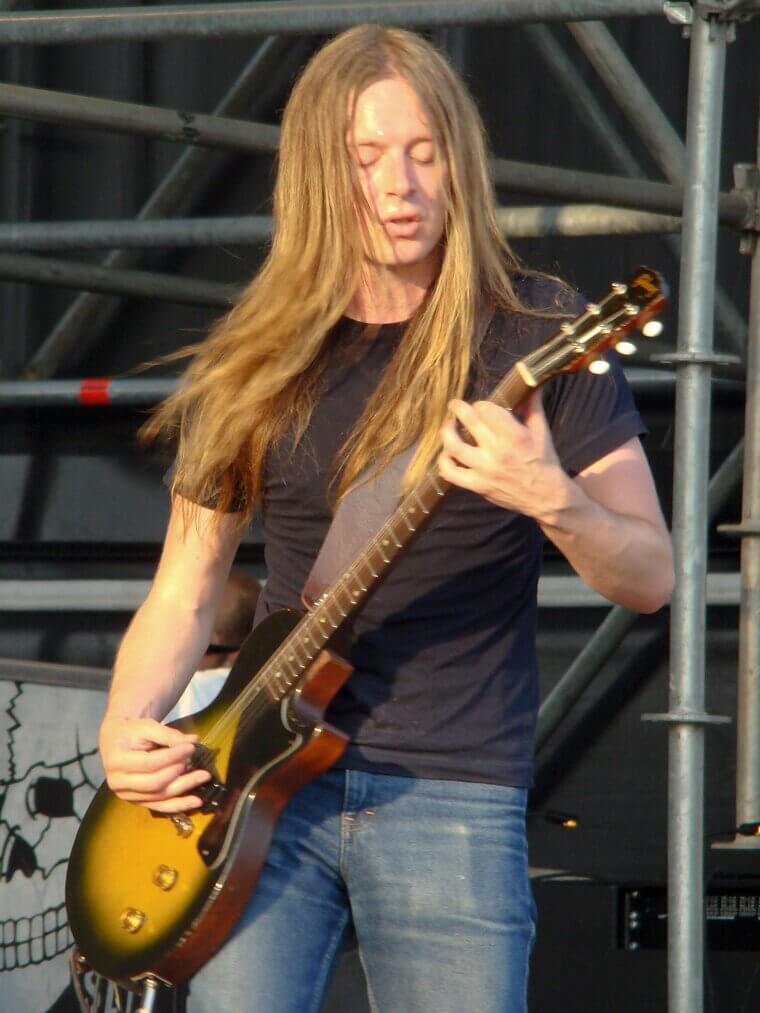
His musical evolution demonstrates an incredible dedication to expanding the boundaries of heavy subgenres. He remains a highly respected riff writer, constantly praised for his tasteful approach to extreme aggression.
Mikael Åkerfeldt, Opeth, Seamlessly Transitioning Between Acoustic and Heavy
As a master of progressive composition, this Swedish visionary effortlessly weaves between crushing death metal and beautiful acoustic folk passages. His heavy riffs are intricate and heavily syncopated, utilizing complex chord voicings that step far outside traditional heavy tropes. He commands a remarkably clean, articulate acoustic fingerpicking technique that provides breathtaking moments of serene musical beauty. His solos are highly melodic and structured, focusing on emotive note choices rather than sheer displays of speed. He effectively broke down the barriers between extreme underground music and 1970s progressive rock.
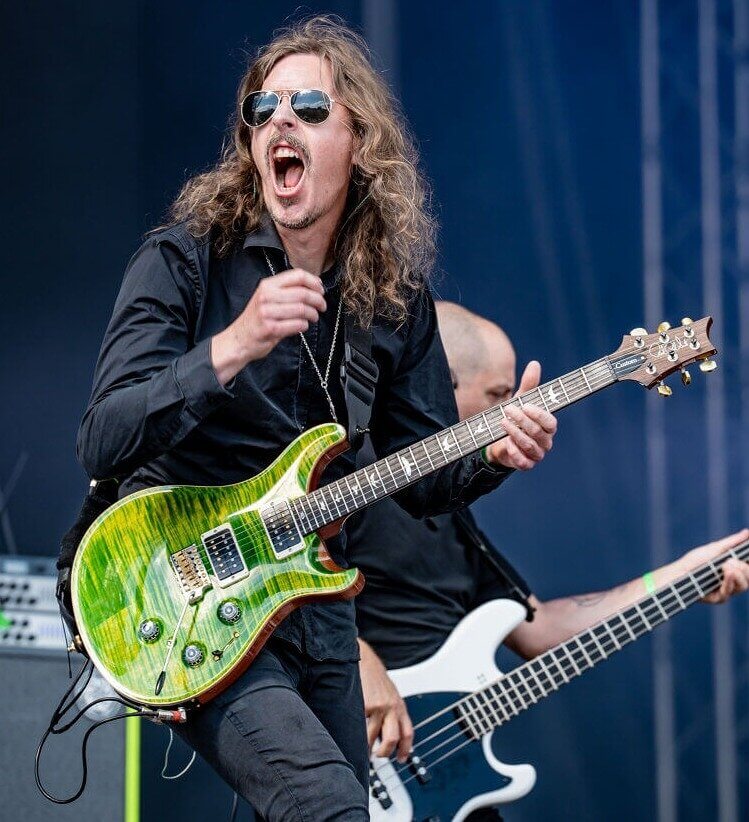
His fearless dedication to his unique artistic vision resulted in a massive, dedicated global cult following. He continues to push progressive boundaries, proving that heavy music can be incredibly beautiful and intellectually stimulating.
Fredrik Thordendal, Meshuggah, Inventing the Djent Polyrhythmic Style
By utilizing highly extended range instruments and mind-bending polyrhythms, this Swedish innovator essentially birthed an entirely new subgenre of music. His playing focuses on incredibly precise, staccato palm-muting that aligns perfectly with complex, shifting drum patterns to create a mechanical groove. He utilizes massive 8-string guitars to achieve a subterranean, thunderous tone that rattles the very foundations of the venue. His alien-sounding solos frequently employ breath controllers and strange jazz-fusion phrasing to create a highly synthetic atmosphere. He completely redefined the rhythmic possibilities of the electric guitar.
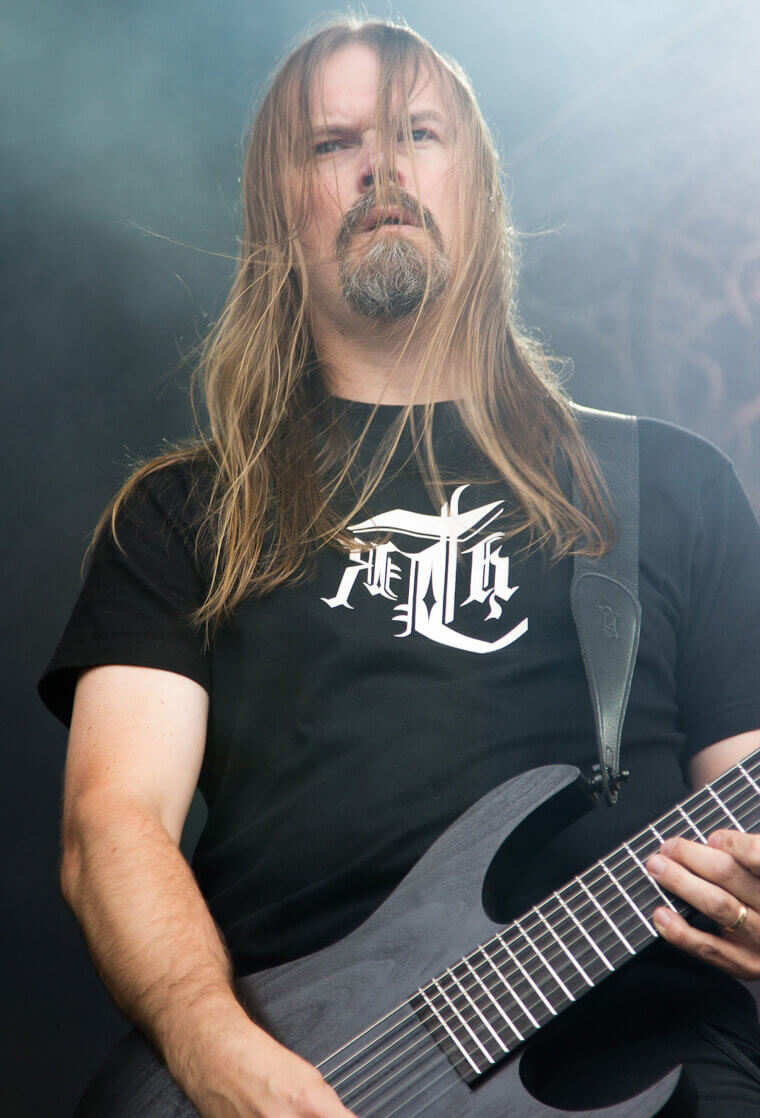
His mechanical precision and rhythmic complexity forced the entire heavy music community to reevaluate standard timing. The massive subculture of modern polyrhythmic bands owes its entire existence to his pioneering techniques.
Andreas Kisser, Sepultura, Integrating Tribal Rhythms
Taking thrash metal into uncharted global territories, this Brazilian powerhouse integrated native tribal rhythms and acoustic elements into fierce aggression. His aggressive down-picking and frantic chord changes defined the vicious sound of the early 1990s extreme scene. He possesses a keen ear for writing massive, groove-laden riffs that incite chaotic audience movement at massive festival appearances. His lead work often incorporates frantic, noisy runs and eerie, discordant harmonies that build massive tension. He proudly showcased his cultural heritage, expanding the sonic boundaries of the heavy genre.
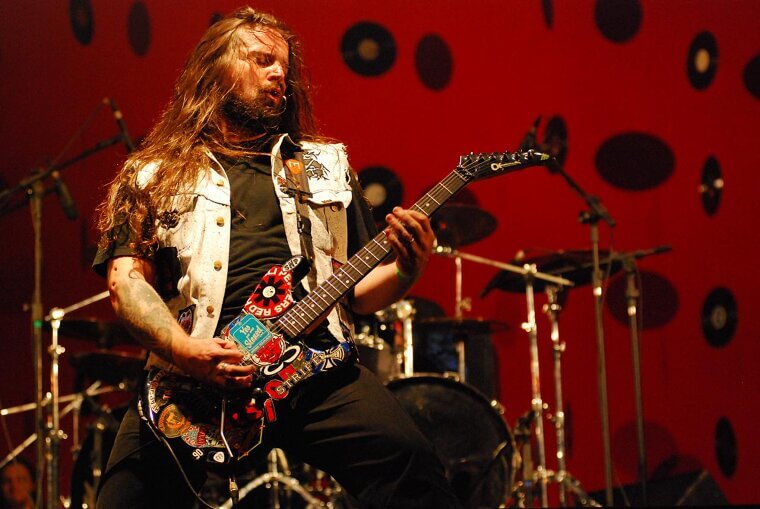
His leadership guided his legendary band through massive lineup shifts while maintaining their core aggressive identity. His distinct rhythmic flavor remains a highly celebrated and influential component of global heavy music.
Tosin Abasi, Animals as Leaders, Redefining 8-String Virtuosity
Operating entirely in the instrumental realm, this modern virtuoso utilizes 8-string instruments to push the absolute limits of human dexterity. He famously employs a specialized technique called selective picking, blending aggressive thumb slapping with intricate fingerstyle plucking. His compositions draw heavily from complex jazz harmony, electronic music, and progressive metal, creating a stunningly unique hybrid sound. He effortlessly jumps between thumping basslines, complex chord voicings, and blindingly fast lead runs within the same measure. He single-handedly revolutionized how extended range instruments are played and perceived.
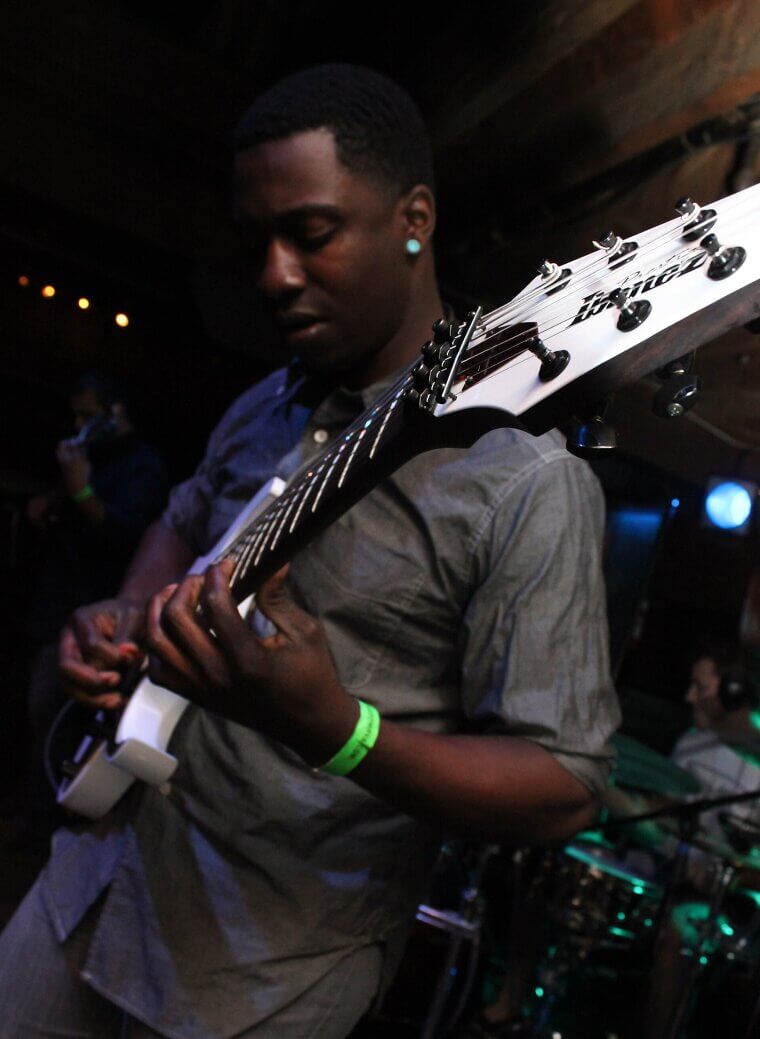
His awe-inspiring performances attract fans from across the entire musical spectrum, far beyond the heavy community. He represents the cutting edge of modern guitar evolution, constantly exploring new techniques and sonic possibilities.
Nuno Bettencourt, Extreme, Funky Rhythmic Precision
Standing out in a sea of traditional hard rock players, this funk-influenced virtuoso brought an incredible sense of swing to heavy music. His rhythm playing is extraordinarily percussive, utilizing complex muting techniques and syncopated strumming to create infectious, danceable grooves. His solos are legendary for their blinding speed, flawless alternate picking, and intricate string-skipping arpeggios. He possesses a massive, organic guitar tone that highlights the subtle nuances of his incredibly precise fingering hand. He writes highly complex instrumental sections that somehow remain completely accessible to casual radio listeners.
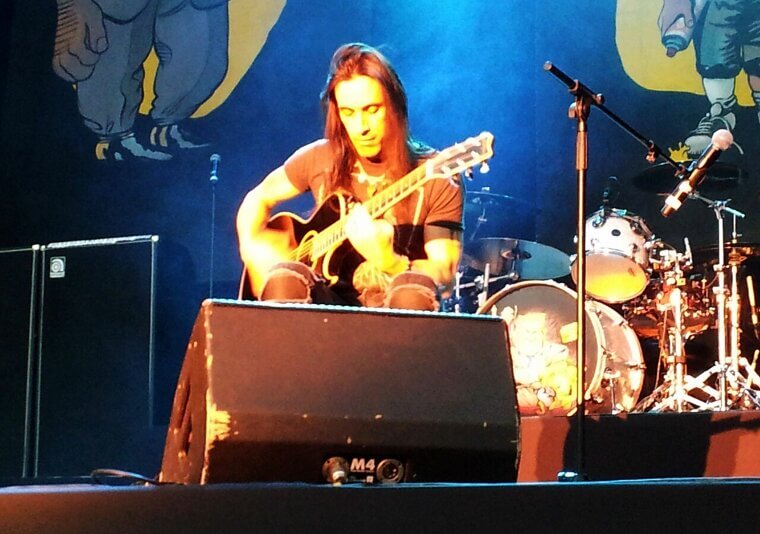
His undeniable talent secured him massive gigs performing with legendary pop artists on massive global tours. His unique blend of funky rhythm and fiery lead playing remains a pinnacle of technical achievement.
Vernon Reid, Living Colour, Breaking Boundaries With Fusion and Funk
Smashing through genre barriers in the late 1980s, this visionary musician blended heavy metal, punk, funk, and free jazz into a potent mix. His riffs are incredibly jagged and aggressive, utilizing complex, discordant chords that challenge the listener's ear. His chaotic, explosive soloing style completely ignores traditional rock boundaries, favoring frantic chromatic runs and wild, noisy effects manipulation. He famously championed diversity within the heavy music scene, using his platform to promote vital social and political messages. His playing is a visceral, unpredictable experience that demands total attention.
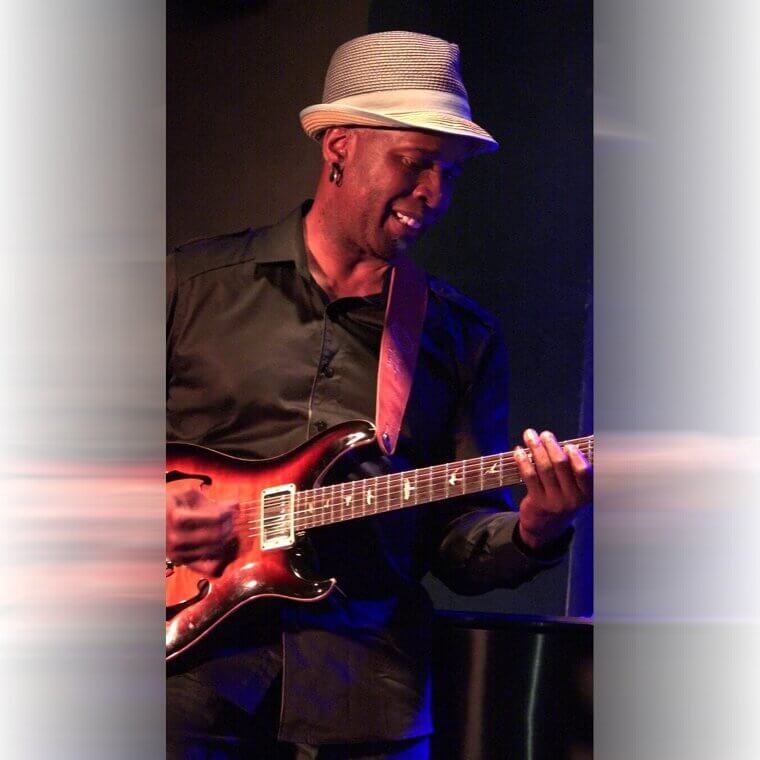
His groundbreaking work proved that heavy music could be deeply intellectual, funky, and socially conscious simultaneously. He remains a fearless musical explorer, constantly pushing his unique fusion into exciting new territories.