
Rock stars aren't just about wild parties and trashed hotel rooms anymore. Many have channeled their boundless creativity into massive, money-making enterprises. From custom hot sauce to commercial aviation, check out these brilliant musicians who built spectacular business empires!
Sammy Hagar, Van Halen, Cabo Wabo Tequila, $250 Million
The energetic frontman famously known as the Red Rocker took his passion for spirits and transformed it into a groundbreaking lifestyle brand. Hagar originally started a cantina in Cabo San Lucas, Mexico, seeking a relaxed hangout spot for his friends and fellow musicians. Realizing they needed an authentic house beverage, he partnered with a local family-owned distillery to craft a custom agave spirit. This venture eventually expanded beyond the local market and became a massive sensation across North America.
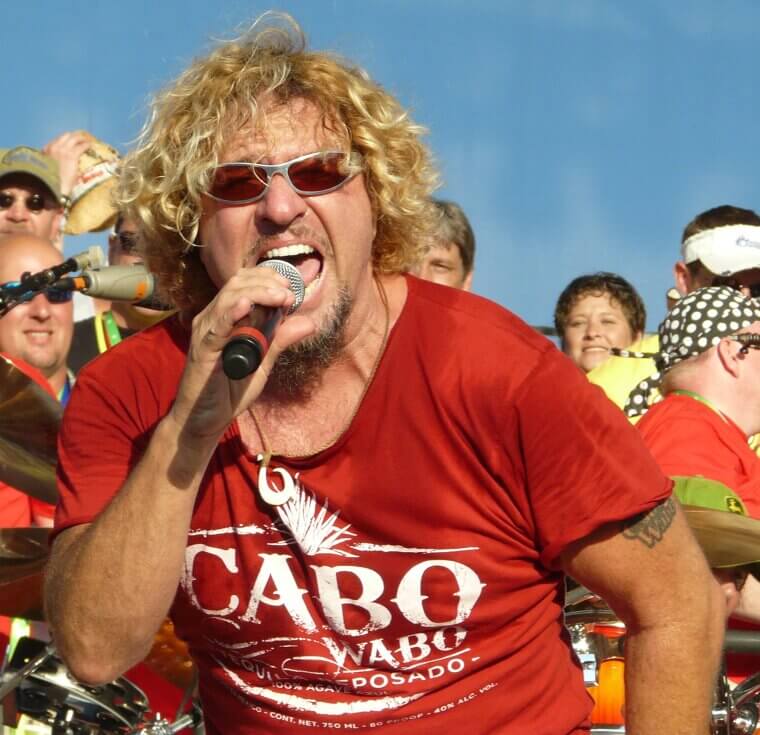
He reportedly sold a majority stake in the brand for nearly a hundred million dollars, proving his business acumen matched his vocal talents. Today, this groundbreaking blueprint serves as a standard for modern celebrity liquor ventures.
Bruce Dickinson, Iron Maiden, Cardiff Aviation, $130 Million
Beyond delivering towering vocal performances on stadium stages worldwide, this heavy metal legend turned his lifelong fascination with flight into a serious enterprise. Dickinson holds a commercial pilot's license and famously flew his band on their global tours aboard customized Boeing aircraft. Taking his expertise further, he established an aircraft maintenance and training business based in Wales. The facility provides critical servicing for commercial airlines and features advanced flight simulators for pilot instruction.
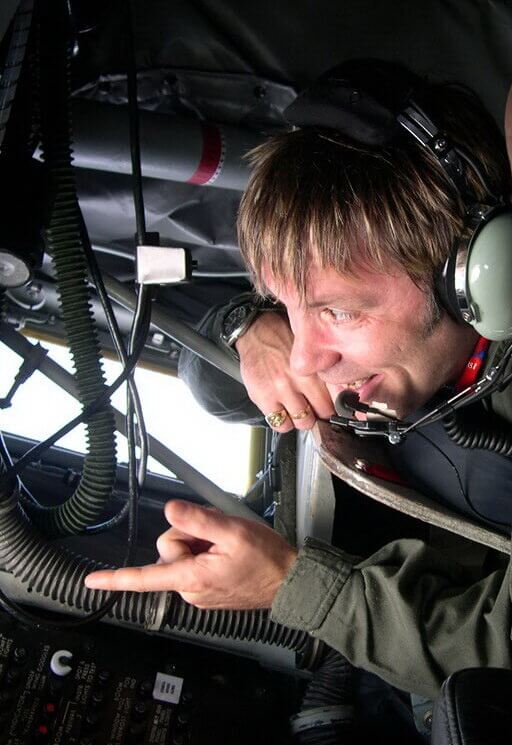
His reported net worth reflects decades of touring combined with savvy investments in the aerospace industry. Observers frequently note how seamlessly he balances dual careers, commanding crowds at night while managing complex aviation logistics during the daytime.
Gene Simmons, KISS, Rock & Brews, $400 Million
The iconic bass player built an unparalleled reputation for merchandising everything associated with his theatrical rock group. Moving beyond action figures and comic books, he co-founded a family-friendly restaurant chain that celebrates music history. These dining establishments feature concert lighting, rock-themed artwork, and extensive craft beer menus designed to attract both casual fans and food enthusiasts. Simmons actively participates in the expansion strategy, opening locations in airports and prominent entertainment districts.
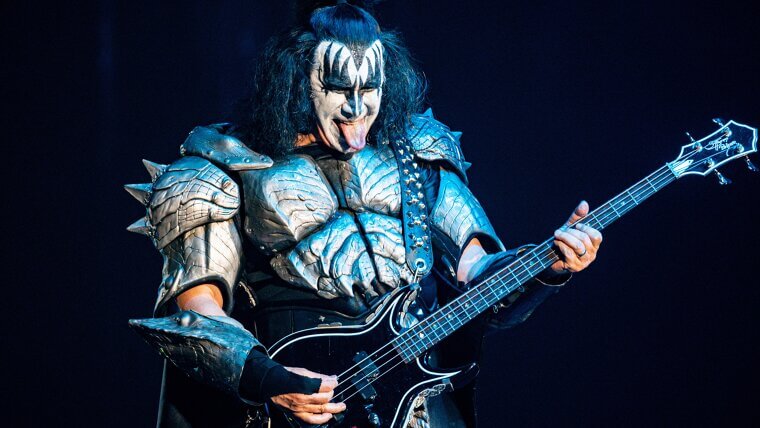
Reports suggest his vast fortune stems largely from relentless branding efforts and an unyielding entrepreneurial drive. His empire continues to grow as he explores new licensing opportunities, real estate investments, and lucrative corporate partnerships.
Maynard James Keenan, Tool, Caduceus Cellars, $60 Million
Renowned for his enigmatic stage presence and complex lyrical themes, this alternative metal vocalist found profound solace in the arid landscapes of northern Arizona. Keenan established a boutique winery that focuses on sustainable agricultural practices in a region many considered unsuitable for growing grapes. His dedication to viticulture is extensive, involving hands-on participation in everything from soil management to the harvesting process. The resulting wines have earned critical acclaim, drawing connoisseurs to his tasting rooms and elevating the profile of southwestern winemaking.
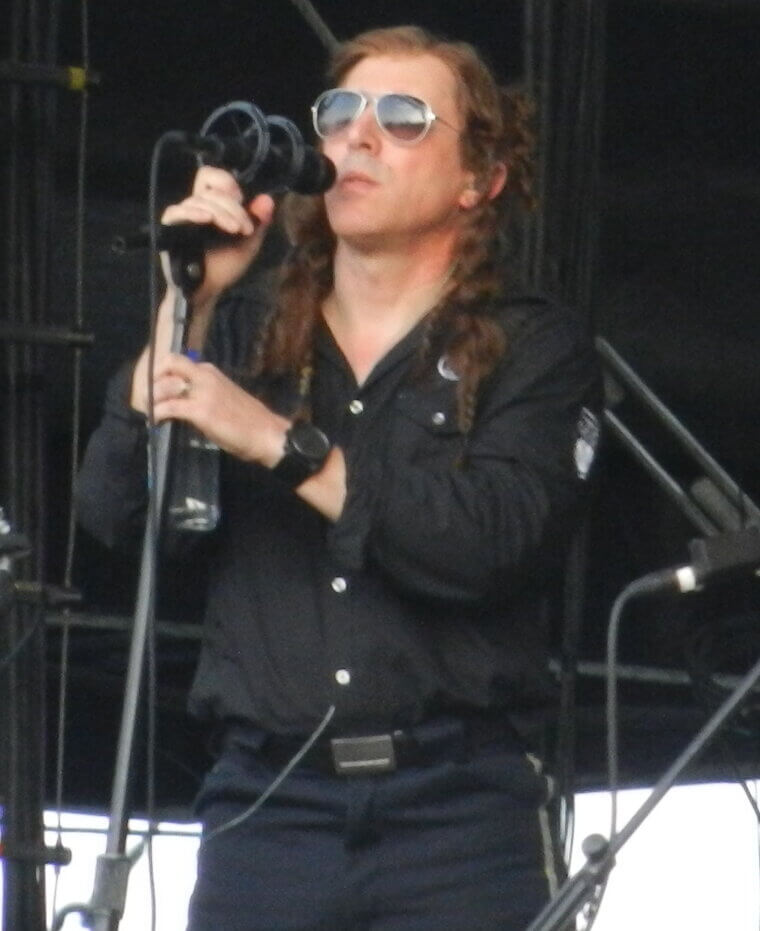
Industry experts praise his meticulous attention to detail, which reportedly mirrors the precision he applies to his musical composition. His thriving agricultural venture highlights a deep connection to nature and local commerce.
Alice Cooper, Alice Cooper Band, Alice Cooper's Town, $50 Million
Famed as the pioneer of theatrical shock rock, this charismatic entertainer channelled his larger-than-life persona into the hospitality sector. He launched a sports bar and restaurant in Phoenix that perfectly blended his love for athletics with his musical legacy. The venue became famous for its massive video screens, memorabilia-lined walls, and signature barbecue dishes, offering fans a unique dining environment. While the original physical location eventually closed its doors, the brand maintained a strong cultural footprint and paved the way for subsequent investments.
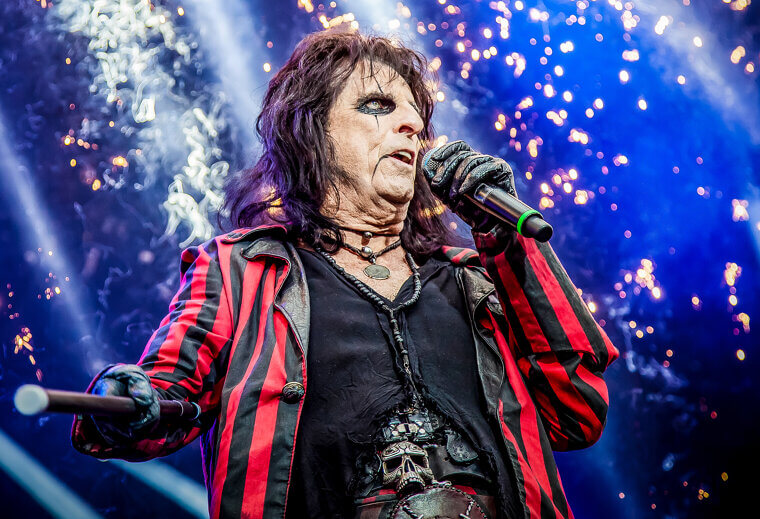
Cooper has also reportedly invested in various local businesses and maintained lucrative endorsement deals that bolster his financial portfolio. His transition from stage villain to beloved community entrepreneur remains highly celebrated.
Dexter Holland, The Offspring, Gringo Bandito Hot Sauce, $35 Million
While dominating the punk rock revival of the late nineties, this energetic singer cultivated a surprising passion for culinary experimentation. Holding a Ph.D. in molecular biology, Holland approached recipe development with scientific precision, spending years perfecting a custom condiment. He officially launched his hot sauce brand as a passion project, initially gifting bottles to friends and colleagues in the music industry. The product soon gained widespread popularity, finding its way onto supermarket shelves and becoming a staple in restaurants across the country.
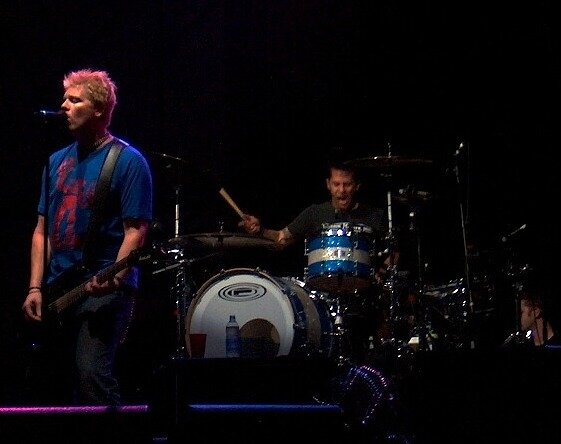
Reviews frequently highlight the balanced flavor profile, proving the venture is much more than a mere novelty item. The impressive revenue generated by this spicy enterprise adds a fascinating layer to his already successful career.
Joey Kramer, Aerosmith, Rockin' & Roastin' Coffee, $100 Million
The rhythmic backbone of Boston's most legendary rock ensemble channeled his daily caffeine requirement into a thriving organic business. Kramer grew frustrated with the poor quality of beverages available while touring, prompting him to source his own premium beans from sustainable farms. He launched a custom coffee brand that emphasizes environmentally friendly roasting methods and fair trade practices. The company rapidly secured partnerships with major grocery chains, prominent regional restaurants, and corporate offices seeking high-quality brews.
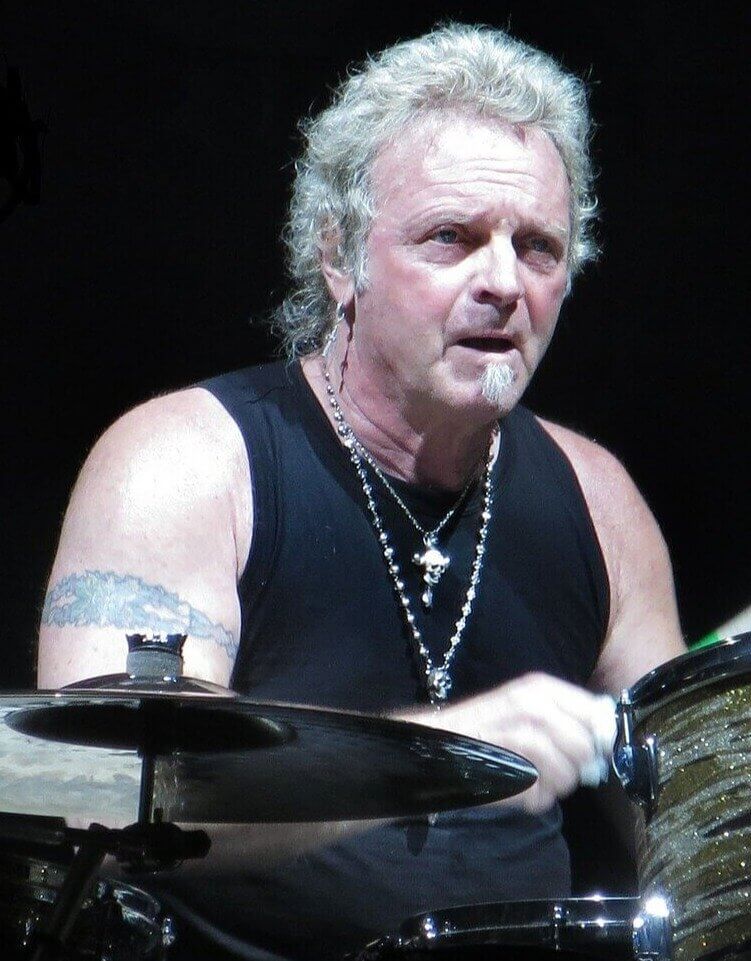
His reported wealth is significantly augmented by this venture, which actively promotes rainforest conservation through its supply chain. He frequently emphasizes that delivering a perfect cup requires the same dedication as executing a flawless drum solo.
Billy Corgan, Smashing Pumpkins, National Wrestling Alliance, $60 Million
Known for his visionary songwriting and distinctive voice, this alternative rock pioneer surprised many by stepping into the world of sports entertainment. Corgan acquired a legacy professional wrestling promotion, driven by a deep nostalgic appreciation for the sport's history and storytelling elements. He revitalized the brand by introducing modern production values while honoring its traditional studio wrestling roots. His leadership style reportedly involves meticulous oversight of storylines, talent acquisition, and broadcast distribution strategies.
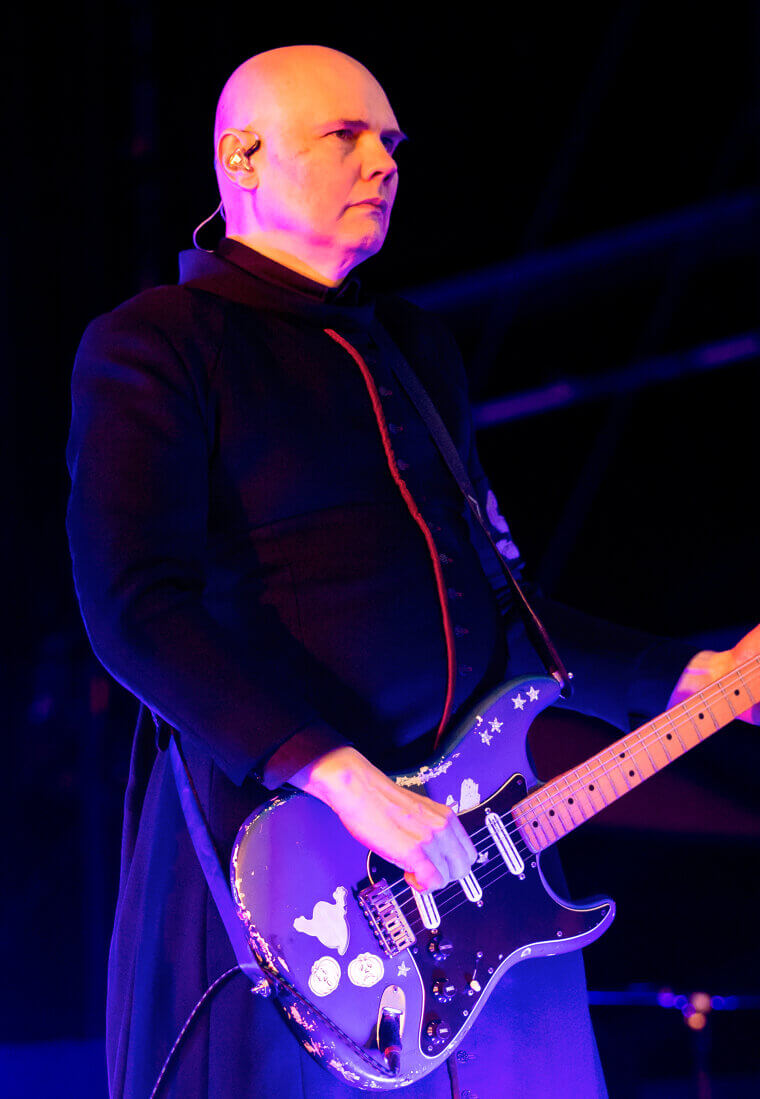
The organization now successfully produces regular episodic television and pay-per-view events, securing a dedicated global audience. This unique pivot showcases his capability to manage complex creative properties outside the conventional music industry landscape.
Perry Farrell, Jane's Addiction, Lollapalooza, $50 Million
This alternative rock visionary permanently altered the live music landscape when he conceived a unique touring festival meant to serve as a farewell run for his band. Farrell curated a diverse lineup that broke down genre barriers, mixing punk, hip-hop, and industrial acts on a single stage. The concept proved so incredibly successful that it transformed into an annual destination event, eventually anchoring itself permanently in Chicago. The festival brand later expanded internationally, establishing massive iterations in South America and Europe.
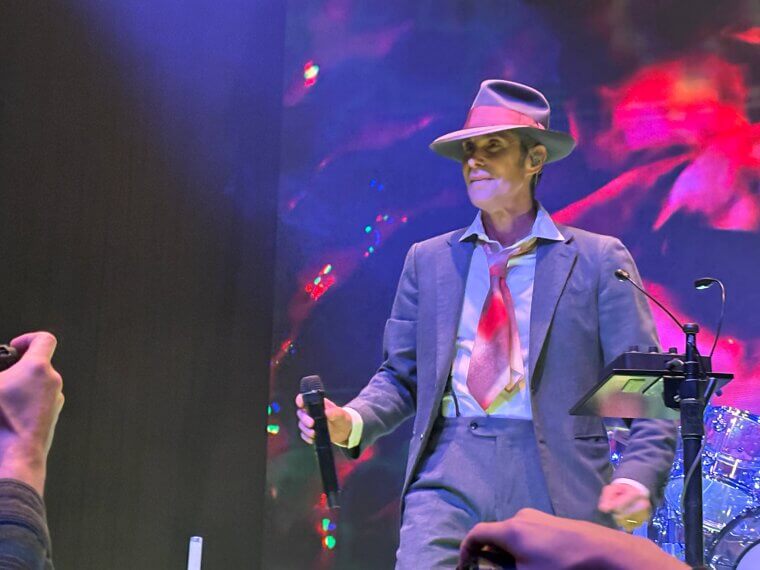
He reportedly retains a significant financial interest and creative input in the organization, which generates enormous economic impact for host cities. His innovative thinking established the modern blueprint for experiential music festivals.
Mike Dirnt, Green Day, Oakland Coffee Works, $60 Million
As the driving bass force behind a monumental pop-punk trio, this musician focused his off-stage efforts on environmental sustainability within the beverage industry. Teaming up with his bandmate, Dirnt co-founded a company dedicated to producing high-quality coffee packaged entirely in compostable materials. The venture addresses the massive ecological issue of single-use plastic waste, offering consumers a guilt-free morning routine. They successfully developed innovative packaging technology that breaks down safely, setting a new standard for eco-conscious manufacturing.
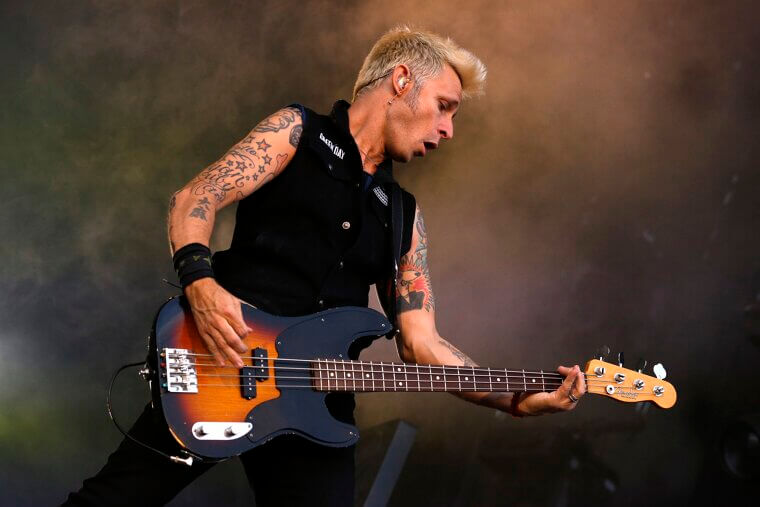
Financial analysts frequently note the brand's steady growth in a highly competitive market, driven by consumer demand for ethical products. His dedication to this cause demonstrates a practical approach to modern environmental activism.
Jack White, The White Stripes, Third Man Records, $60 Million
Celebrated for his raw guitar tone and devotion to analog recording, this blues-rock revivalist built a multi-faceted enterprise that honors vintage manufacturing. White established an independent record label headquartered in Nashville, complete with a public storefront, live venue, and direct-to-acetate recording booth. Expanding his vision, he opened a large-scale vinyl pressing plant in Detroit, actively combating the industry-wide manufacturing backlog. His facility emphasizes fair wages and environmentally conscious production methods while maintaining exquisite quality control.
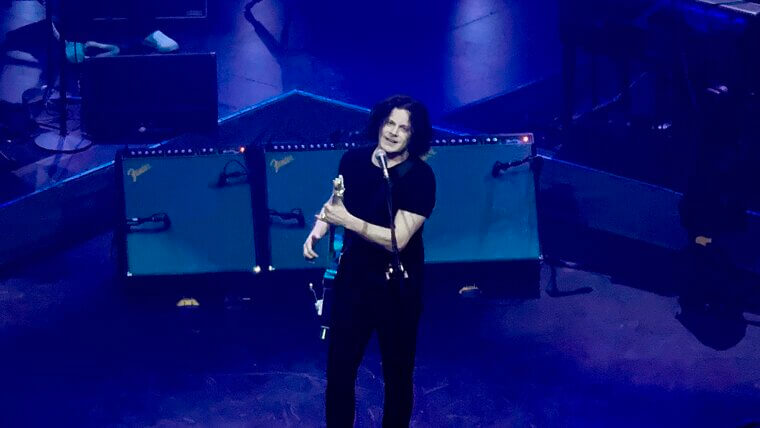
The operation also encompasses a publishing wing and a boutique guitar pedal line, making it a comprehensive hub for audio purists. His reported net worth reflects his status as a key protector of physical media in a digital age.
Zakk Wylde, Black Label Society, Wylde Audio, $16 Million
Instantly recognizable by his roaring guitar solos and signature bullseye instruments, this heavy metal icon decided to take full control of his gear production. Wylde launched his own manufacturing company designed to provide working musicians with high-quality, road-tested equipment at accessible prices. The product line includes uniquely shaped guitars, powerful amplification systems, and customized accessories tailored specifically for aggressive playing styles. By severing ties with traditional endorsement models, he assumed direct responsibility for research, development, and global distribution.
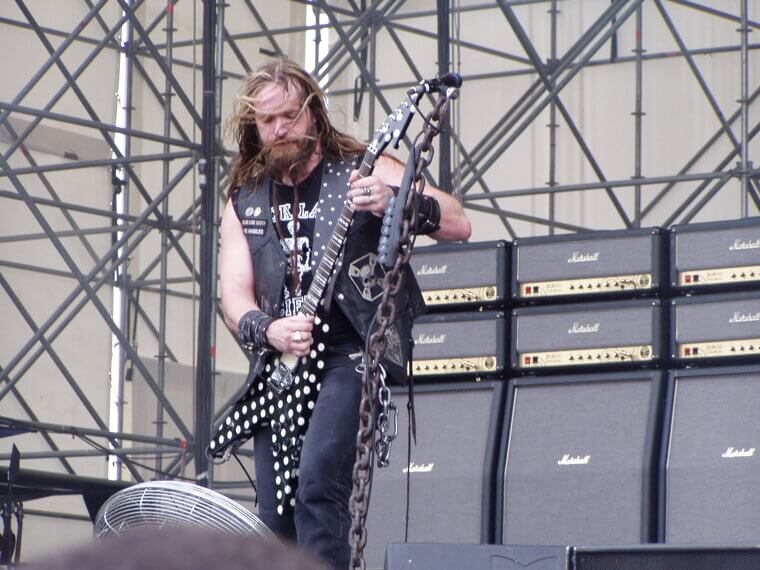
His hands-on involvement ensures every item meets his rigorous performance standards before reaching consumers. This bold business maneuver secured his financial independence while solidifying his influence over modern heavy metal gear.
Paul Stanley, KISS, Rock & Brews, $200 Million
Often referred to as the Starchild, this legendary frontman partnered with his bandmate to create a highly successful dining franchise that celebrates the golden era of live music. Stanley brings a keen eye for aesthetic detail to the business, influencing the architectural design and vibrant atmosphere of each restaurant location. The establishments are specifically crafted to offer an immersive, family-friendly experience, featuring elevated classic American cuisine and extensive craft beer selections.
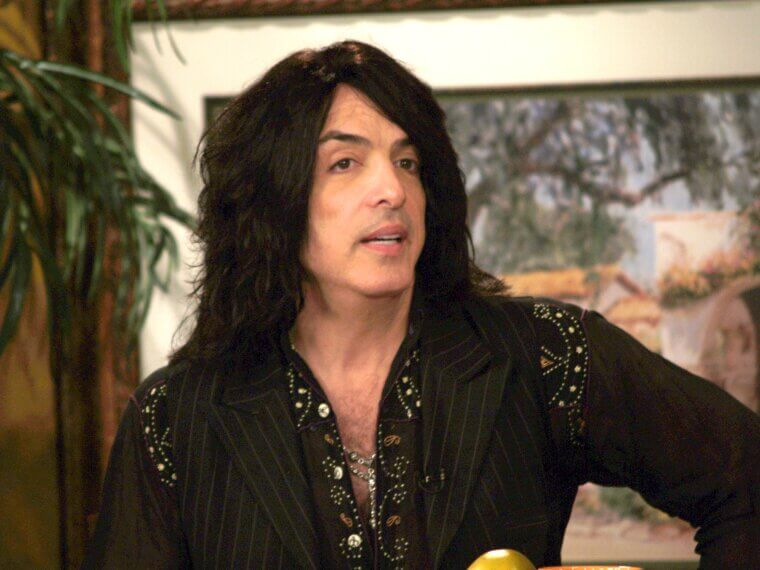
His sharp business instincts have reportedly guided the brand's steady expansion across numerous states and lucrative casino partnerships. Furthermore, he manages a profitable secondary career as an acclaimed visual artist, selling original paintings for significant sums in galleries nationwide. His multifaceted approach guarantees an ever-expanding financial empire.
Flea, Red Hot Chili Peppers, Silverlake Conservatory, $160 Million
The dynamic and wildly energetic bassist channeled his immense success into establishing a renowned educational institution in Los Angeles. Recognizing a severe lack of funding for public arts programs, he co-founded a non-profit conservatory dedicated to providing accessible music education to youth. To support the organization, he leverages his vast network to host exclusive, high-ticket charity galas featuring performances by global superstars. Beyond his philanthropic leadership, he briefly manufactured a specialized line of affordable bass guitars designed specifically for young beginners.
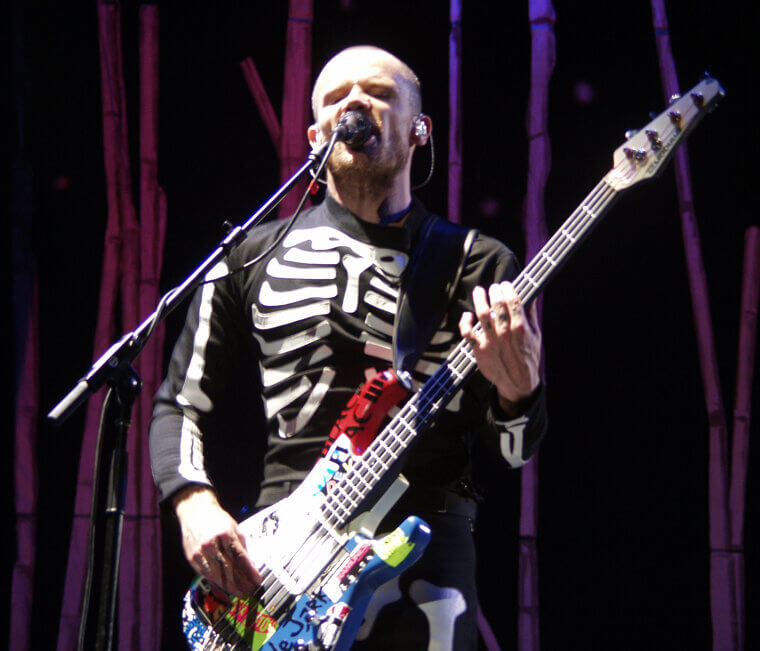
His substantial wealth allows him to continuously invest in community enrichment and real estate while maintaining a rigorous global touring schedule. His commitment ensures that future generations have the resources to explore their creative potential.
Brian May, Queen, London Stereoscopic Company, $210 Million
This legendary guitarist possesses a mind that operates seamlessly across the realms of stadium rock, astrophysics, and historical photography. May resurrected a Victorian-era visual publishing company, dedicating immense resources to the restoration and production of 3D images. He authored several meticulously researched books featuring stereoscopic photography, designing specialized viewing equipment to accompany the publications. His academic background, having earned a Ph.D. in astrophysics, frequently intersects with his publishing ventures, resulting in unique visual explorations of space exploration.
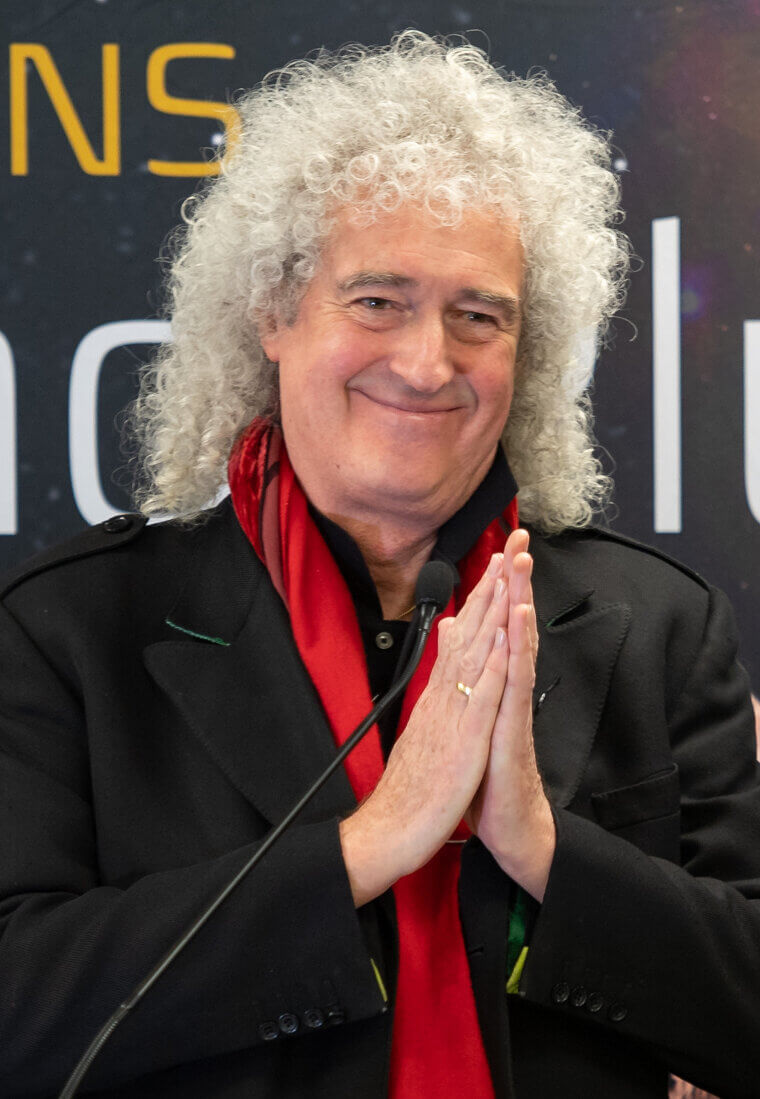
The commercial success of these specialized historical texts adds a fascinating dimension to his already massive wealth from decades of music royalty earnings. His meticulous preservation work offers modern audiences a vivid glimpse into forgotten historical eras.
John Dolmayan, System of a Down, Torpedo Comics, $16 Million
While anchoring the frenetic rhythm section of a highly influential alternative metal band, this drummer quietly built one of the premier collectibles businesses in the country. Dolmayan opened a massive retail space in Las Vegas dedicated to high-end comic books, vintage toys, and rare pop culture memorabilia. His expertise in grading and appraising rare issues helped establish the store as a trusted destination for serious collectors worldwide. The business routinely handles transactions involving incredibly scarce, historic comic book editions worth hundreds of thousands of dollars.
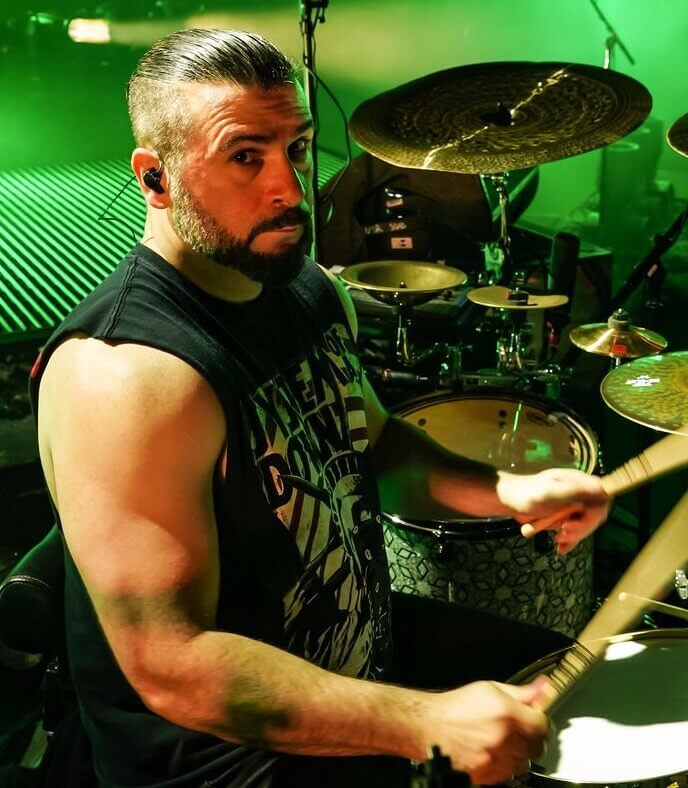
He reportedly applied the discipline required for complex musical arrangements to the meticulous cataloging and authentication processes of his inventory. This successful retail operation firmly establishes him as a major player in the global collectibles market.
Marky Ramone, Ramones, Brooklyn's Own Pasta Sauce, $2 Million
Holding down the beat for the foundational founders of New York punk rock, this veteran musician turned a cherished family tradition into a commercial culinary venture. Ramone introduced a line of premium pasta sauces based entirely on his grandfather's authentic Italian recipes. Refusing to cut corners, he ensures the product is manufactured in small batches using high-quality ingredients, completely free of artificial preservatives. A portion of the proceeds from every jar sold is reportedly directed toward charitable organizations supporting musicians in need and autism research.
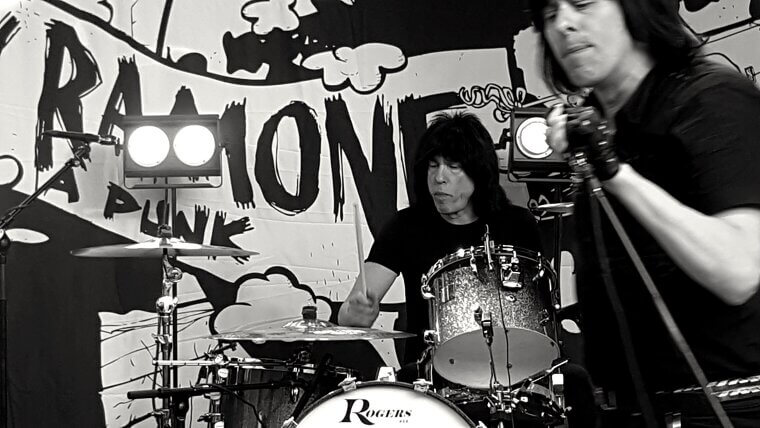
The sauce enjoys strong regional sales and steady online demand, proving that authenticity resonates deeply with consumers. His dedication to preserving his heritage provides a savory second act to his legendary career.
Dave Mustaine, Megadeth, Mustaine Vineyards, $20 Million
The brilliant architect of thrash metal's most intricate riffs found a surprising sense of harmony in the meticulous craft of winemaking. Mustaine partnered with established viticulturists in Southern California to produce a series of highly rated, limited-edition wines. He actively participates in the blending process, striving to create robust flavor profiles that reflect his intense and uncompromising artistic vision. The initial product launches reportedly sold out within hours, demonstrating the formidable purchasing power of his dedicated global fan base.
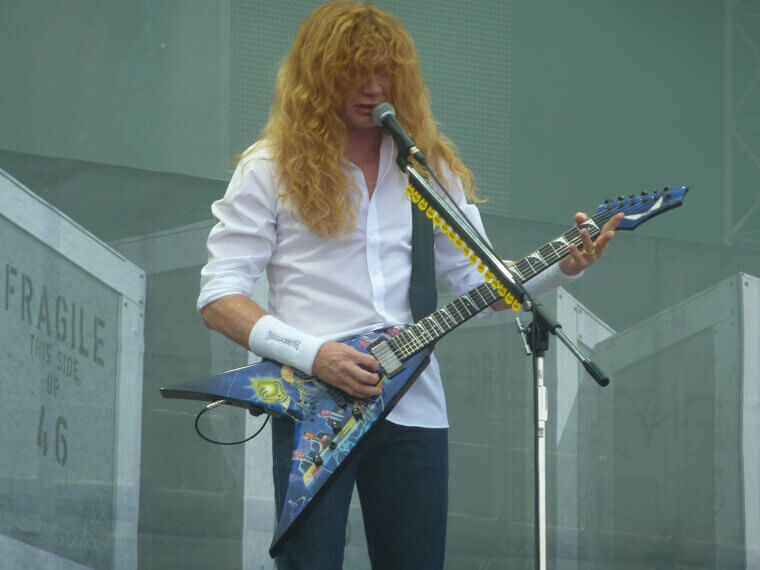
He later expanded the operation to include craft beer collaborations, further broadening his footprint in the competitive artisan beverage market. His successful agricultural ventures highlight a sophisticated palate and a sharp understanding of boutique branding.
Charlie Benante, Anthrax, Benante's Blend Coffee, $3 Million
As the primary songwriter and rhythmic powerhouse behind one of thrash metal's defining acts, this talented artist applied his intense focus to the specialty coffee market. Benante partnered with artisan roasters to develop customized flavor profiles that match his precise daily requirements for touring and recording. The product line includes distinct roasts tailored for different times of the day, carefully packaged with artwork he personally designed. The business relies on a direct-to-consumer digital model, cultivating a loyal customer base drawn to the reliable quality and distinctive branding.
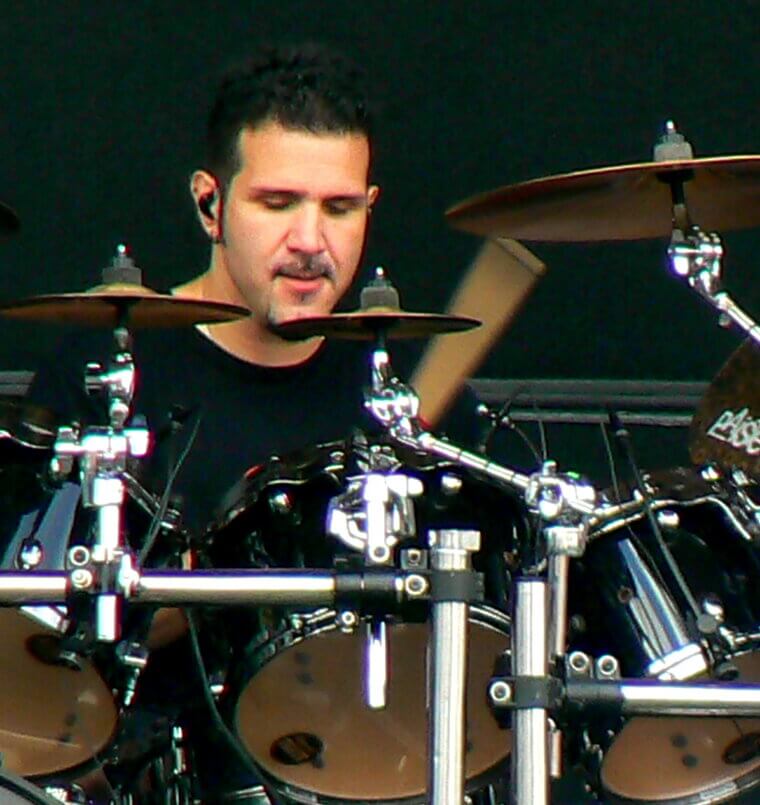
He frequently interacts with fans regarding the brewing process, creating a vibrant community around the product. His methodical approach to quality control ensures his brand stands out in a crowded marketplace.
M. Shadows, Avenged Sevenfold, Deathbats Club, $20 Million
Leading a modern heavy metal juggernaut, this forward-thinking vocalist recognized the untapped potential of emerging digital technologies for fan engagement. Shadows spearheaded the launch of an exclusive digital community centered around blockchain technology and unique digital collectibles. Purchasing a membership grants fans unprecedented access to the band, including exclusive merchandise, priority ticketing, and private events. He actively studies digital market trends, ensuring the project provides tangible, long-term utility rather than acting as a simple novelty.
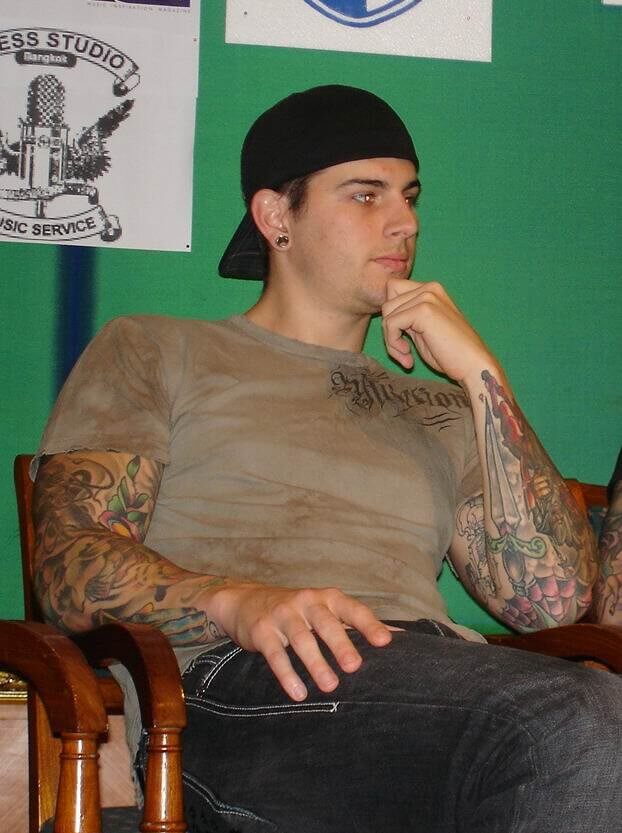
The initiative reportedly generated significant initial revenue while fundamentally changing how the group interacts with their most dedicated supporters. His strategic embrace of this technology positions him at the forefront of the evolving modern music industry.
Roger Daltrey, The Who, Lakedown Brewing, $90 Million
The iconic voice behind some of rock's most monumental anthems sought refuge from the chaotic touring lifestyle in the serene English countryside. Daltrey originally designed and constructed a sprawling trout farm, meticulously managing the aquatic ecosystem to provide a tranquil fishing retreat. Decades later, his family expanded the estate's operations by launching an independent microbrewery situated directly on the picturesque grounds. The brand focuses on traditional, unpretentious craft beers designed specifically to be enjoyed in rural pub settings.
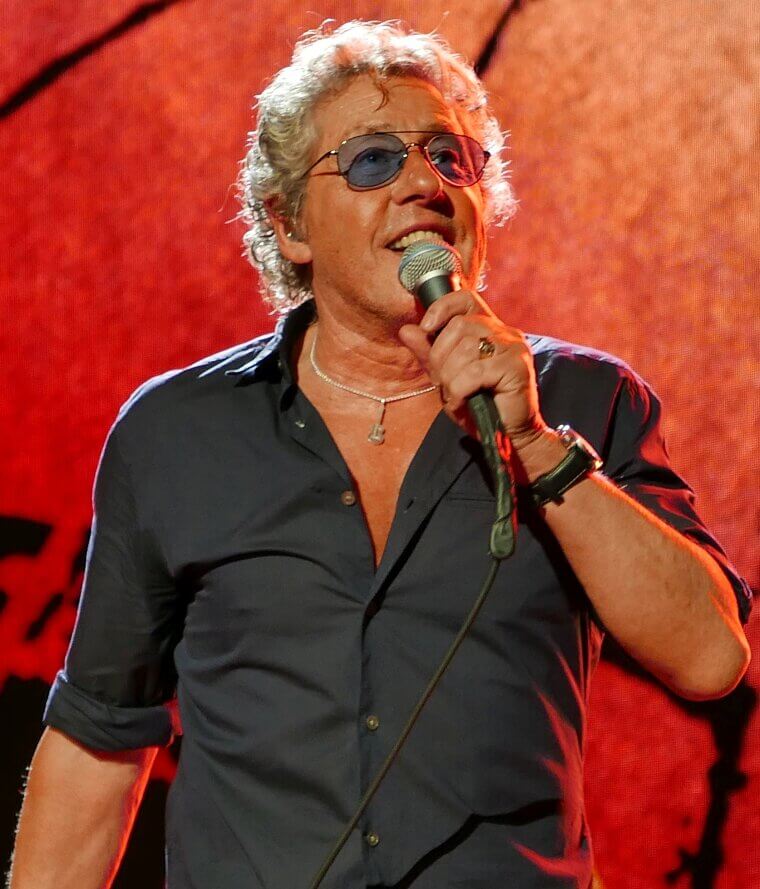
The brewery has reportedly seen strong regional growth, securing distribution across numerous establishments in the United Kingdom. His successful rural enterprise reflects a deep appreciation for nature and traditional community gathering spaces.
Mick Jagger, The Rolling Stones, Jagged Films, $500 Million
The globally recognized frontman of rock's longest-running stadium act expanded his creative reach far beyond music by establishing a prominent motion picture production company. Jagger sought to develop compelling historical narratives and music-centric documentaries that major studios often overlooked. His firm successfully produced critically acclaimed biopics and dynamic television series, leveraging his vast industry connections to secure top-tier talent. He reportedly plays a highly active role in script development and financial structuring, applying the same sharp instincts that managed his band's legendary tours.
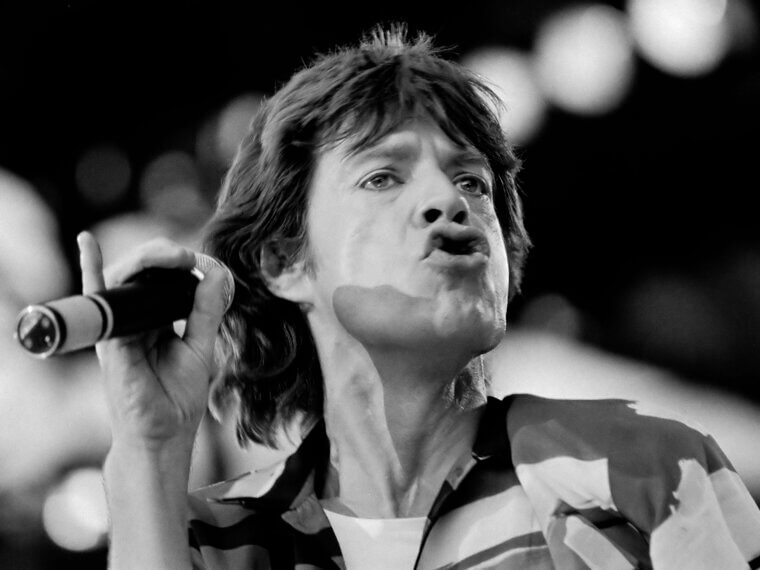
The resulting film projects have garnered prestigious awards and significant box office returns, substantially increasing his immense fortune. His successful foray into Hollywood proves his storytelling abilities translate seamlessly to the silver screen.
Paul McCartney, The Beatles, MPL Communications, $1.2 Billion
As one half of the most successful songwriting partnership in history, this legendary artist foresaw the immense value of music publishing rights long before his peers. McCartney established a formidable corporate entity designed to acquire and manage the copyrights of classic songs across multiple genres. Over the decades, the company systematically purchased the rights to legendary theatrical scores, pioneering rock and roll catalogs, and holiday standards. The firm reportedly controls tens of thousands of lucrative copyrights, ensuring a constant stream of passive income through global licensing agreements.
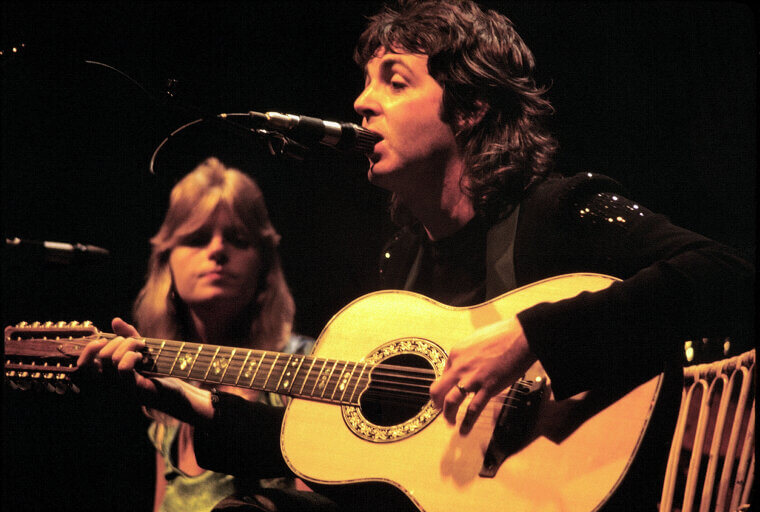
His brilliant foresight to own intellectual property transformed him into a billionaire and established a standard for artists seeking financial sovereignty. This towering business empire remains one of the most powerful independent publishing houses in the world.
Bono, U2, Elevation Partners, $700 Million
The impassioned lead singer of an arena rock powerhouse applied his global perspective to the high-stakes world of private equity and venture capital. Bono co-founded an investment firm specifically targeting media, entertainment, and technology companies poised for massive growth. The group famously made a substantial early investment in a prominent social media network, a move that yielded extraordinary historical returns. He reportedly utilizes his extensive diplomatic and business networks to identify emerging trends and secure advantageous market positions.
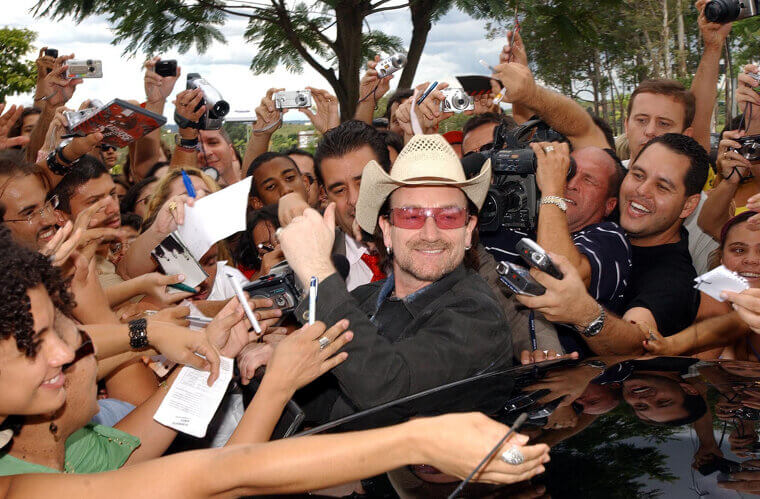
While his philanthropic work remains his public focus, his sophisticated financial maneuvers behind the scenes have quietly built a massive personal fortune. His ability to navigate complex global markets matches his talent for crafting stadium-filling anthems.
Dave Grohl, Foo Fighters, Studio 606, $320 Million
Universally regarded as one of the most hardworking individuals in the industry, this multi-instrumentalist established a formidable creative headquarters in Southern California. Grohl constructed a state-of-the-art recording facility built around a legendary, custom-designed analog mixing console rescued from a famous defunct studio. This hub serves not only as the primary workplace for his own musical projects but also operates as a thriving commercial studio for other high-profile artists.
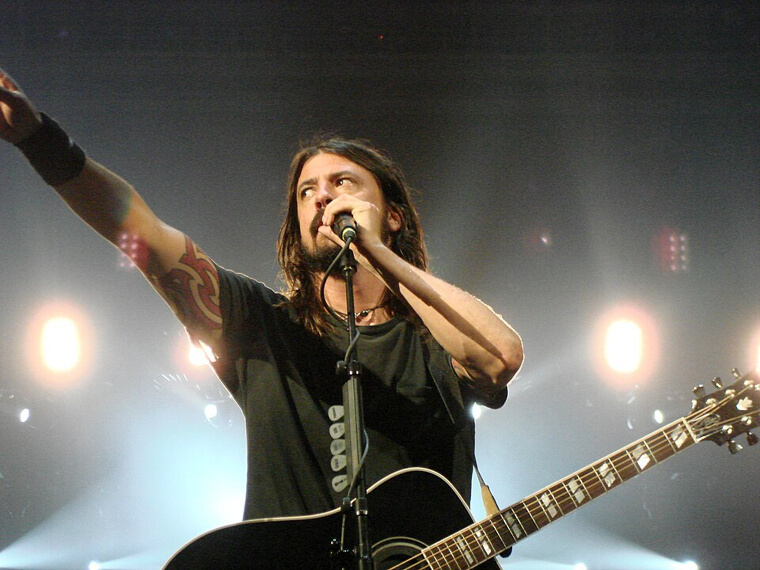
Furthermore, he established a specialized film production wing that creates critically acclaimed music documentaries and television series. His reported wealth is bolstered by these continuous creative outputs and the consistent utilization of his elite production facilities. The enterprise reflects his deep commitment to preserving recording history while fostering new artistic endeavors.
Shawn Crahan, Slipknot, No. 9 Whiskey, $20 Million
The visually striking percussionist and primary artistic director for a groundbreaking metal ensemble expanded his creative vision into the premium spirits industry. Crahan collaborated intimately with a respected midwestern distillery to develop a custom blended whiskey that reflects his home state's agricultural heritage. He reportedly tested numerous iterations of the spirit, insisting on a precise mixture of locally sourced corn and rye that delivers a robust, distinctive flavor. The product achieved massive commercial success, frequently selling out limited batch runs and securing distribution in major international markets.
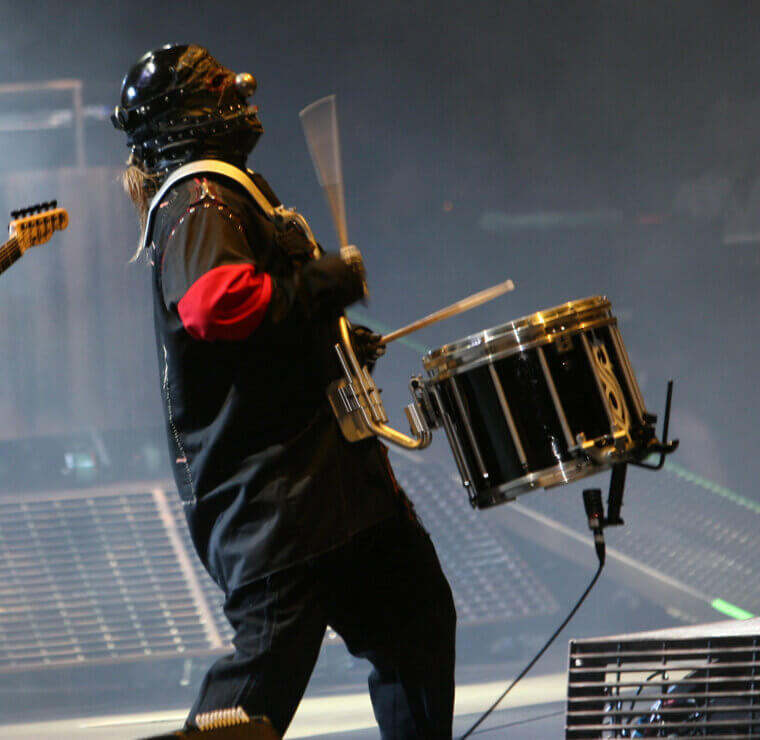
In addition to his liquor venture, he manages a profitable multimedia production company handling music videos and visual art. His calculated approach to branding proves his talents extend far beyond aggressive stage performances.
Lars Ulrich, Metallica, Art Collection Investment, $350 Million
The outspoken and fiercely determined drummer for heavy metal's biggest franchise utilized his substantial royalty earnings to become a formidable player in the fine art market. Ulrich spent decades cultivating a profound knowledge of contemporary and neo-expressionist painters, quietly assembling a world-class private collection. He famously auctioned a single masterpiece for tens of millions of dollars, highlighting the incredible appreciation of his early acquisitions. Financial observers frequently praise his sophisticated timing in buying and selling pieces, operating with the acumen of a seasoned gallery director.
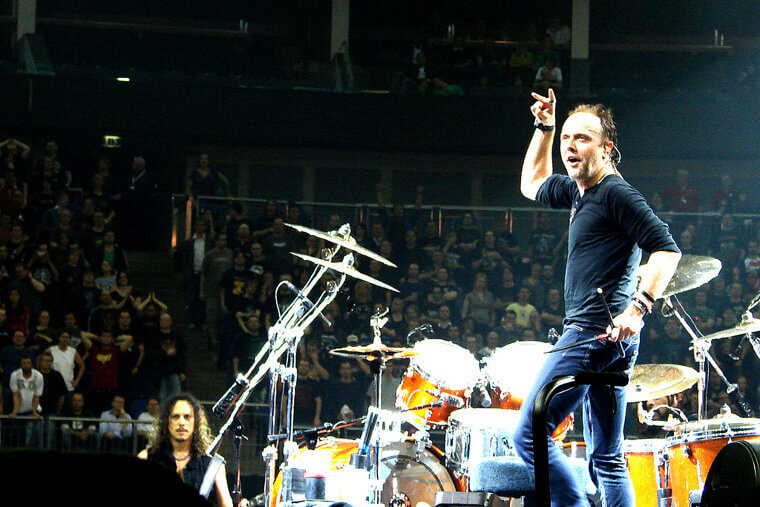
His reported wealth is significantly anchored by these tangible assets and a series of shrewd commercial real estate investments. This elegant financial strategy stands in fascinating contrast to the aggressive music that initially made him famous.
Rob Zombie, White Zombie, Film Production Company, $50 Million
Seamlessly blending industrial metal with a deep obsession for classic horror, this unique artist completely reinvented himself as a successful cinematic director. Zombie established his own production infrastructure to maintain total creative control over his terrifying visual narratives. He writes, directs, and frequently scores his own feature films, which range from brutal original stories to highly successful reboots of legendary franchises. His movies reliably generate substantial box office returns against relatively modest budgets, making him a highly profitable independent filmmaker.
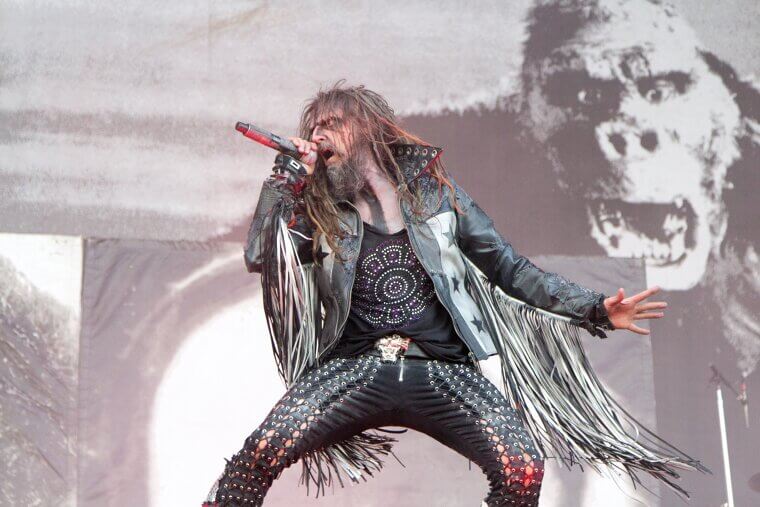
The reported financial success of his cinematic universe perfectly complements his continuous arena touring and merchandise sales. His dual career serves as a masterclass in utilizing a distinct personal aesthetic across multiple entertainment mediums.
Ozzy Osbourne, Black Sabbath, Ozzfest, $220 Million
The original prince of heavy metal darkness completely revolutionized the summer concert season by launching a highly curated, genre-specific touring festival. Alongside his formidable manager and spouse, Osbourne created an annual traveling spectacle that served as a massive launching pad for countless emerging hard rock bands. The festival practically monopolized the heavy music touring market for over a decade, generating astronomical revenue through ticket sales, sponsorships, and exclusive merchandise.
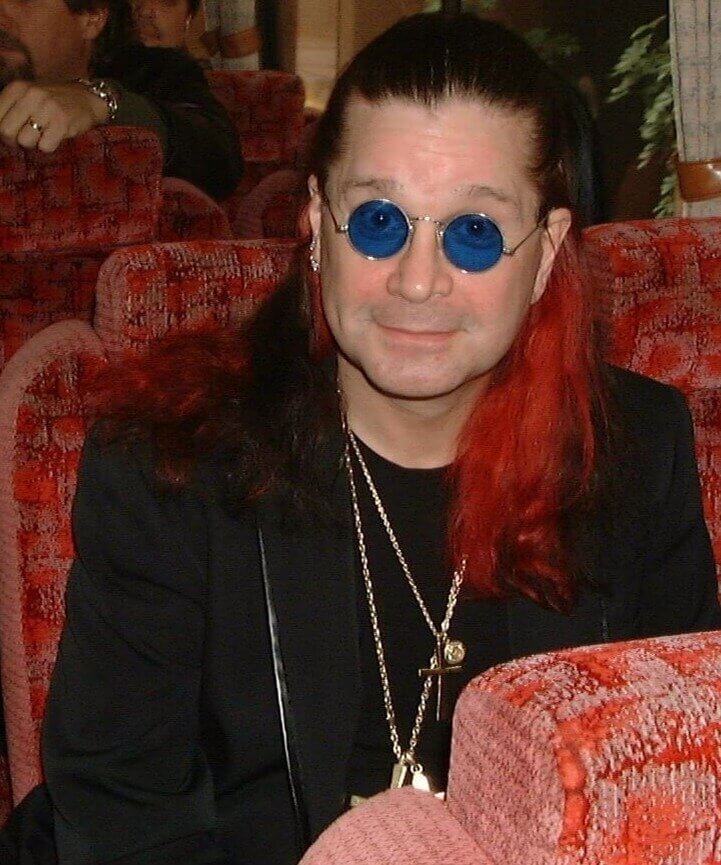
He reportedly earned significantly more from organizing these massive outdoor events than from many of his standard album releases. The brand occasionally returns for specialized destination weekends, maintaining its powerful legacy in the industry. This brilliant commercial endeavor solidified his status as a permanent cultural institution.
Trent Reznor, Nine Inch Nails, Beats Music, $85 Million
Renowned for his meticulous industrial soundscapes and technological innovations, this brilliant composer played a crucial, behind-the-scenes role in modernizing digital music consumption. Reznor served as the chief creative officer for a major streaming platform, applying his deep understanding of listener habits to design intuitive curation algorithms. His efforts helped build the foundation for a service that was eventually acquired by a massive global technology conglomerate in a historic multi-billion dollar deal.
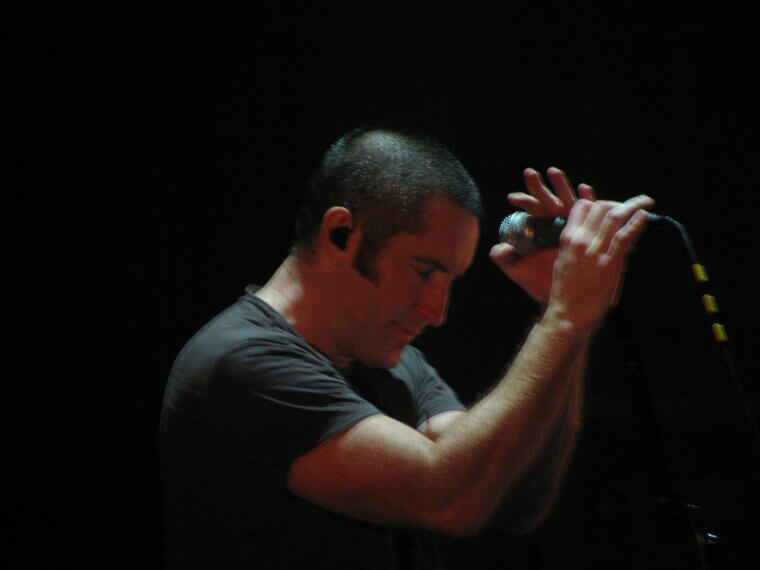
He reportedly transitioned into an executive role at the parent company, continuing to shape how millions of users discover and interact with audio content globally. His significant financial compensation from this corporate venture underscores his status as a brilliant industry forward-thinker. He perfectly balanced corporate innovation with his ongoing, award-winning film scoring career.
Jon Bon Jovi, Bon Jovi, Soul Kitchen & Arena Football, $410 Million
The charismatic voice behind numerous diamond-selling rock anthems demonstrated exceptional business versatility by venturing into professional sports ownership and innovative philanthropy. Bon Jovi served as the founder and primary owner of a highly successful arena football franchise in Philadelphia, steering the team to a championship victory. He reportedly managed the organization with intense dedication, boosting local economies and increasing the league's national visibility before eventually selling his majority stake.
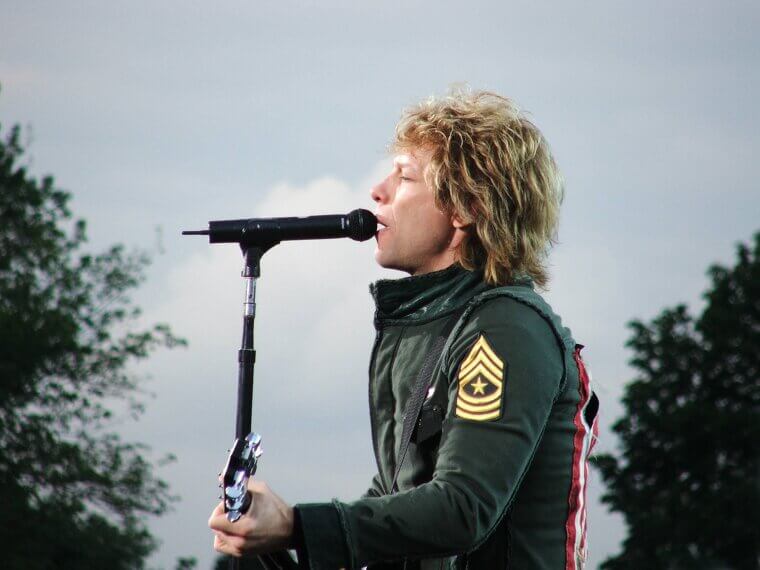
Concurrently, he established a network of non-profit community restaurants operating on a unique 'pay-what-you-can' model, feeding thousands of individuals in need. His immense reported wealth allows him to continuously fund these expansive philanthropic efforts while maintaining a lucrative global touring schedule. His diverse portfolio highlights a commitment to both civic engagement and strategic commercial investments.
Alex James, Blur, Artisan Cheese Farm, $25 Million
After defining the britpop era with his swaggering bass lines, this talented musician traded crowded urban recording studios for the quiet pastures of the English countryside. James purchased a massive, historic farm and transformed it into an award-winning artisan cheese production facility. He dedicated years to studying traditional dairy farming techniques, eventually creating several unique varieties that received prestigious international culinary awards. The products are now heavily featured in high-end grocery stores and upscale restaurants, proving the venture is a highly respected culinary enterprise.
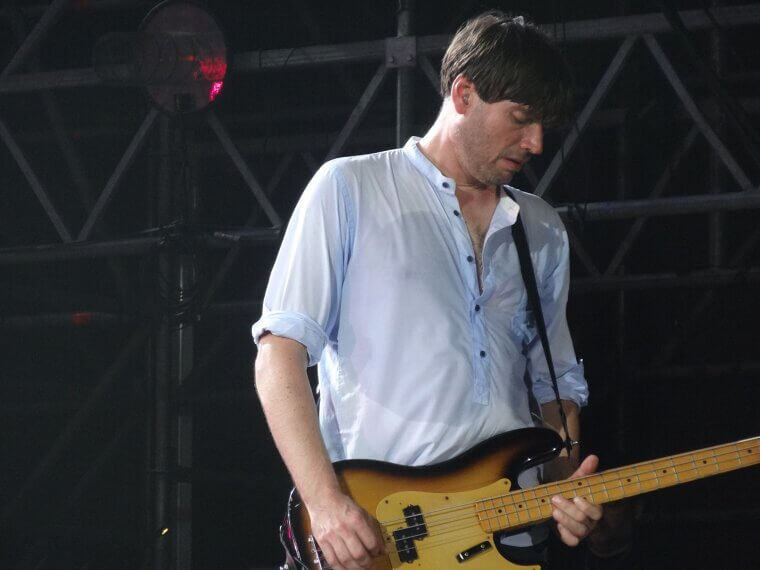
He reportedly hosts an annual food and music festival on the property, brilliantly merging his two distinct professional passions into a profitable event. This fascinating career pivot showcases his remarkable adaptability and dedication to traditional craftsmanship.
Vinnie Paul, Pantera, The Clubhouse, $6 Million
The thunderous, groove-metal drummer was renowned for his larger-than-life personality and deep appreciation for unrestrained entertainment. Paul utilized his resources to open a sprawling adult entertainment venue in Dallas that quickly became a legendary hotspot for traveling musicians and local celebrities. The establishment was meticulously designed to prioritize premium hospitality, featuring an upscale dining menu, exclusive VIP areas, and constant appearances by famous rock stars. He reportedly took a highly active role in the daily management, ensuring the atmosphere consistently reflected his famously generous and welcoming spirit.
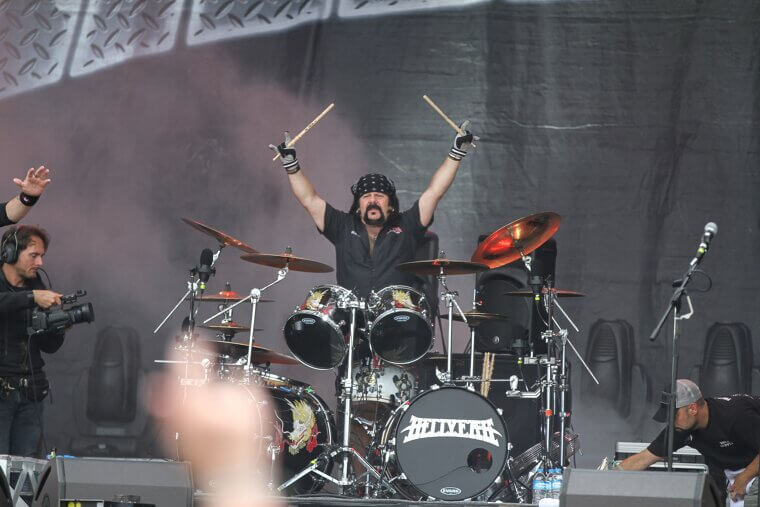
The venue operated successfully for many years, providing a steady stream of income outside of his rigorous touring commitments. His business legacy remains affectionately remembered by peers across the music industry.
Jimmy Buffett, Coral Reefer Band, Margaritaville, $1 Billion
This beloved singer-songwriter transformed a simple, breezy acoustic tune about coastal escapism into an absolute behemoth of a corporate empire. Buffett systematically built a global lifestyle brand encompassing massive destination resorts, bustling casinos, retirement communities, and endless lines of tropical merchandise. He fiercely protected his intellectual property, ensuring every restaurant and hotel perfectly captured his signature relaxed, island-themed aesthetic. The enterprise reportedly generates massive annual revenues, permanently elevating his status to the exclusive ranks of billionaire entertainers.
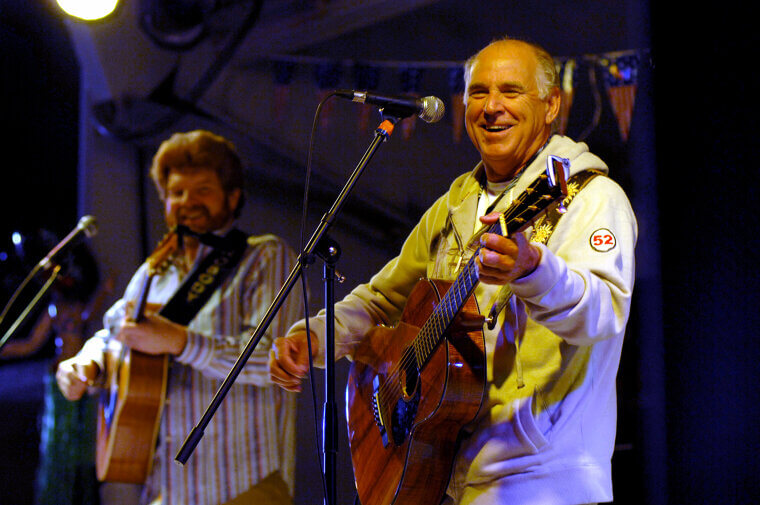
His brilliant strategy involved selling an experiential mindset rather than just standard musical products, capturing a dedicated consumer base seeking perpetual vacation vibes. His towering legacy stands as the ultimate triumph of musical branding and visionary leisure hospitality.
David Bowie, David Bowie, BowieBonds, $230 Million
The ultimate musical chameleon and fashion icon proved to be equally visionary when navigating the complex world of modern high finance. Bowie shocked the traditional banking sector by issuing asset-backed securities that were entirely tied to the future royalty earnings of his extensive classic catalog. These innovative financial instruments allowed him to immediately secure massive capital, which he reportedly used to buy back ownership rights from his former management.
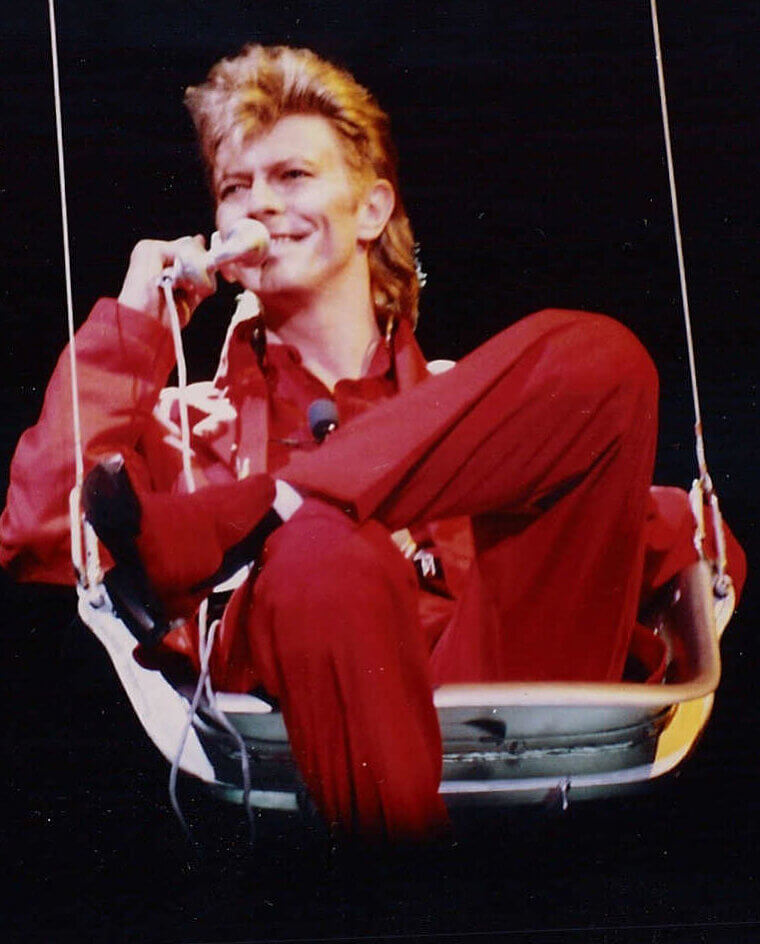
The move was widely heralded as a stroke of sheer genius, fundamentally altering how intellectual property could be leveraged by individual creators. Financial experts frequently cite this maneuver as the precursor to the modern explosion of catalog acquisitions. His staggering commercial intellect ensured his artistic legacy remained fiercely protected and remarkably profitable.