
Welcome to a journey through rock history's darkest corners! We are exploring cursed albums surrounded by eerie coincidences, tragic events, and unexplained phenomena. Dive into these bizarre tales that will send shivers down your spine. Read on if you dare!
Black Sabbath, Sabbath Bloody Sabbath, 1973, Haunted Castle Encounters
The pioneering heavy metal band decided to record their 5th album in the supposedly haunted Clearwell Castle in England. Members reportedly witnessed a cloaked figure walking down the ancient corridors, only for the mysterious entity to vanish into thin air. This eerie environment profoundly impacted their writing process, resulting in some of their darkest and most menacing riffs. Equipment would allegedly malfunction without warning, and chilling drafts swept through the rehearsal spaces.
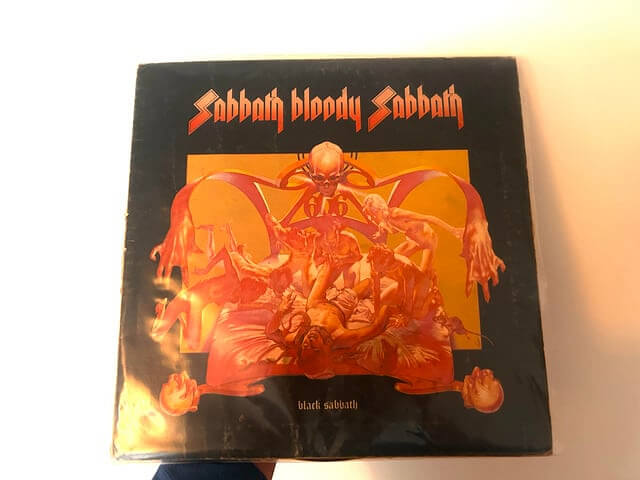
Guitarist Tony Iommi felt an overwhelming sense of dread, forcing everyone to sleep in the same room. Ultimately, the bizarre atmosphere helped them break through a severe creative block, yielding a legendary release that still unnerves listeners today.
Led Zeppelin, Presence, 1976, Severe Car Crash And Studio Misfortune
During the recording sessions in Munich, the legendary rock act faced monumental hurdles that nearly derailed their entire career. The lead vocalist had recently suffered a devastating car crash, leaving him confined to a wheelchair for the duration of the studio tracking. Working under extreme time constraints, the group was forced to rush the creative process, leading to incredibly tense interactions among the musicians. Bizarre electrical anomalies reportedly plagued the control room, causing severe delays and frustrating the seasoned producers.

The overwhelming pressure fostered a surprisingly heavy and urgent sound that differed vastly from their previous acoustic endeavors. Despite the grim circumstances surrounding its creation, the resulting tracks became beloved staples in their extensive catalog.
The Allman Brothers Band, Eat a Peach, 1972, Back To Back Motorcycle Fatalities
Tragedy struck this iconic southern rock group just as they were reaching the pinnacle of their mainstream success. Their visionary slide guitarist lost his life in a devastating motorcycle crash midway through the production process. The remaining members were forced to channel their immense grief into the remaining tracks, recording some of their most emotional and sprawling compositions. In a bizarre twist of fate, their bassist would suffer a fatally similar motorcycle accident just 1 year later, merely 3 blocks away from the original site.
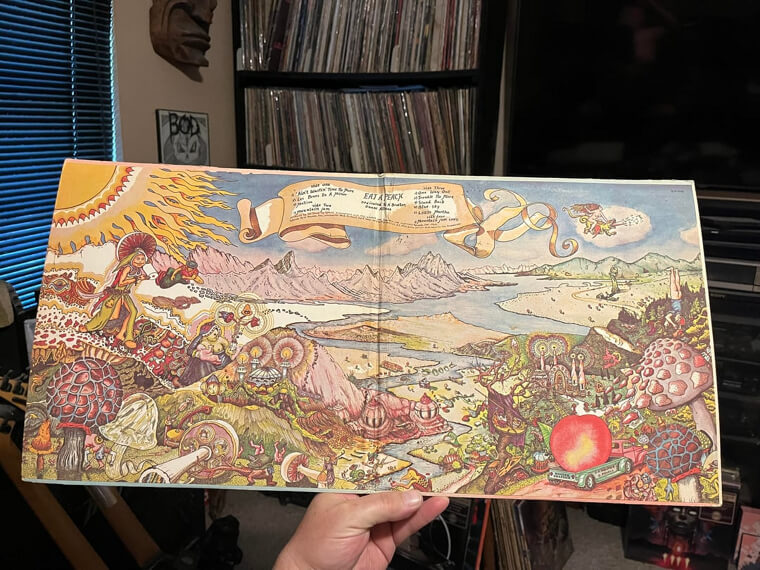
Fans have long speculated that a dark cloud hung over the sessions, casting a permanent shadow on the musical legacy they were actively building. The sheer sorrow embedded in the grooves remains palpable to this day.
Lynyrd Skynyrd, Street Survivors, 1977, Devastating Plane Crash Days After Release
Just 3 days following the release of this highly anticipated record, an unimaginable disaster struck the touring musicians. The chartered aircraft carrying the group ran out of fuel and crashed into a densely forested area, claiming the lives of the frontman, a newly added guitarist, and a backup vocalist. The original album artwork depicted the musicians standing defiantly engulfed in flames, which was immediately recalled and altered out of respect for the grieving families.
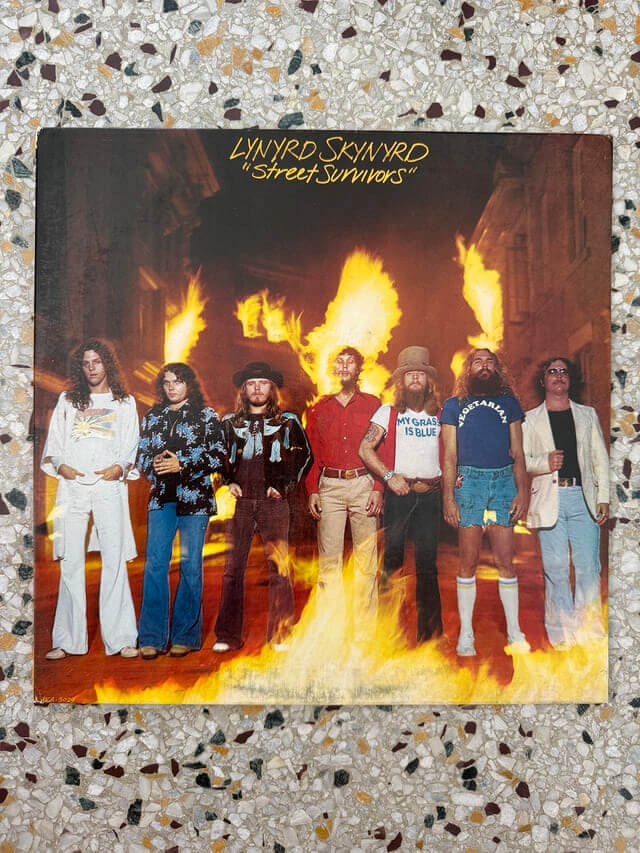
Eerily, the lyrics on several tracks seemingly foreshadowed a dark and sudden demise. This catastrophic event permanently altered the landscape of southern rock, leaving behind a haunting final masterpiece that fans continue to analyze for hidden warnings.
AC/DC, Back in Black, 1980, Sudden Passing Of Lead Singer And Severe Storms
While working on their highly anticipated comeback, the influential hard rock outfit experienced a staggering loss when their charismatic frontman passed away unexpectedly. Choosing to persevere rather than disband, they relocated to the Bahamas to lay down new vocal tracks with a recently recruited singer. The tropical recording studio was allegedly battered by relentless, violent thunderstorms that constantly disrupted the electrical grid and halted production. These chaotic weather patterns purportedly inspired the massive, thunderous opening riffs of the title track.
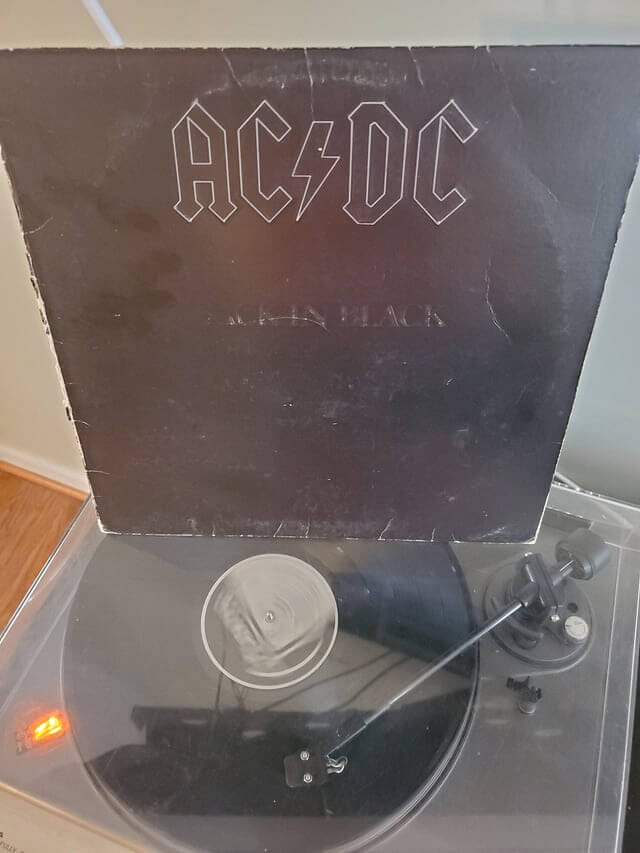
Surmounting the devastating loss and the hostile environment, they managed to craft one of the highest selling records in history. The sheer willpower required to finish the project cemented their enduring legacy in the music industry.
Slipknot, Iowa, 2001, Paranormal Events And Severe Physical Injuries
Paranormal encounters allegedly plagued the metal act when they chose a notorious mansion in the hills to record their sophomore effort. The musicians experienced unexplained temperature drops, doors slamming shut on their own, and strange whispers caught on the unmixed tape reels. Pushed to their physical limits, several members suffered severe injuries during the tracking process, including broken ribs and severe vocal cord strain. The chaotic atmosphere fueled an unhinged aggression that translated directly into the ferocious final mix.

Dark personal demons and rampant substance issues further fractured the internal dynamic, making the completion of the project a grueling endurance test. Miraculously, the overwhelming darkness birthed a landmark achievement in modern extreme music.
The Who, Who Are You, 1978, Eerie Album Cover Coincidences And Tragic Loss
Fans noticed an unsettling detail on the cover art weeks after the chaotic drummer unexpectedly passed away. He was photographed sitting backward in a chair stenciled with the words 'Not to be taken away,' which struck many as a grim, unintended prophecy. The recording sessions were notoriously disjointed, characterized by massive delays, erratic behavior, and intense internal squabbling over musical direction. Instruments would reportedly malfunction right before perfect takes, adding to the immense frustration in the control room.

The final product arrived as a polished piece of rock history, but the dark cloud hovering over its release could never be fully ignored. It marked the tragic end of the original lineup's historic run.
Nine Inch Nails, The Downward Spiral, 1994, Infamous Recording Location And Equipment Anomalies
Opting to track vocals inside a notorious residence tied to a historic and gruesome true crime event raised many eyebrows. The mastermind behind the industrial project claimed to experience an oppressive, dark energy permeating the makeshift studio spaces. High-end recording equipment inexplicably failed, and bizarre audio artifacts routinely corrupted the digital files without any logical explanation. The intense isolation and macabre setting contributed to a deeply unsettling auditory experience that resonated powerfully with disaffected youth.
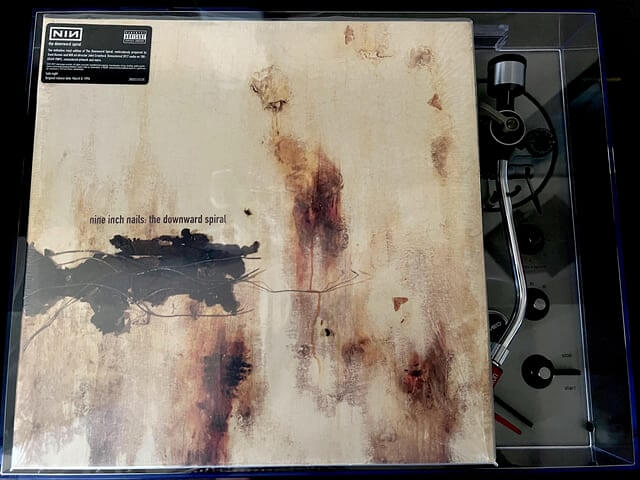
Eventually realizing the location was too grim to inhabit permanently, the artist moved out shortly after the final mixing phase. The sinister atmosphere successfully bled into the tracks, creating an undisputed masterpiece of 90s alternative music.
The Mars Volta, The Bedlam in Goliath, 2008, Alleged Cursed Board And Studio Floods
An antique curio purchased during a trip to Jerusalem reportedly unleashed a wave of unexplainable disasters on the experimental rock group. After experimenting with the strange item, the band's primary songwriter claimed a malevolent entity began dictating bizarre and threatening messages. The studio subsequently flooded under mysterious circumstances, completely destroying crucial backup hard drives. Their seasoned audio engineer suffered a sudden nervous breakdown and abandoned the project entirely, leaving behind corrupted master files.

Desperate to break the perceived hex, the guitarist allegedly buried the cursed object in a secret, undisclosed location. Only after physically disposing of the antique were they finally able to complete the chaotic and sprawling masterpiece.
Deep Purple, Machine Head, 1972, Massive Casino Fire During Recording Sessions
Flames engulfed the nearby entertainment complex while the hard rock legends were preparing to record their pivotal album in Switzerland. A fan reportedly fired a flare gun into the rattan covered ceiling during an afternoon concert, causing the entire casino structure to burn to the ground. The musicians watched the massive smoke cloud drift across the adjacent lake, inspiring their most famous and recognizable guitar riff. Forced to frantically secure an alternative recording space, they settled into a cold, empty hotel utilizing a mobile studio truck.
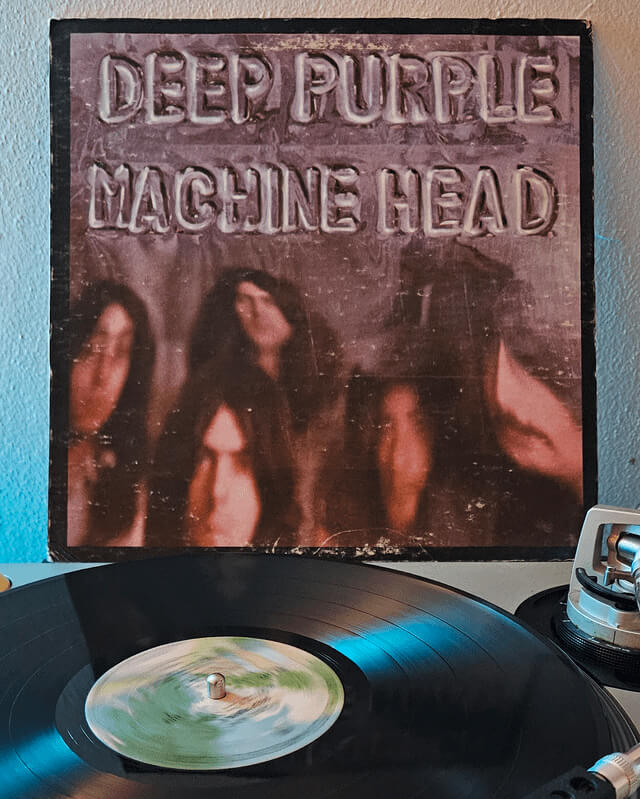
The bitter winter temperatures and lack of proper acoustics made the process incredibly grueling. However, the chaotic displacement fueled a legendary performance that defined an entire era of rock.
My Chemical Romance, The Black Parade, 2006, Mansion Night Terrors And Bizarre Ailments
Staying at an infamous historic mansion to write their theatrical rock opera brought unexpected terrors to the alternative band. The bassist suffered debilitating night terrors and claimed doors would violently violently shake off their hinges in the dead of night. Other members reported feeling cold hands touching their shoulders in empty hallways, leading to a profound sense of paranoia. The grueling atmosphere resulted in severe physical ailments, with the frontman suffering a dangerous fever and the drummer fracturing a bone.

Unsettled by the bizarre occurrences, several members actively avoided certain wings of the estate entirely. The genuine fear and isolation they experienced ultimately injected an undeniable theatrical grit into the final sweeping compositions.
Fleetwood Mac, Rumours, 1977, Relentless Interpersonal Chaos And Studio Equipment Failures
Personal relationships within the group completely deteriorated as they began tracking what would become their magnum opus. Two separate couples in the band were undergoing bitter, high-profile separations, forcing them to exchange venomous lyrical jabs while sharing cramped vocal booths. The immense tension was compounded by mysterious equipment failures; perfectly tuned guitars would suddenly drop pitch, and expensive microphones abruptly ceased functioning. The producers had to physically splice together miles of worn-out analog tape that was slowly degrading from endless obsessive overdubs.
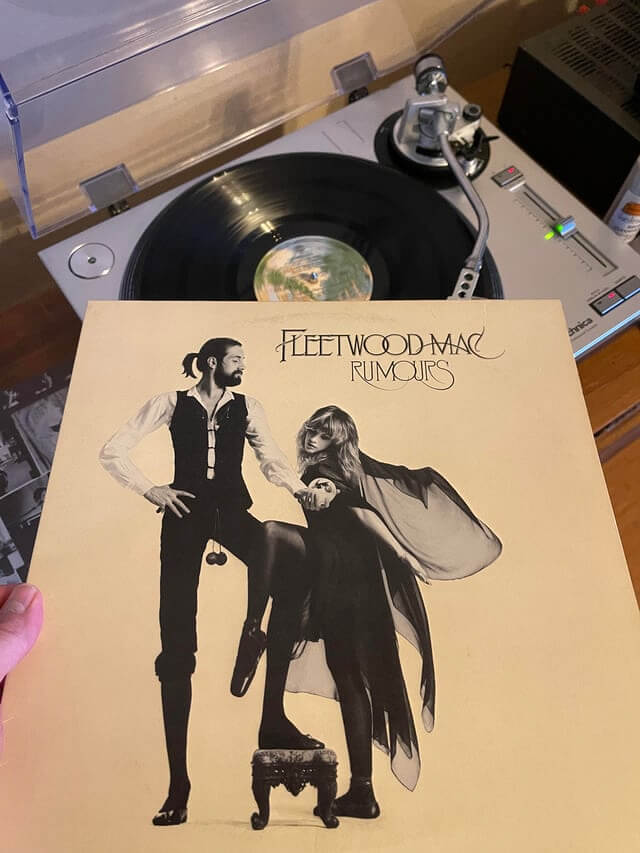
The sheer emotional toll pushed every single musician to their breaking point. Despite the toxic environment, the friction generated a flawless pop rock record that resonated universally with heartbroken listeners.
King Crimson, In the Court of the Crimson King, 1969, Sudden Equipment Failures And Immediate Band Fracturing
Almost immediately after completing their groundbreaking debut, the progressive rock pioneers began to splinter due to unexplained animosity. The recording process was allegedly fraught with massive power outages that only occurred when specific demanding tracks were being captured. The intense perfectionism required to execute the complex time signatures caused severe mental strain, pushing the young musicians to the brink of exhaustion. Bizarre feedback loops plagued the mellotron lines, creating an eerie atmospheric backdrop that sounded entirely otherworldly.
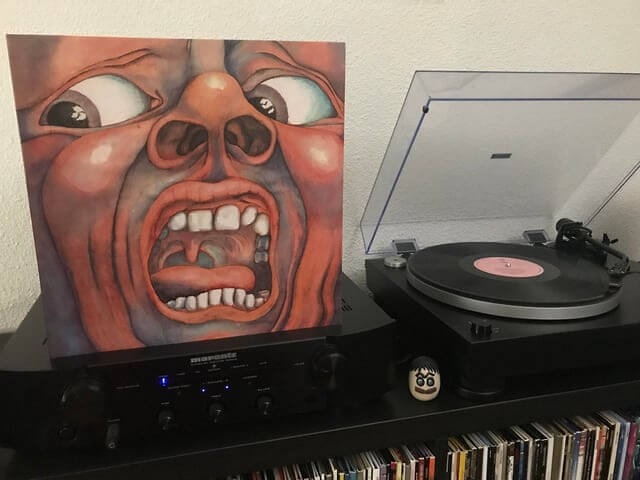
Unable to handle the immense pressure and sudden fame, pivotal members quit the group before the accompanying tour even properly commenced. The chaotic creation process left behind a monolithic slab of weird, aggressive brilliance that birthed a new genre.
Badfinger, Straight Up, 1971, Endless Misfortune And Financial Ruin For Members
Financial mismanagement and shady business deals cursed this incredible power pop band right at the height of their creative powers. Despite crafting brilliant, radio-friendly hits, the group discovered their management had quietly drained their bank accounts, leaving them completely destitute. The stressful studio environment was marred by constant interference from prominent guest producers who continuously altered the intended sonic direction. Morale plummeted as the talented songwriters realized their hard work was generating immense wealth for everyone except themselves.
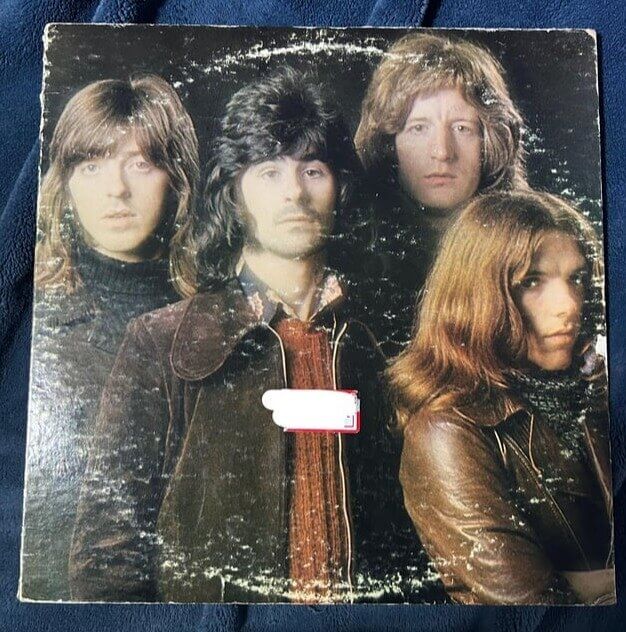
The mounting pressure and lack of support ultimately led to heartbreaking, catastrophic losses within the band's ranks. This brilliant collection of songs is now permanently overshadowed by the grim reality of industry exploitation.
Def Leppard, Hysteria, 1987, Multiple Severe Auto Accidents And Endless Delays
Severe delays and devastating auto incidents plagued the creation of this blockbuster arena rock staple from start to finish. The band's beloved drummer suffered a horrifying car crash on a rural road, resulting in the tragic amputation of his left arm. Showing incredible resilience, he learned to play a customized electronic kit, but the production was stalled again when their renowned producer suffered his own severe accident. The studio console reportedly short-circuited multiple times during the mixing phase, erasing weeks of painstaking vocal layering.
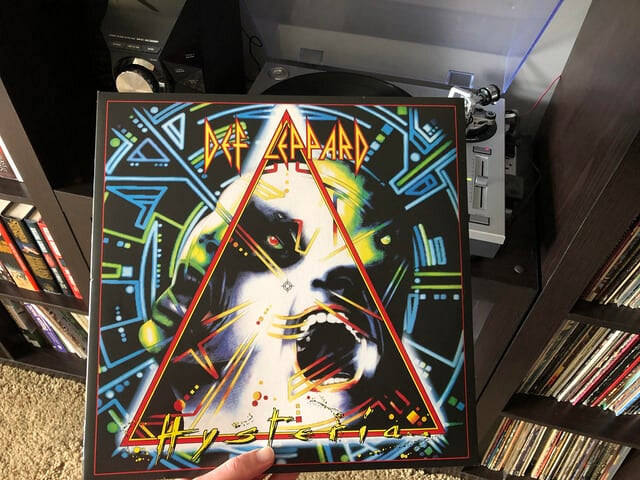
Budget overruns and shifting musical trends threatened to cancel the project entirely. Against all logical odds, the relentless perseverance yielded a record that shattered global sales expectations and defined the decade.
The Rolling Stones, Exile on Main St, 1972, Shady Characters And Massive Equipment Theft
Relocating to a lavish coastal villa in southern France to escape massive tax burdens brought an entirely new set of bizarre challenges. The sweltering basement where the group set up their gear was reportedly plagued by intense humidity that constantly warped the acoustic instruments. An array of shady characters, local criminals, and unwelcome drifters infiltrated the chaotic recording compound, creating a highly volatile atmosphere. The band suffered a massive theft when thieves allegedly broke into the estate and stole multiple prized vintage guitars.
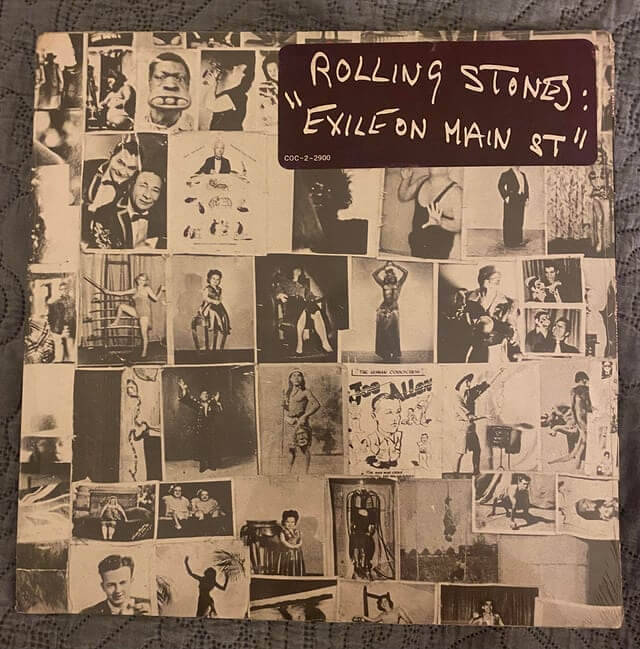
Rampant personal demons and unhealthy habits severely impacted the punctuality of the sessions, forcing the engineers to record at ungodly hours. The murky, chaotic environment birthed a raw, legendary masterpiece of grimy blues rock.
Joy Division, Closer, 1980, Tombstone Imagery And Frontman Passing Before Release
Dark imagery on the front sleeve depicted an ornate tomb, a chilling visual that was selected prior to the unexpected loss of their visionary frontman. The deeply introspective lyricist passed away mere weeks before the album was scheduled to hit record store shelves, forever changing the context of the music. In the studio, the eccentric producer utilized unconventional methods, such as making the drummer record on the roof and utilizing bizarre ambient noise samples.

The brooding, industrial-tinged soundscapes perfectly mirrored the internal anguish expressed in the vocal performances. Fans immediately scoured the poetic lyrics for signs of the impending tragedy, turning the release into a somber, posthumous tribute. It stands as a brilliant, haunting monument to post-punk.
The Beatles, Let It Be, 1970, Miserable Studio Atmosphere And Bitter Confrontations
Tensions ran exceptionally high inside the studio as the most famous group in the world slowly disintegrated in front of rolling camera crews. The cold, cavernous film stage they initially chose for rehearsals offered terrible acoustics and drained all the joy from the creative process. Bitter arguments frequently erupted over musical arrangements, culminating in the lead guitarist temporarily quitting the band in frustration. Mysterious audio hums plagued the initial analog recordings, forcing the disgruntled musicians to abandon numerous promising takes.
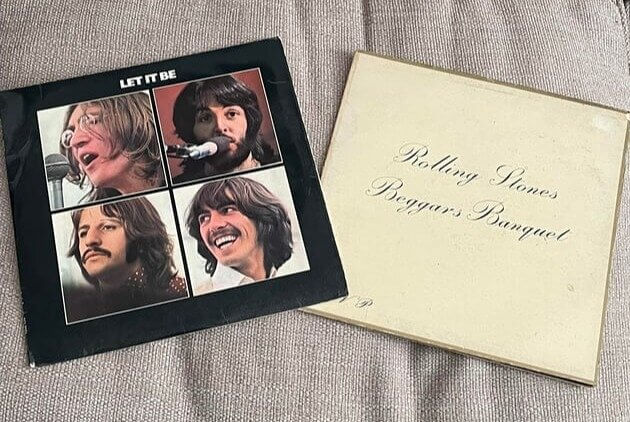
An attempt to salvage the project by performing a chaotic live set on a nearby rooftop barely masked the deep internal fractures. The resulting album remains a fascinating, bittersweet document of a legendary musical partnership falling apart.
Pink Floyd, Wish You Were Here, 1975, Unrecognizable Former Member Appears And Strange Noises
An uninvited guest suddenly appeared in the control room just as the band was listening back to a sprawling tribute track dedicated to him. The former founding member had shaved his head and eyebrows, rendering him completely unrecognizable to his old friends for several heartbreaking minutes. The bizarre coincidence of his arrival precisely during the playback of that specific song deeply rattled the seasoned musicians. Throughout the sessions, strange phantom echoes reportedly bled onto the master tapes, frustrating the audio engineers who could find no technical fault.
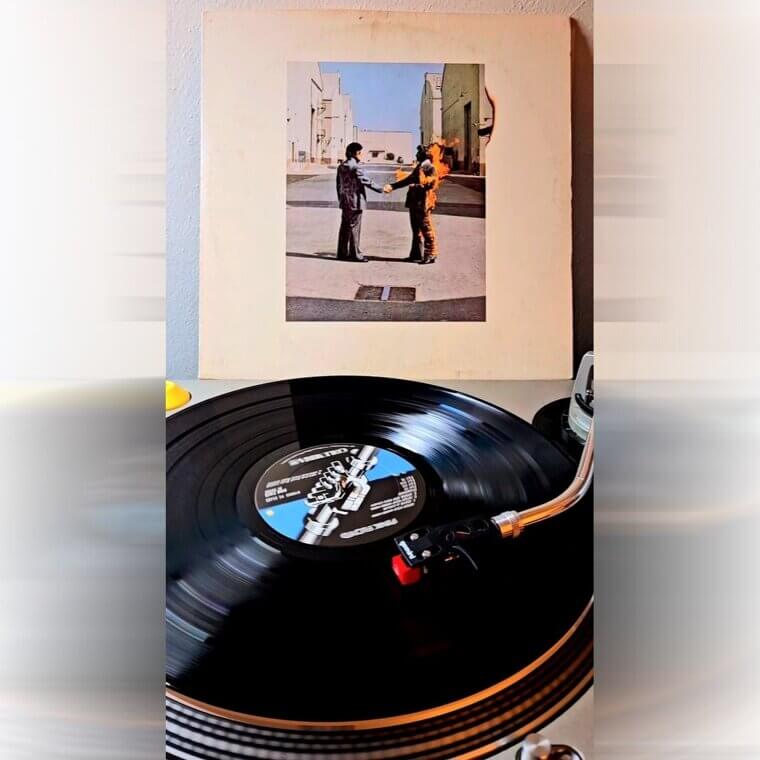
The emotional weight of the unexpected reunion cast a melancholy shadow over the remaining recording schedule. It remains a stunning, atmospheric exploration of absence and the harsh realities of the music industry.
Korn, Korn, 1994, Unexplained Studio Audio Anomalies And Alleged Hauntings
Unexplained noises kept bleeding into the master tracks while the nu-metal pioneers tracked their aggressive debut at a remote mountain facility. The isolated ranch was rumored to be built on spiritually active grounds, and members frequently reported hearing unidentifiable footsteps pacing the wooden hallways at night. During a highly emotional vocal take, the recording console suddenly shut off, wiping a flawless performance that could never be perfectly replicated. Bizarre shadows were allegedly seen moving past the soundproof glass, deeply unnerving the young musicians who were already channeling intense personal trauma.

The oppressive, creepy vibe of the surroundings translated perfectly into the raw, detuned guitar riffs. This disturbing atmosphere helped launch an entirely new subgenre of heavy music.
Radiohead, OK Computer, 1997, Historic Mansion Apparitions And Bizarre Tape Glitches
The sprawling historic estate chosen for tracking provided brilliant natural reverb but brought an array of unsettling supernatural distractions. The frontman reportedly refused to sleep in the main house after claiming to witness an apparition standing at the foot of his bed. Bizarre tape glitches continuously interrupted the vocal sessions, introducing strange mechanical stutters that the band eventually decided to keep in the final mix. The immense pressure to follow up their breakout success caused severe mental fatigue, leading to intense periods of isolation among the members.

Biting winter weather trapped the crew indoors, exacerbating the claustrophobic and paranoid themes heavily featured in the lyrics. The majestic yet incredibly anxious final product revolutionized modern alternative rock.
The Smashing Pumpkins, Mellon Collie and the Infinite Sadness, 1995, Touring Tragedies And Unexplained Live Disasters
A grueling worldwide tour was marred by a string of bizarre disasters shortly after this ambitious double album was released to critical acclaim. The most devastating blow occurred when their talented touring keyboardist tragically passed away following an incident in a hotel room. This heartbreaking loss forced the immediate dismissal of their founding drummer, completely shattering the group's internal dynamic. Prior to the tragedy, the massive stage production suffered numerous unexplained technical failures, including a massive lighting rig collapsing mere hours before doors opened.
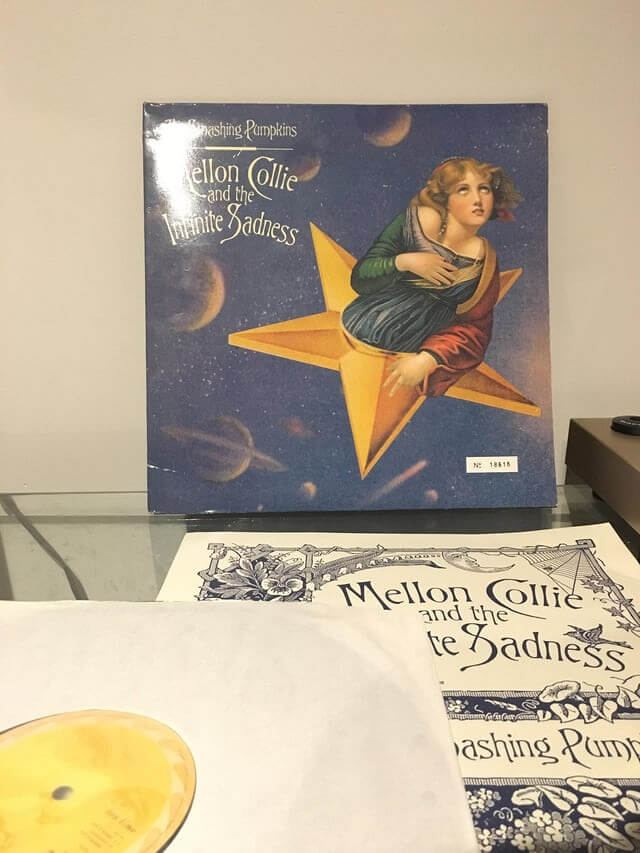
The sheer scale of the band's success seemed constantly counterbalanced by relentless misfortune and dark personal struggles. Despite the chaos, the monumental record remains a defining touchstone of 90s alternative culture.
Ozzy Osbourne, Blizzard of Ozz, 1980, Eerie Studio Vibes And Future Aviation Tragedy
Foreshadowing future grief, the solo debut of the legendary metal vocalist was tracked under a cloud of intense pressure and strange occurrences. The newly formed band operated in an incredibly tense environment, fighting against industry expectations and severe budget limitations. The studio engineers reportedly dealt with bizarre electrical surges that would exclusively short out the guitar amplifiers during the most intricate solos. While the album successfully relaunched the singer's career, it is forever associated with the heartbreaking loss of his virtuoso guitarist in a freak aviation accident just 2 years later.
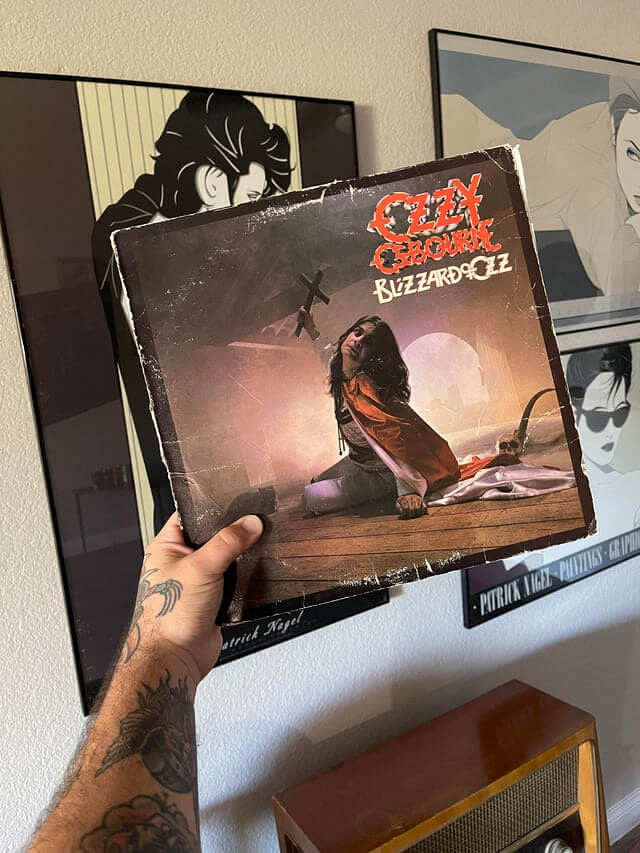
Fans often analyze the classical-infused riffs and dark lyrical themes as unintentional preludes to the impending disaster. The incredible musicianship shines through the tragic historical context.
Metallica, Master of Puppets, 1986, Devastating Tour Bus Accident Peak Career
Peak commercial success was instantly overshadowed by an unimaginable tragedy that forever altered the trajectory of the thrash metal titans. While touring in support of their masterful third record, the band's bus hit a patch of black ice and flipped on a desolate rural highway. Their incredibly gifted bassist lost his life in the wreckage, plunging the remaining members into a profound state of shock and grief. Prior to the accident, the studio sessions were notoriously intense, with the musicians pushing their physical endurance to perfectly execute the blistering tempos.

The aggressive, punishing soundscapes were intended to reflect the dangers of control and addiction. It stands as a flawless monument to their fallen brother's immense compositional talent.
Guns N Roses, Appetite for Destruction, 1987, Near Fatal Studio Incidents And Constant Chaos
Surviving the chaotic streets of the city, the explosive hard rock quintet brought their reckless lifestyle directly into the recording booth. The sessions were continually derailed by near-fatal incidents, including the bassist suffering a massive allergic reaction that required immediate emergency intervention. The studio itself was allegedly a revolving door of sketchy acquaintances, causing the furious producers to frequently lock the musicians inside to ensure the tracks were finished. Equipment was routinely smashed in fits of rage, and vocal takes had to be carefully stitched together from wildly unpredictable performances.
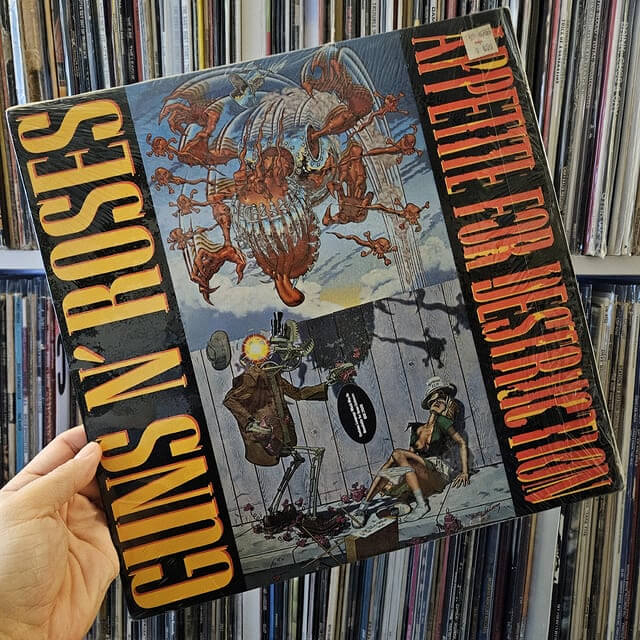
The gritty authenticity born from this relentless danger could not be manufactured. It resulted in one of the most dangerous and successful debut albums ever pressed to vinyl.
Nirvana, In Utero, 1993, Grim Premonitions And Frontman Passing Months Later
Raw emotion poured out during the sessions as the grunge pioneers attempted to alienate their massive mainstream audience with abrasive noise. The abrasive lyrical themes heavily referenced medical anomalies, physical decay, and intense feelings of entrapment. Recording in a cold, isolated facility in the woods, the band purposely utilized raw room microphones to capture a deliberately harsh and unpolished sound. The tragic passing of the band's iconic frontman just months after the album hit shelves cast a permanent, somber shadow over the release.

Critics and fans retroactively viewed the dissonant tracks as a harrowing cry for help that went largely unheeded. The brutal honesty of the songwriting makes it an incredibly difficult, yet essential, historical listen.
Alice in Chains, Dirt, 1992, Severe Earthquakes And Dark Studio Atmosphere
Massive tremors shook the recording facility in California right as the grunge legends were tracking their dark, introspective masterpiece. The literal earthquakes outside perfectly mirrored the devastating emotional turmoil the band members were experiencing in their personal lives. The vocalist insisted on tracking his haunting harmonies in a dark, confined booth to properly channel the bleak subject matter. Rampant personal demons and unhealthy habits severely fractured the group's communication, leading to intensely heavy and sludgy guitar tones.
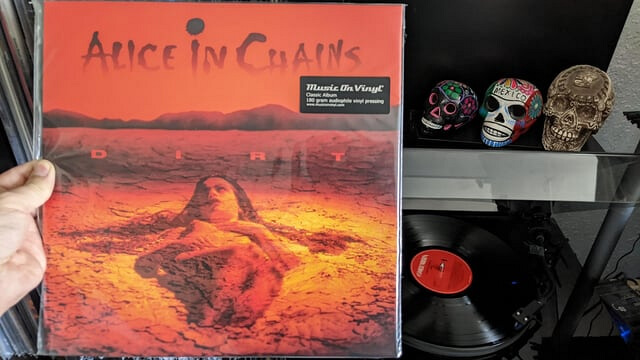
Audio engineers allegedly felt an overwhelming sense of doom permeating the control room throughout the lengthy production process. The harrowing final mix stands as a brutally honest depiction of struggle and one of the defining moments of the era.
Soundgarden, Superunknown, 1994, Eerie Lyrical Foreshadowing And Intense Isolation
Lyrical themes seemingly predicted future sorrow on the massive breakout release from these heavy alternative rock pioneers. The intricate songwriting explored concepts of existential dread, isolation, and falling into an inescapable void. During the lengthy recording process, the band members reportedly locked themselves in the studio for days, losing all track of time and experiencing severe sensory deprivation. The grueling schedule caused temporary hearing loss and intense vocal strain for the dynamic frontman.

Fans have retroactively drawn eerie parallels between the dark poetic imagery and the tragic loss of the singer decades later. The sprawling, complex arrangements remain a testament to their unrivaled musicianship and the heavy emotional toll of their creative brilliance.
The Doors, LA Woman, 1971, Singer Relocates And Passes Away Shortly After
Seeking a fresh start away from the spotlight, the iconic frontman poured his remaining energy into a gritty, blues-driven final project. The initial producer actually quit the sessions in disgust, calling the new material aimless, forcing the band to self-produce in their own cramped rehearsal space. Stripped of the usual studio polish, the resulting tracks featured an incredibly urgent and raw vocal delivery. Shortly after completing his parts, the singer relocated to France to pursue poetry, where he tragically passed away under highly mysterious circumstances.
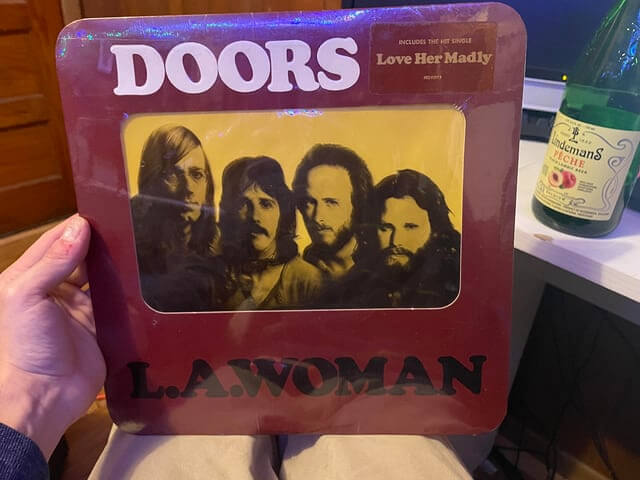
The album was immediately transformed from a stellar comeback attempt into a deeply profound musical epitaph. The lingering mysteries surrounding his demise only amplified the legendary status of these final recordings.
David Bowie, Blackstar, 2016, Secret Illness During Recording And Immediate Passing
Creating art while secretly battling a severe ailment, the legendary chameleon crafted a stunning and deeply experimental final statement. The backing jazz musicians were completely unaware of his deteriorating physical condition, though they noted a profound, urgent intensity in his vocal deliveries. Bizarre visual motifs in the accompanying music videos featured themes of ascension and mortality, which the public initially dismissed as typical avant-garde theatricality. Just 2 days following the record's release on his 69th birthday, the world was stunned by the announcement of his passing.

The album was instantly re-evaluated as a meticulously planned, brilliant farewell gift to his dedicated fanbase. It stands as a masterclass in turning personal tragedy into profound, lasting art.
Motorhead, Bomber, 1979, Erratic Producer Behavior And High Tension Sessions
Erratic behavior behind the mixing desk continually threatened to derail the vicious momentum of the legendary speed metal trio. Their seasoned producer was allegedly struggling with intense personal demons, frequently disappearing from the studio for hours and leaving the frustrated band to manage the recording console. The immense tension in the room fueled an incredibly aggressive instrumental attack, pushing the tempos faster than they originally intended. Studio equipment reportedly blew out multiple times due to the sheer volume of the bass amplifier.
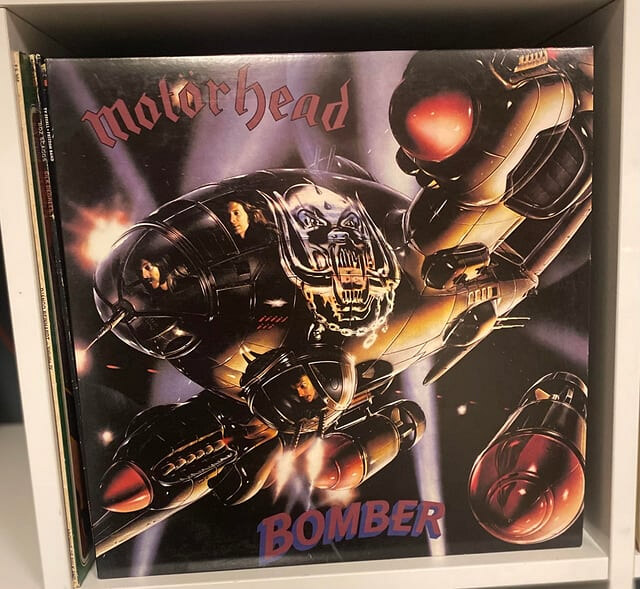
The chaotic environment perfectly matched the raw, unpolished grit of the final frantic tracks. Surviving the dysfunctional production birthed a heavy rock classic that cemented their status as terrifyingly loud pioneers.
Blue Oyster Cult, Secret Treaties, 1974, Alleged Occult Connections And Bizarre Rehearsal Accidents
Rumors of occult involvement haunted this release after the band leaned heavily into esoteric and historical lyrical themes. During pre-production rehearsals, a massive lighting rig allegedly crashed onto the stage, narrowly missing the lead guitarist by mere inches. The studio atmosphere was described as incredibly tense, with strange interference completely erasing several completed rhythm tracks from the magnetic tape. Band members reported seeing unidentifiable figures lingering in the periphery of the control room during late night mixing sessions.
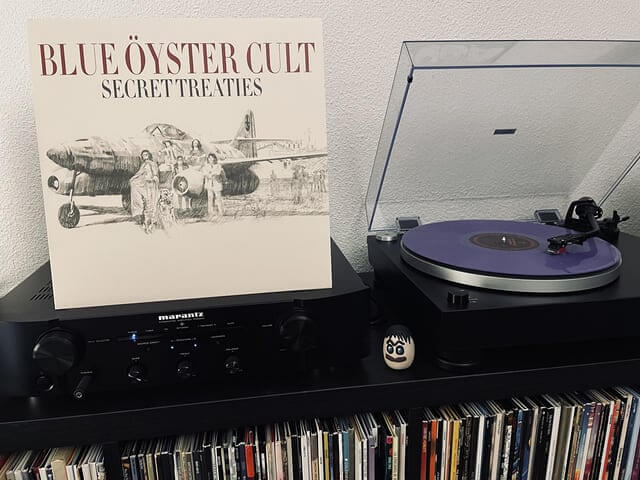
The bizarre occurrences only fueled the public perception that the group was dabbling in dark, supernatural forces. The complex, intellectual heavy rock they produced remains a staple for fans of mysterious and slightly unsettling music.
The Clash, Combat Rock, 1982, Member Disappearances And Unexplained Studio Fractures
Internal fractures tore apart the punk legends just as they achieved their most massive international commercial breakthrough. The incredibly gifted drummer was dismissed from the ranks due to severe personal struggles shortly after laying down the infectious grooves. Adding to the immense chaos, the charismatic lead singer mysteriously vanished right before a massive string of highly anticipated concert dates. He was later discovered secretly living in Paris, allegedly running a marathon while his furious bandmates scrambled to manage the fallout.

The bizarre mix of incredible radio success and devastating internal implosion marked the definitive end of their classic era. The brilliant eclectic tracks remain completely overshadowed by the sheer dysfunction that surrounded their creation.
Elton John, Goodbye Yellow Brick Road, 1973, Island Studio Disasters And Forced Relocation
Attempting to capture magic on a tropical island, the prolific superstar instead encountered a relentless string of disastrous setbacks. The chosen studio in Jamaica was completely inadequate, featuring a broken mixing console and severely limited recording tape. Rising political tensions on the island led to widespread strikes, which occasionally halted power to the facility in the middle of crucial vocal takes. Terrified by the hostile environment and lack of proper equipment, the frantic crew ultimately abandoned the location entirely.
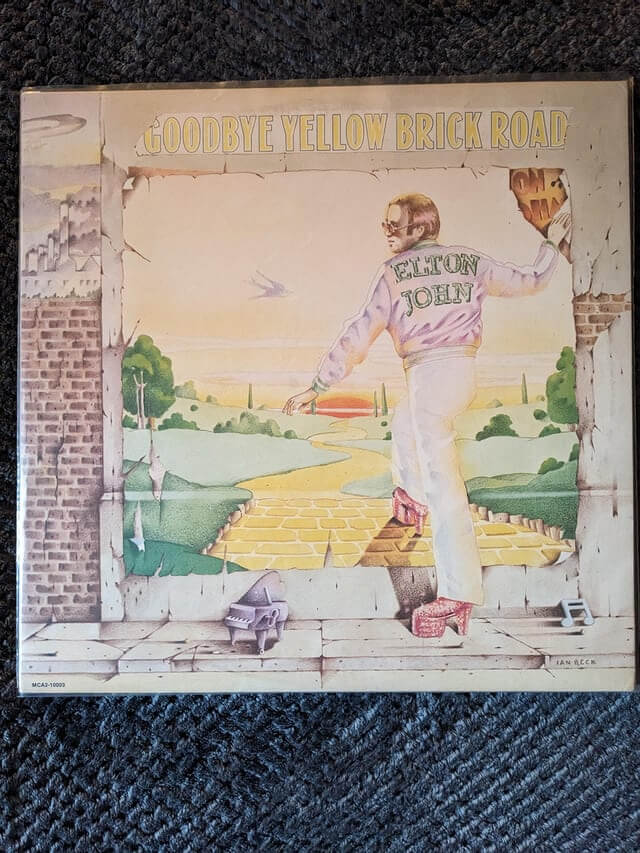
They relocated to a familiar castle in France, where they unleashed their pent-up frustration into a massive double album. The chaotic disruption inadvertently spurred an unmatched burst of brilliant, sprawling creativity that defined a generation.
Ghost, Prequelle, 2018, Tragic Live Event And Strange Legal Encounters
A sudden fatality in the crowd cast a deeply somber shadow over the theatrical rock band's massive arena tour for this record. An older fan tragically collapsed in the pit during the middle of a set, forcing the musicians to immediately halt the performance out of respect. The entire album cycle was also plagued by highly publicized and bizarre legal battles between the visionary frontman and his former anonymous bandmates.
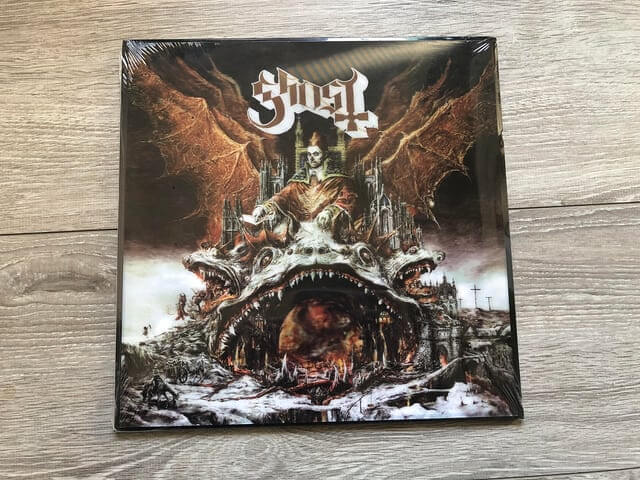
The intense scrutiny and real-world grief sharply contrasted with the upbeat, incredibly catchy arena rock hooks featured on the tracks. The conceptual themes of medieval plagues and survival suddenly felt eerily relevant to the unfolding drama. Despite the dark circumstances, the release catapulted them into global superstardom.