
Are you ready to explore the wild world of grating guitars and polarizing vocals? We have compiled a fascinating look at tracks that left listeners scratching their heads. Dive into our ultimate roundup and see if you agree with these controversial musical choices!
Metallica Released St Anger and Frustrated Fans With an Abrasive Ringing Trash Can Snare Drum Sound
When this iconic band dropped their highly anticipated 2003 release, listeners were immediately taken aback by the highly unusual percussion choices. The group reportedly wanted a raw, unpolished feel, leading the drummer to turn off the snare wires during recording sessions. This creative decision created a relentless, metallic clanging noise that frequently distracts from the otherwise heavy guitar riffs. Fans quickly voiced their displeasure, comparing the abrasive tone to someone repeatedly striking a metal garbage bin with a hammer. The aggressive, hollow echoing dominates the entire mix and makes it a difficult listen for even the most dedicated followers.

Many music critics cite this specific production choice as a prime example of an established group losing touch with their signature style. It remains a remarkably polarizing release within their massive discography today.
Limp Bizkit Released Nookie Which Was Widely Criticized for Its Repetitive and Highly Juvenile Lyrics
This prominent late 90s track dominated the airwaves, yet it frequently drew the ire of seasoned listeners due to its astonishingly simplistic lyrical content. The frontman delivers verses that focus on superficial relationship drama, utilizing terminology that many felt belonged in a middle school hallway rather than on a massive rock radio hit. Reviewers noted that the rhyming schemes lack any real depth or emotional resonance, relying heavily on basic phrasing and predictable cadences. Even during the peak of the genre's popularity, the song stood out as a particularly immature offering that failed to showcase meaningful artistic growth.

As the years have passed, the track has aged poorly for audiences seeking thoughtful musical compositions. It serves as a stark reminder of an era where catchy aggression often overshadowed genuine poetic talent.
Warrant Released Cherry Pie Representing the Ultimate Cliche of 80s Hair Metal Excess and Innuendo
At the tail end of the glam rock era, this band released an anthem that leaned heavily into the most predictable tropes of the genre. The track reportedly came to life only because music executives demanded a catchy radio single, resulting in a composition filled with overt metaphors and swaggering bravado. Critics pointed out that the accompanying music video further cemented its reputation as a shallow exercise in superficiality. The unrelenting focus on basic desires, paired with a generic hard rock chord progression, left many serious music fans rolling their eyes at the blatant commercialism on display.

Despite achieving massive commercial success at the time, the anthem quickly became synonymous with the creative bankruptcy of the glam scene. It ultimately paved the way for the grunge movement to sweep away the flashy superficiality.
Kid Rock Released Bawitdaba Featuring a Jarring Mashup of Nu Metal and Rap With a Nonsensical Chorus
Fusing elements of southern rock, aggressive guitar riffs, and hip-hop cadences, this breakout hit left traditionalists thoroughly confused and irritated. The most jarring element remains the chorus, which consists of a rapid-fire string of meaningless syllables designed purely for crowd participation. Listeners often found the blending of genres to be incredibly clunky, lacking the smooth transition seen in other successful crossover acts. The artist's boastful delivery, combined with a chaotic instrumental background, creates a sonic experience that feels overwhelming rather than cohesive. Many rock purists felt the track prioritized sheer volume and attitude over actual musical craftsmanship.

The repetitive chanting of the chorus has cemented its status as a staple of loud sporting events. However, for those seeking melodic substance, the track remains a glaring example of style triumphing over substance.
Crazy Town Released Butterfly an Unusual Pop Rap Crossover That Alienated Heavy Music Fans While Dominating the Radio
Initially marketing themselves as a heavy, aggressive act, this group shocked their existing fanbase by dropping a surprisingly mellow, sample-heavy single. Built around a recognizable guitar loop borrowed from another famous artist, the track strayed far away from traditional distortion and screaming. Instead, it featured smooth, whispered vocal deliveries and romantic themes that fit perfectly on mainstream pop countdowns. Hard rock enthusiasts felt betrayed by the sudden shift in sound, viewing the release as a calculated cash grab aimed at an entirely different demographic. The ubiquitous presence of the tune on television and radio only fueled the irritation of early supporters.

The overwhelming mainstream success of this single ultimately overshadowed the rest of their discography. They struggled to maintain a consistent identity, leaving this crossover hit as their most enduring, albeit frustrating, legacy.
Disturbed Released Down With the Sickness Which Is Mocked for Its Aggressive Vocal Hook and an Uncomfortable Spoken Word Breakdown
Exploding onto the scene with a heavy, driving rhythm, this defining anthem quickly became known for a very specific, animalistic vocal stutter during the intro. While the initial aggression caught the attention of many listeners, the continuous repetition of the staccato noise became grating for critics. Furthermore, the bridge section takes a bizarre turn with a theatrical, spoken-word performance involving a simulated argument between a child and a parent. This melodramatic interlude disrupts the driving tempo of the song and makes numerous listeners intensely uncomfortable due to the raw, visceral acting displayed by the lead vocalist.

The combination of peculiar vocalizations and the jarring narrative bridge has made the track a frequent target for online parodies. It remains a polarizing piece of music that elicits strong reactions from both supporters and detractors.
Nickelback Released Rockstar Which Was Despised by Metal Purists for Its Commercialized Paint by Numbers Approach to Hard Rock
Crafted as a tongue-in-cheek commentary on the excesses of fame, this acoustic-driven track leaned heavily into every known cliché of the music industry. Heavy music aficionados largely rejected the song, citing its plodding tempo, predictable rhyme schemes, and overall lack of instrumental edge. The polished, radio-friendly production stripped away any grit, resulting in a product that felt manufactured in a corporate boardroom rather than born in a garage. The widespread popularity of the tune seemed to inversely correlate with its critical reception, as dedicated rock fans found the blatant pursuit of pop chart success incredibly frustrating to witness.

By relying on a formulaic structure and relatable but shallow themes, the band alienated listeners looking for authenticity. The single stands as a monument to the divisive nature of highly commercialized rock music.
Creed Released With Arms Wide Open Drawing Heavy Criticism for Its Over the Top Dramatic Vocal Delivery
Written as a personal reflection on impending fatherhood, this massive ballad dominated radio formats across the globe upon its debut. However, the lead singer’s deep, booming baritone and highly stylized pronunciation quickly became a point of contention among rock enthusiasts. The vocal performance was frequently described as overly earnest and intensely melodramatic, pushing the emotional weight of the lyrics into theatrical territory. Combined with a soaring, predictable orchestral arrangement, the track felt heavy-handed to those who preferred a more understated approach to emotional rock music. The exaggerated enunciation spawned countless impersonations, cementing its reputation as a vocal oddity.
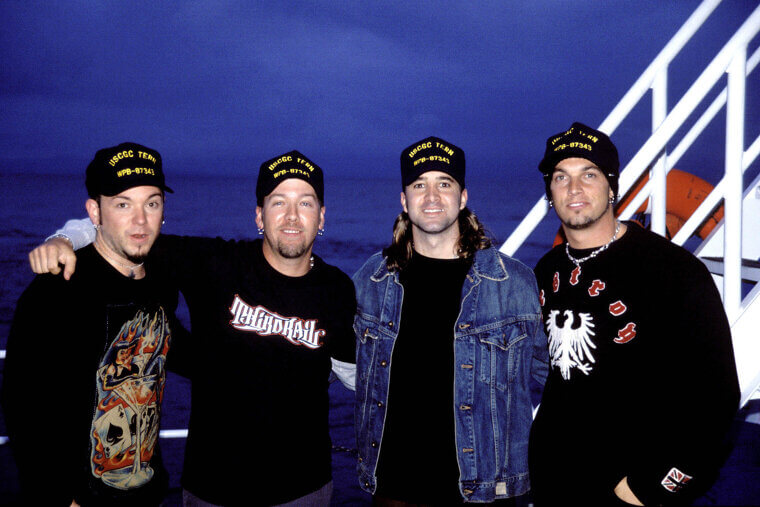
While the heartfelt message resonated with a wide mainstream audience, the sheer bombast of the delivery alienated alternative listeners. The track is often viewed as the peak of post-grunge emotional excess.
Buckcherry Released Crazy Bitch Often Cited as One of the Most Obnoxious and Repetitive Rock Tracks of the 2000s
Reviving a sleazy, swaggering style of rock, this particular single managed to capture widespread attention while simultaneously aggravating a massive segment of the public. The driving force of the track is a relentless, repetitive chorus that leaves very little room for nuanced storytelling or musical progression. Reviewers regularly pointed out that the abrasive lyrics and simplistic guitar riffs seemed designed specifically to provoke a reaction rather than showcase musical prowess. The infectious, albeit grating, nature of the beat ensured it was played constantly in venues and on the radio, leading to immense listener fatigue over a short period.

The unapologetic crudeness of the release made it a guilty pleasure for some, but a prime annoyance for many others. It highlights a period where shock value often substituted for genuine creative effort.
Puddle of Mudd Released She Hates Me Relying on a Grating Whiny Vocal Hook and a Highly Repetitive Chord Progression
This acoustic-led breakup anthem gained massive traction due to its simple, sing-along structure and relatable subject matter. Unfortunately, the core progression consists of only a few basic chords played endlessly without any significant variation throughout the runtime. The true source of irritation for many, however, stems from the lead singer’s nasal, strained delivery during the chorus. As the song builds, the vocals become increasingly whiny, transforming a straightforward narrative into a theatrical display of frustration that grates on the ears. The constant repetition of the title phrase in this strained tone tests the patience of even the most forgiving listeners.

Its simplistic nature made it an easy target for critics who felt the genre was becoming creatively stagnant. The track exemplifies the frustrating trend of prioritizing catchy hooks over dynamic musical composition.
Trapt Released Headstrong Becoming a Massive Radio Hit That Quickly Morphed Into an Overplayed Soundtrack for Misplaced Aggression
Featuring a bouncing, aggressive riff and confrontational lyrics, this single quickly resonated with audiences looking for a high-energy anthem. The narrative centers entirely on refusing to back down from a physical altercation, a theme that many found overly simplistic and artificially tough. As the song enjoyed phenomenal success on modern rock stations, its constant presence turned the initially catchy chorus into a tedious, unavoidable drone. Critics noted that the forced bravado of the vocal delivery felt inauthentic, appealing mostly to a demographic eager to project an image of unearned toughness. The sheer ubiquity of the track amplified these flaws immensely.

Eventually, the persistent airplay caused a severe backlash among regular radio listeners. It is now frequently remembered as a glaring example of the manufactured angst that saturated the early 2000s music scene.
Drowning Pool Released Bodies Remaining Highly Irritating to Many Due to Its Relentless and Repetitive Lyrical Chant
Immediately recognizable by its whispered introduction, this heavy track quickly escalates into a frantic, high-energy assault on the senses. While the instrumental backing is undoubtedly powerful, the primary source of frustration for detractors is the staggering lack of lyrical variety. The chorus consists almost entirely of a single phrase repeated with increasing volume and intensity until it borders on sheer noise. This cyclical structure offers no narrative progression, relying entirely on the visceral impact of the screamed vocals to carry the momentum. For listeners outside the intended demographic, this repetitive chanting quickly transforms from intense to completely exasperating.

Despite its status as a defining cultural touchstone for heavy music of that era, the lack of lyrical depth remains a common criticism. It perfectly illustrates how extreme repetition can ultimately alienate a broader audience.
Guns N Roses Released My World as a Bizarre Poorly Aged Attempt at Industrial Rap Rock Tacked Onto the End of an Album
Closing out a highly successful and sprawling double album, this brief and incredibly strange track left fans utterly bewildered upon its release. Foregoing traditional guitars and analog drums, the frontman opted to experiment with electronic beats, synthesizers, and a distorted vocal delivery that mimicked early rap cadences. The jarring shift in style felt completely disconnected from the epic, blues-based hard rock that defined the rest of the record. Reportedly recorded without the knowledge of the full band, the solo experiment sounds chaotic, unfocused, and remarkably amateurish compared to their usual polished output. It remains a baffling creative detour.

Listeners routinely skip this closing track, viewing it as an unnecessary blemish on an otherwise classic album. It stands as a confusing testament to the unpredictable nature of the lead singer's creative process.
Lou Reed and Metallica Released The View Which Became Infamous for a Loudly Mocked Lyric Declaring the Singer Is a Table
When a legendary avant-garde poet teamed up with the biggest metal band in the world, expectations were understandably complex and varied. The resulting collaborative album was met with widespread confusion, primarily due to the clash between the spoken-word poetry and the heavy, sludgy guitar riffs. This specific track garnered immense notoriety online thanks to a bizarre vocal climax where the frontman repeatedly proclaims himself to be an inanimate piece of furniture. The awkward phrasing, combined with the serious, driving instrumental backing, created an unintentionally hilarious moment that critics and fans ruthlessly paraded across internet forums. The disjointed nature of the collaboration is fully evident here.

This perplexing release highlighted the dangers of combining two vastly different artistic visions without a clear cohesive strategy. The track remains a legendary curiosity that is remembered more for its awkwardness than its musicality.
Megadeth Released Crush Em Facing Backlash for a Highly Criticized Attempt at Creating an Industrial Disco Arena Sports Anthem
Known for intricate guitar work and lightning-fast tempos, this pioneering thrash band took a massive gamble by venturing into electronic and dance-oriented territory. The track features a prominent synthesizer bassline and a steady, pulsing drum beat that heavily mirrors late 90s industrial pop rather than heavy metal. The frontman explicitly stated the goal was to create a song that would be played in sports stadiums, resulting in a forced, unnatural aggressiveness paired with a generic, stomping rhythm. Longtime supporters were dismayed by the blatant departure from their complex roots, viewing the simplified structure as a betrayal of their core musical identity.

The experiment ultimately failed to capture the desired mainstream sports audience while simultaneously alienating their loyal following. It serves as a stark reminder of the risks involved in chasing commercial trends.
Winger Released Seventeen Creating a Glam Metal Track That Has Aged Terribly Due to Its Lyrical Content About an Underage Girl
Boasting intricate guitar solos and a polished, radio-ready production sheen, this upbeat single initially found massive success on television and radio. However, the core narrative of the song revolves entirely around the singer's romantic pursuit of a minor, a theme that was surprisingly common in the era but has aged exceptionally poorly. The upbeat, celebratory tone of the music clashes horrifically with the problematic nature of the lyrics, making it an incredibly uncomfortable listen for modern audiences. While the musicianship is objectively solid, the blatant inappropriateness of the chorus renders the track highly irritating and deeply controversial today.

Cultural standards have shifted dramatically since its release, transforming a former party anthem into a glaring example of unacceptable past behavior. The track is frequently cited in discussions regarding the problematic aspects of 80s rock.
Poison Released Unskinny Bop Serving as a Quintessential Example of the Nonsensical Over Produced Side of the Late 80s Glam Scene
Featuring a massive, synthesized guitar riff and a bouncing rhythm, this track perfectly encapsulates the bloated excess of the era's commercial rock scene. The most frustrating aspect for critics is the title and chorus, which the band admitted was merely a placeholder phrase that possessed no actual meaning whatsoever. Leaving the gibberish phrase in the final recording highlighted a prioritized focus on catchy phonetics rather than any semblance of lyrical storytelling or artistic depth. The overly polished production, combined with meaningless chanting, frustrated listeners who were growing tired of the superficiality that dominated the airwaves at the time.
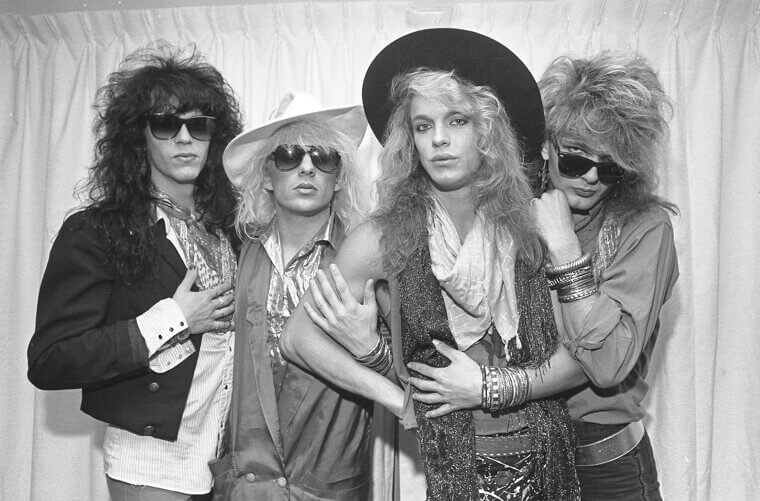
The song achieved remarkable chart success despite its deliberate lack of substance, irritating purists who craved authenticity. It stands as a shiny, hollow monument to the end of the colorful glam metal decade.
Europe Released The Final Countdown With a Piercing Relentless Synthesizer Hook That Is Either Loved or Intensely Hated by Rock Fans
Opening with one of the most recognizable keyboard fanfares in modern music history, this bombastic track immediately commands attention from the very first note. The majestic, soaring synthesizer line repeats continuously throughout the composition, anchoring the upbeat tempo and the theatrical vocal performance. For many rock enthusiasts, the sheer volume and prominence of the keyboards overpowered the traditional guitar elements, pushing the song firmly into cheesy pop territory. The relentless repetition of the central melody can quickly induce fatigue, causing detractors to scramble for the skip button whenever the triumphant intro begins to play. Its grandiosity is often perceived as overblown and exhausting.

Whether viewed as an uplifting sports anthem or a grating auditory assault, the track leaves no one indifferent. It perfectly captures the flamboyant, synthesizer-driven aesthetic of its specific musical era.
Saliva Released Click Click Boom Which Is Often Viewed as a Cringeworthy Attempt to Capitalize on the Early 2000s Rap Metal Boom
Riding the massive wave of aggressive crossover acts, this band delivered a single that aggressively checked every box of the trending genre. The verses feature a staccato, tough-guy vocal delivery that outlines a superficial narrative of youthful rebellion and mainstream media consumption. Critics heavily criticized the chorus for its reliance on basic onomatopoeia, utilizing the sounds of a camera and an explosion to create a simplistic, stadium-ready chant. The calculated blending of hip-hop posturing with distorted guitars felt incredibly forced and manufactured to discerning listeners, lacking the genuine angst that propelled similar artists to fame. It felt like a cynical corporate product.

The blatant trend-chasing nature of the composition has caused it to age rather poorly among music aficionados. It remains a recognizable, albeit frequently mocked, artifact of a very specific cultural moment.
Twisted Sister Released We Are Not Gonna Take It Delivering a Classic Whose Chorus Is Repeated so Endlessly It Often Grates on the Nerves
Serving as an undeniable anthem for youthful defiance, this energetic track features a driving beat and an incredibly memorable central melody. The verses effectively build tension and outline a universal feeling of frustration against authority figures. However, the primary issue arises in the back half of the song, where the titular phrase is shouted repeatedly without any melodic variation or lyrical progression. The relentless hammering of the chorus, designed for maximum crowd participation, transforms a catchy hook into a grueling test of auditory endurance for casual listeners. The sheer volume and repetition overshadow the initial charm of the rebellious message.

While its status as a legendary rock staple is entirely secure, the exhausting cyclical nature of the finale is widely acknowledged. It highlights the fine line between a memorable hook and an annoying earworm.
Def Leppard Released Pour Some Sugar on Me Being Massively Overplayed and Heavily Criticized for Its Cheesy Pop Centric Rock Approach
Meticulously crafted to dominate the radio, this glossy track utilized cutting-edge studio technology to create massive, layered vocal harmonies and booming drum sounds. The resulting product leaned heavily away from the band's earlier, grittier heavy metal roots and embraced a radio-friendly, highly processed pop aesthetic. The lyrical content relies heavily on confusing, nonsensical metaphors and sweet imagery that many found incredibly cheesy and lacking in any real substance. Its explosive commercial success guaranteed that the song was inescapable for years, leading to a profound sense of overexposure that irritated rock purists who felt the band had sold out their original sound.

The combination of saccharine lyrics and relentless mainstream airplay cemented its polarizing reputation. It remains a definitive, polarizing example of production gloss triumphing over raw musical energy.
Kiss Released I Was Made for Lovin You Alienating Heavy Rock Fans With a Blatant Attempt to Cash in on the Late 70s Disco Craze
Known for their theatrical makeup and straightforward hard rock sound, this legendary group shocked their loyal supporters by releasing a dance-oriented track. Driven by a prominent, pulsating bassline and a steady, four-on-the-floor drumbeat, the song perfectly replicated the rhythmic structure of the era's most popular club music. Traditional fans were allegedly furious at the departure, viewing the slick, harmony-laden chorus as a cynical betrayal of their aggressive, guitar-driven brand. The contrast between their demonic visual aesthetic and the shimmering, upbeat dance instrumentation created a jarring disconnect that many listeners simply could not reconcile at the time. The blatant trend-chasing was heavily scrutinized.
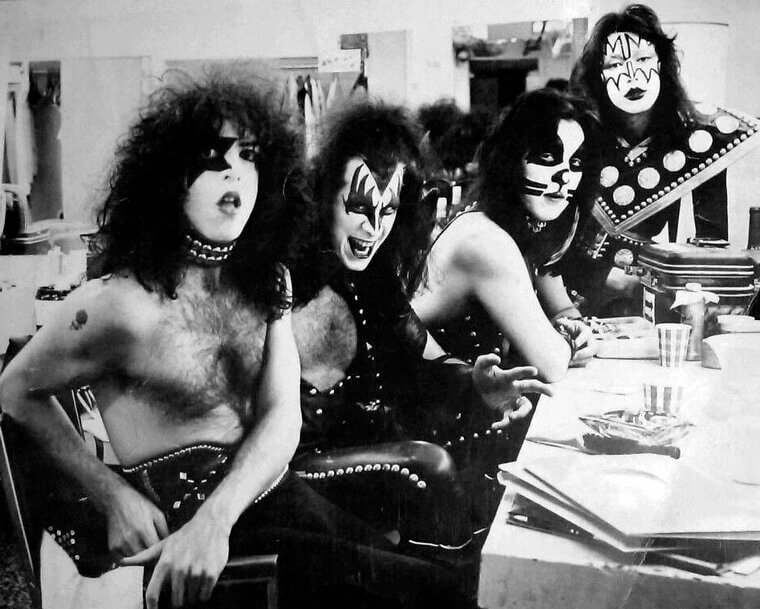
Despite becoming one of their biggest international hits, it caused a significant rift within their core audience. The experiment perfectly illustrates the intense friction that occurs when rock bands flirt with dance music.
Limp Bizkit Released Rollin Air Raid Vehicle Another Nu Metal Track That Is Frequently Mocked for Its Aggressive Lack of Substance
Expanding upon their signature blend of turntables and heavy guitars, the group delivered an energetic single focused heavily on car culture and swagger. The instrumental track provides a bouncy, undeniable groove, but the vocal performance is where critics focused their immense frustration. The chorus consists of repeating a single directional command over and over, creating a hypnotic but ultimately mindless chant that dominates the runtime. The verses lack any meaningful narrative, relying instead on boastful shout-outs and simplistic rhymes that feel rushed and uninspired. The sheer aggressiveness of the delivery cannot mask the profound emptiness of the actual lyrical content being presented.

The immense popularity of the track made it an unavoidable cultural phenomenon, much to the chagrin of traditional rock fans. It stands as a towering example of style completely eclipsing artistic substance.
Papa Roach Released Last Resort Where Despite Deeply Personal Lyrics Its Massive Overexposure Turned It Into an Annoying Meme
Bursting onto the scene with a frantic, instantly recognizable guitar riff, this emotional track dealt with incredibly dark and serious personal struggles. The raw, urgent vocal delivery captured the intense pain of feeling completely trapped and desperate, resonating deeply with a massive generation of struggling youth. Unfortunately, the undeniable catchiness of the melody led to unrelenting radio and television airplay, saturating the market to an overwhelming degree. This extreme overexposure stripped the song of its original emotional gravity, transforming a serious cry for help into a ubiquitous, often parodied cultural punchline. The constant repetition on every available media platform irritated listeners profoundly.

What began as a powerful statement on mental anguish was sadly diluted by the relentless machinery of commercial music marketing. The track remains a poignant reminder of how overplay can ruin impactful art.
Five Finger Death Punch Released Jekyll and Hyde Criticized for Its Bizarre Inclusion of a Rambling Voicemail and Ultra Macho Posturing
Built around a heavy, grooving guitar riff, this modern metal track aims to explore the duality of human nature and hidden anger. However, the execution left many critics rolling their eyes at the forced, aggressive bravado displayed throughout the vocal performance. The most jarring and frequently mocked element is the decision to include an actual, rambling voicemail from the lead singer directly into the bridge of the song. This bizarre inclusion disrupts the flow of the music and feels incredibly self-indulgent, adding an element of unintentional comedy to a track trying desperately to be intimidating. The tough-guy aesthetic feels profoundly manufactured.

By leaning so heavily into aggressive stereotypes and unusual production choices, the band alienated listeners seeking authenticity. The single often feels more like a caricature of heavy metal than a genuine artistic expression.
Theory of a Deadman Released Bad Girlfriend Often Cited Alongside Nickelback as Peak Butt Rock With Highly Grating Lyrical Cliches
Capitalizing on a specific brand of radio-friendly hard rock, this band released a single that perfectly encapsulated the most irritating aspects of the genre. The instrumental foundation is entirely predictable, relying on standard power chords and a plodding, mid-tempo rhythm that offers no surprises. The lyrics focus on a superficial, toxic relationship, utilizing tired tropes and blatant clichés to describe the partner's wild behavior. The singer's raspy, exaggerated delivery attempts to convey a sense of danger and excitement, but mostly comes across as contrived and thoroughly unconvincing. Reviewers frequently pointed out the lack of any original thought or musical innovation present in the recording.

The song achieved significant airplay by appealing to the lowest common denominator, frustrating those who value lyrical creativity. It remains a prime example of generic, manufactured rock designed solely for mass consumption.
Attila Released About That Life Mixing Deathcore With Extreme Frat Bro Rap Lyrics That Many Metalheads Find Deeply Annoying
Pushing the boundaries of genre blending to absurd extremes, this controversial group combined the heavy, down-tuned breakdowns of modern metal with the swagger of trap music. The instrumental technicality is often overshadowed by the vocalist's rapid-fire delivery of lyrics focused entirely on wealth, partying, and crude behavior. This aggressive embrace of party culture within a typically serious musical genre shocked and irritated traditional fans who value complex themes and dark imagery. The deliberate use of profanity and shocking statements feels designed solely to generate outrage and go viral, rather than to express any genuine artistic vision. The resulting clash of cultures is incredibly jarring.

While the band successfully carved out a unique niche, their blatant disregard for the established norms of the genre infuriated purists. The track stands as a highly polarizing experiment in musical antagonism.
Falling in Reverse Released Alone a Highly Polarizing Metalcore Track That Awkwardly Blends Heavy Breakdowns With Autotuned Rapping
Returning to the spotlight with a point to prove, the controversial frontman of this band decided to experiment wildly with modern electronic trends. The song features a chaotic structure that violently transitions between traditional screaming sections, heavy guitar chugging, and slick, highly produced pop melodies. The primary source of listener frustration stems from the inclusion of multiple verses featuring heavily auto-tuned, boastful rapping that feels entirely out of place. The jarring shifts in tempo and style create a disjointed listening experience that struggles to find a cohesive identity. Many critics felt the attempt to fuse so many disparate genres resulted in an unlistenable mess.

The blatant pursuit of modern trends alienated older fans while confusing new listeners. It remains a fascinating, albeit deeply flawed, attempt to modernize a heavy musical format through sheer chaotic experimentation.
Ugly Kid Joe Released Everything About You Which Was Literally Written to Be as Obnoxious and Annoying as Possible
Emerging during a time when rock music was becoming increasingly serious and introspective, this band decided to take a completely different, cynical approach. The track was reportedly crafted with the explicit intention of irritating the listener, utilizing a bouncy, sing-song melody that aggressively clashes with the pessimistic lyrics. The vocalist delivers a laundry list of complaints in a nasal, sarcastic tone, ensuring that the negative energy is felt in every single syllable. The juxtaposition of cheerful acoustic guitars and venomous attitude creates a confusing and ultimately grating auditory experience. By succeeding so perfectly at their goal, they crafted a genuinely irritating piece of music.

The incredible commercial success of the single proved that audiences possess a strange fascination with intentional obnoxiousness. It stands as a rare example of a musical joke that managed to conquer the mainstream charts.
Brokencyde Released FreaXXX Which Mixes Screaming and Terrible Rap Making It a Staple on Worst Rock Metal Songs Lists
Pioneering a bizarre internet subgenre, this chaotic group managed to unite listeners across the globe in sheer bewilderment and frustration. The track features an aggressive synthesizer beat layered with amateurish, off-beat rapping that lacks any sense of rhythmic flow or lyrical coherence. Without warning, the vocals frequently transition into high-pitched, abrasive screams that shatter the electronic backing track in the most unpleasant way imaginable. The production quality feels incredibly cheap, highlighting the disjointed and confusing nature of the entire composition. Music critics and casual listeners alike frequently point to this specific release as an absolute nadir in the history of musical cross-pollination.

The aggressive rejection of traditional musical standards made the group infamous online, but earned them zero critical respect. The song is widely considered an auditory endurance test rather than a legitimate artistic effort.
Extreme Released More Than Words a Soft Sappy Acoustic Ballad From a Funk Metal Band That Alienated Their Heavier Fanbase
Establishing themselves as a highly technical, rhythm-driven hard rock act, this group possessed a loyal following that appreciated their intricate musicianship. However, they stunned their audience by releasing a stripped-down, harmony-rich acoustic ballad that completely omitted the electric guitars and heavy drumming they were known for. The sweet, romantic lyrical content and gentle vocal delivery caused the song to absolutely dominate adult contemporary radio formats across the world. While the track demonstrated undeniable musical talent, older fans felt alienated and frustrated by the drastic departure from their established energetic sound. The inescapable nature of the hit only magnified the annoyance of their original supporters.

The overwhelming success of the gentle ballad permanently altered the public perception of the group. They spent the remainder of their career struggling to remind audiences of their impressive heavy metal origins.
Motley Crue Released Generation Swine Resulting in a Forced Messy Attempt at Adopting 90s Alternative and Industrial Sounds
Desperate to remain relevant in a rapidly changing musical landscape, this legendary glam rock outfit attempted to completely reinvent their signature sound. The resulting album heavily incorporated electronic samples, distorted vocal effects, and darker, alternative rock textures that felt entirely unnatural for the seasoned musicians. This specific title track perfectly showcases the awkward transition, featuring a disjointed rhythm and a vocal performance that attempts to mimic the angst of the grunge era. Longtime supporters were incredibly disappointed by the lack of soaring guitar solos and anthemic choruses that had defined the band's prime. The experiment was widely panned as a cynical, trend-chasing disaster.

By abandoning their core strengths in favor of passing trends, the group alienated their base and failed to attract new listeners. The release remains a glaring low point in an otherwise storied career.
Danzig Released Mother an Objectively Good Heavy Metal Song That Simply Became Incredibly Irritating to Fans Due to Endless Radio Overplay
Possessing a dark, bluesy swagger and a genuinely powerful vocal performance, this ominous track initially served as a respected underground favorite. The slow-building tension and the iconic, soaring chorus showcase the frontman's impressive range and unique songwriting abilities. However, years after its initial debut, a remixed version suddenly caught fire on mainstream rock radio and MTV, leading to a relentless barrage of airplay. The sheer frequency of its broadcast transformed a moody, atmospheric masterpiece into an unavoidable annoyance that tested the patience of even the most devoted fans. The constant exposure diluted the dark mystique that had originally made the recording so incredibly captivating.

The massive commercial revival proved that timing is everything in the music industry, but it came at the cost of listener fatigue. It is a classic example of a great track ruined by media saturation.
Hinder Released Lips of an Angel a Hard Rock Power Ballad Criticized Heavily for Its Over the Top Raspy Vocals and Glorification of Infidelity
Embracing the dramatic flair of classic power ballads, this modern rock group struck gold with an acoustic-driven tale of forbidden romance. The narrative focuses entirely on a secret phone call between former lovers, openly romanticizing emotional infidelity while currently in another relationship. Critics and listeners alike found the lyrical content to be manipulative and sleazy, masking poor behavior behind a catchy melody. Furthermore, the lead singer’s aggressively raspy vocal delivery felt forced and overly theatrical, attempting to inject unearned grit into a highly polished pop-rock production. The combination of questionable morals and exaggerated vocals made the massive hit a major source of annoyance.

Despite the backlash regarding its lyrical themes, the single dominated the charts and became a cultural touchstone of the era. It remains a deeply polarizing track that elicits strong opinions regarding artistic sincerity.