
Before they were filling massive stadiums and flying in private jets, many of your favorite hard rock legends were struggling just to survive. From sleeping under bridges to working in coal mines, check out the incredible rags-to-riches stories behind these metal icons!
Ozzy Osbourne (Black Sabbath) - Growing Up in a Cramped Aston Home Without an Indoor Toilet
Before becoming 1 of heavy metal's most iconic frontmen, Ozzy Osbourne endured severe financial hardship in post-war Aston, Birmingham. Raised alongside 5 siblings in a tiny 2-bedroom home on Lodge Road, his family lacked indoor plumbing and basic household luxuries. His father worked night shifts at a local factory while his mother labored in a car plant to keep food on the table. Ozzy left school at age 15, taking various low-paying jobs at a slaughterhouse, a car factory, and a plumbing shop to help support his household.

These bleak industrial surroundings directly shaped the heavy, gloomy sound that Black Sabbath pioneered in 1970. He frequently cited these tough early experiences as the driving force behind his legendary stage persona.
Axl Rose (Guns N' Roses) - Sleeping on Couches and Scavenging After Arriving in Los Angeles
Axl Rose faced significant financial instability during his early years in Lafayette, Indiana, before moving westward. When he arrived in Los Angeles in 1982, he possessed very little money and lacked permanent shelter. The ambitious singer survived by sleeping on couches in friend's apartments, living in cramped rehearsal studios, and occasionally sleeping on outdoor park benches. He worked a low-wage job joining a scientific research study that paid 8 dollars per hour to test blood samples.

Axl endured years of financial uncertainty before Guns N' Roses signed a major record deal, turning his sparse Hollywood existence into global stardom. The frontman reflects on those hungry Hollywood nights as a crucial test of his artistic dedication.
Dave Mustaine (Megadeth) - Scavenging for Loose Change and Sleeping in a Van
Dave Mustaine endured an impoverished childhood moving frequently around Southern California with his mother. Following his parents' separation, his mother worked as a seamstress, relying on food stamps to feed her children while hiding from debt collectors. Dave often slept in old vehicles or stayed in temporary rental quarters while trying to break into the local music scene. During the early days of Megadeth, the guitarist scavenged for loose change on apartment floors to buy basic groceries or cheap fast food.

His early financial struggles fueled a fierce determination that helped propel Megadeth to the top of the 1980s thrash metal movement. His remarkable journey from the streets to the stadium stage highlights an undeniable resilience.
Corey Taylor (Slipknot) - Living in a Car and Working Night Shifts at a Video Store
Corey Taylor experienced a turbulent, low-income childhood moving between various states with his single mother. By age 15, the future Slipknot frontman faced periods of homelessness, sleeping in an old car or staying on friends' couches in Des Moines, Iowa. To support himself, he took a night shift job at a local adult video store, working long hours while writing lyrics between customer transactions. He struggled to pay basic monthly bills until Slipknot gained major record label attention in 1999.

Corey's early hardships infused his vocal delivery with raw, authentic frustration that resonated with millions of fans worldwide. The vocalist admits that surviving those harsh Midwestern winters forged an unbreakable bond with his bandmates. The vocalist admits that surviving those harsh Midwestern winters forged an unbreakable bond with his bandmates.
Lemmy Kilmister (Motörhead) - Working Factory Shifts in North Wales After Being Raised by a Single Mother
Motörhead founder Lemmy Kilmister grew up in a working-class household in North Wales following his father's departure shortly after his birth. Raised by his mother and grandmother, the family managed on a tight budget in rural Conwy. After dropping out of school at age 16, Lemmy worked manual labor jobs, including a shift at a local appliance factory and an electric wiring plant, to earn basic living expenses. He later moved to Manchester with very few possessions, eventually joining Hawkwind before founding Motörhead in 1975.
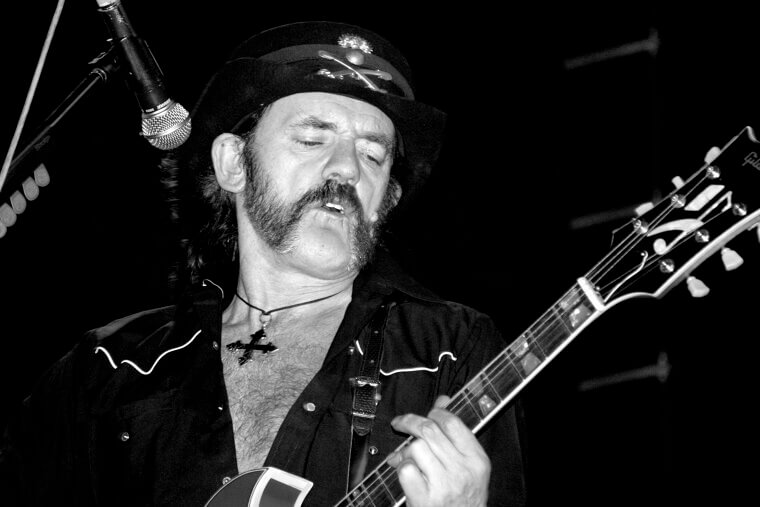
His working-class roots defined his unpretentious, straightforward approach to hard rock music. His incredible journey from a rural Welsh factory to international rock stardom remains truly inspiring. His incredible journey from a rural Welsh factory to international rock stardom remains truly inspiring.
Gene Simmons (KISS) - Arriving in New York as an Immigrant Living in a Poor Queens Neighborhood
Gene Simmons was born Chaim Witz in Haifa, Israel, where his family faced severe economic hardship following World War 2. After immigrating to New York City at age 8 with his mother, a Holocaust survivor, he grew up in a modest apartment in Flushing, Queens. His mother worked long hours in a button factory to pay for basic necessities, while young Gene collectd together pocket money by collecting scrap paper and selling second-hand comic books.

Gene worked as an assistant at a magazine publishing firm and a public school teacher to save money before co-founding KISS in 1973. The bassist views his immigrant background as the primary catalyst for his relentless work ethic and ambition.
Paul Stanley (KISS) - Driving a New York City Taxi Cab to Pay Rent Between Auditions
Paul Stanley grew up in a working-class household in Manhattan and Queens, facing personal insecurities caused by a congenital ear condition. As a young musician trying to break into the music industry during the early 1970s, he lacked steady financial backing. To cover his monthly rent and buy basic guitar gear, Paul worked long shifts driving a yellow taxi cab through the busy streets of New York City. He famously dropped off passengers at Madison Square Garden, promising himself that he would 1 day headline the iconic venue.

That dream became reality when KISS achieved massive stadium success. This humble beginning contrasts sharply with the glamorous, stadium-filling success he achieved later in his career. This humble beginning contrasts sharply with the glamorous, stadium-filling success he achieved later in his career.
Max Cavalera (Sepultura) - Scavenging Food and Sharing Equipment in the Favela Outskirts of Brazil
Sepultura co-founder Max Cavalera faced extreme poverty in Belo Horizonte, Brazil, following his father's sudden death. With his mother struggling to support the family on a minimal income, Max and his brother Igor scavenged for odd jobs to help buy basic food supplies. When the brothers formed Sepultura in 1984, they could not afford standard musical gear, often building drum kits from spare parts and sharing single electric guitars with local friends. The band recorded their early metal tracks using low-cost studio equipment, eventually creating an international thrash metal phenomenon despite severe economic obstacles.
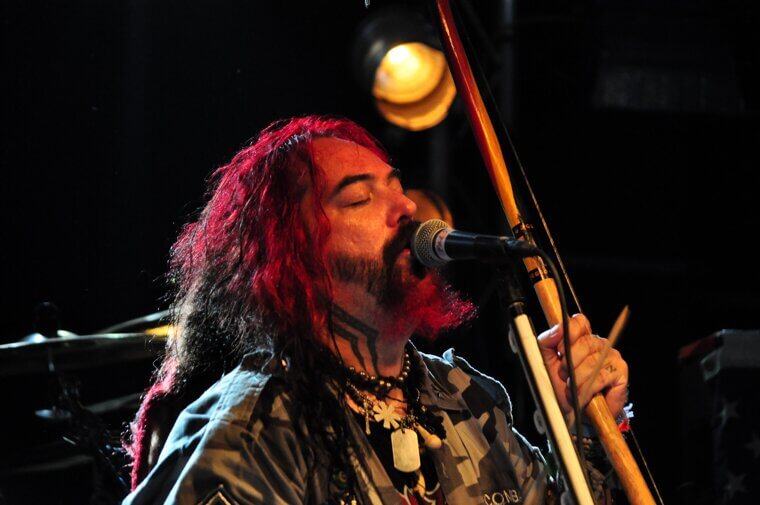
The brothers credit their difficult upbringing for instilling a fierce, uncompromising edge into their thrash riffs.
Nikki Sixx (Mötley Crüe) - Selling Blood and Living in Dilapidated Hollywood Apartments
Nikki Sixx experienced a nomadic, impoverished upbringing moving between grandparents and his mother across several states. When he relocated to Los Angeles as a teenager in the late 1970s, he lived in extreme poverty, sleeping in cheap rental rooms and occasionally on street corners. To survive, Nikki worked low-wage jobs at a liquor store, a record shop, and a vacuum cleaner sales office. He reportedly sold his blood at local clinics to buy basic groceries and guitar strings while trying to form a band.

His desperate early Hollywood existence directly inspired the gritty, aggressive anthems he wrote for Mötley Crüe. The bassist uses his past struggles as motivation to maintain his current success and sobriety.
Mick Mars (Mötley Crüe) - Working Construction and Factory Jobs for a Decade Before Hitting It Big
Mötley Crüe guitarist Mick Mars spent over 10 years struggling in near obscurity before achieving commercial success. Dropping out of high school in Indiana, he moved to California and worked a series of low-paying blue-collar jobs, including home painting and basic construction work, to support his young family. He played in various unsuccessful bar bands throughout the 1970s, often struggling to pay rent or maintain working equipment while battling severe spinal health issues. When he answered Nikki Sixx's newspaper advertisement in 1981, Mick lived in a sparse apartment with very few personal belongings.

His quiet perseverance through an entire decade of failure makes his eventual triumph even sweeter.
Phil Anselmo (Pantera) - Working on New Orleans Fishing Boats After Running Away From Home
Phil Anselmo experienced a difficult, low-income childhood in New Orleans, Louisiana, before joining Pantera. After leaving home at a young age, he survived by staying with friends or working manual labor jobs around the local docks. To earn basic living expenses, he worked long shifts on commercial shrimp fishing boats in the Gulf of Mexico, enduring rough seas and physical exhaustion. Phil spent several years playing in local bar bands across the South before auditioning for Pantera in 1986.

His blue-collar work ethic and street-level experiences infused Pantera's music with an aggressive, unvarnished edge. The vocalist maintains a strong connection to his blue-collar roots, often referencing his tough Southern upbringing.
Tom Araya (Slayer) - Working as a Hospital Respiratory Therapist to Fund Slayer's Debut Album
Tom Araya immigrated to California from Chile with his family in 1966, settling in a working-class neighborhood in South Gate. His father worked as a machinery operator while his mother took in sewing jobs to support their 7 children. To help cover personal expenses and finance his passion for music, Tom enrolled in a 2-year vocational program and worked as a certified respiratory therapist at a local hospital. He used his regular hospital paychecks to help fund Slayer's 1983 debut album Show No Mercy, balancing demanding medical shifts with late-night band rehearsals.

The frontman remains highly proud of his working-class medical background, citing it as a grounding influence.
Kurt Cobain (Nirvana) - Working as a School Janitor and Sleeping Under Bridges
Kurt Cobain endured a financially challenging youth in the timber town of Aberdeen, Washington. Following his parents' divorce, he spent periods without a permanent home, sleeping on friends' couches, in hospital waiting rooms, and occasionally under a local bridge. To earn money for rent and guitar equipment, Kurt worked as a late-night janitor at a local high school, cleaning the very classrooms he had attended as a student. His low-income roots and feelings of economic isolation heavily influenced his songwriting on Nirvana's early records before Nevermind transformed global rock music.
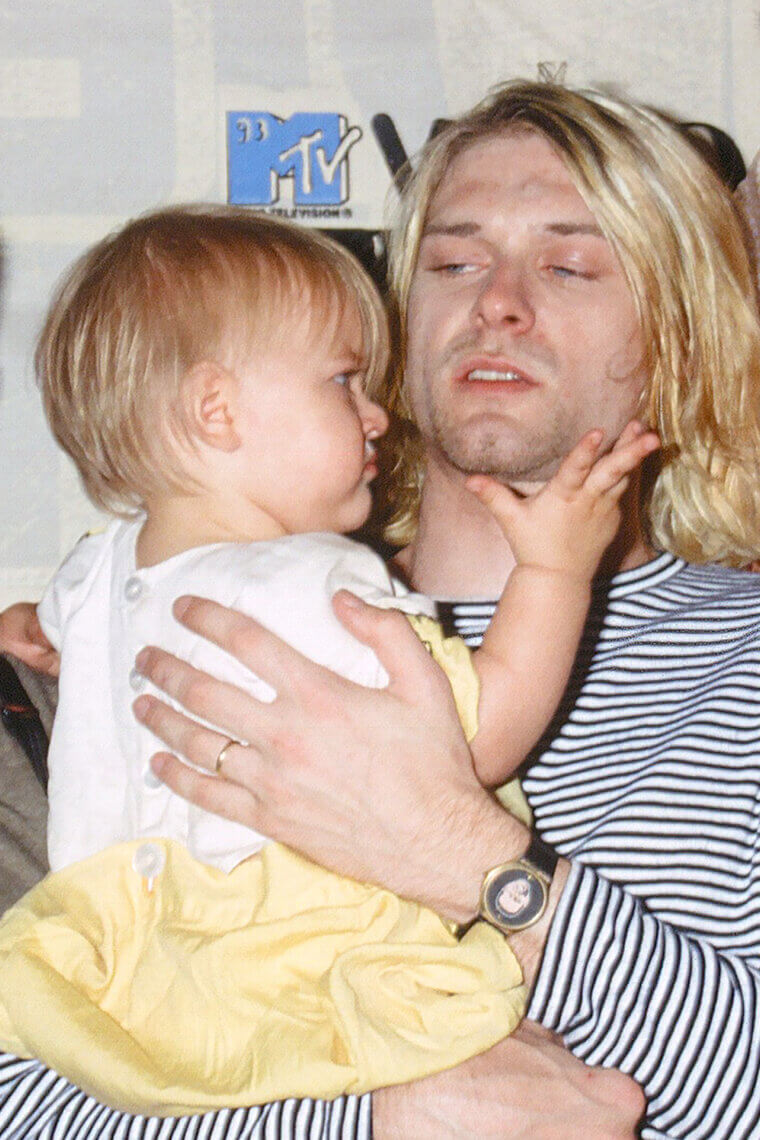
His profound sense of economic isolation provided the emotional core for an entire generation of grunge fans.
Rob Halford (Judas Priest) - Growing Up in Working-Class Council Housing in Walsall
Judas Priest frontman Rob Halford grew up in a modest council housing estate in Beechdale, an industrial suburb of Walsall, England. His father worked as a steelworks engineer while his mother labored as a laundry worker, managing tight family finances in post-war Britain. Rob took various low-paying jobs after leaving school at age 16, working as a theater stagehand and a clothing shop assistant to support himself. The gritty, industrial backdrop of the West Midlands heavily influenced Judas Priest's heavy metallic imagery and anthem songwriting during their rise to prominence.

The singer views his industrial British upbringing as the perfect training ground for a career in heavy rock.
Brian Johnson (AC/DC) - Fitting Vinyl Car Roofs in a Small Newcastle Workshop
Before joining AC/DC in 1980, Brian Johnson spent years working blue-collar manual labor jobs in Newcastle, England. After his previous glam rock band Geordie failed to achieve long-term financial success, Brian established a small car repair workshop where he fitted vinyl roofs on automobiles to earn a living. He worked long, tiring shifts in the shop while living in a modest house with his family, assuming his music career was largely over. When AC/DC called him to audition following Bon Scott's death, Brian had to borrow money just to pay for travel expenses to London.

His transition from a struggling workshop owner to a global stadium headliner remains an incredible rock fairy tale.
Bon Scott (AC/DC) - Working as a Postman and Dock Laborer in Western Australia
Original AC/DC lead singer Bon Scott immigrated from Scotland to Australia as a child, growing up in working-class neighborhoods in Melbourne and Fremantle. Leaving school at age 15, he took a series of demanding manual labor jobs, working as a postman, a tractor driver, and a laborer at a local fertilizer plant. Bon spent years performing in local rock bands while living in modest rented quarters and taking temporary factory shifts to survive. His rugged, working-class background gave AC/DC their signature streetwise charisma and authentic rock and roll attitude throughout the 1970s.
The legendary frontman brought a genuine, tough authenticity to his performances that could never be faked.
Biff Byford (Saxon) - Working Down in the Coal Mines and Textile Mills of Yorkshire
Saxon frontman Biff Byford grew up in an impoverished industrial community in West Yorkshire, England. Following his mother's death when he was just 11 years old, his family faced severe economic hardships. Biff left school at a young age to work in a local textile mill before taking a physically grueling job as a carpenter in a local coal mine. He spent years working long underground shifts in the mines while playing bass and singing in local rock groups on weekends before Saxon secured a recording contract during the New Wave of British Heavy Metal.
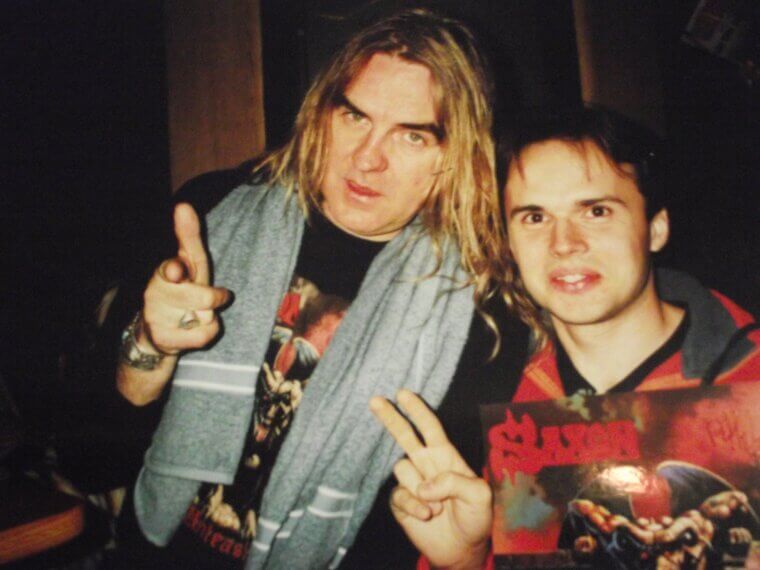
The vocalist never forgot his arduous days in the coal mines, maintaining his working-class attitude throughout his career.
Klaus Meine (Scorpions) - Working as a Factory Decorator to Support His Early Band Ambitions
Scorpions vocalist Klaus Meine grew up in post-war Hannover, Germany, in a working-class family with very limited financial resources. To earn a reliable income while pursuing his passion for singing, Klaus completed an apprenticeship as a trade decorator, spending long hours painting and decorating industrial buildings and houses. He balanced his manual labor job with late-night band practices and weekend performances across Northern Germany. Klaus worked in the trade for several years until the Scorpions established enough financial stability to allow him to pursue music full-time in the mid-1970s.

The singer's strong work ethic, forged during his days as a tradesman, helped sustain his massive international success.
Zakk Wylde (Black Label Society) - Working as a Gas Station Attendant in New Jersey Before Joining Ozzy
Guitar virtuoso Zakk Wylde grew up in a working-class family in Jackson, New Jersey, practicing guitar up to 12 hours a day in his bedroom. In his late teens, Zakk worked as a low-wage gas station attendant to pay for guitar accessories, equipment repairs, and personal living expenses. He was working at the local service station when he submitted a demo tape to Ozzy Osbourne's management team in 1987. Within weeks, the 20-year-old musician moved from pumping gas in New Jersey to playing lead guitar in sold-out arenas worldwide.
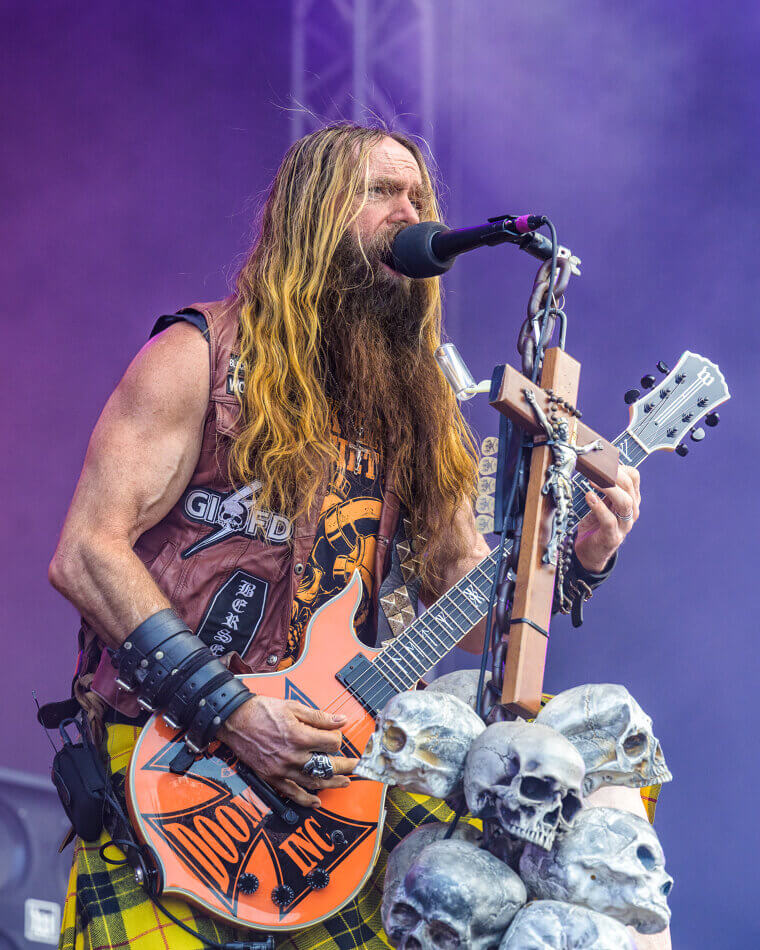
The guitarist views his rapid ascent from a local gas station to the global stage as a miraculous turning point.
Sully Erna (Godsmack) - Navigating Impoverished Streets and Odd Jobs in Lawrence, Massachusetts
Godsmack founder Sully Erna grew up in a tough, economically depressed neighborhood in Lawrence, Massachusetts. Raised in a low-income household, he witnessed frequent crime and financial struggle throughout his youth. Sully worked various low-wage jobs, including line cooking and basic upholstery work, while playing drums and guitar in various unsuccessful local bands for over 15 years. He lived in cheap rental apartments with minimal furniture, pouring all his spare earnings into musical equipment before Godsmack achieved multi-platinum success with their 1998 debut album.
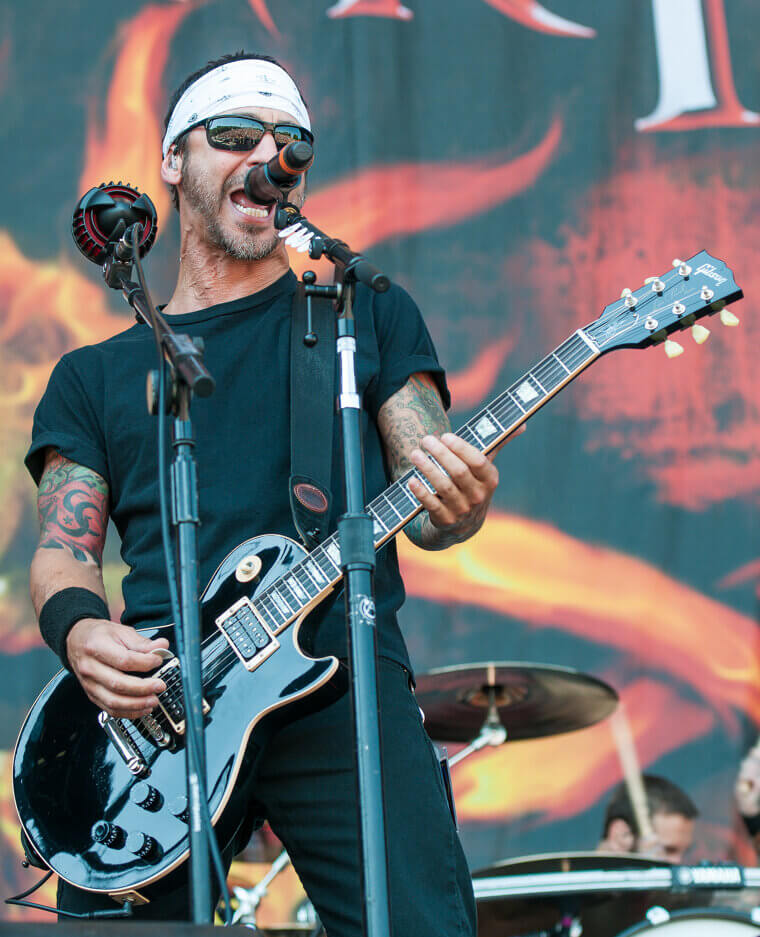
The drummer-turned-vocalist views his difficult youth as a necessary trial that prepared him for industry challenges.
Dee Snider (Twisted Sister) - Working Desk Jobs and Retail Counters During a Decade of Struggle
Twisted Sister frontman Dee Snider spent nearly 10 years facing financial instability while trying to break through with his band. Growing up in a working-class household on Long Island, Dee took a series of low-paying clerical and retail jobs, including working at a clothing counter and a desk office, to pay his family's monthly rent. Throughout the late 1970s and early 1980s, Twisted Sister played small tri-state clubs without a major record contract, leaving Dee and his bandmates living paycheck to paycheck before Stay Hungry propelled them to international fame.

The charismatic frontman frequently references his tough years working retail as the ultimate motivation to succeed.
Doro Pesch (Warlock) - Working as a Graphic Typographer in Düsseldorf while Living in Cheap Quarters
Doro Pesch grew up in a working-class family in Düsseldorf, Germany, developing a passion for heavy rock during her teenage years. To support herself and afford band equipment, she worked as a graphic designer and typographer at a local printing firm, spending long days at a layout desk before attending evening band rehearsals. Doro lived in modest rented rooms, spending almost all her earnings on stage clothing and travel costs for Warlock's early European club tours before the group achieved major international success.

The vocalist remains proud of her independent spirit, forged during those early, cash-strapped days in Germany.
Blackie Lawless (W.A.S.P.) - Working Blue-Collar Jobs and Living in Cheap Apartments in Los Angeles
W.A.S.P. leader Blackie Lawless grew up in Staten Island, New York, before moving to Los Angeles in the mid-1970s to pursue a music career. During his early years in Hollywood, he lived in extreme poverty, staying in dilapidated rental units and working temporary manual labor jobs to pay rent. Blackie spent nearly a decade playing in short-lived groups like Sister and London, often lacking funds for basic groceries or reliable transportation. His long financial struggle ended when W.A.S.P. formed in 1982, quickly securing a major record deal.

The musician credits his years of living in poverty for giving him a fierce, unyielding artistic vision.
Ronnie James Dio (Dio) - Growing Up in a Working-Class Italian-American Family in Upstate New York
Ronnie James Dio, born Ronald James Padavona, grew up in a modest, working-class Italian-American family in Cortland, New York. His father worked long hours as a mailman and factory worker to provide for the family in a small, traditional home. Ronnie started playing trumpet at age 5 before picking up the bass guitar and forming local rock groups in his early teens. He spent over 15 years playing small upstate venues and college bars in relative obscurity before joining Elf, Rainbow, Black Sabbath, and eventually founding Dio.
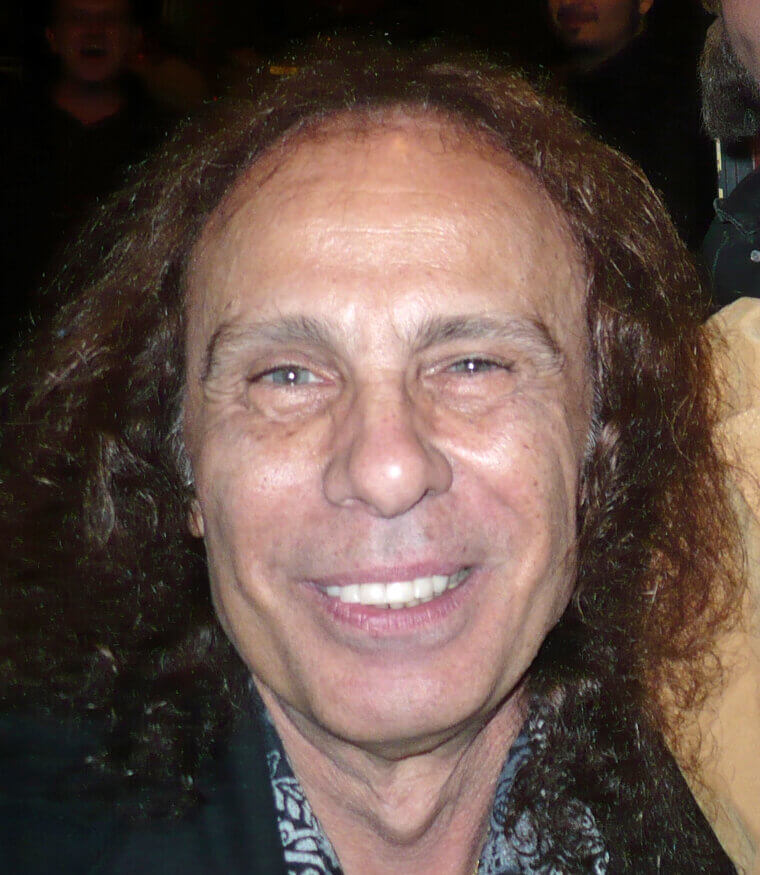
The legendary singer viewed his modest upbringing as a source of immense personal strength and character.
Jonathan Davis (Korn) - Working Night Shifts at a Mortuary While Living in Low-Income Bakersfield
Jonathan Davis experienced an economically difficult upbringing in Bakersfield, California. As a young man, he worked night shifts at a local county mortuary, performing autopsies and preparing bodies for burials to earn a modest living. Jonathan lived in inexpensive rental quarters in Bakersfield, balancing his grim daytime job with rehearsals for his early band early alternative band. When he co-founded Korn in 1993, he relocated to Los Angeles with almost no money, living in a cramped house with bandmates before their debut album launched the nu-metal genre.

The vocalist acknowledges that his grim early employment directly influenced the dark, emotional themes of his music.
Dave Grohl (Nirvana) - Living on a Food Budget in a Cramped Olympia Apartment
Dave Grohl grew up in a single-parent household in Springfield, Virginia, after his parents divorced. His mother, a public school teacher, worked hard to support Dave and his sister on a modest salary. When Dave moved to Washington state in 1990 to join Nirvana, he lived with Kurt Cobain in a tiny, cluttered apartment in Olympia. The duo survived on a strict daily food budget, often eating cheap corn dogs and microwave meals while practicing for hours in a cold rehearsal space before Nevermind achieved global fame.
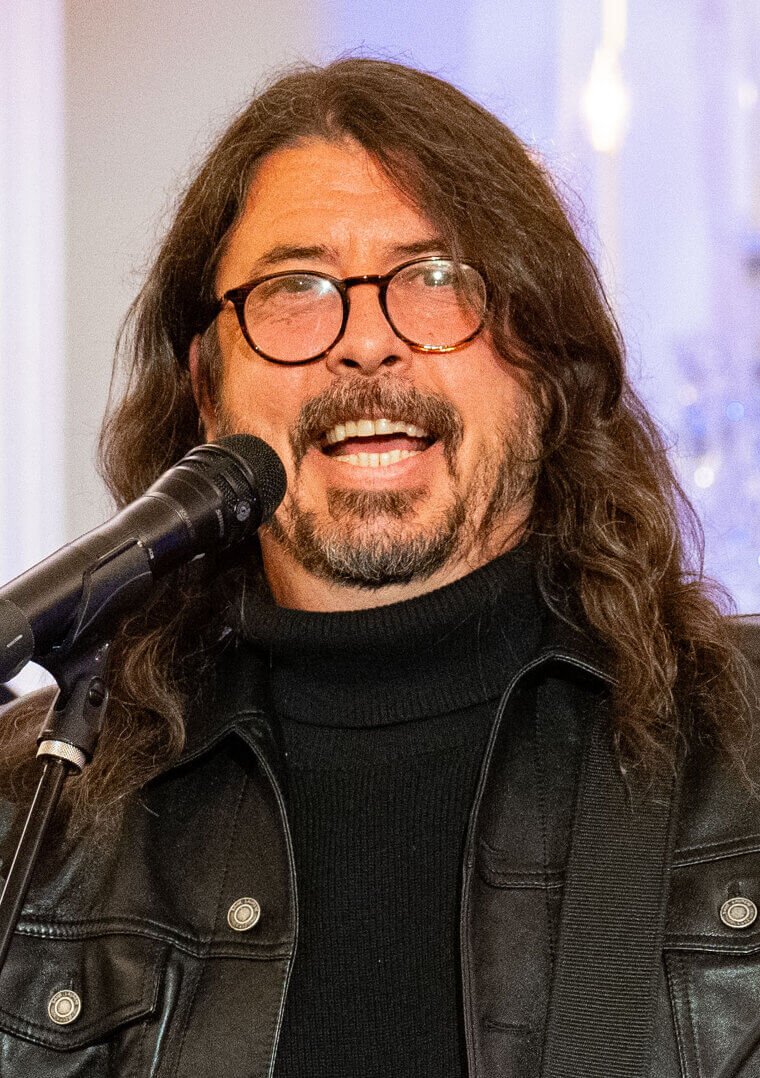
The drummer's time living on a shoestring budget fostered a deep appreciation for his later financial security.
Chester Bennington (Linkin Park) - Working at a Fast Food Counter and Living in a Sparse Phoenix Flat
Chester Bennington experienced a difficult, low-income youth in Phoenix, Arizona. During his late teens and early twenties, he worked a low-wage job at a fast food restaurant counter to afford rent on a sparse, modestly furnished apartment. Chester struggled financially for years while singing for local Phoenix rock groups, often using public transportation because he could not afford a car. When he auditioned for the band that became Linkin Park in 1999, he left his fast food job and moved to California with very few personal possessions.

The singer used his difficult youth as emotional fuel, delivering vocal performances packed with genuine pain. Sadly, that pain took over, and Chester took his own life in 2017.
Lzzy Hale (Halestorm) - Building Custom Stage Gear on a Rural Pennsylvania Farm
Halestorm frontwoman Lzzy Hale grew up on a small rural farm in Red Lion, Pennsylvania, where her family managed tight agricultural finances. When she formed Halestorm with her brother Arejay in their early teens, the family lacked funds to purchase commercial stage equipment. Lzzy and her brother built their own custom speaker cabinets and drum hardware using spare farm materials and plywood. The family toured local county fairs and small regional clubs in an old RV, maintaining a DIY work ethic that carried them to Grammy-winning hard rock success.

The guitarist views her family's DIY approach to building equipment as a crucial lesson in musical independence.
Sebastian Bach (Skid Row) - Living in Cheap Rental Rooms in Toronto Before His Big Audition
Sebastian Bach grew up in Peterborough and Toronto, Ontario, living in modest rental apartments following his parents' separation. As a teenage singer trying to establish a music career, he lived in cheap, shared housing units while performing with local Canadian bar bands. Sebastian struggled financially, often relying on friends for temporary lodging and meals. When he received a cassette tape demo from Skid Row in 1987, he had to gather spare change to afford travel expenses to New Jersey for the audition that launched his career.
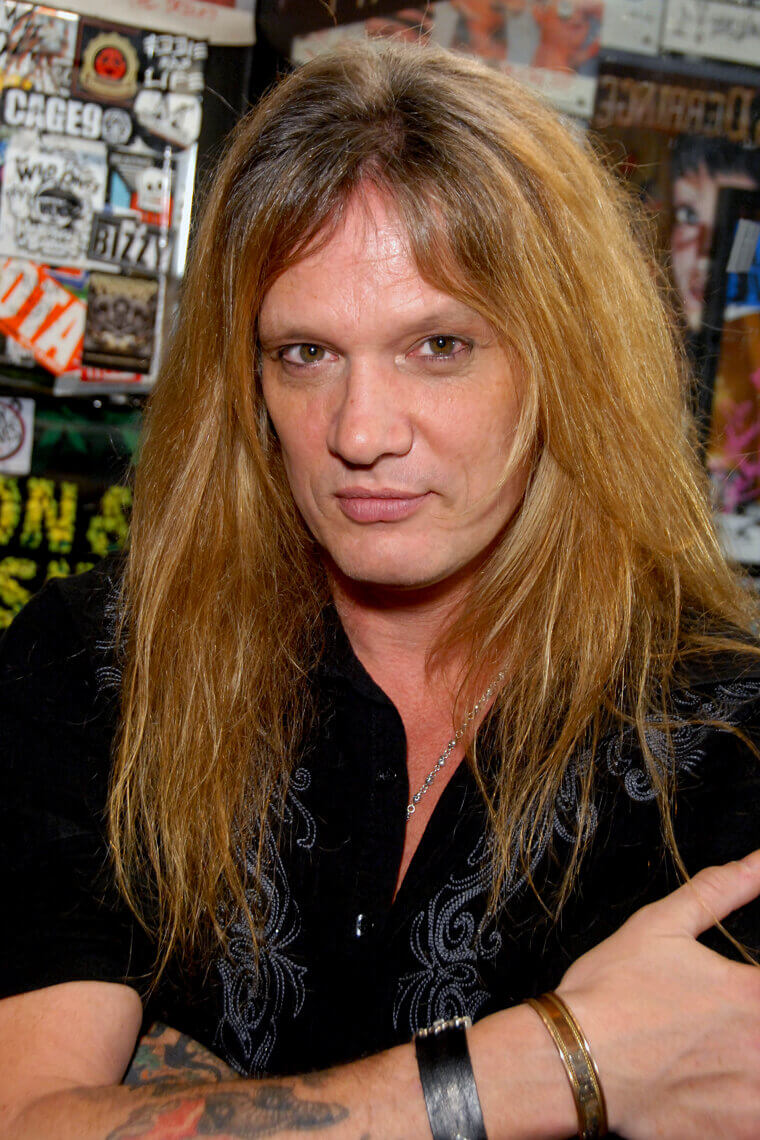
The vibrant frontman credits his lean years in Canada for teaching him the true value of hard work.
Alice Cooper - Living in Working-Class Detroit and Scavenging for Rental Money in Phoenix
Alice Cooper, born Vincent Furnier, grew up in a working-class neighborhood in Detroit before his family relocated to Phoenix, Arizona, due to childhood health issues. His father worked as a lay preacher and factory worker, providing a modest living for the family. When Alice formed his original rock band in the late 1960s, the musicians lived together in cramped rental houses, frequently lacking funds for food, gasoline, or basic equipment repairs. The band endured years of financial struggle and negative reviews before their 1971 breakthrough album Love It to Death.

The theatrical rock pioneer never lost touch with the gritty, working-class attitude he developed in Detroit.
Lita Ford (The Runaways) - Working Retail Counter Jobs While Trying to Launch Her Solo Career
Lita Ford moved from England to Los Angeles with her working-class parents as a child, growing up in a modest Long Beach neighborhood. Following the breakup of The Runaways in 1979, Lita faced severe financial insecurity while trying to establish herself as a solo artist. She took various low-paying blue-collar jobs, including working as a retail clothing clerk and a perfume sales representative, to pay her rent and equipment loans. Lita persevered through several lean years before her 1988 album Lita achieved multi-platinum success.

The guitarist views her difficult transition to a solo artist as the ultimate test of her musical dedication.
Joan Jett (The Runaways) - Living in Sparse Apartments and Driving Her Own Tour Van Across the Country
Joan Jett grew up in a working-class family that moved frequently before settling in suburban Los Angeles. After The Runaways disbanded in 1979, major record labels repeatedly rejected Joan's solo material, leaving her with minimal financial backing. Undeterred, Joan and her producer Kenny Laguna printed their own records and sold them out of the trunk of her car after shows. Joan lived in sparse, inexpensive rental rooms while driving her own tour van across America, playing small clubs until I Love Rock 'n' Roll became a massive number 1 hit.

The punk icon's fierce independence, forged during her solo tours, made her a legendary figure in rock history.
Vince Neil (Mötley Crüe) - Living in Cheap Motel Rooms and Working Odd Jobs in Glendora
Vince Neil grew up in working-class neighborhoods in Compton and Glendora, California, facing a turbulent youth. As a teenager, he lived in cheap, low-cost rental units and worked various odd jobs, including installing vinyl fencing and working at a local roller rink, to cover basic living expenses. Vince spent several years singing for a local cover band named Rock Candy while barely making rent before his high school friend Tommy Lee invited him to join Mötley Crüe in 1981, transforming his life forever.
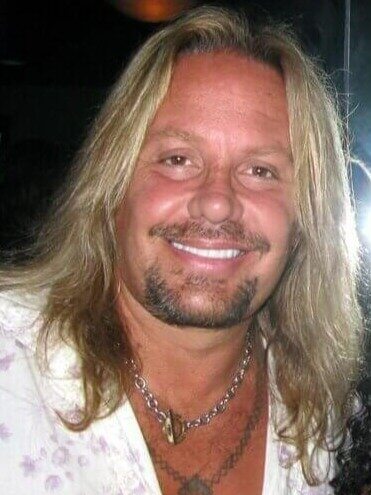
The vocalist views his early struggles in California as a necessary foundation for his wild, successful career.
Slash (Guns N' Roses) - Living in Modest Hollywood Quarters and Working at a Video Store
Slash, born Saul Hudson, moved from London to Los Angeles as a child, growing up in a creative but financially unpredictable environment following his parents' separation. As a young guitarist trying to make it on the Sunset Strip during the early 1980s, Slash worked a low-wage job at a local video rental shop to pay for guitar strings and basic living costs. He lived in sparse, crowded Hollywood apartments with fellow musicians, often lacking money for regular meals before Guns N' Roses achieved global success.

The iconic guitarist credits his chaotic, impoverished youth for inspiring his distinctive, bluesy playing style.
Duff McKagan (Guns N' Roses) - Working Manual Labor Jobs and Living in Rehearsal Spaces
Duff McKagan grew up as the youngest of 8 children in a working-class family in Seattle, Washington. Moving to Los Angeles in 1984 with very little money, Duff worked as a restaurant dishwasher and manual laborer to cover rent on tiny apartments. During the early days of Guns N' Roses, Duff and his bandmates lived together in a cramped, unheated rehearsal space nicknamed the Hell House, sharing minimal food and resources while crafting the songs that eventually appeared on Appetite for Destruction.

The bassist frequently reflects on those cramped rehearsal days as the creative peak of his legendary band.