
Have you ever wondered if your favorite heavy metal anthem was almost lost to history? We gathered the most famous hard rock tracks that reportedly barely made the final cut. Check out these legendary songs that were almost scrapped!
Black Sabbath Barely Included 'Paranoid' On The 'Paranoid' Record
The iconic heavy metal pioneers had virtually wrapped up production on their second studio release in 1970 when their producer unexpectedly informed them they needed roughly 3 more minutes of audio to satisfy their recording contract. Guitarist Tony Iommi spontaneously started playing a fast, aggressive riff he created right there on the spot, prompting the rest of the musicians to quickly join in. Bassist Geezer Butler reportedly penned the lyrics in about 25 minutes, aiming to capture a profound feeling of existential dread.
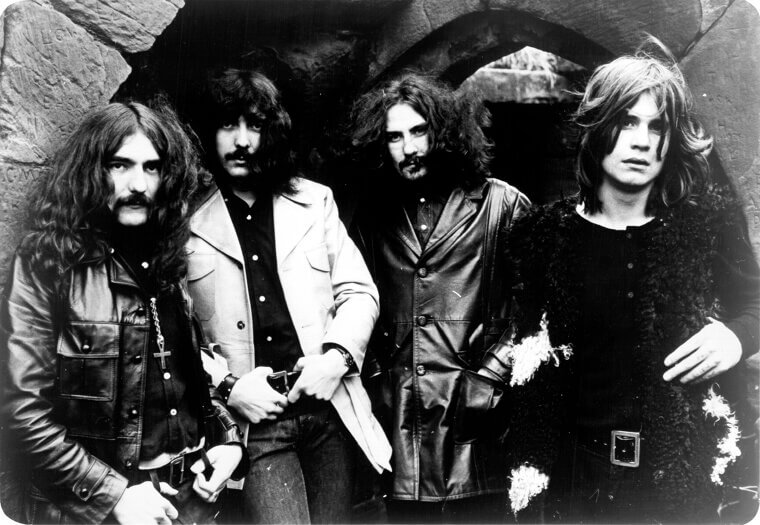
Even though the band viewed it as a rushed filler track, the record label demanded it serve as the lead single, ultimately transforming it into their definitive signature anthem.
Guns N' Roses Almost Cut 'Sweet Child O' Mine' From 'Appetite for Destruction'
During a jam session at their house in 1986, Slash was doing a string-skipping exercise on his guitar that he considered a silly circus melody, hoping to annoy his bandmates. Instead of dismissing it, rhythm guitarist Izzy Stradlin started playing chords underneath the exercise, and bassist Duff McKagan added a baseline. Singer Axl Rose overheard the music from his upstairs bedroom and allegedly began writing lyrics based on a poem he was working on for his girlfriend at the time.

Slash fought against including the song on their debut album because he felt it did not represent their gritty sound, yet it became their only track to reach number 1 on the charts.
Metallica Hesitated To Put 'Nothing Else Matters' On 'The Black Album'
Frontman James Hetfield wrote the somber ballad while talking on the phone with his girlfriend during a massive touring cycle, playing the open guitar strings with one hand. The lyrics were deeply personal, reflecting his feelings of homesickness and the struggles of maintaining relationships while spending months out on the road. Hetfield was famously protective of the track, assuming it was far too vulnerable and soft for a thrash metal band known for aggressive, fast-paced music.
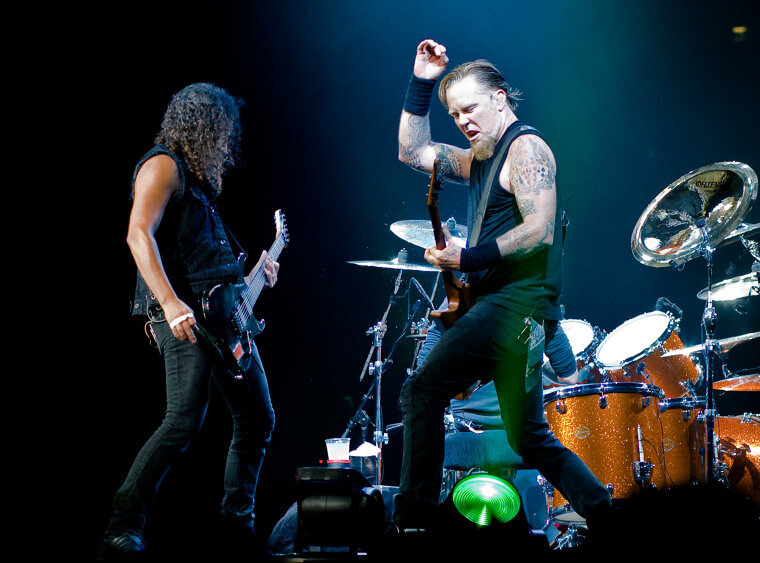
Drummer Lars Ulrich heard the demo and reportedly convinced Hetfield it needed to be recorded, resulting in a global crossover hit that introduced the group to a mainstream audience.
Judas Priest Nearly Dropped 'Living After Midnight' From 'British Steel'
The British metal legends were recording at a sprawling estate once owned by John Lennon, working long hours into the early morning to finish their 1980 release. Guitarist Glenn Tipton was strumming a catchy chord progression late at night, which woke up singer Rob Halford who complained about the noise. Tipton suggested Halford use his frustration to write some lyrics, leading the vocalist to quickly draft words about the band's nocturnal lifestyle and endless partying.
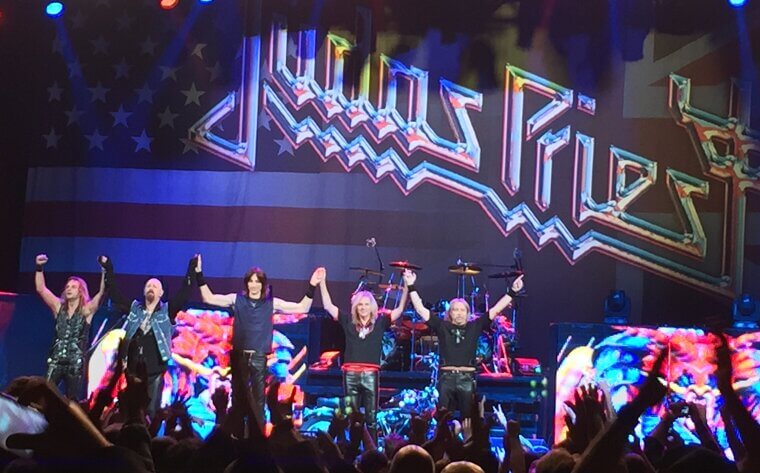
The group initially felt the riff was too pop-oriented for their heavy sound, but it successfully bridged the gap between hard rock and commercial radio play.
Def Leppard Was Close To Scrapping 'Pour Some Sugar on Me' From 'Hysteria'
The band had already spent years meticulously crafting their 1987 album and were exhausted from the grueling recording process. Lead singer Joe Elliott was messing around with an acoustic guitar in the control room during a coffee break, humming a hook he had stuck in his head. Producer Mutt Lange happened to walk by, heard the melody, and immediately commanded the exhausted band to halt everything else and focus on developing this new idea.
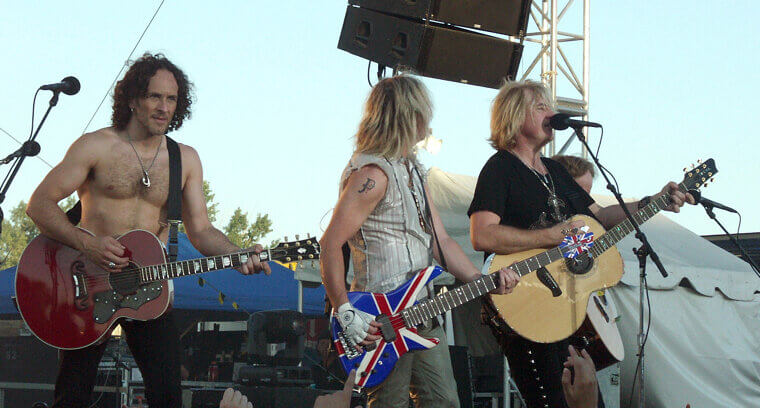
The musicians were hesitant to start a brand new song at the 11th hour, but Lange's insistence paid off when it became their biggest career milestone.
Motley Crue Considered Leaving 'Kickstart My Heart' Off 'Dr. Feelgood'
Bassist Nikki Sixx wrote the fast-paced track while playing an acoustic guitar at his home, drawing inspiration from a major medical emergency where his heart temporarily stopped. He scribbled the words down on a piece of paper, reflecting on his survival and his newfound commitment to seeking out adrenaline rushes through healthier avenues like riding motorcycles and skydiving. Sixx thought the chord progression was too frantic and punk-rock leaning to fit onto their polished heavy metal album.
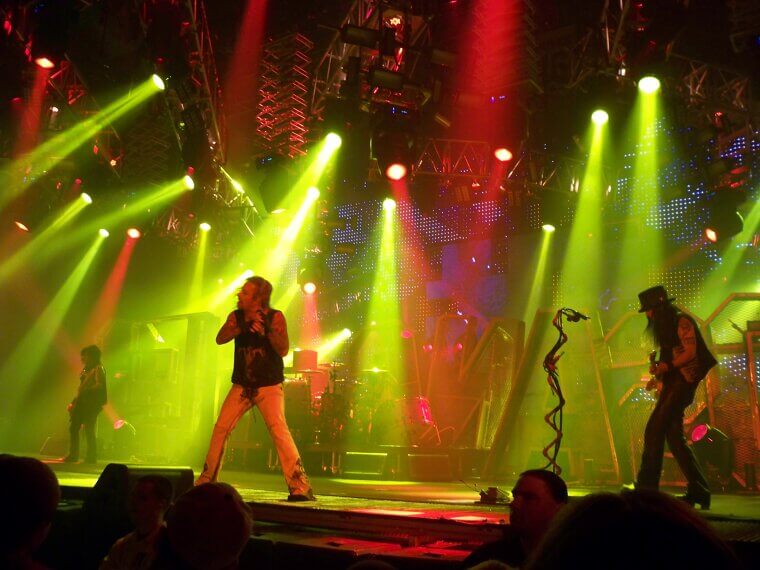
The band's manager heard the rough acoustic demo and strongly encouraged the group to electrify it, which turned it into a massive staple of their live shows.
Megadeth Almost Kept 'Symphony of Destruction' Off 'Countdown to Extinction'
Frontman Dave Mustaine wrote the foundation of the track after watching the movie 'The Manchurian Candidate', drawing heavy inspiration from themes of political manipulation and public control. He developed a very simple, repetitive guitar riff that anchored the verses, but he felt incredibly self-conscious about its lack of technical complexity. Mustaine was known for intricate, lightning-fast thrash metal playing, and he allegedly worried that his core fanbase would accuse him of selling out to commercial interests.
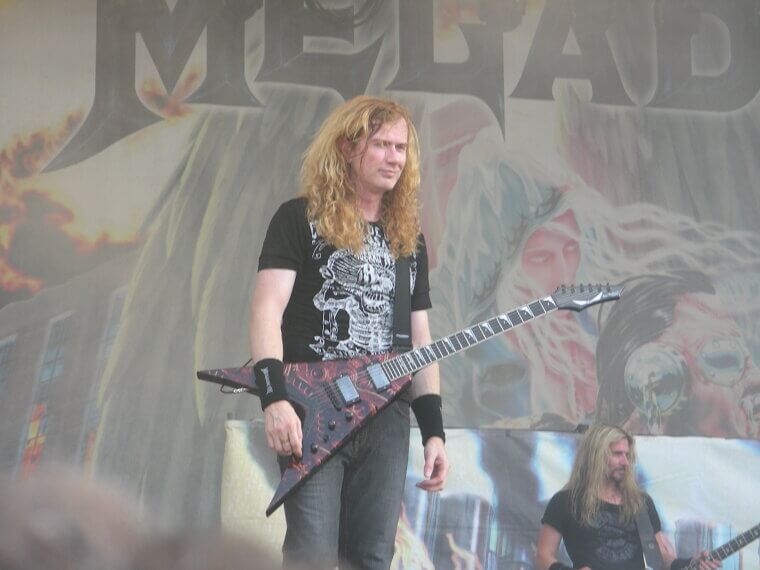
Producer Max Norman urged the band to embrace the mid-tempo groove, helping the song achieve massive radio success while maintaining the group's signature aggressive edge.
Alice Cooper Barely Kept 'School's Out' On The 'School's Out' Record
The shock rocker wanted to capture the specific feeling of the last 3 minutes of the final day of classes before summer vacation begins. Guitarist Glen Buxton created the iconic, taunting guitar riff by mimicking a childish playground melody he remembered clearly from his youth. Some members of the group reportedly felt the arrangement was too simplistic and juvenile, fearing it lacked the dark, theatrical depth of their previous work.
Producer Bob Ezrin recognized its potential as a universal teenage anthem and brought in a children's choir to sing the chorus, elevating the track to legendary rock status.
Deep Purple Never Planned To Put 'Smoke on the Water' On 'Machine Head'
The band traveled to Switzerland in 1971 to record their album using a mobile studio stationed near a popular casino complex on the edge of Lake Geneva. During a Frank Zappa concert at the venue, a fan fired a flare gun into the ceiling, burning the entire building to the ground while the musicians watched from their hotel. They quickly jammed out a basic track to test out a new recording space, with singer Ian Gillan later writing literal lyrics chronicling the disastrous fire.

The band did not see it as a serious commercial contender, but it eventually exploded in popularity due to its unforgettable 4-note guitar riff.
Korn Was Hesitant To Feature 'Blind' On Their Debut Release
The nu-metal pioneers were finalizing the tracklist for their 1994 self-titled album when they realized they needed a powerful opening statement. Singer Jonathan Davis had originally co-written the core structure of the track while performing with his previous local band, Sexart, before he joined Korn. The musicians were concerned about potential legal and creative disputes over the songwriting credits, leading to lengthy debates about whether it was worth the risk to include it.
They ultimately decided to rework the heavy groove and add a famous cymbal intro, creating a defining moment that launched a new era of heavy music.
Pantera Played Around With 'Walk' Before Putting It On 'Vulgar Display of Power'
Guitarist Dimebag Darrell was testing out his amplifier tone during a soundcheck before a live performance, casually strumming a bizarre, syncopated rhythm. The rest of the band found the groove amusing and started jamming along just to pass the time before the venue doors opened. Singer Phil Anselmo reportedly heard the bouncing riff and decided it perfectly matched a lyrical concept he was developing about confronting arrogant people who talk behind other people's backs.
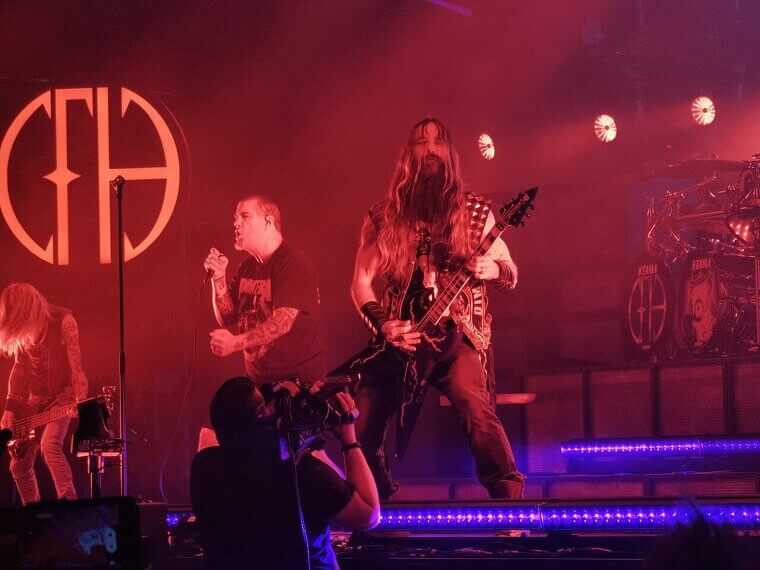
The group initially treated it as a joke, but its undeniable swagger convinced them to formally record it and make it a cornerstone of their catalog.
Aerosmith Almost Left 'Walk This Way' Off 'Toys in the Attic'
The Boston rockers were struggling to come up with new material during a jam session in 1975 when guitarist Joe Perry started messing around with a funky rhythm. Singer Steven Tyler jumped on the drum kit to help find the groove, eventually running back to the microphone to scat nonsensical words over the beat. Tyler reportedly ran to the hallway to write lyrics based on a classic movie line, but he accidentally left the notebook in a taxi cab.

He had to re-write the words from memory on the studio walls, saving a track that the group had nearly abandoned due to frustration.
Disturbed Did Not Initially Plan For 'Down with the Sickness' To Make 'The Sickness'
The Chicago metal act was working on refining their aggressive sound when they stumbled upon a tribal, bouncing drum beat created by Mike Wengren. Vocalist David Draiman was struggling to find a vocal pattern that matched the percussive energy, so he spontaneously let out a series of rhythmic, animalistic noises. The rest of the musicians were allegedly confused by the bizarre vocalization, wondering if it was too weird for a serious heavy metal release.

Draiman convinced them that the raw emotion fit perfectly with the lyrical themes of inner turmoil, turning it into their most recognizable sonic trademark and a huge radio hit.
Avenged Sevenfold Debated Leaving 'Dear God' Off Their Self-Titled Album
The California hard rock band took a significant creative departure in 2007 by experimenting with unexpected genres and instrumentation. Lead guitarist Synyster Gates composed a mellow, acoustic-driven track that heavily utilized pedal steel guitar, giving the music a distinct country and western flavor. The group spent weeks arguing about whether a traditional rock audience would accept such a drastic stylistic shift, fearing it might alienate their core fanbase who expected aggressive guitar solos.
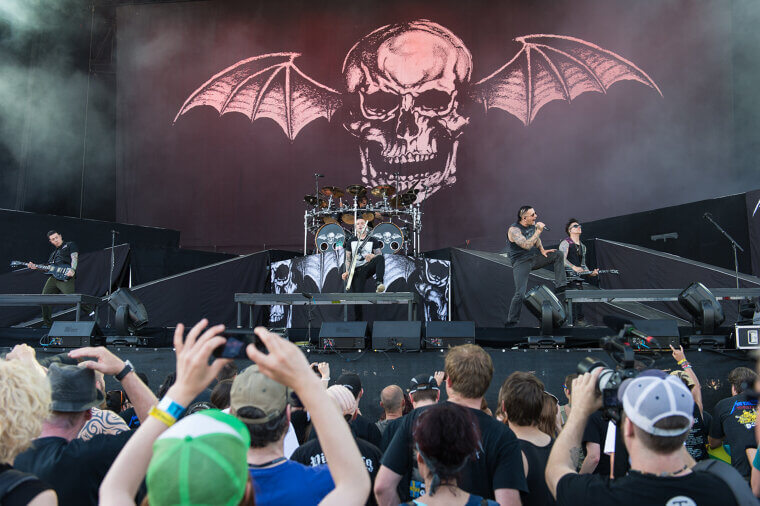
They eventually decided to take the creative risk, valuing artistic growth over commercial predictability, and the gamble paid off completely by expanding their global audience into new markets.
Motorhead Barely Accepted 'Ace of Spades' For The 'Ace of Spades' Record
Frontman Lemmy Kilmister penned the famous gambling-themed lyrics in the back of a speeding transit van while the group was touring across the country. He combined his fascination with slot machines and card games to create metaphors for living life dangerously and taking risks. Despite the fast, relentless energy of the instrumental backing, Lemmy reportedly thought the song was fairly average compared to the rest of the material they had written for the 1980 release.
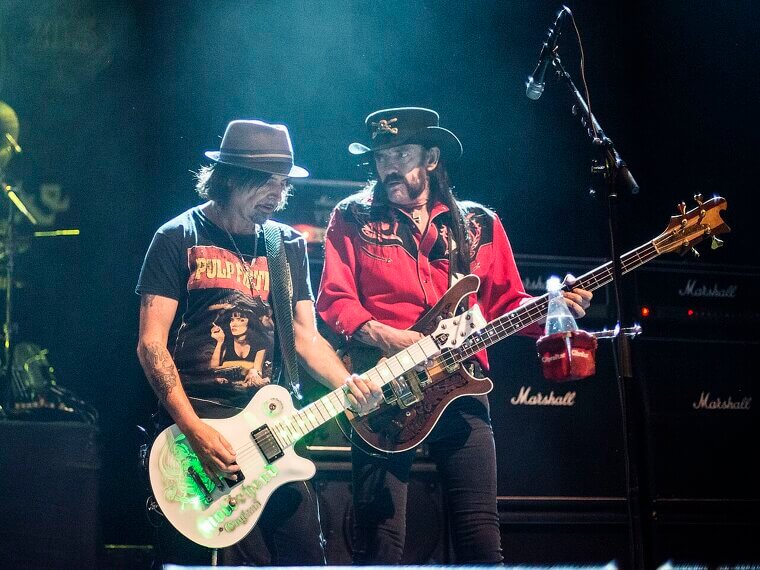
The record label immediately recognized the commercial potential of the driving rhythm and pushed the band to feature it prominently, cementing their legacy as heavy metal icons.
Dio Almost Gave 'Holy Diver' To Another Band Instead Of His Debut Album
Vocalist Ronnie James Dio had recently departed Black Sabbath and was in the early stages of forming his own solo project in 1982. He had written the foundational heavy riff and the medieval, fantasy-inspired lyrics several months prior, while he was still collaborating with Tony Iommi. Dio allegedly considered giving the track to his former bandmates as a parting gift, feeling unsure if he could build a successful solo career around it.
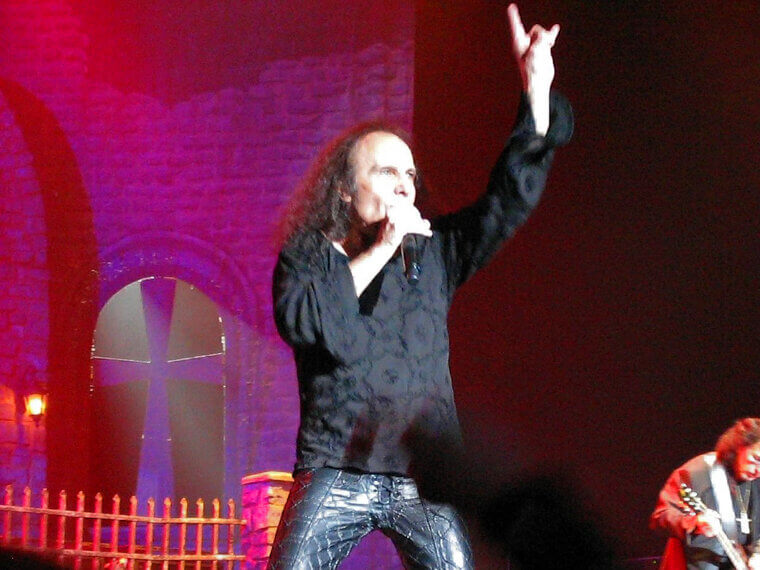
He changed his mind and kept the powerful anthem for himself, launching his solo venture with a massive hit that defined 1980s metal and solidified his rock legend status.
Ozzy Osbourne Considered Cutting 'Mama, I'm Coming Home' From 'No More Tears'
Guitarist Zakk Wylde was sitting in an apartment in 1991, casually strumming an acoustic progression that he felt sounded like a traditional southern country song. He jokingly played the melody for Osbourne, assuming the Prince of Darkness would laugh at the gentle, melodic nature of the music. Instead, Osbourne loved the chords and asked his friend Lemmy Kilmister to help pen lyrics about his wife Sharon and his desire to return from grueling tours.
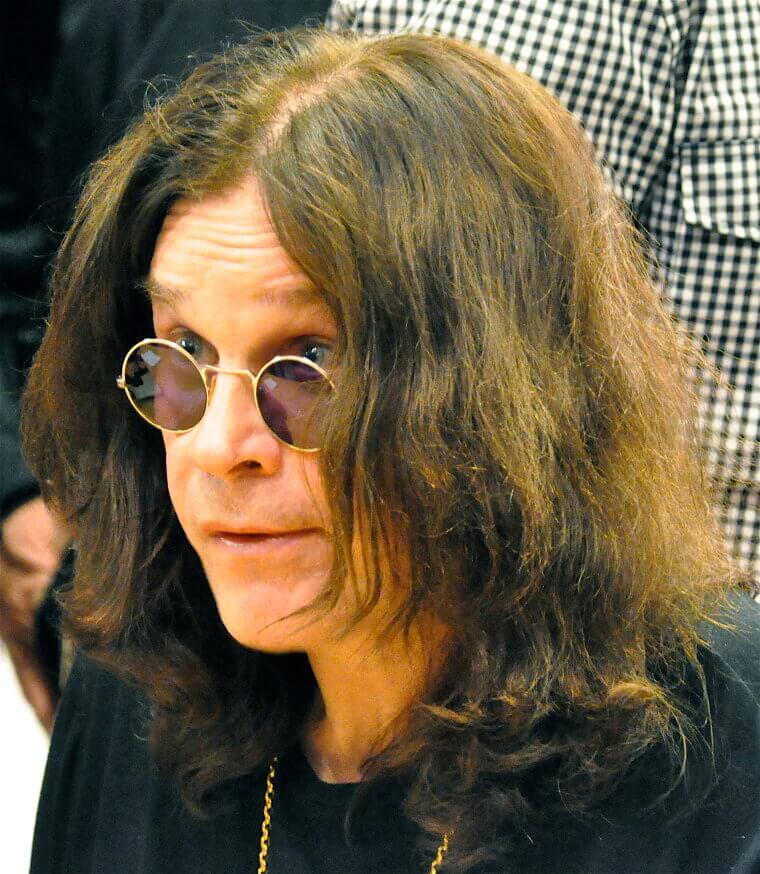
Wylde remained skeptical that it fit the aggressive tone of the record, but it became Osbourne's only solo track to hit the top 40.
Rammstein Doubted Whether 'Du Hast' Belonged On 'Sehnsucht'
The German industrial metal group was experimenting with incorporating heavy electronic dance beats into their dense guitar sound in 1997. Keyboardist Christian Lorenz programmed a synthesizer loop that gave the track a distinctly rigid, mechanical feel, which contrasted sharply with their usual organic drumming style. Several band members reportedly worried that the prominent keyboards made the music sound too much like a pop song, which could harm their intimidating reputation.

They chose to keep the track after realizing the juxtaposition of the dance beat with the heavy guitars created a groundbreaking international crossover hit that fans loved.
Nine Inch Nails Almost Pulled 'Hurt' From 'The Downward Spiral'
Trent Reznor locked himself in a studio located in the house where the Manson murders took place, crafting a sprawling concept record about isolation and depression. He wrote a stark, acoustic ballad for the final track, featuring lyrics that deeply detailed his personal struggles with harming himself and emotional numbness. Reznor reportedly felt the composition was far too naked and revealing, making him uncomfortable with the idea of sharing such a vulnerable moment with the public.

He ultimately realized the concept album needed a quiet, devastating conclusion to complete the narrative arc, resulting in his most critically acclaimed songwriting achievement of the entire 1990s decade.
Linkin Park Was Very Close To Scrapping 'In the End' From 'Hybrid Theory'
The foundational piano melody and lyrical concepts for this early 2000s smash hit were developed during an overnight recording session when most of the group was asleep. Vocalist Chester Bennington recorded his parts the next day, but he notoriously disliked the final result, feeling the pop-leaning chorus was too commercial for their abrasive rap-rock style. He allegedly begged his bandmates and management to remove it from the final tracklist, arguing it did not represent their true identity.

The rest of the group overruled his objections, and the melancholic track launched them into superstardom while racking up over a billion streams on modern digital music platforms.
Evanescence Fought To Keep 'Bring Me to Life' Off 'Fallen' Due To Label Demands
Singer Amy Lee wrote the soaring rock ballad about breaking out of emotional numbness after meeting a friend who saw through her outward facade. The record executives loved the chorus but demanded the group add a male guest vocalist to perform a rap section, hoping to capitalize on the popularity of the nu-metal genre. Lee allegedly hated the idea and threatened to pull the song entirely, feeling the forced rap verse compromised her artistic vision.
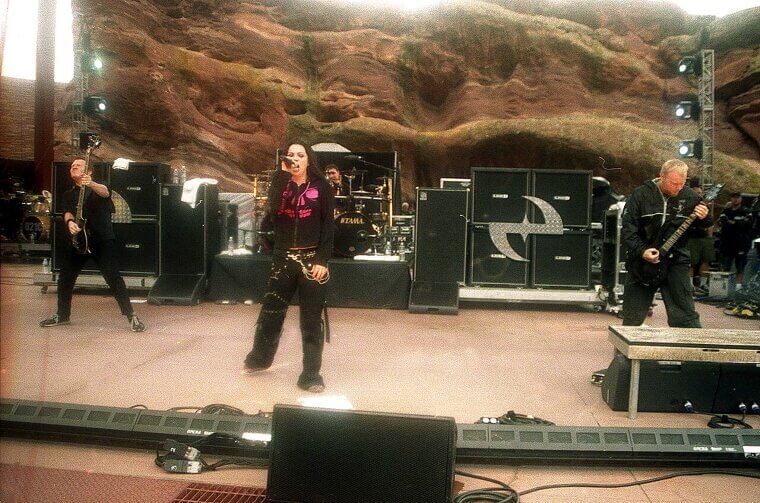
A compromise was reached to include the guest vocals, leading to a massive radio success that Lee still views with mixed feelings, even decades after the album's release.
Queens of the Stone Age Barely Finished 'No One Knows' For 'Songs for the Deaf'
Frontman Josh Homme had been carrying the main driving guitar riff around for roughly 5 years, occasionally attempting to build a complete arrangement around it without success. During the 2002 recording sessions, the group tried multiple different tempos and lyrical ideas, but nothing seemed to gel properly. Homme was reportedly ready to shelve the idea yet again, frustrated that he could not find the right vocal melody to match the chaotic, start-and-stop rhythm.
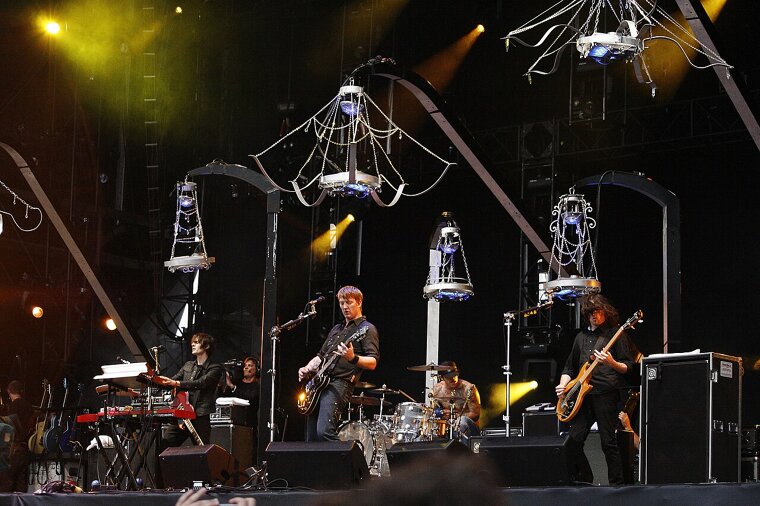
With the help of guest drummer Dave Grohl, they finally locked into the heavy groove, securing the band's biggest mainstream radio single and establishing their lasting rock dominance.
Pearl Jam Refused To Put 'Better Man' On Multiple Albums Before 'Vitalogy'
Singer Eddie Vedder originally wrote the acoustic-driven track while he was still a teenager in high school, long before the Seattle grunge scene exploded. The group actually recorded a version of it for their second album, but Vedder rejected the polished mix, feeling the production was too slick and commercial. He actively fought to keep it unreleased, reportedly arguing that the accessible melody would attract the wrong kind of pop audience to their shows.

Producer Brendan O'Brien finally convinced Vedder to include a raw, live-in-the-studio take on their third record, where it spent weeks dominating rock radio.
Faith No More Doubted 'Epic' Belonged On 'The Real Thing'
The eccentric alternative metal group had recently hired vocalist Mike Patton in 1989 and challenged him to write lyrics over a bizarre instrumental track they had already recorded. Patton combined nasal, rhythmic rapping with a massive, melodic chorus, all layered over heavy guitars and classical piano interludes. The band members allegedly thought the clashing genres were too chaotic, worrying that neither rock fans nor hip-hop fans would understand what they were trying to accomplish.

Their willingness to embrace the bizarre fusion resulted in a groundbreaking hit that heavily influenced an entire generation of crossover heavy bands and secured their MTV presence.
Anthrax Almost Scrapped 'Caught in a Mosh' From 'Among the Living'
The New York thrash pioneers were attempting to arrange a highly complex song structure in 1987, but they continually struggled to transition smoothly between the fast verses and the slower bridge. Guitarist Scott Ian had written lyrics inspired by a roadie getting dragged into a violent crowd during a show, but the musical puzzle pieces simply would not fit together. The group reportedly considered abandoning the messy composition after several frustrating rehearsal sessions ended in arguments.
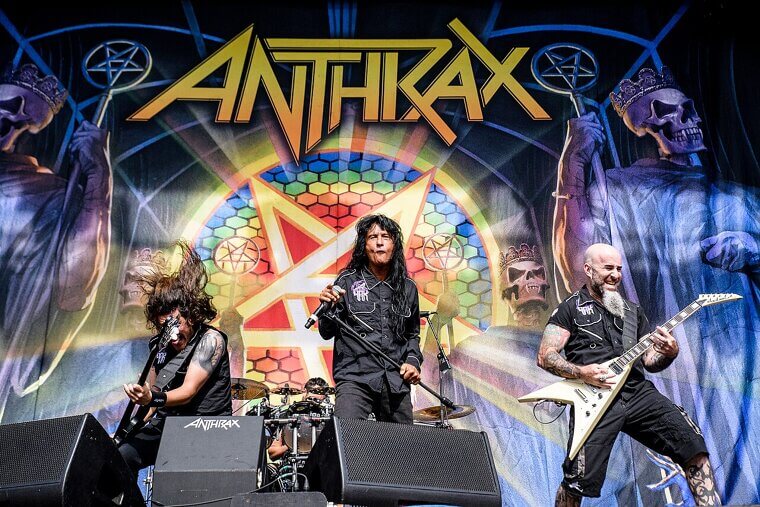
They finally figured out how to tie the shifting time signatures together, creating an essential masterpiece of 1980s speed metal that remains a highlight of their live performances.
Soundgarden Considered Leaving 'Black Hole Sun' Off 'Superunknown'
Frontman Chris Cornell woke up early one morning with the haunting, psychedelic melody playing in his head, along with a misheard phrase he caught on a news broadcast. He recorded a rough demo using a Leslie speaker to give his guitar a swirling, underwater sound that heavily recalled the 1960s work of the Beatles. Cornell allegedly thought the surreal track was a complete joke and assumed his heavy-hitting bandmates would instantly reject it for being too soft.

The rest of the group recognized the dark brilliance of the arrangement, and it went on to define the entire era of alternative rock, earning massive critical acclaim.
Whitesnake Debated Keeping 'Here I Go Again' Off The '1987' Record
Vocalist David Coverdale had already written and released a bluesy version of the track 5 years earlier on a record that completely failed to chart in America. When the group was preparing their massive 1987 pop-metal comeback, the record company strongly suggested re-recording the old tune with modern synthesizers and louder guitars. Coverdale was reportedly hesitant to recycle his old material, feeling that moving backward would hinder the creative progression of his newly revamped band lineup.
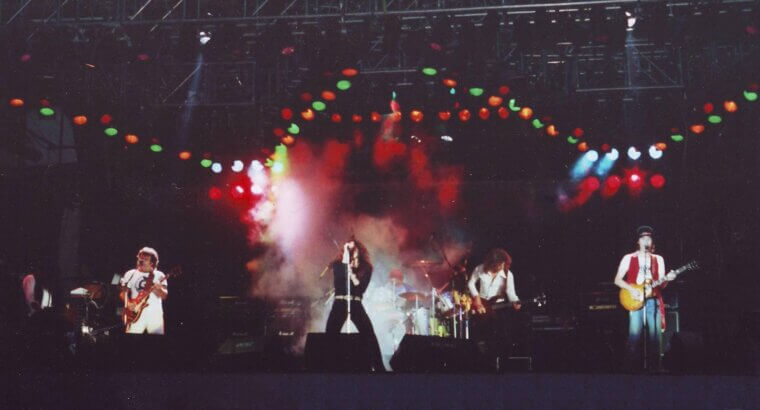
The slick, revamped production perfectly captured the arena rock sound of the decade, earning the group their first and only number 1 smash hit on the Billboard charts.
Scorpions Barely Secured 'Rock You Like a Hurricane' On 'Love at First Sting'
The German hard rock veterans were determined to conquer the American market in 1984, bringing their new material to producer Dieter Dierks for evaluation. Guitarist Rudolf Schenker presented a straightforward, driving riff that he felt was incredibly catchy, but the label executives who heard the initial demo were completely unimpressed. They reportedly told the band the song lacked commercial appeal and suggested they replace it with a softer ballad to guarantee better radio placement.
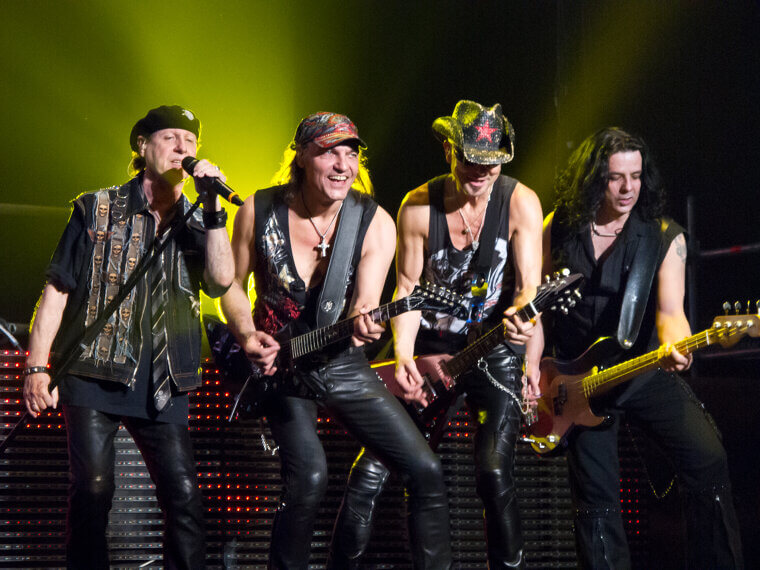
The group fought back and insisted on keeping the aggressive energy, resulting in a timeless sports stadium anthem known all over the world and still played today.
Tool Nearly Abandoned 'Schism' While Recording 'Lateralus'
The progressive metal titans are known for their incredibly complex approach to songwriting, but this specific track pushed their mathematical musicianship to the breaking point. The composition constantly shifts time signatures, changing meter over 40 times throughout the 6-minute runtime, making it incredibly difficult for the instrumentalists to synchronize their parts. The musicians allegedly spent months arguing over how to properly connect the intricate bassline with the chaotic drumming, nearly scrapping the idea entirely due to extreme frustration.

They eventually solved the rhythmic puzzle, earning the group significant critical acclaim and proving that avant-garde arrangements could still achieve massive commercial success on a global scale.
Iron Maiden Almost Kept 'Run to the Hills' Off 'The Number of the Beast'
The legendary British heavy metal outfit was running severely behind schedule during the recording sessions for their pivotal 1982 album, facing immense pressure from their management. Bassist Steve Harris hurriedly wrote the galloping track about the conflict between European settlers and Native Americans, finishing the lyrics just days before the mixing deadline. The band reportedly debated leaving it off the tracklist, fearing the rushed production process would result in a sloppy performance that didn't meet their usual standards.
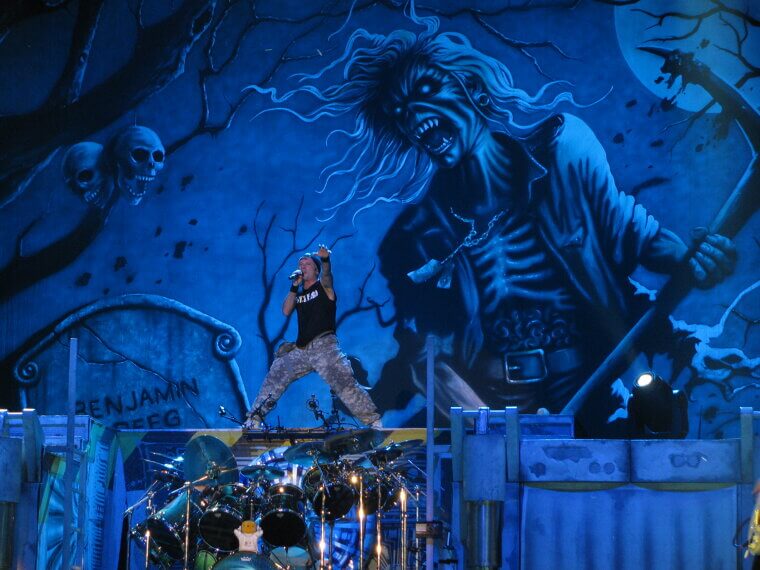
The producer managed to capture the frantic energy perfectly, giving the group their first top 10 single in their home country and solidifying their place in rock history.
Slayer Did Not Plan To Conclude 'Reign in Blood' With 'Raining Blood'
The thrash metal pioneers were tracking their speed-obsessed 1986 masterpiece, purposely playing all their material as fast as physically possible to maximize the aggressive impact. Upon reviewing the recorded tapes, producer Rick Rubin informed them the entire album was only 25 minutes long, which was incredibly short for a full-length release. Guitarists Jeff Hanneman and Kerry King reportedly had to rush to finish writing the haunting, atmospheric finale just to add a few more minutes to the total runtime.
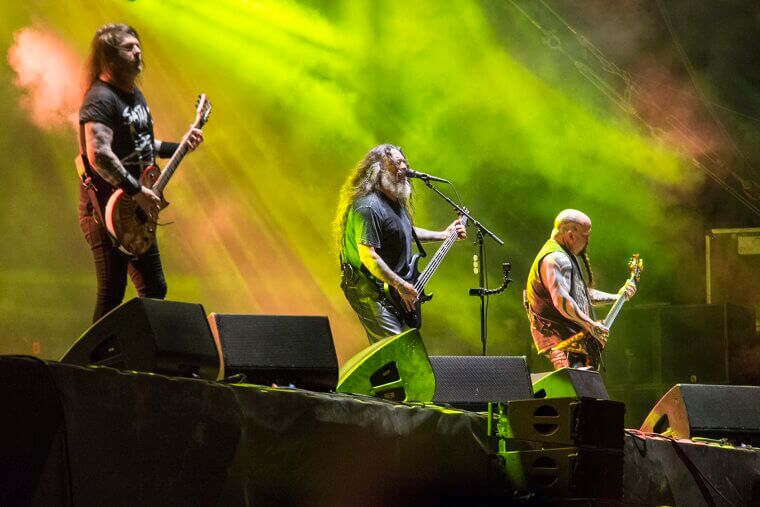
This last-minute addition provided the iconic thunderstorm intro and galloping climax that came to define the extreme metal genre for decades, creating an unforgettable sonic experience.
Slipknot Fought Against Putting 'Snuff' On 'All Hope Is Gone'
The masked nine-piece group is famous for their chaotic, aggressive sonic assaults, making this mournful, acoustic-driven ballad a massive shock to their system in 2008. Singer Corey Taylor wrote the intensely personal track in a hotel room, pouring his grief and frustration over a failed relationship into the quiet arrangement. Several members of the collective allegedly argued fiercely against recording it, claiming the soft instrumentation would ruin their terrifying image and alienate their most hardcore fans.
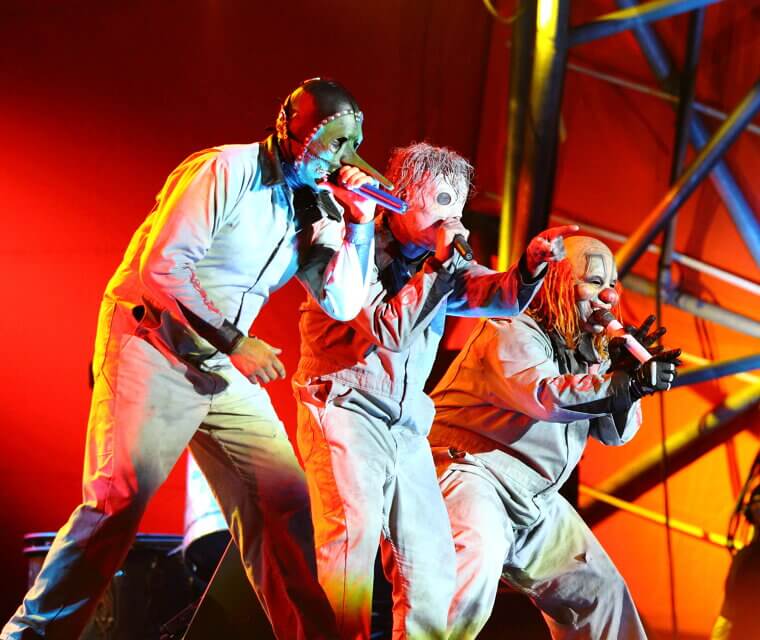
Taylor firmly stood his ground, demanding its inclusion to showcase the band's emotional depth, and it became one of their highest charting hits, surprising many rock critics.
System of a Down Debated Leaving 'Aerials' Off 'Toxicity'
The Armenian-American metal band was sifting through over 30 different recorded tracks to finalize the sequence for their highly anticipated 2001 sophomore release. The haunting, mid-tempo song featured a Middle Eastern-inspired guitar melody and abstract lyrics about losing individuality, which contrasted with their typical hyperactive, political punk-metal sound. The group reportedly struggled to find a spot for it in the tracklist, with some members suggesting it ruined the fast-paced momentum of the rest of the album.

Bassist Shavo Odadjian strongly advocated for placing it at the very end of the record, providing a powerful, hypnotic conclusion that dominated modern rock radio.
Kiss Almost Scrapped 'Rock and Roll All Nite' From 'Dressed to Kill'
The theatrical rock group was facing significant financial trouble in 1975, and their label boss Neil Bogart demanded they write an identifiable anthem to save their career. Paul Stanley and Gene Simmons sat in a hotel room trying to combine two completely separate, unfinished song ideas into one cohesive stadium chant. They allegedly felt the repetitive chorus was incredibly cheesy and worried that critics would mock them for writing such a simplistic, pandering lyric about partying.
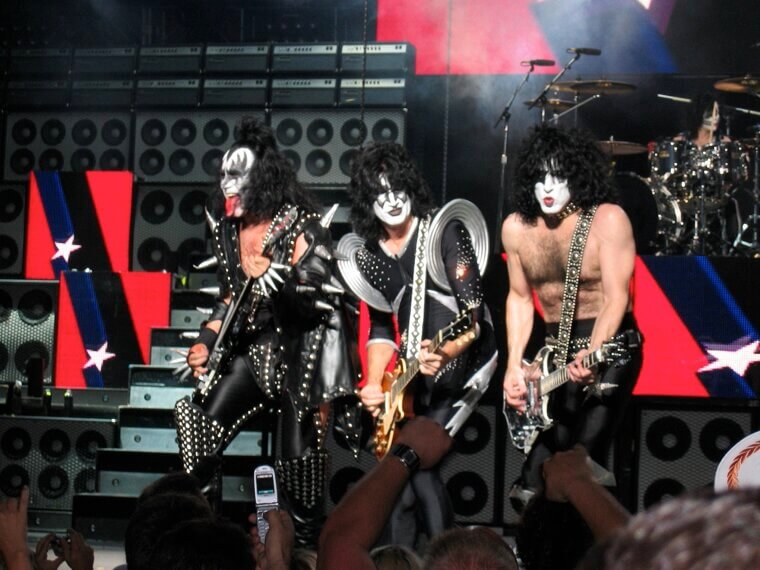
Bogart recognized the genius simplicity of the chant and forced them to release it, creating the definitive party anthem of the 1970s that still fills rock arenas.
Lita Ford Considered Keeping 'Kiss Me Deadly' Off The 'Lita' Record
The former Runaways guitarist was trying to launch a major solo comeback in 1988 after her previous releases failed to make a lasting commercial impact. Her producer presented her with a synthesizer-heavy pop-metal track written by an outside songwriter, hoping to modernize her raw guitar-driven style. Ford reportedly hated the initial demo, arguing that the upbeat pop melody felt completely inauthentic to her heavy metal roots and rebellious attitude.
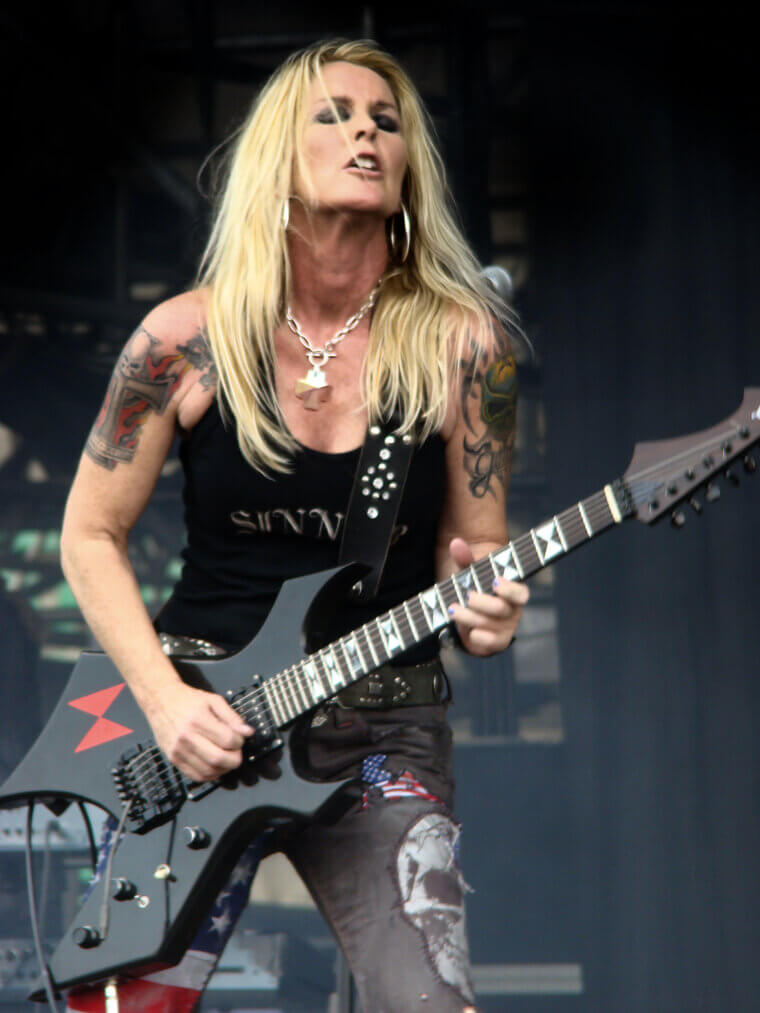
She eventually agreed to record it only after adding her own heavy guitar solos, resulting in a smash hit that revitalized her entire career and earned heavy MTV rotation.