
Did you know that some of your favorite heavy metal legends were almost overlooked by the music industry? We’ve uncovered the fascinating stories behind famous acts who faced major label rejection before achieving global stardom. Scroll down to discover these unbelievable tales!
Linkin Park Rejected By Warner Bros
Linkin Park reportedly faced an astonishing 44 rejections from various record companies before finally securing a deal. Warner Bros famously passed on the group 3 separate times before ultimately signing them. The executives allegedly struggled to understand the fusion of rap and heavy guitar riffs. This hesitation meant the band had to work relentlessly to build a local following. They handed out demo tapes after shows and utilized street teams to spread their music organically. The sheer dedication caught the attention of an A&R representative who championed their unique sound.

After the eventual signing, their debut album Hybrid Theory became a massive commercial success. The executives who initially passed likely regretted missing out on one of the biggest rock acts of the early 2000s.
Black Sabbath Passed Over By Philips Records
Philips Records allegedly passed on Black Sabbath because their music sounded too dark and unconventional for the mainstream market. During the late 1960s, the music industry focused heavily on psychedelic pop and upbeat rock. The heavy, down-tuned guitar riffs and ominous lyrical themes presented a stark contrast to what was popular at the time. Executives reportedly felt the band had no commercial appeal and would alienate listeners. The musicians continued to refine their pioneering style in small clubs across the United Kingdom. Their relentless touring eventually built a devoted fan base.
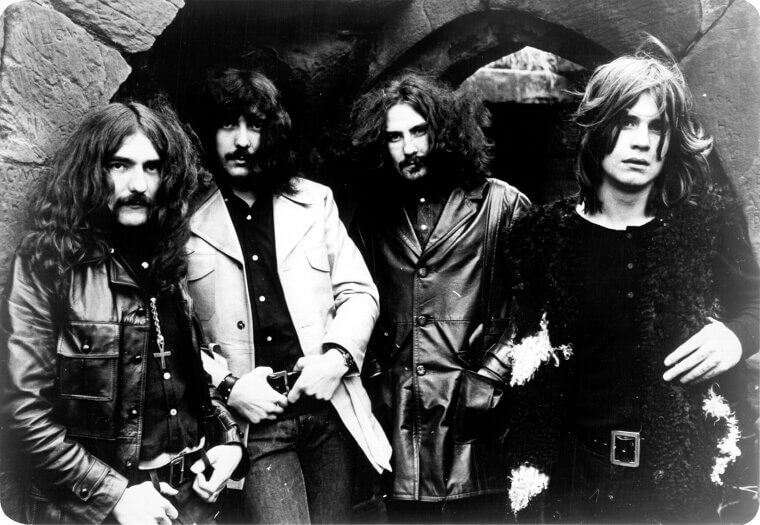
Vertigo Records eventually took a chance on the group, releasing their seminal debut record. That single decision helped birth a new genre and cemented the band as pioneers of heavy metal history.
Iron Maiden Refused By Various Major Labels
In their early days, Iron Maiden struggled to secure a recording contract because executives wanted them to change their image. Several major labels allegedly told the group to cut their hair and adopt a punk rock style, which was highly popular in London during the late 1970s. Bassist Steve Harris firmly refused to compromise the artistic vision of the group. The musicians stuck to their heavy, galloping sound and continued playing packed shows at local venues like the Cart and Horses. Their independent approach helped them cultivate a fiercely loyal grassroots following.
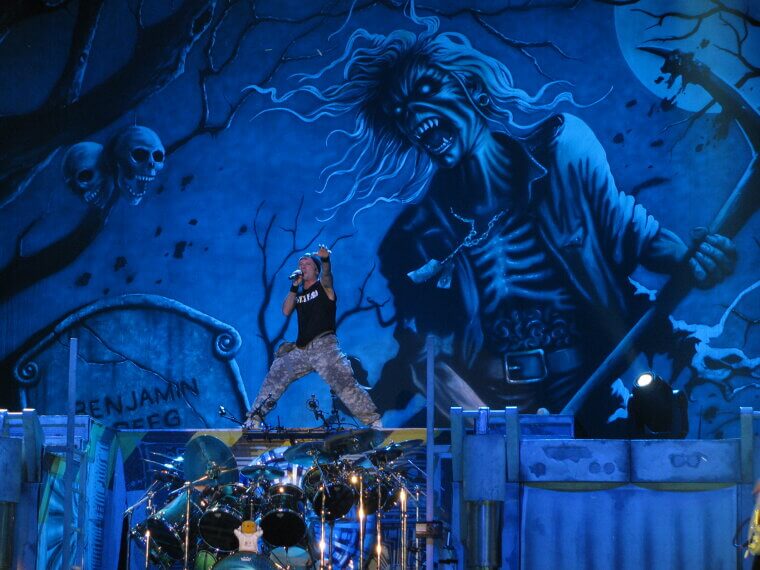
EMI Records eventually recognized the undeniable momentum and offered them a deal. The band went on to sell millions of records worldwide without ever altering their core musical identity.
Metallica Turned Down By Multiple Major Labels
Multiple prominent record companies reportedly passed on Metallica in the early 1980s, viewing their aggressive style as unmarketable. The fast tempos and abrasive vocals were a far cry from the polished glam rock dominating the airwaves. Executives allegedly believed the thrash metal pioneers were too extreme to ever achieve mainstream radio play. Unfazed by the lack of corporate interest, the band relocated to San Francisco and built a massive underground following through tape trading. Their raw live performances captured the attention of Jon Zazula, an independent record store owner.

Zazula formed Megaforce Records specifically to release their debut album, Kill 'Em All. This crucial stepping stone launched a legendary career that ultimately redefined the global heavy music landscape.
Slipknot Overlooked By Roadrunner Records A&R
Roadrunner Records initially passed on Slipknot when an A&R representative attended one of their early rehearsals. The representative reportedly felt the chaotic 9-member lineup and abrasive sound were too disorganized to market effectively. The band members from Iowa were experimenting with aggressive percussion, sampling, and extreme metal elements that defied easy categorization. They continued refining their chaotic live shows and developing their signature masked aesthetic in local venues. Another representative from the same label later witnessed a live performance and was blown away by the intense crowd reaction.

The label eventually offered them a contract, leading to a massive self-titled debut release. They quickly transformed into one of the most recognizable and successful acts in modern metal history.
Tool Dismissed By Major Labels
Several prominent record labels allegedly dismissed Tool in the early 1990s due to their complex and atmospheric song structures. The music industry was hyper-focused on the booming grunge scene, making it difficult for progressive metal acts to gain traction. Executives reportedly struggled to see the commercial viability in lengthy tracks filled with odd time signatures and philosophical lyrics. The band remained dedicated to their artistic vision, captivating audiences in the Los Angeles underground scene with their visually striking performances. Their distinct sound eventually caught the ear of Zoo Entertainment.

Zoo offered them a recording contract, recognizing the unique potential of their intricate musicality. The group went on to achieve massive critical and commercial acclaim, winning multiple Grammy Awards over the decades.
System Of A Down Rejected By Multiple Majors
System Of A Down faced numerous rejections from major labels who allegedly found their frenetic musical style too bizarre for mainstream audiences. The aggressive mix of thrash metal, Armenian folk melodies, and erratic vocal deliveries confused many traditional A&R representatives. Executives reportedly told the band that their unorthodox song structures would never translate into radio hits. The musicians ignored the corporate skepticism and focused on playing explosive live shows throughout the Southern California club circuit. Their dynamic stage presence and unique sonic identity began drawing massive, enthusiastic crowds.

Famed producer Rick Rubin ultimately recognized their brilliance and signed them to American Recordings. The group eventually achieved massive global success, proving the initial label hesitations were entirely unfounded.
Korn Passed On By Epic Records Initially
Epic Records initially passed on signing Korn, with representatives allegedly unsure how to market their unprecedented sound. The booming, down-tuned 7-string guitars and emotional, erratic vocals did not fit into any established musical category in the early 1990s. Industry insiders reportedly felt the dark lyrical themes and unconventional grooves were far too abrasive for traditional rock audiences. The band persisted by touring relentlessly in a cramped van and building a dedicated cult following from the ground up. Their undeniable momentum eventually forced the industry to take notice.

Immortal Records, an imprint of Epic, finally offered them a contract after witnessing a ferocious live performance. The band went on to pioneer the nu-metal genre, selling tens of millions of albums worldwide.
Mötley Crüe Turned Down By A&M Records
A&M Records famously passed on Mötley Crüe in their early days, allegedly finding their image and behavior too unpredictable. The prominent label executives reportedly felt the raucous glam metal act was more trouble than they were worth. Facing a lack of support from major companies, the musicians decided to take matters into their own hands. They pooled their limited resources and formed their own independent label, Leathür Records, to release their debut album. The band aggressively promoted their music on the Sunset Strip, generating massive local buzz and selling thousands of records.

The undeniable independent success eventually led Elektra Records to offer them a lucrative contract. They quickly became one of the biggest and most notorious rock acts of the 1980s.
Guns N' Roses Missed By Chrysalis Records
Chrysalis Records reportedly passed on the opportunity to sign Guns N' Roses during the early stages of their career. An A&R executive allegedly viewed a rehearsal and felt the band lacked the polish required to succeed in the music industry. The raw, blues-infused hard rock sound and volatile personalities of the members made many labels hesitant to invest. The musicians continued performing visceral, high-energy shows at legendary Los Angeles clubs like the Troubadour. Their dangerous reputation and undeniable songwriting talent eventually sparked a massive bidding war among competing record companies.

Geffen Records ultimately secured their signatures, leading to the release of Appetite for Destruction. That record became one of the highest-selling debut albums in music history, proving the early doubters wrong.
Slayer Rejected By Major Labels
Major record labels allegedly refused to touch Slayer in the 1980s due to their extreme lyrical themes and aggressive imagery. The fast-paced, sinister sound combined with controversial artwork made corporate executives highly uncomfortable. Industry professionals reportedly viewed the pioneering thrash metal act as a liability that would face immense backlash from mainstream media. The musicians refused to water down their intense sonic approach or alter their provocative image. They self-financed their debut recording and relied heavily on underground tape trading networks to cultivate a rabid global fan base.

Brian Slagel of Metal Blade Records took a chance on the group, providing the platform they needed. They subsequently became a crucial pillar of the thrash metal movement, influencing countless future musicians.
Megadeth Passed Over By Major Labels
Following his high-profile dismissal from Metallica, Dave Mustaine struggled to find a major label willing to sign Megadeth. Executives allegedly viewed the volatile frontman as a risky investment due to his reputation for erratic behavior. The complex, hyper-speed guitar work and politically charged lyrics were also considered too extreme for mainstream commercial success. Mustaine channeled his frustration into writing intricate, aggressive compositions that pushed the boundaries of heavy music. The band built a formidable reputation in the underground scene through blistering live performances and relentless dedication to their craft.

Combat Records eventually offered them an independent deal to release their debut album. The subsequent critical acclaim forced major label Capitol Records to step in and sign the influential thrash metal pioneers.
Disturbed Dismissed By Major Labels
Disturbed faced significant hurdles in their early days, with several major labels allegedly rejecting their demo tapes. Representatives reportedly felt the rhythmic vocal delivery and driving hard rock riffs were generic and lacked commercial potential. The band struggled to break out of the highly competitive Chicago music scene despite maintaining a rigorous rehearsal schedule. They focused on refining their distinct sonic identity and expanding their local fan base through consistent, high-energy live shows. The musicians also worked tirelessly to promote their music through early internet forums and grassroots marketing strategies.

Giant Records finally recognized their unique appeal and offered a recording contract. Their debut release exploded in popularity, establishing the group as a dominant force in modern heavy metal.
Def Leppard Overlooked By Various Labels
During the late 1970s, Def Leppard allegedly struggled to secure interest from major record companies in the United Kingdom. The music industry was heavily focused on the burgeoning punk rock movement, making traditional hard rock a tough sell. Executives reportedly viewed the young musicians as outdated before their careers had even truly begun. The group decided to independently record and release their own EP to prove their viability in the market. They personally delivered copies to influential radio DJs and music journalists, generating significant organic buzz.

Phonogram Records took notice of the independent success and offered them a substantial deal. The band evolved into a global phenomenon, selling over 100 million albums throughout their storied career.
Pantera Rejected By Major Labels
Pantera allegedly spent years facing rejections from major labels during their early glam metal phase in the 1980s. Executives reportedly felt the Texas-based group was merely imitating popular trends rather than offering an original sound. The continuous lack of industry support prompted the musicians to drastically reevaluate their creative direction. They abandoned the flashy image and embraced a heavier, groove-oriented approach that better reflected their aggressive live energy. The addition of a new vocalist solidified this crucial transition, resulting in a much more punishing and authentic musical style.
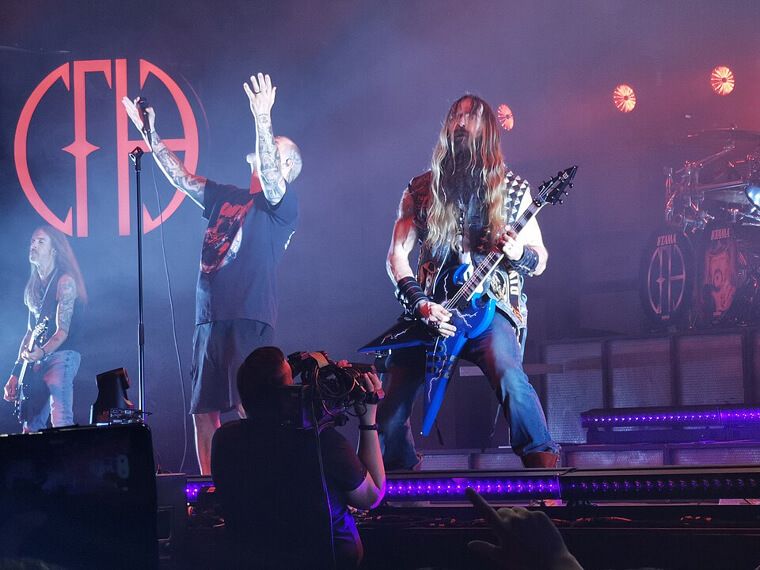
Atco Records finally signed the group after witnessing their revamped, ferocious live performance. They subsequently released Cowboys from Hell, fundamentally changing the trajectory of 1990s heavy metal.
Ghost Passed On By Major Labels
Several prominent record companies allegedly passed on Ghost due to their highly theatrical presentation and controversial lyrical themes. The anonymous Swedish musicians utilized satanic imagery and pope-inspired costumes, which made many executives nervous. Industry representatives reportedly felt the gimmick would overshadow the music and alienate a mainstream rock audience. The creative mastermind behind the project remained steadfast in his vision, refusing to compromise the elaborate visual elements. The band released their music independently online, quickly going viral and capturing the attention of heavy metal enthusiasts worldwide.

Rise Above Records recognized the brilliant songwriting beneath the theatricality and offered a deal. The group eventually achieved massive arena-headlining status, winning a Grammy Award for their infectious doom metal sound.
Avenged Sevenfold Refused By Major Labels
Avenged Sevenfold initially struggled to attract major label interest due to their aggressive metalcore sound and screamed vocals. Executives allegedly believed the abrasive style was confined to a niche underground audience and lacked widespread commercial appeal. The young musicians from California remained dedicated to their chaotic musical approach, blending dual guitar harmonies with punishing breakdowns. They toured relentlessly in cramped vans, playing small clubs and DIY venues to build a dedicated grassroots following. Their undeniable work ethic and intense live shows steadily gained momentum within the independent music scene.
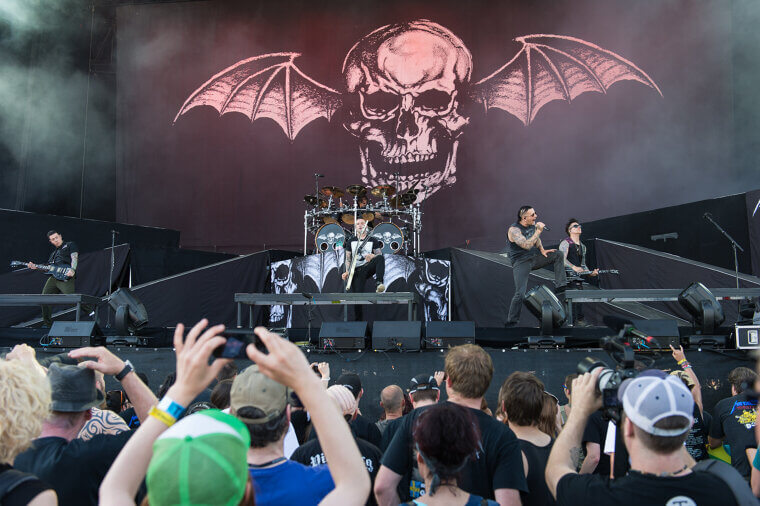
Hopeless Records took a chance on the group, releasing their early influential albums. The band eventually transitioned to Warner Bros, becoming one of the most successful hard rock acts of their generation.
Five Finger Death Punch Dismissed By Various Labels
Five Finger Death Punch reportedly faced skepticism from established record companies when they first formed in the mid-2000s. Industry insiders allegedly viewed their aggressive groove metal sound as outdated compared to the rising popularity of alternative and indie rock. The band members decided to self-produce and finance their own debut album to maintain complete creative control. They utilized aggressive online marketing tactics and social media to connect directly with heavy music fans. This independent strategy generated significant buzz and proved that a massive audience still craved straightforward hard rock.

Firm Music partnered with the group to officially release the record. The band quickly skyrocketed to international fame, consistently dominating hard rock radio charts for over a decade.
Bring Me The Horizon Missed By Early Labels
Bring Me The Horizon allegedly dealt with numerous rejections from traditional rock labels during their early deathcore years. The extreme vocals, chaotic breakdowns, and abrasive song structures were considered completely unmarketable by many industry professionals. Executives reportedly felt the young British group was a passing trend that would never evolve beyond small underground clubs. The musicians ignored the criticism and utilized early social media platforms to cultivate a fiercely loyal teenage fan base. Their chaotic live performances frequently resulted in venue bans, which ironically only increased their notorious reputation.

Thirty Days of Night Records released their first EP, launching a career defined by constant musical evolution. The band later secured massive mainstream success by continuously pushing the boundaries of modern rock.
Gojira Passed Over By Major Labels
For many years, major record companies allegedly ignored Gojira due to their complex sound and geographic location. Emerging from the relatively isolated French heavy metal scene, the band struggled to gain attention from influential international executives. The technical death metal riffs combined with environmentally conscious lyrics did not fit conventional marketing strategies. The dedicated musicians focused on perfecting their craft, self-producing early demos and organizing their own tours across Europe. Their precise, crushing live performances steadily earned them a reputation as an unparalleled force in the underground metal community.
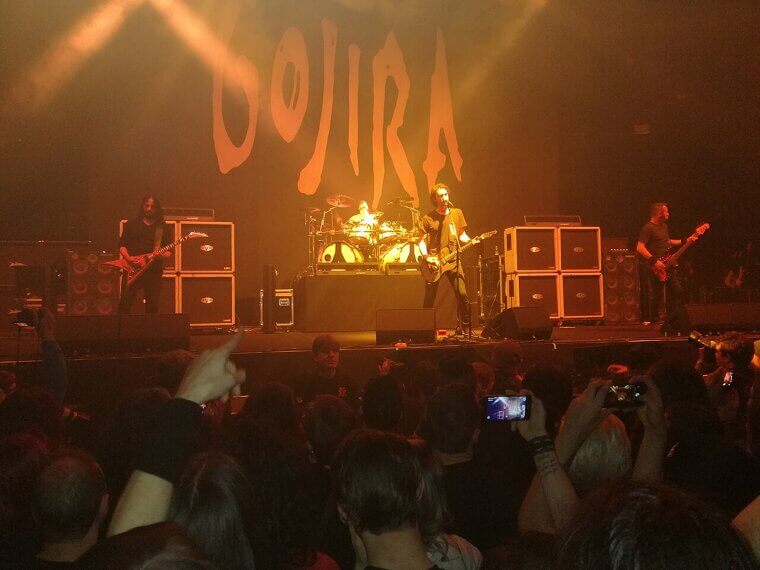
Listenable Records eventually provided a platform for their groundbreaking early albums. The group subsequently signed with Roadrunner Records, earning multiple Grammy nominations and widespread critical acclaim.
Mastodon Rejected By Major Labels
Mastodon reportedly struggled to secure a major label contract in their early days because their music was incredibly difficult to categorize. The dense mixture of sludge metal, progressive rock, and hardcore punk left many traditional A&R representatives thoroughly confused. Executives allegedly felt the lengthy, complex compositions lacked the catchy hooks necessary for widespread radio play. The band members persevered, honing their unique sonic identity through relentless touring across the United States. Their chaotic and technically proficient live shows slowly built a deeply committed cult following in the underground scene.

Relapse Records eventually recognized their undeniable talent and released their monumental debut album. The group later transitioned to a major label, becoming highly respected pioneers of modern progressive metal.
Trivium Refused By Various Labels
Trivium allegedly faced hesitation from several record companies due to the incredibly young age of their frontman. Industry insiders reportedly doubted that a teenager possessed the maturity and stamina required to handle rigorous global touring schedules. The precise blend of thrash metal and melodic metalcore was also viewed as a risky investment during the early 2000s. Unfazed by the skepticism, the band recorded a high-quality demo that showcased their exceptional technical abilities and songwriting prowess. They continued playing local Florida venues, constantly improving their aggressive live performance.
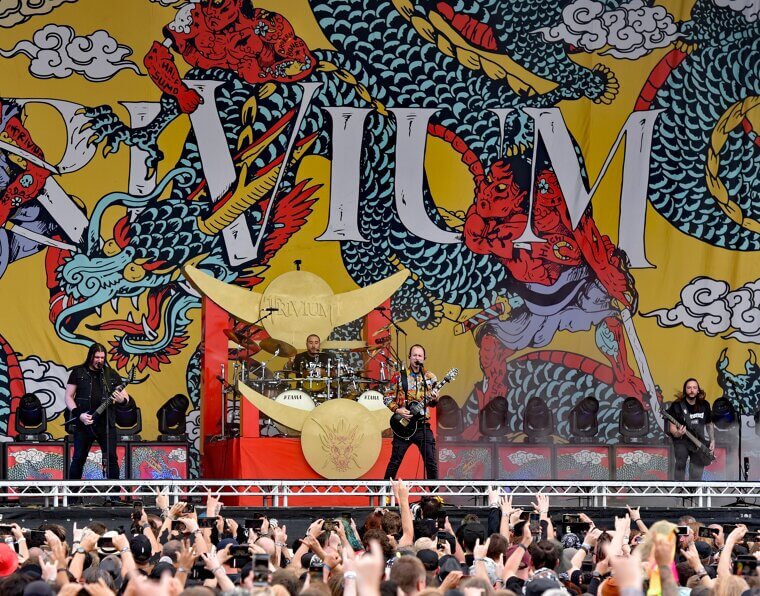
Roadrunner Records ultimately saw the immense potential and offered them a recording contract. The band quickly proved the doubters wrong, becoming a defining pillar of the modern heavy metal landscape.
Deftones Overlooked By LA Labels
Numerous Los Angeles record labels reportedly passed on Deftones, allegedly finding their atmospheric sound too difficult to market. The heavy guitar riffs paired with ethereal, whispered vocals confused executives who were searching for traditional grunge or straightforward alternative rock bands. The group refused to compromise their distinct sonic identity, opting instead to build a loyal following in the vibrant Sacramento music scene. They frequently shared stages with other influential heavy acts, solidifying their reputation as a formidable live band. The constant touring eventually generated undeniable word-of-mouth momentum.

Maverick Records finally understood their unique vision and offered a recording deal. The band went on to release critically acclaimed masterpieces, significantly influencing an entire generation of alternative metal musicians.
Anthrax Passed On By Major Labels
Anthrax allegedly struggled to attract attention from major record companies during the infancy of the East Coast thrash metal movement. The frantic tempos and aggressive gang vocals were vastly different from the polished rock dominating the mainstream charts. Executives reportedly viewed the fast-paced style as a fleeting underground trend with zero commercial viability. The musicians remained dedicated to their craft, self-financing their early recordings and heavily relying on dedicated tape trading networks. Their energetic live performances in small New York clubs helped establish a passionate, grassroots fan base.

Megaforce Records stepped in to release their debut album, providing crucial early support. The group quickly became one of the essential foundational acts of the legendary 1980s thrash metal scene.
Judas Priest Dismissed By Major Labels
In their formative years, Judas Priest reportedly faced multiple rejections from major labels who failed to understand their evolving sound. The group was transitioning away from traditional blues rock toward a much heavier, twin-guitar driven approach. Industry representatives allegedly felt this new, aggressive style was too abrasive and lacked commercial appeal in the early 1970s. The band members persevered through immense financial hardship, continuing to perform across the United Kingdom to refine their pioneering musical vision. Their relentless dedication eventually paid off when an independent company recognized their potential.
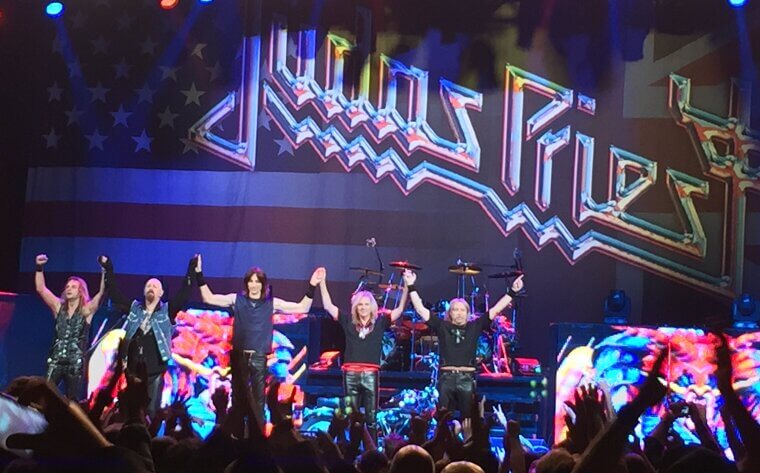
Gull Records offered them a modest contract, allowing the band to release their earliest material. They eventually secured a major deal, fundamentally shaping the visual and sonic aesthetic of heavy metal.
Sepultura Rejected By Brazilian Labels
Sepultura allegedly dealt with numerous rejections from established record companies in their native Brazil. The local music industry was largely focused on traditional pop and regional genres, making extreme thrash metal a very tough sell. Executives reportedly viewed the aggressive, politically charged music as noise that would never find a substantial audience. The dedicated young musicians ignored the lack of domestic support, focusing instead on connecting with the global underground metal community. They utilized extensive international tape trading to spread their ferocious sound far beyond their local borders.

Cogumelo Records finally provided a platform for their earliest releases. The band eventually achieved massive worldwide fame, proving that groundbreaking heavy music could emerge from any corner of the globe.
Meshuggah Missed By Various Labels
Various record labels reportedly passed on Meshuggah due to their incredibly complex and challenging musical style. The heavy reliance on confusing polyrhythms and unconventional time signatures alienated many traditional A&R representatives in the late 1980s. Executives allegedly felt the highly technical extreme metal sound was far too inaccessible for a mainstream audience. The Swedish musicians refused to simplify their innovative compositions, pushing the boundaries of extreme music with mathematical precision. Their mind-bending live performances slowly garnered deep respect within the specialized European underground metal community.

Nuclear Blast Records eventually recognized their genius and offered a recording contract. The band went on to invent an entirely new subgenre, profoundly influencing countless modern progressive and technical acts.
Rammstein Overlooked By Various Labels
Rammstein allegedly faced significant struggles securing a record deal due to their provocative image and German lyrics. Many international executives reportedly felt that a band singing exclusively in their native language would never achieve global commercial success. The driving industrial metal riffs paired with highly controversial theatrical elements made conservative labels extremely hesitant. The group continued to meticulously craft their explosive live shows, incorporating massive pyrotechnics to captivate local audiences. Their visually stunning performances quickly became legendary, forcing the music industry to take their unique artistic vision seriously.

Motor Music finally offered a contract, launching a spectacular career. The band defied all linguistic barriers, becoming one of the most successful and recognizable live acts in music history.
Nightwish Passed On By EMI Finland
EMI Finland reportedly passed on signing Nightwish in their early days, allegedly finding their symphonic sound too difficult to market. The prominent incorporation of operatic female vocals over heavy power metal riffs was a highly unusual concept at the time. Industry professionals reportedly doubted that such a dramatic and theatrical style could attract a dedicated mainstream audience. The band members remained confident in their cinematic approach, independently recording a demo to showcase their unique musical hybrid. The undeniable quality of the songwriting eventually caught the attention of specialized labels.

Spinefarm Records recognized the immense potential and released their debut album. The group subsequently pioneered the symphonic metal genre, achieving massive multi-platinum success across the globe.
Testament Refused By Major Labels
Testament allegedly struggled to attract major label interest during the fiercely competitive early days of the Bay Area thrash scene. With several similar acts already dominating the local market, executives reportedly felt the genre was becoming too crowded. The band, originally known as Legacy, faced intense pressure to differentiate themselves from their highly successful peers. They focused heavily on injecting intricate melodies and superior technical musicianship into their aggressive songwriting. Their devastating live performances quickly earned them a formidable reputation among discerning underground metal fans.
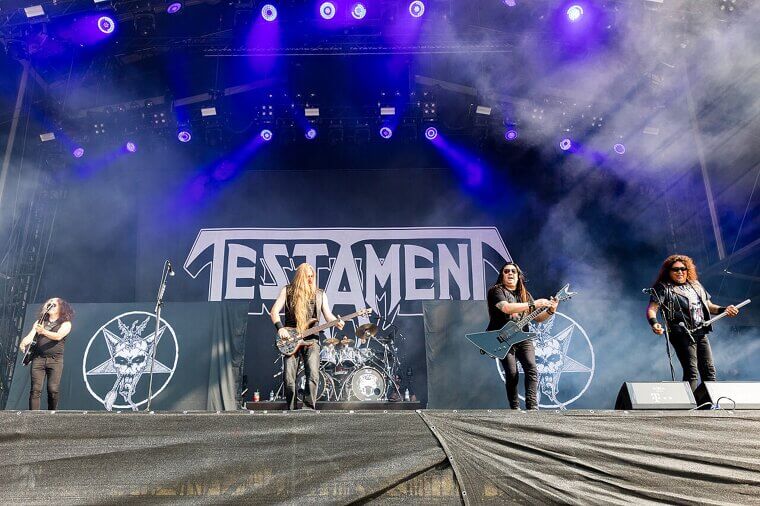
Megaforce Records eventually stepped in, providing the necessary backing to release their influential debut. The group proved their immense staying power, releasing critically acclaimed albums for decades to come.
Opeth Rejected By Various Labels
Opeth reportedly dealt with numerous rejections from traditional metal labels due to their highly unconventional songwriting structure. The seamless blending of harsh death metal segments with beautiful, acoustic folk passages confused many industry executives. Representatives allegedly felt the lengthy, dynamic tracks lacked the focused aggression expected from extreme metal bands in the 1990s. The Swedish musicians refused to alter their progressive vision, continuing to craft intricate and emotionally resonant musical journeys. Their unique approach slowly gained deep respect from critics and dedicated underground fans alike.
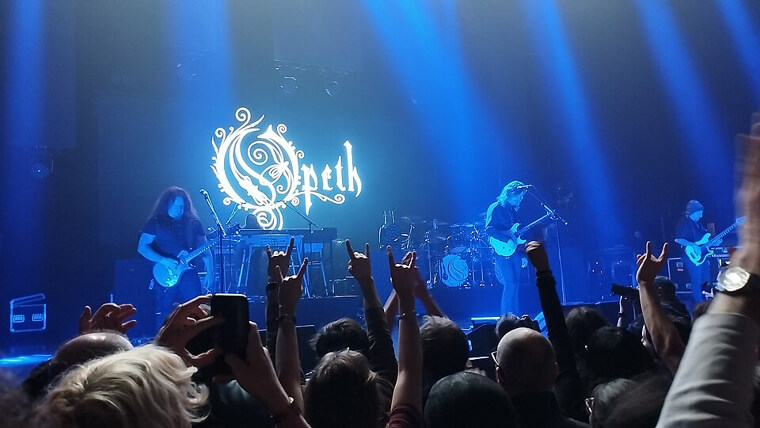
Candlelight Records ultimately provided a platform for their groundbreaking early work. The group evolved into highly respected progressive rock icons, earning widespread acclaim for their boundary-pushing compositions.
Venom Missed By Major Labels
Major record companies allegedly ignored Venom in the early 1980s, put off by their raw production and extreme satanic imagery. Executives reportedly viewed the trio as musically incompetent and felt their chaotic sound was a deliberate insult to traditional rock standards. The band embraced the negative criticism, utilizing it to fuel their aggressive and highly controversial public persona. They proudly championed their abrasive style, aiming to create the heaviest and most intimidating music possible. Their unapologetic attitude heavily resonated with disenfranchised youths seeking something truly rebellious.

Neat Records took a chance on the controversial group, releasing their highly influential early albums. Their raw, pioneering sound directly inspired the creation of extreme subgenres worldwide.
Celtic Frost Overlooked By Major Labels
Celtic Frost reportedly struggled to secure interest from prominent major labels due to their highly experimental and avant-garde approach to heavy music. The Swiss musicians aggressively blended elements of doom, thrash, and classical music, which perplexed conventional A&R representatives. Executives allegedly felt the dark, atmospheric compositions were simply too bizarre to successfully market to a traditional rock audience. The band ignored the commercial skepticism, focusing on crafting deeply atmospheric and genuinely unsettling musical experiences. Their fearless innovation steadily earned them a massive cult following in the underground scene.

Noise Records recognized their unique brilliance and offered a recording deal. The group subsequently released several visionary masterpieces that profoundly influenced generations of extreme metal musicians.
Lamb Of God Passed On By Major Labels
Lamb Of God allegedly faced significant resistance from major record labels during their early years performing under the name Burn the Priest. Industry professionals reportedly found their moniker and aggressive blend of death metal and hardcore punk far too controversial. Executives hesitated to invest in a group that seemed destined to attract constant protests and negative media attention. The band members decided to subtly rebrand, changing their name while keeping their punishing musical style completely intact. They continued destroying stages in local basements and small dive bars.

Prosthetic Records finally offered a recording contract, launching an incredible career trajectory. The group later transitioned to Epic Records, becoming one of the most dominant forces in modern American metal.