
Ever wonder what really sparked those massive arena anthems you belted out in your youth? From sarcastic bathroom graffiti to mistaken identities in local bars, the true inspirations are wilder than you think. Dive in and discover the surprising stories behind your favorite rock hits!
"Sweet Child O' Mine" by Guns N' Roses - Started as a Warm-Up Joke Riff That the Singer Overheard
The iconic opening guitar melody of this legendary track began as a mere string-skipping exercise that Slash used to loosen his fingers before practice. He reportedly considered the riff silly and had no intention of turning it into a formal track. Axl Rose happened to hear the noodling from another room and immediately rushed in to demand they build an arrangement around it. The frontman then matched those whimsical guitar notes with a poetic tribute he was writing for his partner at the time. The remaining members joined the jam session, structuring the piece within hours.

Despite its eventual massive success, Slash allegedly harbored resentment toward the tune for years. He felt it strayed far from their gritty aesthetic, though it ultimately secured their global fame.
"Smells Like Teen Spirit" by Nirvana - Inspired by a Sarcastic Wall Graffiti About a Teenage Deodorant
Kurt Cobain found the title for his generation-defining anthem after his friend Kathleen Hanna spray-painted a specific phrase on his apartment wall. She meant it as a joke about a popular brand of deodorant aimed at young women that his girlfriend wore at the time. The frontman, unaware of the cosmetic product, interpreted the graffiti as a profound statement about youth rebellion and anti-establishment ideals. He penned the lyrics with a sense of cynical detachment, aiming to capture the apathy he saw in his peers. The raw energy of the recording captured a widespread cultural shift.

The brand saw a massive spike in sales following the single's release. Cobain reportedly felt frustrated when he learned the true, commercial origin of his supposedly revolutionary slogan.
"Alive" by Pearl Jam - Based on the Singer Discovering His Supposed Father Was Actually His Stepfather
Eddie Vedder channeled a profound personal trauma into this soaring vocal performance that launched his band to stardom. The lyrics detail the exact moment his mother revealed the man he thought was his biological parent was merely a stepfather. To make matters heavier, she disclosed that his real father had already passed away, leaving the singer to grapple with immense grief and confusion. He felt an intense burden of survival, questioning his own existence in the wake of such earth-shattering family secrets. This heavy autobiographical narrative contrasts sharply with the triumphant musical progression.

Fans often misinterpret the chorus as an empowering anthem of survival and resilience. Vedder has stated that crowds singing it back to him eventually transformed the painful memory into something positive.
"Barracuda" by Heart - A Furious Response to a Sleazy Record Company Advertisement Implying Sibling Romance
Ann Wilson wrote this blistering track in a state of pure rage following an encounter with an industry promoter after a concert. The promoter made a crass comment implying she and her sister Nancy were romantically involved with each other. This repulsive assumption stemmed from a deceptive publicity stunt their former record label ran in a trade magazine without their consent. The advertisement featured the sisters bare-shouldered with a caption hinting at an incestuous affair to sell records. Disgusted by the corporate misogyny, Ann retreated to her hotel room and penned the aggressive lyrics.
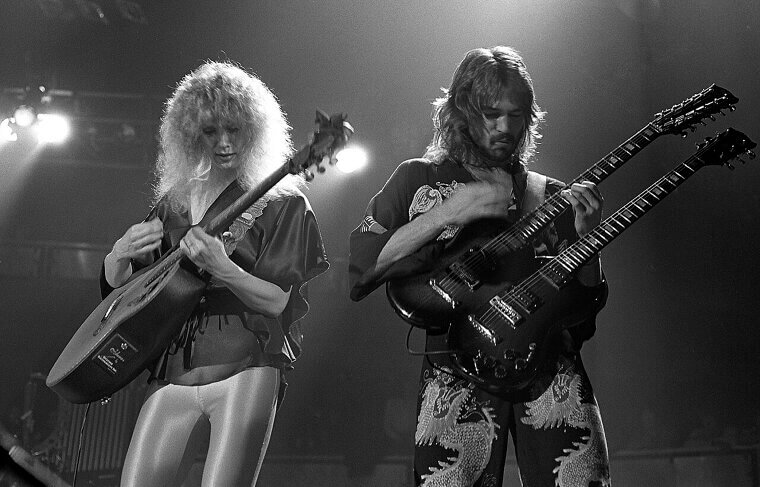
The song remains a staple of female empowerment in the rock genre. The driving guitar rhythm mirrors the visceral anger the sisters felt toward the predatory nature of the music business.
"Dude (Looks Like a Lady)" by Aerosmith - Written After Mistaking a Blonde Hard Rock Singer for a Woman
Steven Tyler found the inspiration for this catchy groove during a night out at a local watering hole with his bandmates. He spotted a figure with flowing blonde hair from behind and assumed he was looking at an attractive woman. When the person turned around, Tyler realized it was actually Vince Neil, the recognizable frontman of a rival rock outfit. The amusing case of mistaken identity sparked a lively conversation among the musicians about the flamboyant fashion trends popular in the scene. They decided to transform the funny anecdote into a high-energy rock narrative.
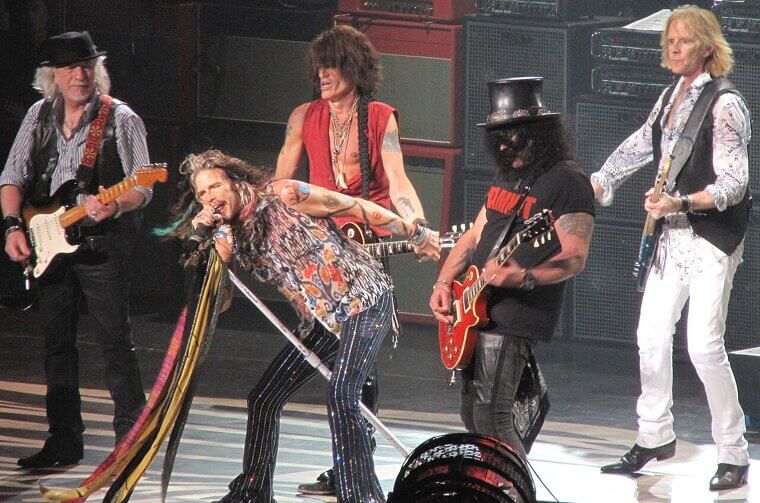
The resulting track features a prominent horn section that deviated from their usual gritty sound. It played a crucial role in revitalizing their career after a period of commercial decline.
"Every Breath You Take" by The Police - A Menacing Song About Stalking Often Mistaken for Romance
Sting penned this massively successful hit during a period of personal turmoil while retreating to a desk in the Caribbean. Although it sounds like a tender devotion, the lyrics actually describe a sinister obsession and invasive surveillance. The narrator watches every move his former partner makes, driven by a deeply controlling and possessive mindset following a bitter separation. The artist wanted to explore the dark side of attachment, utilizing a deceptive, soothing melody to mask the threatening nature of the words. He found it disturbing how many listeners chose to play it at their weddings.
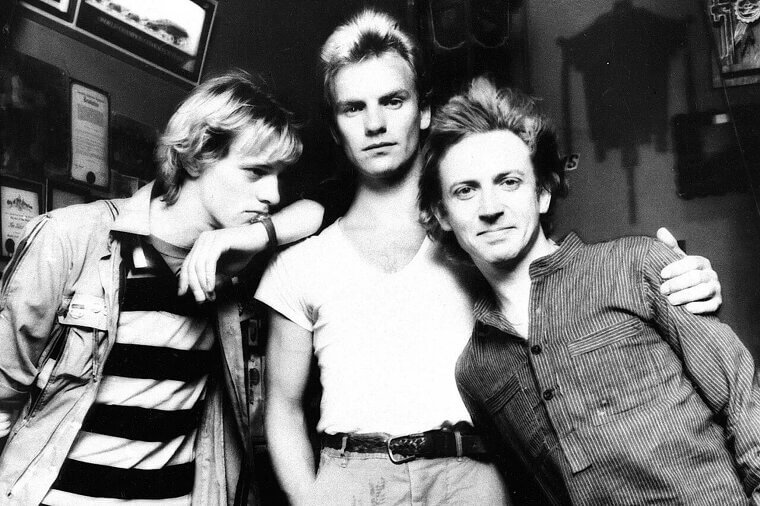
The eerie chord progression reinforces the relentless, cyclical nature of the narrator's fixation. It remains a fascinating study in how catchy pop arrangements can completely camouflage disturbing lyrical content.
"Nothing Else Matters" by Metallica - A Vulnerable Acoustic Track Never Intended for the Band to Record
James Hetfield wrote this stripped-down ballad while on tour, missing his girlfriend and feeling alienated by the constant travel. He was merely plucking his guitar while on the phone, developing a simple melody that felt far too soft for a heavy metal group. The frontman intended to keep the intimate piece entirely to himself, fearing it would alienate their hardcore fan base. However, drummer Lars Ulrich overheard the composition and convinced his bandmate to develop it further for their upcoming self-titled album. The addition of orchestral elements elevated the raw acoustic skeleton into a sprawling epic.

The track showcased a softer side of the thrash pioneers that nobody expected. It allegedly broadened their appeal significantly, bringing heavy metal to a mainstream audience that previously ignored the genre.
"Pour Some Sugar On Me" by Def Leppard - A Country-Sounding Acoustic Idea Transformed Into a Stadium Anthem
The final track added to their landmark album almost never existed, starting merely as an acoustic riff played during a coffee break. Joe Elliott was strumming a folksy melody in the control room when his producer heard it and demanded they record it immediately. The band was already exhausted from years of recording, but they recognized the undeniable hook in the impromptu jam. They spent the next few weeks meticulously layering guitars and heavily processed vocals to transform the simple idea into a massive stadium rocker. The lyrics were a phonetic collage, chosen more for their rhythmic punch than any coherent meaning.

The single saved the album from potential failure after initial slow sales. It became their signature track, defining the polished, larger-than-life sound of late-decade hard rock.
"Livin' on a Prayer" by Bon Jovi - The Frontman Disliked the Original Track Until It Gained a New Bassline
Jon Bon Jovi initially believed this working-class anthem was not strong enough to make the final cut for their breakthrough record. He felt the original demo lacked energy and sounded too generic, proposing they discard it or give it to another artist. Guitarist Richie Sambora strongly disagreed, insisting the narrative about a struggling couple had immense potential if they reworked the arrangement. They gathered in the studio to experiment, eventually adding a pulsating bassline and a talk-box guitar effect that gave the song its distinctive futuristic growl. This collaborative revision completely changed the frontman's perspective.

The tune became an unshakeable cultural touchstone across the globe. Its chorus famously features a dramatic key change that challenges vocalists everywhere and provides an immense surge of energy.
"Rooster" by Alice in Chains - A Tribute to the Guitarist's Father and His Harrowing Military Experience
Jerry Cantrell channeled a difficult family history into this brooding, atmospheric track that explores the lingering scars of combat. The lyrics attempt to view the Vietnam War through the eyes of his father, whose childhood nickname served as the song's title. The guitarist grew up estranged from the veteran, who returned from the conflict as a fractured man struggling to adapt to civilian life. By writing the narrative, Cantrell sought to understand the unimaginable horrors his parent faced in the jungle and the psychological toll it extracted. The slow, marching tempo mirrors the weary trudge of soldiers.
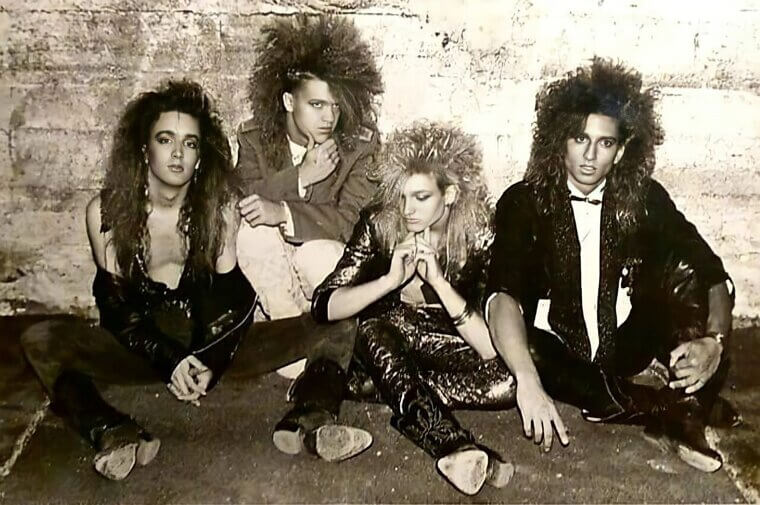
The father and son reportedly mended their fractured relationship after the track was released. The veteran even appeared in the accompanying music video, showcasing a rare moment of public healing.
"Black Hole Sun" by Soundgarden - Sparked by a Misheard Phrase Spoken by a Local News Broadcaster
Chris Cornell composed this surreal masterpiece after listening to a news anchor on television during his morning routine. He misheard a passing comment about the weather, thinking the broadcaster warned of a celestial phenomenon that did not actually exist. The bizarre image stuck in his mind, prompting him to craft a psychedelic landscape filled with apocalyptic imagery and dreamlike transitions. He wrote the entire arrangement in roughly 15 minutes, whistling the melody before translating it to his guitar. The frontman thought the band would reject the tune for being too melodic and weird for their grunge roots.

The track featured an unsettling music video populated by suburbanites with distorted, exaggerated smiles. It remains a testament to the singer's unique ability to blend heavy instrumentation with classic pop sensibilities.
"Kickstart My Heart" by Motley Crue - Written After the Bassist Received Life-Saving Adrenaline Following a Incident
Nikki Sixx poured his chaotic near-death experience into this high-octane track that perfectly captures the frantic energy of survival. The bassist had suffered a massive medical emergency that caused his heart to stop beating for several agonizing minutes. Emergency responders administered a pair of adrenaline shots directly into his chest, reviving him just as hope was fading. Instead of taking time to recover, he channeled the terrifying ordeal into a celebration of high-speed living and pushing boundaries. The driving riff mimics a racing pulse, creating a sense of relentless momentum from the very first chord.

The song famously employs a guitar technique simulating the sound of a shifting motorcycle engine. It became a staple of their live performances, providing a massive adrenaline rush for the audience.
"Wind of Change" by Scorpions - Sparked by the Unprecedented Vibe at a Historic Peace Festival
Klaus Meine was moved to write this sweeping ballad after performing in Moscow alongside a lineup of Western rock bands. He observed thousands of Soviet soldiers shedding their rigid demeanor, tossing their caps in the air, and embracing the music alongside civilians. The singer felt a profound shift in the political climate, sensing that the bitter divisions of the Cold War were finally beginning to thaw. He penned the optimistic lyrics while floating on a boat down the Moskva River, capturing the cautious hope of a continent on the brink of monumental transformation. The famous whistling intro set a contemplative mood.

The tune unofficially soundtracked the fall of the Berlin Wall shortly after its release. It remains one of the best-selling singles of all time, representing a rare moment of global unity.
"Sunday Bloody Sunday" by U2 - An Observer's Anguished Perspective on a Tragic Historical Conflict
The Irish quartet crafted this militaristic anthem to process their horror over a devastating event in Northern Ireland. The lyrics focus on the senseless loss of life rather than taking a specific political side in the deeply entrenched sectarian conflict. The Edge developed the distinctive, aggressive guitar hook while feeling frustrated after an argument, combining it with Larry Mullen Jr.'s martial drumbeat. Bono provided the impassioned vocal delivery, urging listeners to reject violence and find common ground in the face of tragedy. They specifically wanted to avoid writing a rebel song, aiming instead for a plea for peace.

The track established the group as socially conscious musicians willing to tackle heavy subjects. Live performances often featured the frontman waving a white flag as a symbol of surrender and unity.
"Losing My Religion" by R.E.M. - Rooted in a Southern Idiom About Losing One's Temper Rather Than Faith
Michael Stipe frequently had to explain that his band's biggest hit had absolutely nothing to do with theological struggles or abandoning the church. The title stems from an old regional phrase meaning to be at the end of one's rope or experiencing extreme frustration. He wrote the lyrics from the perspective of someone harboring an intense, unrequited crush, obsessing over every small gesture and interaction. The instrumentation was equally unconventional, built around a mandolin riff that Peter Buck created while attempting to teach himself how to play the instrument. The lack of a traditional chorus makes its massive popularity even more surprising.
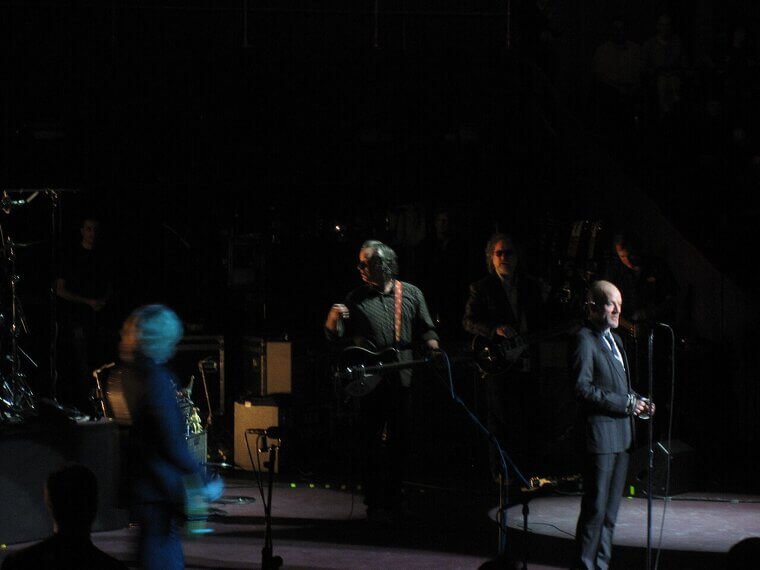
The accompanying music video drew heavy inspiration from Gabriel Garcia Marquez stories and classical paintings. The surreal imagery perfectly matched the cryptic nature of the lyrical narrative.
"Everlong" by Foo Fighters - Penned While the Frontman Faced the End of His Marriage and Newfound Romance
Dave Grohl wrote this frantic, emotional rocker during a period of immense personal upheaval and emotional vulnerability. He was going through a difficult divorce while simultaneously falling deeply for someone new, creating a confusing whirlwind of guilt and infatuation. The frontman found himself sleeping in a friend's sleeping bag on a floor, strumming a particular chord that sounded sympathetic to his messy situation. He crafted the breathless lyrics to capture the fleeting, desperate desire to make a perfect moment last forever against the odds. The quiet-loud dynamic perfectly illustrates the tension between tender affection and overwhelming passion.

The track eventually became his signature creation, beloved by millions for its raw honesty. He later recorded a stripped-down acoustic version that highlighted the melodic brilliance hidden beneath the distorted guitars.
"Under the Bridge" by Red Hot Chili Peppers - A Lonely Poem About Alienation That Almost Did Not Make the Album
Anthony Kiedis wrote this introspective poem while feeling disconnected from his bandmates, who were busy bonding without him during rehearsals. He reflected on his past struggles with substance dependency and the isolation of wandering the streets of Los Angeles looking for a connection. The vocalist kept the lyrics hidden in his notebook, believing the melancholic tone did not fit the energetic, funk-punk style of his group. Producer Rick Rubin happened to flip through the journal, spotted the words, and insisted Kiedis share them with the rest of the musicians. Guitarist John Frusciante quickly composed delicate, melodic chords to support the vulnerable narrative.

The final recording features a beautiful choir arrangement in the outro, supplied by the guitarist's mother and her friends. It brought a newfound level of emotional depth to their catalog.
"Rock the Casbah" by The Clash - A Rebellious Anthem Protesting a Ban on Western Music in the Middle East
Joe Strummer was inspired to write this bouncy, piano-driven track after reading a news report about strict cultural edicts in Iran. The article detailed how citizens were being punished for owning disco records or listening to Western radio broadcasts. Enraged by the suppression of artistic freedom, the frontman penned a satirical narrative about a local ruler trying to stop a defiant population from dancing. The infectious groove was actually composed by the drummer, Topper Headon, who laid down the piano, bass, and percussion parts before the other members even arrived at the studio. It remains their most successful commercial single.
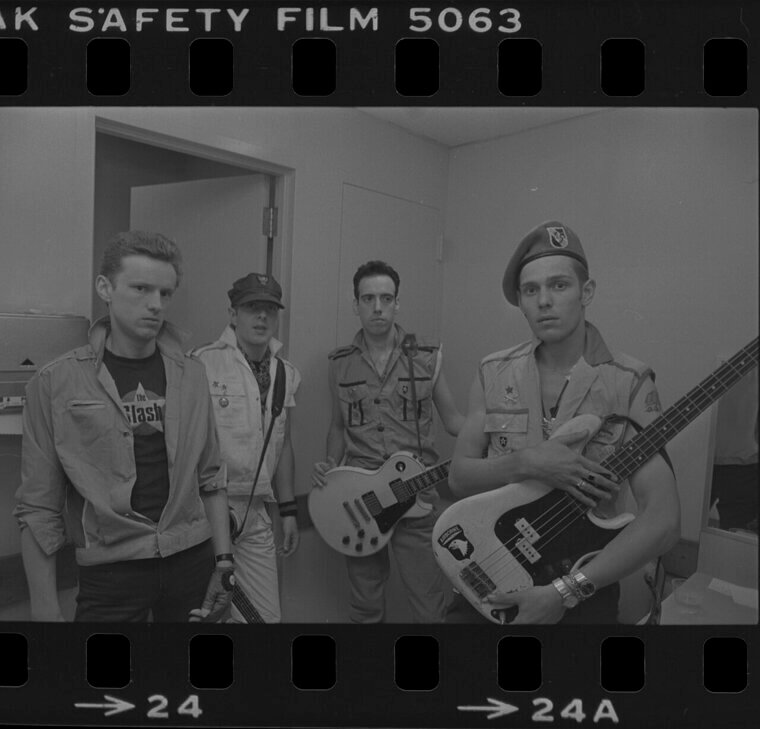
The song famously incorporates the sound of a digital watch alarm chiming in the background. The quirky addition adds to the playful, chaotic atmosphere of the recording.
"You Shook Me All Night Long" by AC/DC - Lyrically Inspired by the Curves and Mechanics of Vintage Automobiles
Brian Johnson approached his first lyric-writing session with his new bandmates by drawing parallels between physical attraction and classic car maintenance. He was intimidated by the pressure of replacing the late Bon Scott and sought comfort in familiar, working-class metaphors. The vocalist admired the sleek lines of American vehicles, translating automotive terms into cheeky, double-entendre descriptions of an unforgettable evening with a remarkable woman. The band matched his playful words with one of the most recognizable, steady guitar grooves in rock history, creating an immediate party staple. The straightforward structure relies heavily on a booming rhythm section.
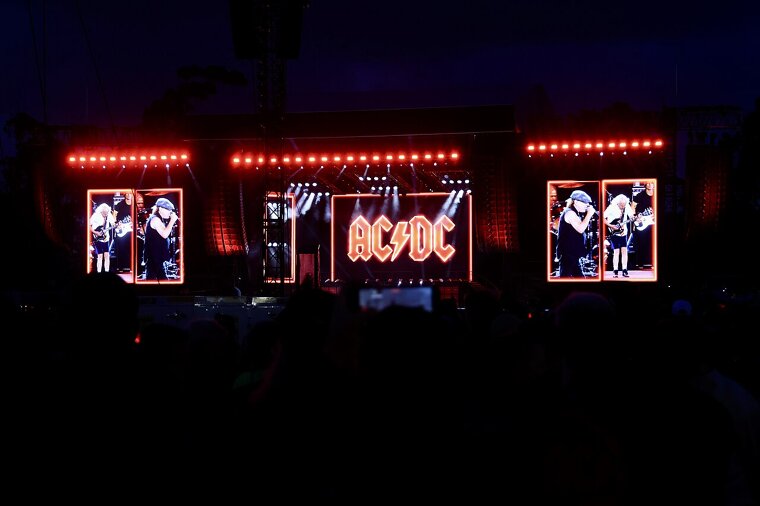
The track served as a crucial introduction to their new frontman, securing their future success. It showcased a surprisingly melodic vocal delivery that contrasted beautifully with the aggressive instrumentation.
"Jump" by Van Halen - Prompted by a News Broadcast About a Man Threatening to Leap From a Building
David Lee Roth found the lyrical concept for this synthesizer-heavy anthem while watching a grim television report in the studio. A distressed individual was standing on a ledge, and the frontman thought about the chaotic crowd below, imagining someone callously yelling at the person to go ahead and leap. He took that morbid phrase and flipped the context entirely, turning it into an upbeat invitation for listeners to take a chance on a new relationship or bold life choice. The track sparked tension within the group, as Eddie Van Halen insisted on using keyboards instead of his signature guitar playing. The gamble paid off handsomely.

The vibrant music video featured the frontman performing acrobatic kicks and splits. It perfectly captured the exuberant, flashy essence of the era's mainstream rock scene.
"Crazy Train" by Ozzy Osbourne - Reflects Cold War Anxiety and the Psychological Strain of Looming Conflict
The former Black Sabbath vocalist launched his solo career with a frantic track detailing the mental toll of geopolitical instability. He wrote the lyrics while observing the escalating tensions between global superpowers, feeling as though the world was hurtling toward inevitable destruction. The metaphor of a runaway locomotive perfectly captured his sense of powerlessness and the collective paranoia gripping society during that tense era. Guitarist Randy Rhoads elevated the composition with an iconic, neoclassical riff and a blistering solo that established a new standard for rock musicianship. The combination of dark subject matter and energetic delivery proved highly effective.

The famous opening shout of "all aboard" sets an immediately chaotic tone. The track solidified the singer's status as a viable solo artist capable of producing massive commercial hits.
"Closer" by Nine Inch Nails - An Exploration of Self-Hatred and Isolation Misinterpreted as a Love Song
Trent Reznor designed this industrial masterpiece to examine the darkest depths of self-loathing and the desperate need for external validation. The aggressive lyrics describe a narrator attempting to use a toxic connection to feel a sense of humanity and escape their own internal void. Much to the creator's dismay, casual listeners and club DJs frequently misunderstood the track as an unconventional, edgy romance anthem. The pulsing, mechanical beat masks the deep psychological distress woven into every verse, creating a fascinating contrast between rhythm and meaning. He utilized unconventional studio equipment to build the dense, atmospheric soundscape.

The controversial music video featured unsettling Victorian-era medical imagery and abstract art. Broadcasters heavily censored the chorus, but the edited version still managed to dominate alternative radio stations.
"Good Riddance (Time of Your Life)" by Green Day - A Highly Sarcastic Farewell to a Girlfriend Who Moved
Billie Joe Armstrong wrote this gentle acoustic ballad out of pure frustration when his partner decided to relocate to Ecuador. Despite the sweet melody and reflective tone, the lyrics were actually penned with intense sarcasm and bitterness over the sudden separation. The frontman felt abandoned and chose to express his anger through passive-aggressive well-wishes rather than a traditional punk rock outburst. He kept the song hidden for years, fearing it was too soft for his abrasive band, before finally recording it with a subtle string arrangement. It quickly transformed into a graduation and prom staple.
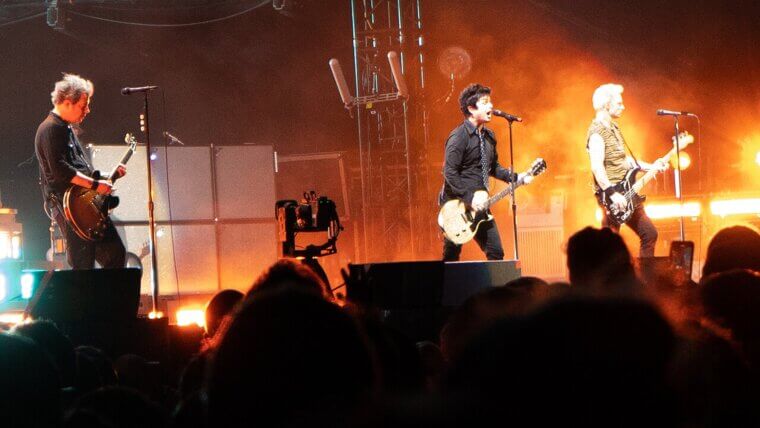
The singer has stated he finds it highly amusing that a bitter breakup tune is constantly used to celebrate joyful milestones. The track fundamentally expanded the band's musical identity.
"Plush" by Stone Temple Pilots - Lyrically Inspired by a Tragic Local News Article About a Missing Young Woman
Scott Weiland and his bandmates were deeply unsettled by a local headline detailing the search for a kidnapped girl in their area. The vocalist used the grim situation as a starting point to write a sprawling narrative about obsession, loss, and the dark corners of the human mind. He deliberately crafted the lyrics to be somewhat ambiguous, allowing listeners to project their own interpretations onto the moody, shifting chord progression. The band focused on creating a dense, slightly off-kilter harmony that perfectly complemented the heavy subject matter, bridging the gap between classic rock and alternative grunge. The soaring vocals became instantly recognizable.

The track earned the group a massive industry award for their hard rock performance. Its complex structure proved they were capable of far more than simple, three-chord aggressive anthems.
"Today" by The Smashing Pumpkins - An Upbeat Melody Masking the Singer's Dark Sentiments on a Bleak Day
Billy Corgan penned this deceptively cheerful track during a period of severe depression and intense pressure regarding the band's sophomore album. He was experiencing frequent suicidal thoughts and decided to write a song declaring it the greatest day of his life in a heavily ironic manner. The chiming guitar intro and soaring chorus create a joyous sonic atmosphere that completely contradicts the morbid inspiration behind the words. By forcing himself to sing such positive statements, the frontman reportedly found a strange sense of catharsis that helped him navigate his mental struggles. The contrast between sound and meaning is masterful.

The record label immediately recognized the commercial potential of the bright melody. It became a defining track of the decade, beloved by fans who completely missed the dark lyrical undertones.
"Creep" by Radiohead - Detailing the Singer's Uncomfortable Fixation on a Stranger He Followed Around
Thom Yorke wrote this alternative staple after spending several days fixated on a woman he occasionally saw at a local venue. He felt entirely inadequate and out of her league, channeling his lack of self-esteem into a brutally honest confession of alienation and longing. The singer admits to following her around for a short time, capturing the disturbing nature of unrequited obsession in the blunt lyrics. Guitarist Jonny Greenwood famously hated the quiet, melodic direction of the track and aggressively attacked his guitar before the chorus, trying to ruin the take. That jarring crunch became the song's defining feature.
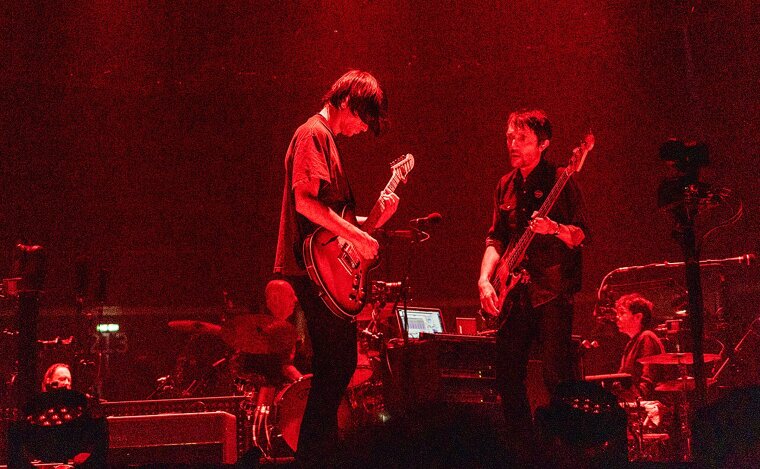
The band struggled with the massive success of the single for years, often refusing to play it live. They felt it overshadowed their more experimental and complex later works.
"Poison" by Alice Cooper - About the Irresistible Pull of a Destructive Relationship You Know Will Ruin You
The theatrical rock legend crafted this slick, polished track to explore the specific agony of being drawn to something deeply harmful. The lyrics describe a metaphorical scenario where a person is fully aware that their partner is toxic, yet they remain unable to break the connection. The artist utilized a heavy, pulsating rhythm and massive background vocals to give the song a dangerous, seductive atmosphere that mirrored the lyrical theme. He worked closely with pop producers to ensure the heavy rock instrumentation had an undeniable, radio-friendly hook. The resulting blend of grit and gloss returned him to massive prominence.

The memorable music video featured a model representing the dangerous temptation described in the verses. It proved that the veteran shock rocker could successfully adapt to modern musical trends.
"Welcome to the Jungle" by Guns N' Roses - Inspired by a Frightening Encounter With a Stranger in New York
Axl Rose drew the central theme of this aggressive opener from a harrowing incident shortly after he arrived in a major city. A man attempted to mug him on the street, shouting a threatening phrase about being in the jungle and warning him that he would not survive. The singer remembered the chilling interaction and used it to encapsulate the gritty, dangerous reality of trying to make it in the chaotic Los Angeles music scene. The band constructed a menacing, descending guitar riff to replicate the feeling of spiraling into a chaotic and unforgiving urban environment. The chaotic intro sets the perfect tone.

The track was initially ignored by major broadcasters until label executives begged for a late-night rotation slot. The overwhelming audience response quickly turned it into a cultural phenomenon.
"Enter Sandman" by Metallica - Originally Focused on Crib Death Before Management Requested Lyrical Alterations
James Hetfield initially wrote a very grim set of lyrics for this massive hit, focusing heavily on the sudden passing of infants. The original narrative was intensely dark and disturbing, detailing a scenario where a child's terrible nightmares manifest in the real world with fatal consequences. The band's management team and producer gently suggested that the heavy subject matter might alienate a broader audience and ruin the potential of the incredible musical backing. The frontman reluctantly agreed to rewrite the words, pivoting to a more general theme about childhood fears and the spooky stories parents tell at bedtime. The sinister edge still remains intact.

The track features a famous spoken-word section reciting a classic childhood prayer. The booming drum production set a new standard for how heavy albums were engineered.
"Tom Sawyer" by Rush - Exploring the Concept of a Modern Rebellious Mind Navigating Contemporary Society
Neil Peart collaborated with a poet friend to craft lyrics that transplant a classic literary rebel into a modern setting. The song examines the archetype of an independent thinker who refuses to compromise his ideals in the face of societal pressure and bureaucratic authority. The drummer wanted to capture the essence of youthful arrogance balanced with a genuine desire for freedom, using complex vocabulary and intricate philosophical concepts. The band backed the intellectual narrative with a famously difficult musical arrangement, featuring odd time signatures, prominent synthesizer swells, and intricate bass work. It remains a masterclass in progressive musicianship.
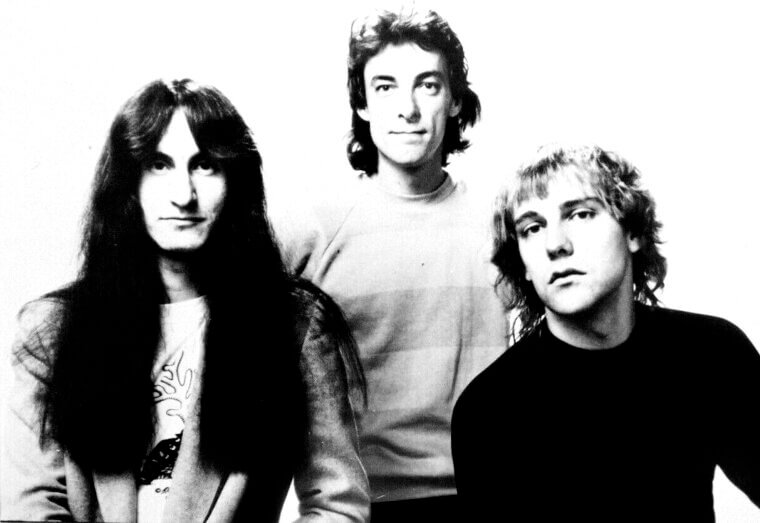
The instrumental section includes a drum fill that is universally recognized by rock enthusiasts. The track cemented their reputation as a thinking person's hard rock outfit.
"Dr. Feelgood" by Motley Crue - A Cautionary Tale About a Shadowy Figure Who Supplied Illicit Substances
The group wrote this heavy, grooving track shortly after completing a collective stint in a rehabilitation facility to achieve sobriety. The lyrics serve as a dark, cautionary narrative about a local underworld character who catered to the destructive habits of musicians and celebrities. They wanted to portray the reality of addiction not as a glamorous rock lifestyle, but as a dangerous trap controlled by ruthless opportunists. The driving bassline and massive drum sound gave the track an imposing, heavyweight feel that reflected their newfound clarity and focus. It was their first album recorded completely without the influence of chemical enhancements.

The title character's moniker became synonymous with unscrupulous medical professionals or dealers. The track remains their highest-charting achievement and a staple of their stadium performances.
"Walk This Way" by Aerosmith - The Title Was Lifted Directly From a Humorous Scene in a Classic Comedy Movie
The band was struggling to finalize the lyrics for a funky instrumental track when they took a break to visit a local cinema. They watched a newly released spoof film by Mel Brooks, bursting into laughter during a specific gag involving a character telling someone to mimic his strange gait. They rushed back to the studio, adopted the punchline as the chorus, and Steven Tyler quickly filled in the verses with rapid-fire, rhythmic poetry about teenage awkwardness. The syncopated vocal delivery almost mirrored early hip-hop cadences, relying on percussive breathing and clever wordplay over the driving guitar groove. The riff is universally recognized.
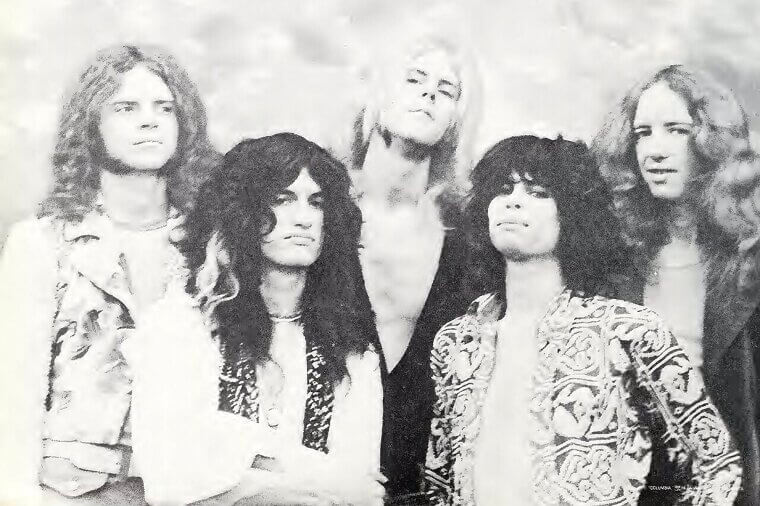
The track famously received a second life a decade later during a groundbreaking collaboration with a rap trio. That crossover single fundamentally changed the landscape of popular music.
"Metal Health" by Quiet Riot - An Expression of Extreme Frustration With the Restrictive Nature of the Music Industry
Kevin DuBrow penned this raucous anthem as a defiant reaction against record executives who constantly demanded the band change their image and sound. The singer was tired of being told to write softer pop tunes and conform to the neat, commercial trends of the early decade. He wanted a song that celebrated the sheer noise and chaotic joy of heavy music, encouraging listeners to embrace their unruly nature and bang their heads. The straightforward, stomping rhythm was designed specifically to maximize audience participation and physical movement during live performances. The rebellious message resonated deeply with disenfranchised teenagers.

The accompanying album unexpectedly reached the top of the charts, stunning industry insiders. It effectively kicked off the massive hair metal craze that dominated the rest of the decade.
"Epic" by Faith No More - Exploring the Agonizing Feeling of Wanting Something Out of Reach
Mike Patton wrote the cryptic lyrics to this genre-blending hit by focusing on the universal sensation of deep frustration and unfulfilled desire. The repetitive chorus, demanding to know what it is, deliberately avoids specifying the object of affection or ambition, allowing listeners to insert their own struggles. The vocalist combined melodic singing with a rhythmic, rap-influenced delivery that perfectly matched the bizarre blend of funk bass, heavy guitars, and classical piano. The band had no clear genre, throwing multiple influences into a blender and creating a surreal, unpredictable soundscape that baffled traditional critics. The eccentricity proved highly magnetic.

The music video infamously featured a fish flopping on the ground out of water, drawing complaints from animal rights groups. The track paved the way for the alternative crossover boom.
"The Number of the Beast" by Iron Maiden - Based on a Vivid Nightmare Prompted by Watching a Classic Horror Film
Steve Harris composed this galloping metal classic after experiencing a terrifying dream following a late-night viewing of a popular demonic thriller. The bassist woke up in a cold sweat, his mind racing with apocalyptic imagery and visions of supernatural conflict. He translated the harrowing experience into an intense musical narrative, utilizing a spoken-word introduction from a famous actor to set an incredibly ominous tone. The driving, twin-guitar harmony and relentless rhythm section mimic the frantic pace of fleeing from an unseen terror in the dark. The powerful vocal performance required numerous takes to capture the necessary intensity.

Conservative groups heavily protested the release, organizing public bonfires to destroy the band's merchandise. This controversy only served to increase their popularity and solidify their legendary status.