
Ready to revisit the soaring vocals, thundering growls, and unforgettable stage presences that shaped heavy music forever? From theatrical shock-rockers to commanding rhythm masters, dive into our ultimate ranking of the most iconic metal frontmen—read on to see where your favorites landed!
Ozzy Osbourne, Black Sabbath, The Godfather of Heavy Metal who Defined the Genre
As the original voice of heavy metal, this Birmingham native set the standard for eerie and captivating stage presence. His haunting vocal melodies perfectly complemented the sinister riffs forged by his bandmates during the early days of the genre. Despite possessing a relatively limited technical range, his unique tone remains instantly recognizable and universally beloved by fans worldwide. He commanded arenas by simply clapping his hands and encouraging crowds to go absolutely wild, relying on raw charisma rather than complex choreography.
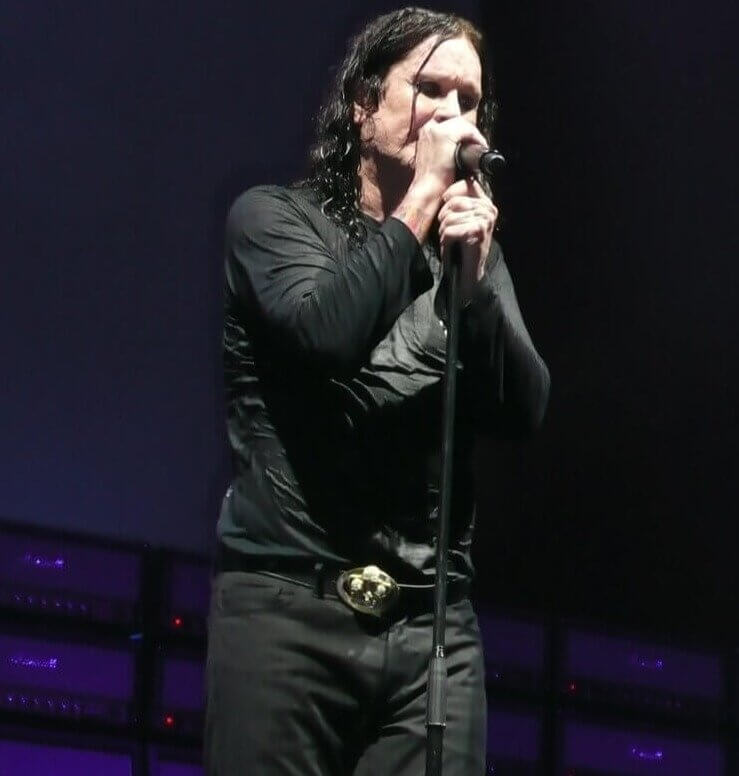
Following his departure from his first band, he reportedly reinvented himself through a highly successful solo career that introduced extreme music to entirely new generations. His public persona often overshadowed his genuine musical instincts, yet his undeniable contributions endure. He remains a towering figure whose lasting influence can be heard in nearly every modern rock act today.
Bruce Dickinson, Iron Maiden, The Air Raid Siren With Unmatched Theatrical Energy
Bringing a soaring operatic quality to the New Wave of British Heavy Metal, this legendary performer completely transformed his band into global stadium headliners. He is famous for running across massive stage sets, leaping off monitors, and maintaining flawless pitch while wearing elaborate costumes. His vocal register reaches astonishing heights, easily piercing through galloping basslines and twin-guitar harmonies without ever losing power. A true Renaissance man, he reportedly holds a commercial pilot license and frequently flies his bandmates on global tours.
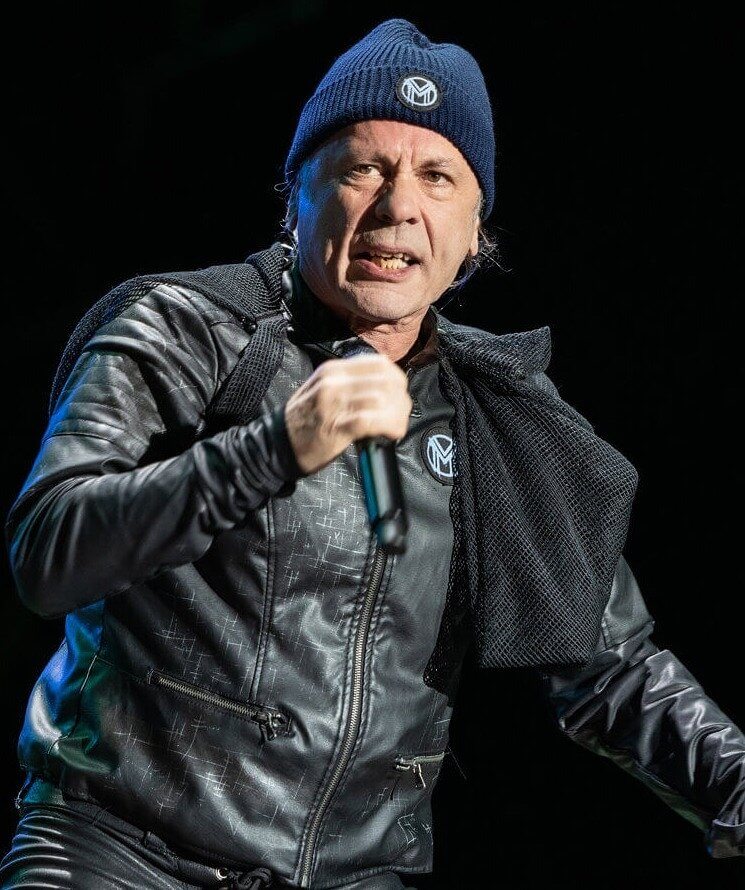
He seamlessly intertwines historical events and literature into his stage banter, making every concert feel like a grand cinematic event. The relentless energy he brings to live shows sets an incredibly high bar for younger performers. His theatrical vision and commanding presence solidify his status as an undisputed titan of live music entertainment.
Rob Halford, Judas Priest, The Metal God Who Introduced Leather Aesthetics
This vocal powerhouse boasts one of the most astonishing multi-octave ranges in the history of recorded music. He effortlessly transitions from a menacing mid-range growl to ear-piercing falsetto screams that define traditional speed metal. Beyond his technical prowess, he fundamentally shaped the visual identity of the entire culture by introducing the iconic leather and studs aesthetic. He routinely drives a roaring motorcycle onto the stage, creating unforgettable dramatic moments that audiences anticipate with immense excitement.
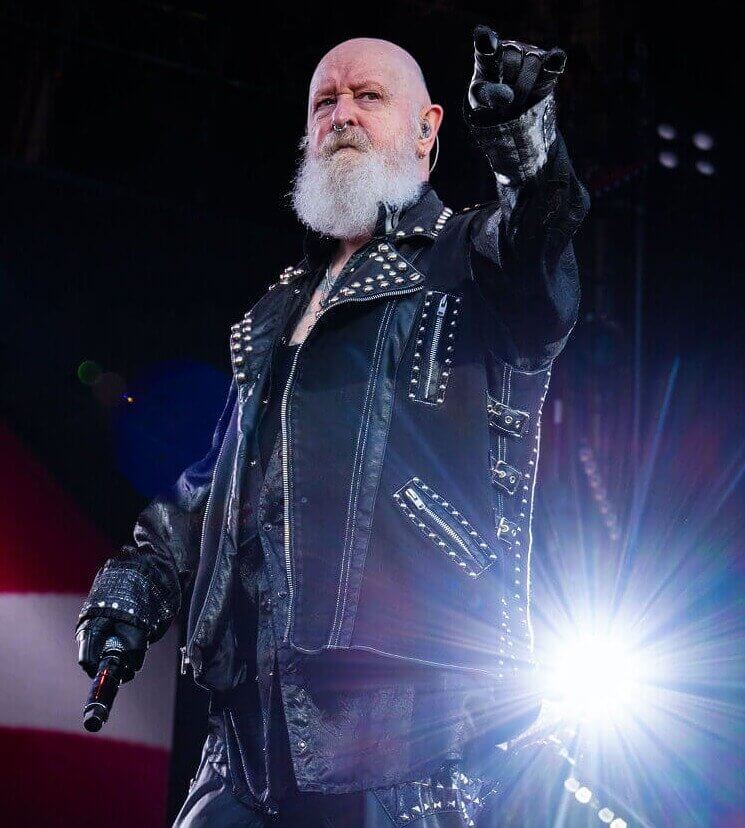
His commanding stage presence relies heavily on a stoic, imposing stance that perfectly matches the aggressive precision of his music. He broke significant barriers within the community by living his truth and remaining a beloved icon. His pioneering contributions to both the sound and the unmistakable look of the genre ensure his legacy will never be forgotten.
Ronnie James Dio, Dio and Black Sabbath, The Mystical Storyteller Who Popularized the Horns
Possessing a booming resonance that could easily cut through the thickest wall of distortion, this legendary singer was a true force of nature on any stage. He brought a fantastical flair and operatic power to heavy music that remains entirely unmatched by his peers. When he replaced an icon in a defining band, he managed to elevate the group to new creative heights during his celebrated tenure. He reportedly popularized the famous devil horns hand gesture, cementing a visual legacy that fans still use passionately at concerts worldwide.
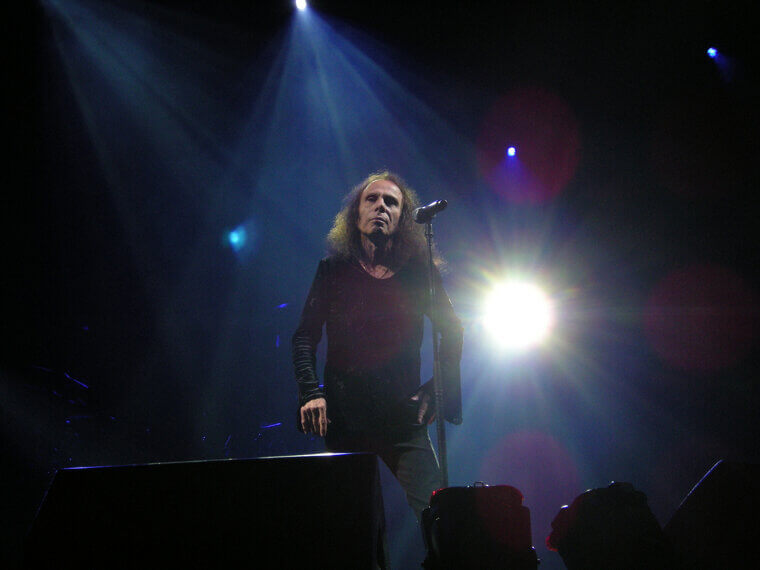
The sheer consistency of his vocal performances across multiple legendary bands solidifies his spot near the very top of any list. He always maintained a humble connection with his audience while delivering mythical narratives. His enduring legacy serves as the primary blueprint for traditional fantasy-themed singing.
James Hetfield, Metallica, The Riff Master with a Roaring Baritone
Standing as the rhythmic anchor and roaring voice of the biggest thrash band in history, his aggressive down-picking style is legendary. His vocal evolution from a high-pitched shouter to a commanding baritone crooner showcases his impressive growth as a dedicated musician. He addresses audiences with a gruff, brotherly camaraderie that makes massive stadiums feel like intimate club shows. His lyrics frequently explore personal struggles, offering a grounded and emotional counterpoint to the blistering speed of the instrumentation.
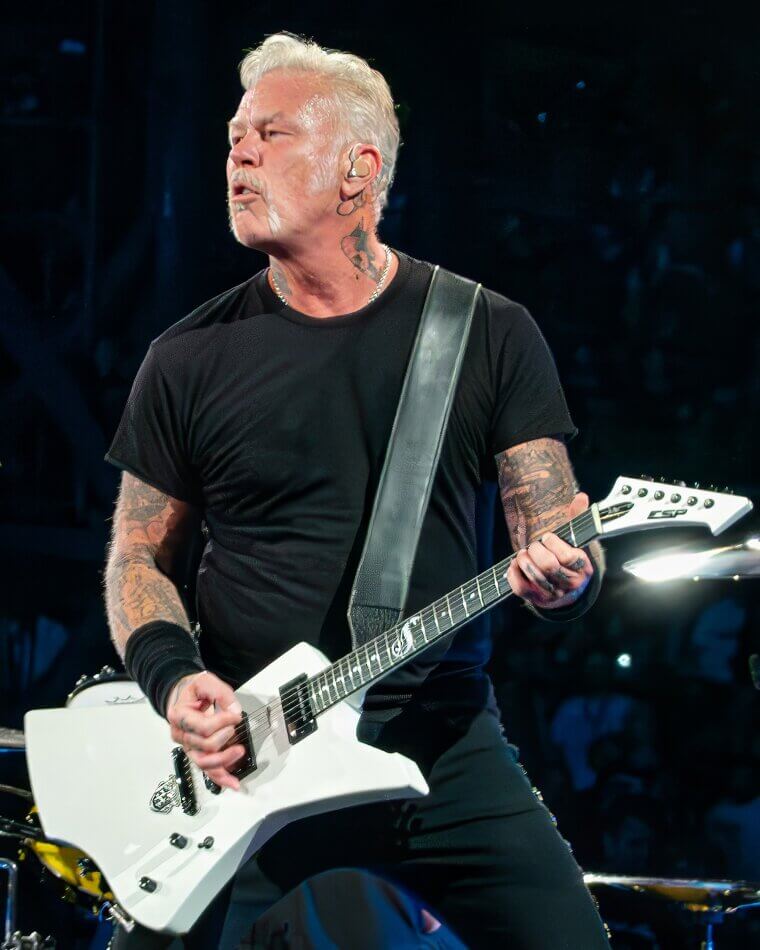
By straddling the line between rhythm guitarist and lead vocalist, he carries a massive workload during every performance. He reportedly battled significant personal demons but emerged stronger, inspiring countless fans with his resilience. His signature growls and rhythmic precision remain the absolute gold standard for modern rhythm players everywhere.
Lemmy Kilmister, Motorhead, The Gritty Outlaw Who Bridged Punk and Metal
Armed with a bass guitar played like a rhythm instrument and a microphone angled unusually high, this iconic figure embodied rock and roll rebellion. His gravelly voice sounded exactly like a combination of whiskey and crushed glass, perfectly matching the relentless speed of his music. He rejected flashy theatrics, preferring instead to stand firmly in place and deliver crushing volumes with stoic determination. His music naturally appealed to both punks and metalheads, bridging a cultural divide that few others could manage.
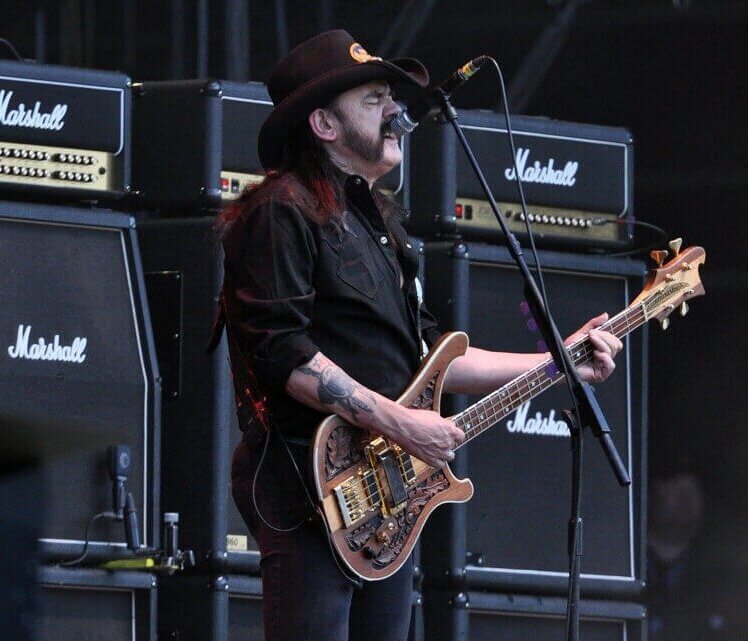
He famously lived the lifestyle he sang about, earning a reputation for authentic grit that commanded immense respect from his peers. He never compromised his vision or chased mainstream trends, remaining remarkably consistent for decades. His enduring outlaw spirit fundamentally shaped the aggressive attitude of subsequent extreme music genres.
Corey Taylor, Slipknot, The Aggressive Innovator of Masked Chaos
Leading a sprawling ensemble of masked musicians requires extraordinary charisma, and this dynamic vocalist delivers every single time. He seamlessly switches between guttural, throat-shredding screams and pristine melodic singing, demonstrating remarkable versatility. His aggressive stage presence perfectly channels the raw anger and profound alienation expressed in his lyrics. He acts as a chaotic ringmaster, inciting massive festival crowds into swirling frenzies with merely a single command. The physical toll of performing in heavy masks and jumpsuits never diminishes the intense energy he projects during marathon sets.
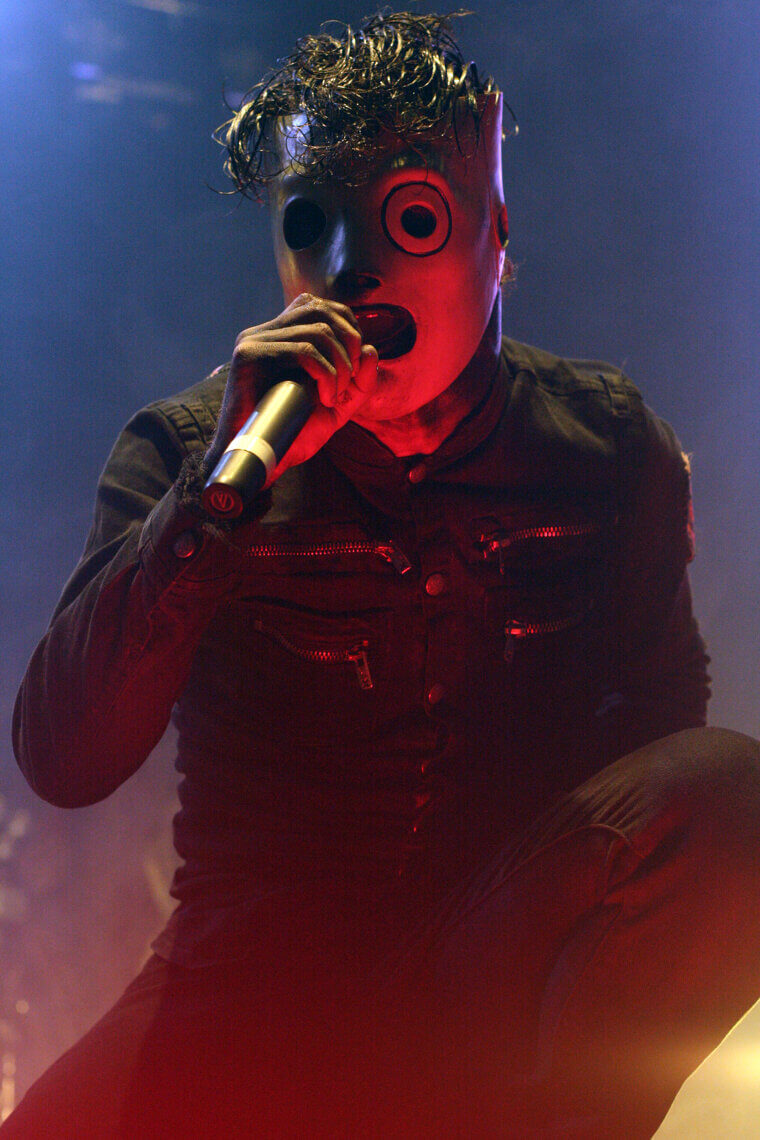
He reportedly views the mask not as a gimmick, but as a tool to access his darkest emotional depths on stage. His unique ability to balance terrifying intensity with genuine vulnerability makes him a definitive voice for his generation of heavy music fans.
Phil Anselmo, Pantera, The Intimidating Force Who Defined Groove Metal
Bringing a street-tough attitude and an intimidating physical presence to the stage, this vocalist fundamentally changed the trajectory of heavy music in the 1990s. His barked, aggressive vocal style perfectly complemented the syncopated rhythms and massive grooves crafted by his legendary bandmates. He paced the stage like a caged animal, glaring at the audience and demanding their absolute maximum physical output in the mosh pit. His lyrics often dealt with themes of betrayal and raw survival, resonating deeply with disillusioned youth worldwide.
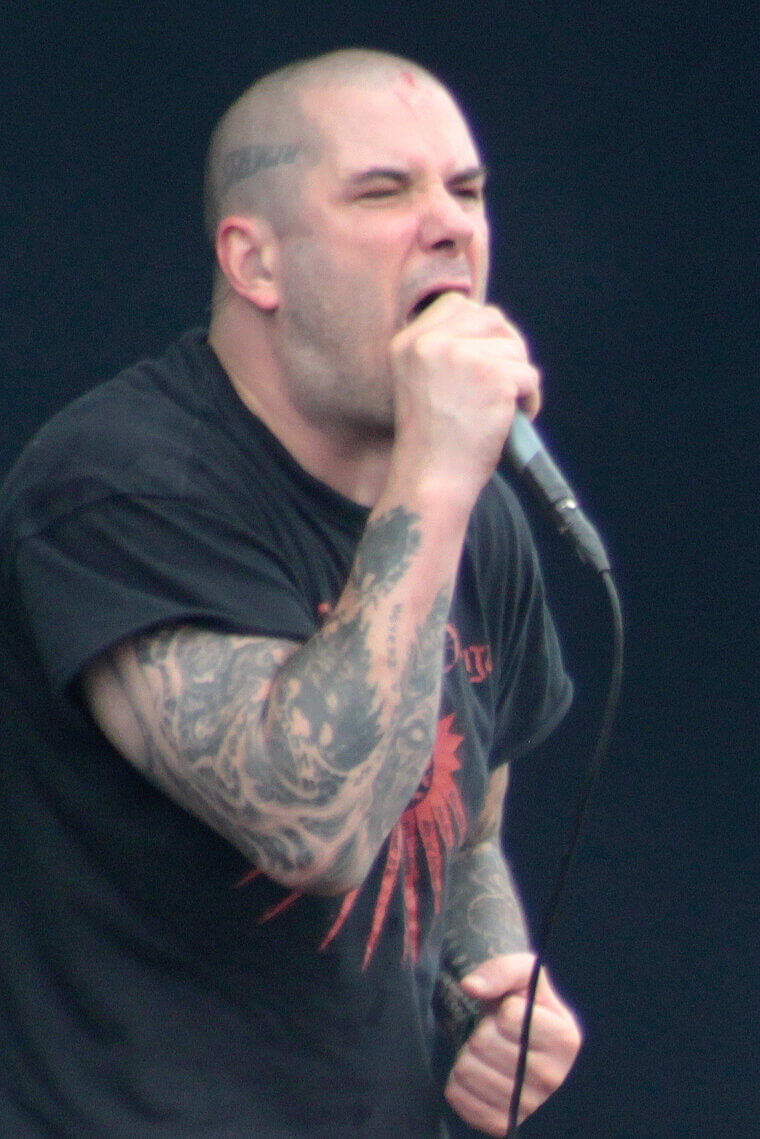
He introduced a hardcore punk aesthetic to arena tours, stripping away the glamorous excesses of the previous decade. He remains a highly controversial yet undeniably influential figure whose vocal phrasing spawned an entire generation of imitators. His raw ferocity continues to be a benchmark for modern hardcore and groove acts.
Tom Araya, Slayer, The Rapid-Fire Shouter of Thrash Anthems
Tasked with delivering some of the most controversial and lightning-fast lyrics in extreme music history, this bass-playing vocalist never faltered under pressure. His chilling, high-pitched shrieks and rapid-fire delivery perfectly matched the chaotic speed and sinister themes of his band. He famously stood relatively still on stage, sporting an unnerving grin while singing about the darkest aspects of humanity. This stark contrast between his friendly demeanor and the horrific lyrical content made the performances incredibly unsettling.
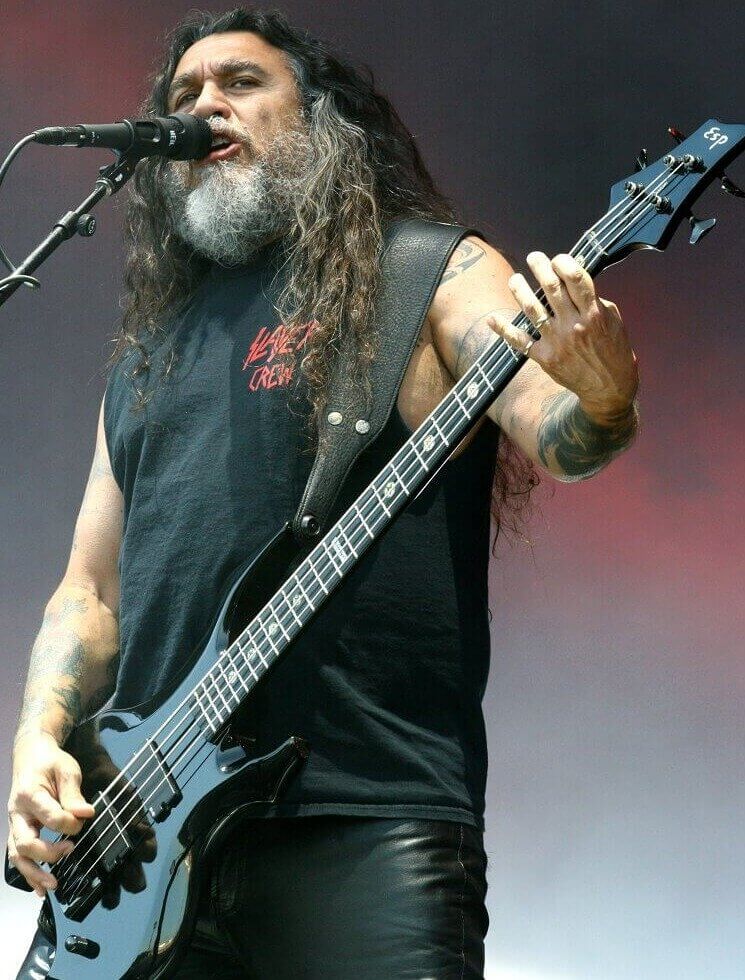
He anchored the frantic energy of his bandmates with a steady, commanding presence that kept the chaos focused. He reportedly suffered severe physical issues from decades of aggressive headbanging, eventually forcing him to alter his stage performance. His precise enunciation at breakneck speeds remains a crucial lesson for aspiring extreme vocalists today.
Dave Mustaine, Megadeth, The Snarling Architect of Technical Thrash
Fueled by notorious ambition and a brilliant ear for complex song structures, this fiery frontman built an empire of intricate speed music. His trademark snarling vocal delivery perfectly matches the cynical, politically charged lyrics he has penned over his lengthy career. He handles incredibly complex guitar passages while simultaneously delivering biting vocals, a feat of coordination that leaves musicians stunned. His stage persona is frequently confrontational and intense, demanding absolute precision from both his bandmates and his audience.
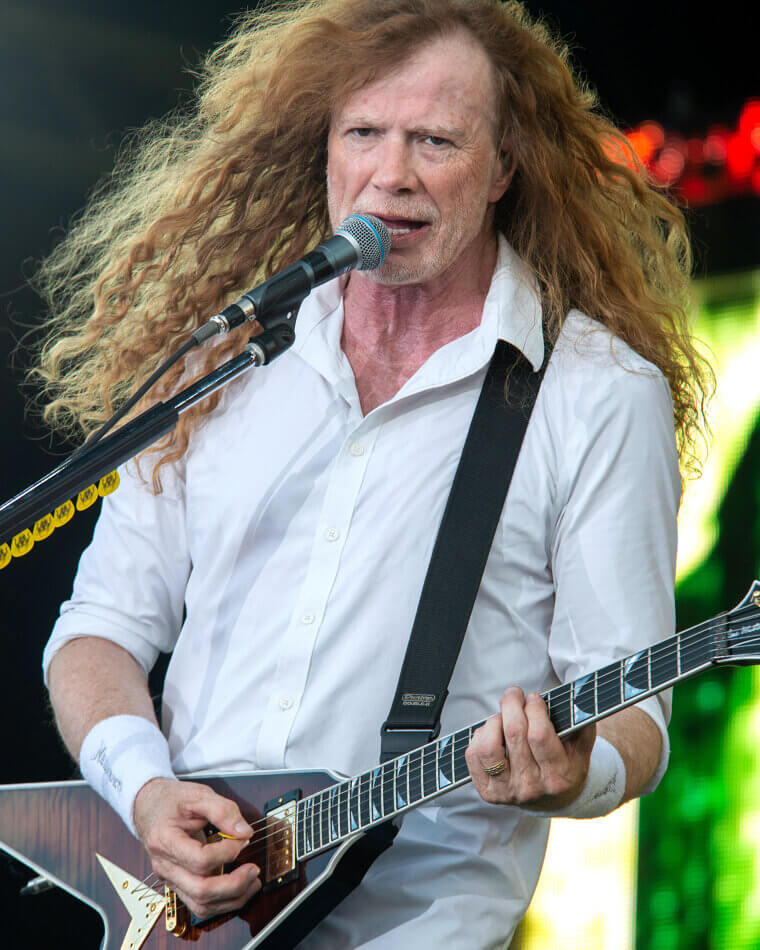
After allegedly being unceremoniously dismissed from his previous band, he channeled that rejection into creating one of the most successful groups in the genre. He often addresses political themes during his shows, turning concerts into intense rallies for independent thought. His relentless drive and technical mastery secure his spot as a legendary architect of heavy music.
Serj Tankian, System of a Down, The Eccentric Vocal Acrobat
Possessing one of the most unconventional and theatrical voices in modern rock, this artist constantly surprises listeners with his immense range. He wildly shifts from operatic melodies to rapid, rhythmic barking within the span of a single musical phrase. His eccentric stage presence matches his unpredictable vocal style, often featuring erratic movements and intense stares. He uses his platform to highlight serious political and social issues, making his performances both entertaining and deeply thought-provoking.
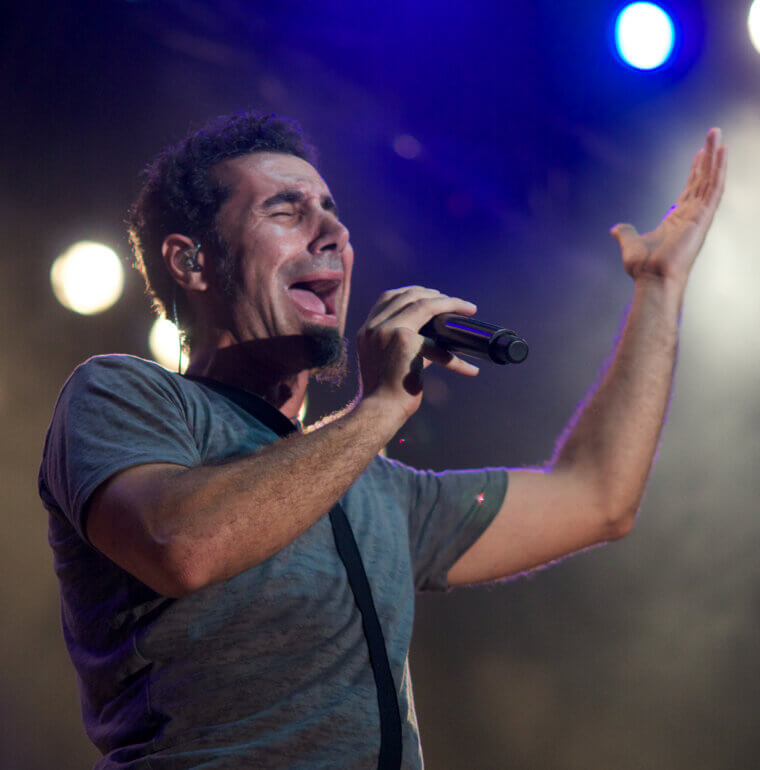
The unique incorporation of Middle Eastern vocal scales into his repertoire adds a distinct flavor that separates him from his contemporaries. He reportedly approaches his singing more like a classical instrument, carefully utilizing diverse techniques to express complex emotions. His quirky yet profoundly serious approach challenges audiences while keeping them engaged.
Jonathan Davis, Korn, The Emotional Pioneer of Nu Metal
Introducing a startling level of raw emotional vulnerability to the aggressive music scene, this unique vocalist created an entirely new sonic landscape. His signature scat-singing and weeping vocal techniques captured the angst of a generation in a way traditional screaming never could. He frequently utilizes a custom microphone stand crafted by a famous artist, adding a striking visual element to his live performances. His lyrics dive fearlessly into personal trauma, providing a cathartic outlet for millions of struggling fans around the world.
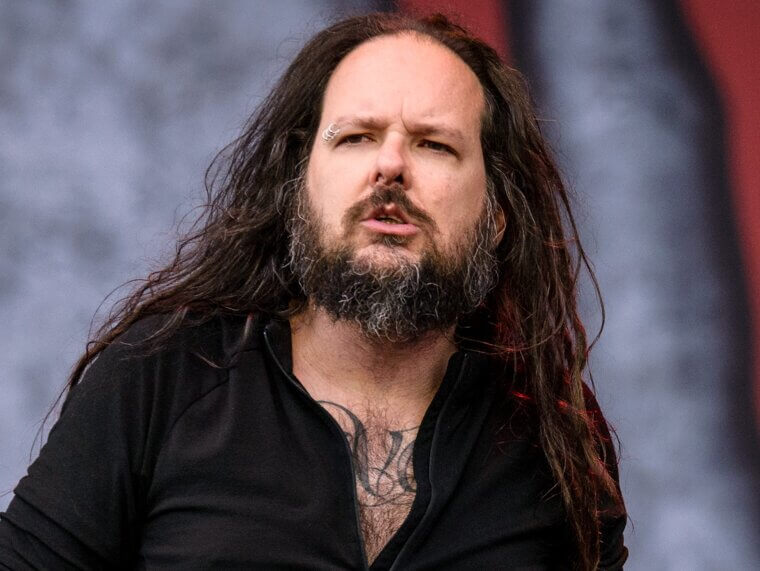
He seamlessly incorporated bagpipes into heavy music, demonstrating a fearless willingness to experiment outside established boundaries. He arguably remains the most recognizable and enduring voice of the late-nineties alternative movement. His genuine emotional outpourings on stage ensure that every concert feels like a deeply personal therapy session.
Mike Patton, Faith No More, The Avant-Garde Genius with Infinite Range
Renowned for possessing a vocal range that allegedly spans an astonishing six octaves, this eclectic frontman refuses to be confined by any single genre. He comfortably transitions from soothing lounge singing to guttural death growls and bizarre beatboxing, often within the exact same song. His stage presence is wildly unpredictable, frequently incorporating acrobatic leaps, strange costumes, and confrontational interactions with the crowd. He actively challenges his audience, purposely subverting expectations and twisting traditional song structures into surreal experiences.

He treats his voice as a versatile sound effect machine rather than just a vehicle for delivering lyrics. His fearless experimentation has heavily influenced countless modern vocalists seeking to expand their sonic horizons. He remains an enigmatic mastermind whose live performances are always theatrical, baffling, and undeniably brilliant.
Maynard James Keenan, Tool, The Enigmatic Shadow of Progressive Metal
Preferring to perform in the shadows near the drum riser rather than at the front of the stage, this mysterious vocalist challenges traditional frontman expectations. His ethereal, hypnotic melodies float above incredibly complex polyrhythms, creating a deeply immersive atmospheric experience for the listener. He frequently wears elaborate disguises or riot gear, adding layers of theatrical abstraction to his highly emotional lyrics. His deliberate detachment from the audience actually intensifies the mystique and emotional weight of the performance.
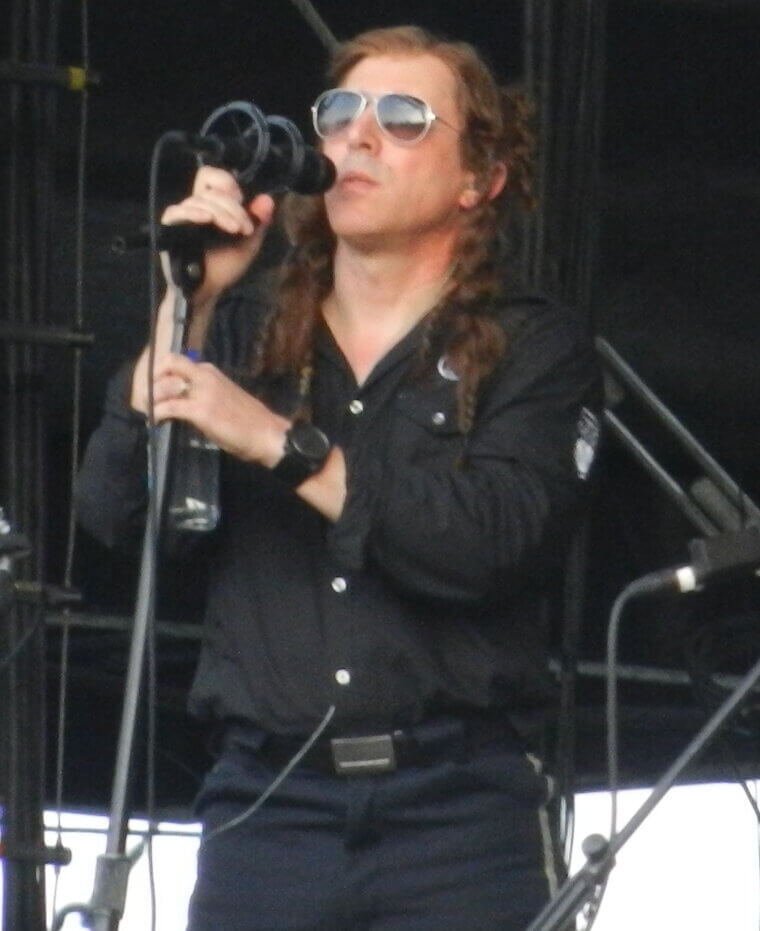
He flawlessly executes sustained, powerful notes that demand immense breath control and disciplined technique. He reportedly despises the celebrity aspect of the music industry, choosing instead to let the intricate music speak entirely for itself. His enigmatic presence and pristine vocal delivery make him a uniquely captivating figure in progressive circles.
Chuck Schuldiner, Death, The Father of Death Metal Growls
Widely recognized as a primary architect of extreme music, this visionary musician pushed technical boundaries while crafting entirely new vocal styles. His pioneering use of harsh, guttural growls provided the blueprint for the entire death metal genre that flourished in his wake. As his career progressed, his vocals evolved into higher-pitched, anguished screams that perfectly articulated his increasingly philosophical and complex lyrics. He famously demanded absolute musical perfection, surrounding himself with elite musicians to execute his intricate, challenging compositions.
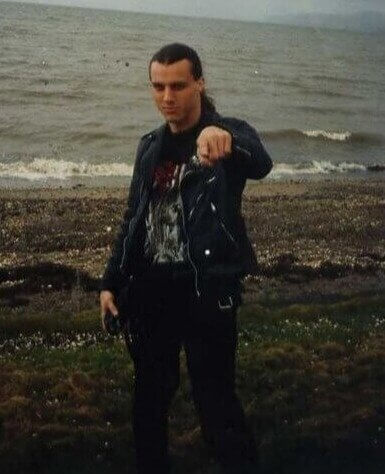
He commanded the stage with an intense focus, prioritizing musical precision over flashy theatrics or audience pandering. He tragically passed away far too young, but his pioneering techniques continue to influence extreme bands globally. His uncompromising dedication to artistic progression firmly secures his legendary status as a founding father.
Mikael Akerfeldt, Opeth, The Master of Dynamic Light and Dark Vocals
Masterfully bridging the gap between brutal aggression and melancholic beauty, this talented Swedish frontman possesses two distinct and perfect voices. He flawlessly executes some of the most profound, cavernous growls in extreme music, only to switch instantly to breathtakingly smooth acoustic singing. His dry, self-deprecating stage banter provides a hilarious contrast to the deeply serious and complex progressive compositions his band performs. He casually chats with the audience as if they were old friends in a pub, creating an incredibly warm and inviting atmosphere.
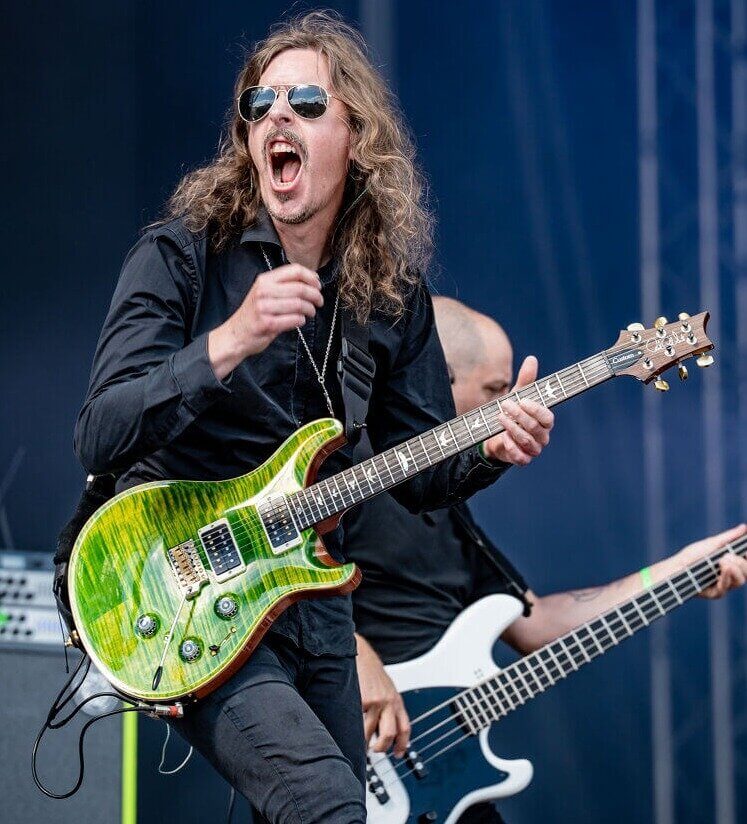
He allegedly tired of performing extreme vocals later in his career, bravely shifting his band towards a pure progressive rock sound. His fearless evolution and astonishing vocal control make him a universally respected figure among musicians. He commands respect through sheer talent and effortless charm rather than aggression.
Alice Cooper, Alice Cooper, The Original Architect of Shock Rock
Long before extreme music existed, this theatrical mastermind was terrifying audiences with guillotines, fake blood, and sinister vocal deliveries. He essentially invented the concept of rock as a horror-themed theatrical production, paving the way for countless bands to follow in his footsteps. His raspy, sneering voice perfectly captures the villainous characters he portrays during his elaborate, carefully choreographed stage shows. He seamlessly blends hard rock anthems with vaudevillian entertainment, ensuring that the audience remains visually captivated at all times.
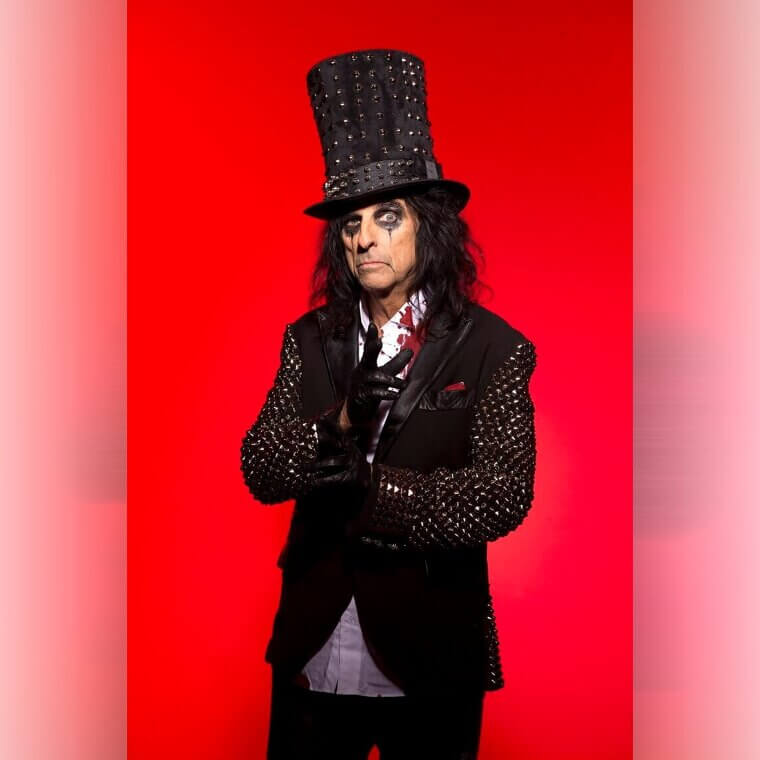
He reportedly separates his mild-mannered real-life personality from his intense stage character with remarkable discipline. The sheer longevity of his career is a testament to his unmatched skills as an entertainer and storyteller. His dark visual aesthetic remains a foundational pillar for nearly all theatrical heavy music today.
Glenn Danzig, Misfits and Danzig, The Bluesy Crooner of Horror Punk
Blending an obsession with horror imagery and a deep love for classic blues crooners, this muscular frontman carved out a completely unique musical niche. His rich, booming baritone voice drew immediate comparisons to iconic singers of the past, yet it carried a distinctly sinister modern edge. He aggressively paced the stage, projecting an aura of physical menace and dark romanticism that captivated devoted audiences worldwide. His songwriting brilliantly combined punk rock energy with dark, gothic atmospheres, creating anthems that remain timeless classics.
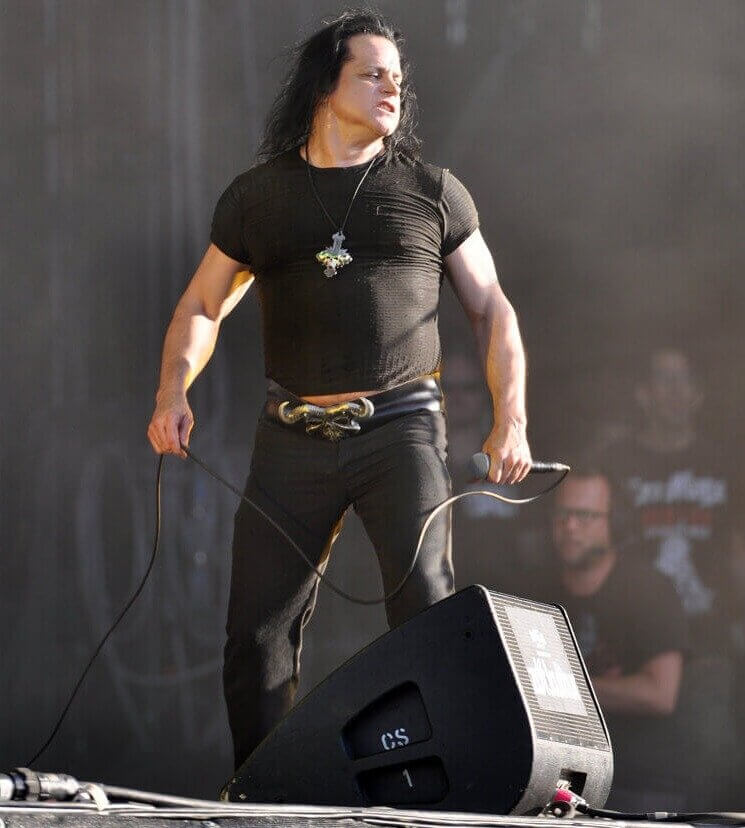
He fiercely protected his artistic vision, reportedly maintaining strict control over his band's merchandising and visual identity for decades. His instantly recognizable vocal phrasing has inspired generations of gothic and punk rock musicians. He stands as a towering figure who successfully merged old-school melody with modern aggression.
King Diamond, Mercyful Fate, The Falsetto King of Theatrical Horror
Instantly recognizable by his elaborate face paint and a microphone stand made from actual human bones, this artist is a master of horror storytelling. His signature vocal style features abrupt transitions from ominous growls to chilling, glass-shattering falsetto wails. He treats every album like a haunted house, carefully crafting intricate concept stories that he brings to life on elaborate stage sets. His theatrical performances frequently include actors playing out the gruesome narratives while he serves as the sinister narrator.
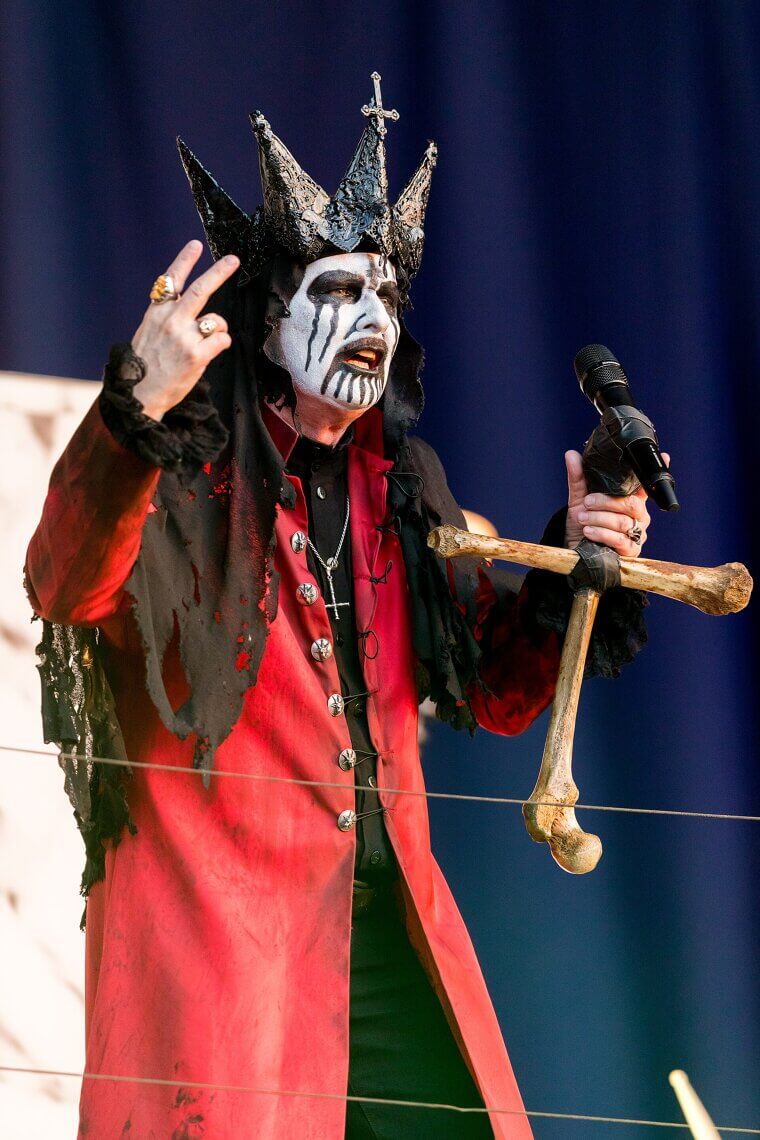
He firmly established a satanic aesthetic in the early days of heavy music, profoundly influencing the entire first wave of black metal. He continues to perform with remarkable vocal preservation, delivering those impossible high notes well into his later years. His unyielding commitment to his dark craft makes him a legendary entertainer.
Joey Belladonna, Anthrax, The Melodic Voice in a Thrash World
Standing out in a scene dominated by aggressive shouters, this talented singer brought classic rock melodies to the frantic pace of thrash. His clean, soaring vocal style provided a brilliant contrast to the rapid-fire riffs and punk-infused energy of his legendary bandmates. He famously incorporated Native American headdresses and energetic stage runs, matching the infectious enthusiasm of the rapidly growing thrash movement. His ability to hit massive high notes while running at full speed across the stage is a remarkable display of physical endurance.
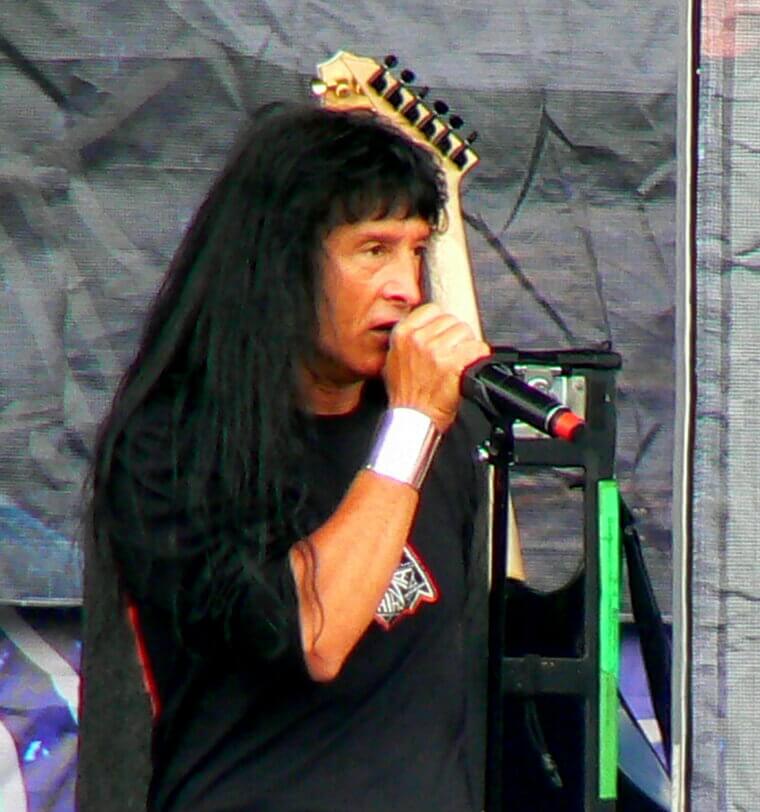
He reportedly faced initial skepticism from extreme fans, but his undeniable talent quickly won over the most stubborn purists. His melodic contributions helped elevate his band into the revered upper echelon of the genre. He remains a crucial figure who proved that extreme speed and clean singing could perfectly coexist.
Max Cavalera, Sepultura, The Tribal Rhythmist of Brazilian Metal
Emerging from South America to conquer the global extreme music scene, this passionate frontman brought unprecedented rhythmic aggression to the genre. His harsh, rhythmic barks served as another percussive layer alongside the incredibly dense and fast instrumentation of his group. He successfully integrated traditional Brazilian tribal rhythms and instruments into his heavy compositions, creating a revolutionary sound that inspired a massive movement. He commands the crowd with fierce, revolutionary energy, often playing a guitar featuring only four strings to focus purely on heavy, chugging rhythms.
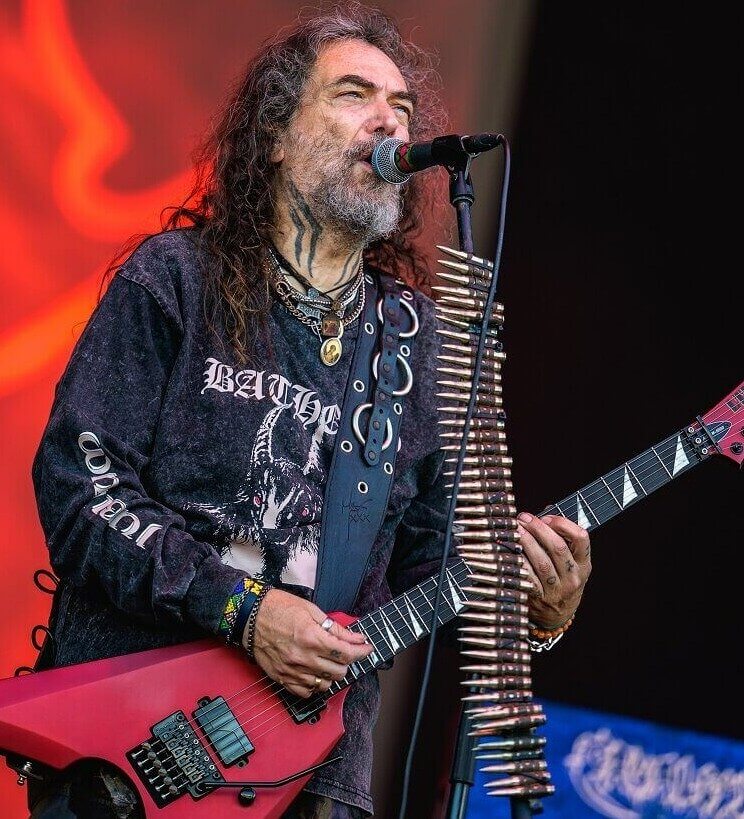
He allegedly left his original, highly successful band due to managerial disputes, only to quickly form another incredibly influential project. His dedication to exploring global sounds while maintaining uncompromising heaviness sets him apart. He remains an unstoppable force of musical innovation and raw passion.
Peter Steele, Type O Negative, The Vampiric Bass-Baritone of Gothic Metal
Standing at an imposing physical height, this legendary artist used his incredibly deep bass-baritone voice to define the gothic doom genre. His dry, extremely dark sense of humor provided a brilliant counterpoint to the deeply depressing and romantic themes present in his music. He famously utilized a heavy chorus effect on his bass guitar, creating a lush, thick sonic wall that perfectly matched his booming vocals. He engaged audiences with charmingly sarcastic banter, often mocking his own gloominess to ensure the crowd felt a strange sense of joy.
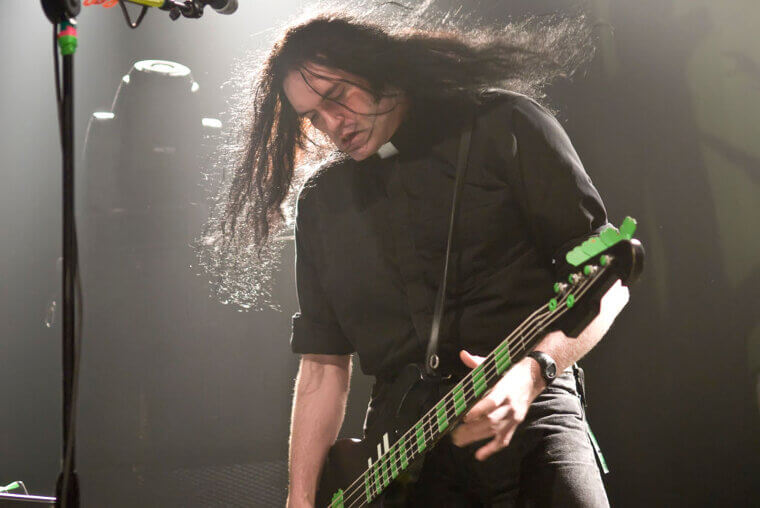
He unapologetically incorporated pop melodies into agonizingly slow, sludgy dirges with remarkable success. Though he tragically passed away, his distinctive voice and unique aesthetic remain entirely unmatched in the heavy music landscape. He left behind a legacy of beautifully tragic and surprisingly humorous gothic anthems.
Till Lindemann, Rammstein, The Pyrotechnic Commander of Industrial
Commanding the stage with a terrifyingly rigid posture and a deeply resonant bass voice, this German vocalist is a true spectacle of modern entertainment. He famously incorporates incredibly dangerous pyrotechnics into every performance, reportedly obtaining a licensed pyrotechnician certificate to safely orchestrate the explosive chaos. He deliberately rolls his 'R's and enunciates lyrics with a dramatic flair that turns the German language into a menacing musical instrument. His stage acting frequently involves dark, controversial theatrical scenes that challenge societal taboos and provoke intense audience reactions.
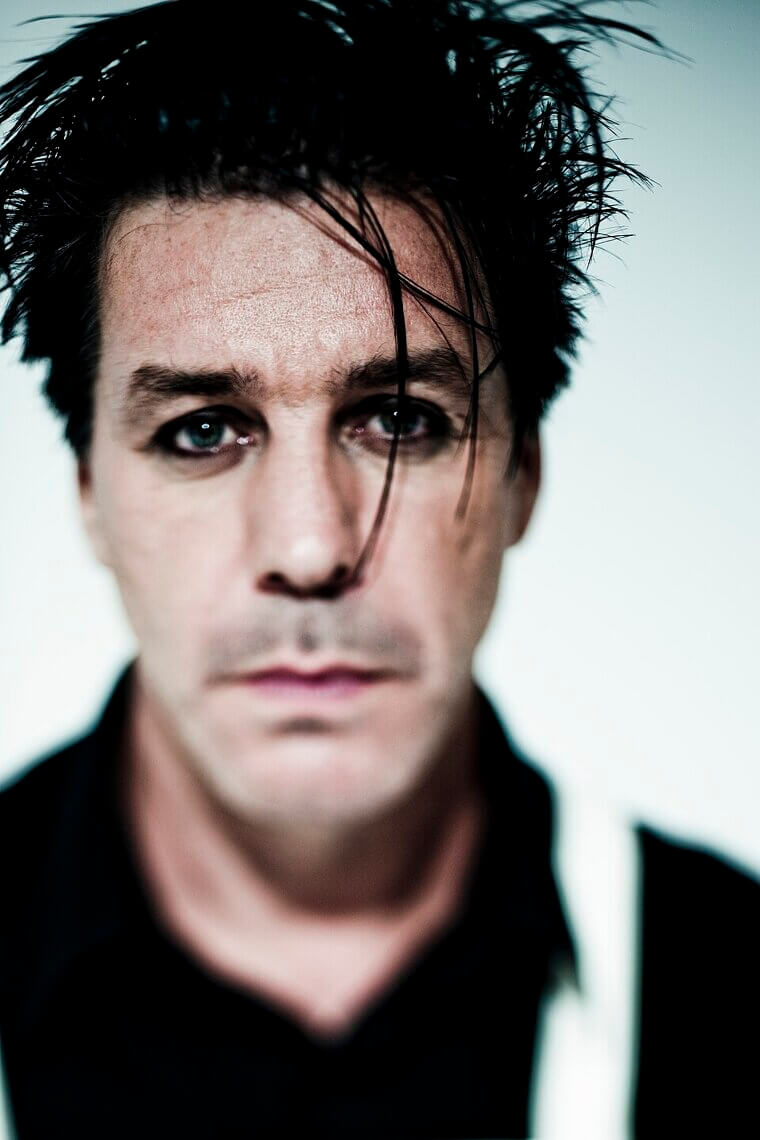
He maintains a massive physical presence, powering through marathon sets filled with literal fire and intense heat. He rarely speaks to the crowd between songs, allowing the overwhelming visual and sonic assault to speak entirely for itself. His fearless dedication to extreme theatricality makes his live shows legendary.
Jens Kidman, Meshuggah, The Rhythmic Cyborg of Djent
Tasked with anchoring music composed of impossibly complex, shifting time signatures, this vocalist acts as a flawless, aggressive metronome. His harsh, abrasive shouting style cuts directly through the dense, down-tuned sonic layers created by his groundbreaking bandmates. He is famous for his intense, wide-eyed stage expressions and rigid, jerky movements that perfectly mirror the mechanical precision of the instrumentation. He refuses to utilize clean singing, maintaining a relentless, punishing vocal assault that demands immense physical stamina and focused discipline.
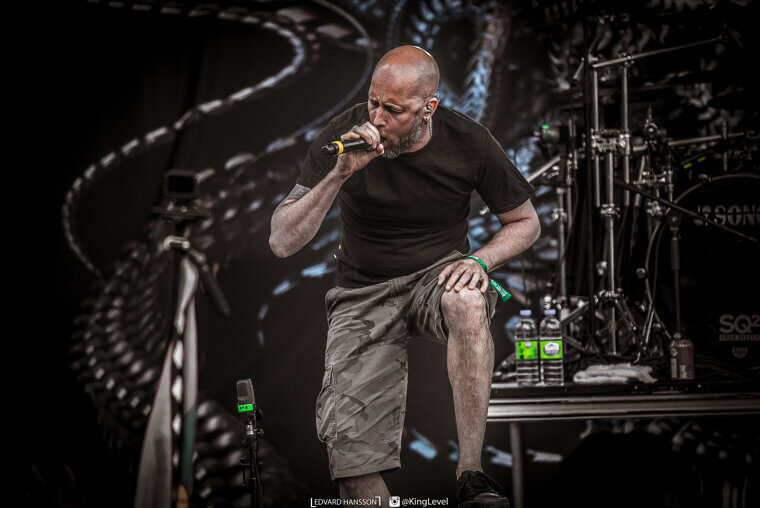
He reportedly memorizes complex rhythmic patterns by internalizing the groove, ensuring his vocals always land perfectly amidst the musical chaos. His uncompromising style fundamentally laid the groundwork for an entire subgenre of highly technical modern bands. He stands as a terrifyingly accurate vocal machine in an ocean of mathematical noise.
Chino Moreno, Deftones, The Ethereal Whisperer of Alternative Metal
Seamlessly blending shoegaze textures with crushing heaviness, this unique vocalist approaches aggressive music with startling vulnerability and grace. He famously transitions from breathless, sensual whispering directly into unhinged, blood-curdling shrieks, exploring extreme emotional dynamics. He glides across the stage with an unpredictable, fluid energy, often throwing himself passionately into the crowd during intense musical climaxes. His lyrics are deeply abstract and poetic, focusing heavily on evoking specific moods rather than telling straightforward, literal narratives.
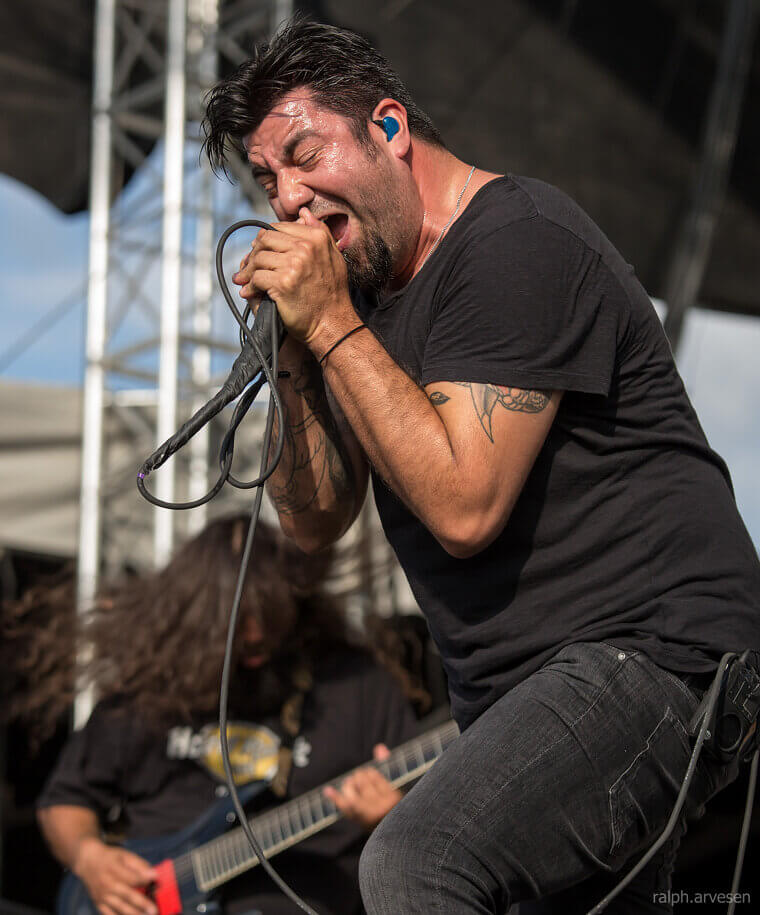
He bravely introduced new wave and post-punk influences into a scene that was previously dominated entirely by macho aggression. He remains a profoundly influential figure for modern vocalists seeking to balance heavy instrumentation with atmospheric beauty. His raw, unfiltered emotional delivery ensures that every performance feels intensely intimate despite massive crowd sizes.
Chuck Billy, Testament, The Towering Giant of Bay Area Thrash
Possessing a massive physical frame and an equally gigantic voice, this iconic frontman has weathered decades of musical shifts and personal challenges. He famously utilizes a unique half-microphone stand, expertly playing air guitar on it while delivering complex, aggressive vocal rhythms. His voice naturally transitioned from standard thrash shouting into incredibly deep, guttural death growls, showcasing an impressive and natural evolution. He leads his band with a joyful, commanding presence, always smiling and directly engaging with fans despite the fierce nature of the music.
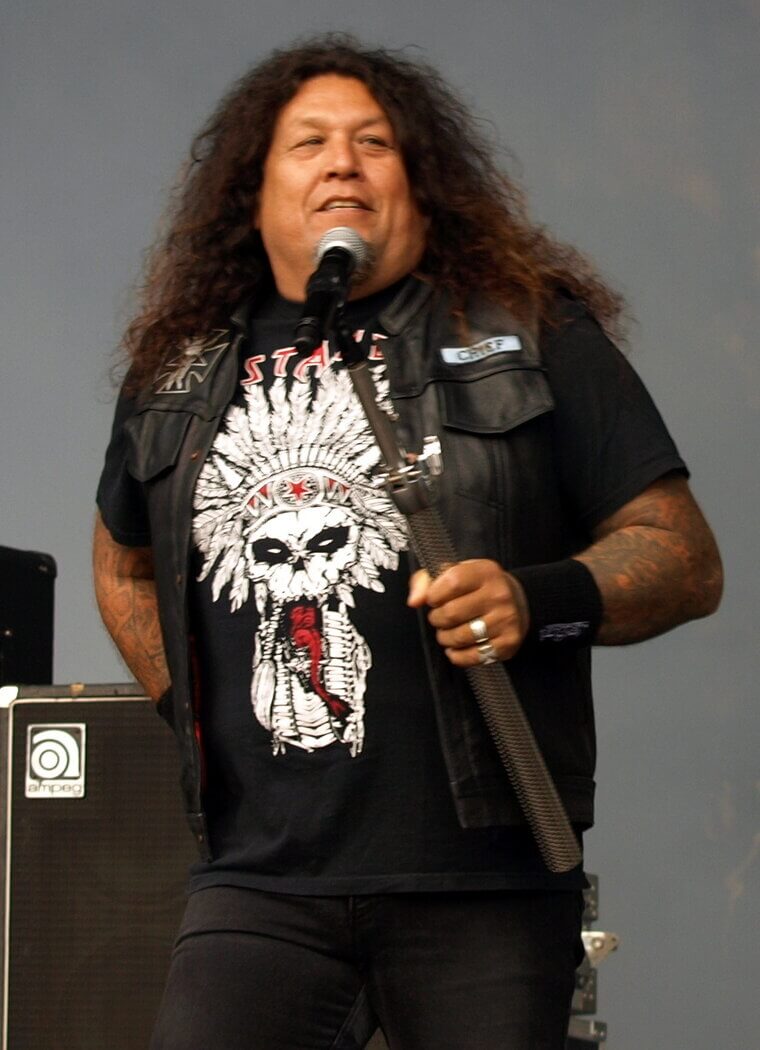
He allegedly defeated a serious illness and returned to the stage with even more power and conviction than before. He seamlessly bridges the gap between classic rapid-fire thrash and modern, heavier extreme styles. His unyielding endurance and consistently powerful performances make him a beloved scene veteran.
Bobby Blitz Ellsworth, Overkill, The High-Energy Survivor of Thrash
Known for his hyperactive stage presence and a wildly distinctive, raspy vocal tone, this New Jersey native is the ultimate thrash survivor. His voice sounds like a soaring, aggressive siren that immediately identifies his band within the first few seconds of any song. He sprints relentlessly across the stage, matching the frantic, high-speed energy of his bandmates without ever missing a single lyrical beat. His lyrics often feature a cynical, street-smart attitude, delivered with a charmingly menacing swagger that fans completely adore.
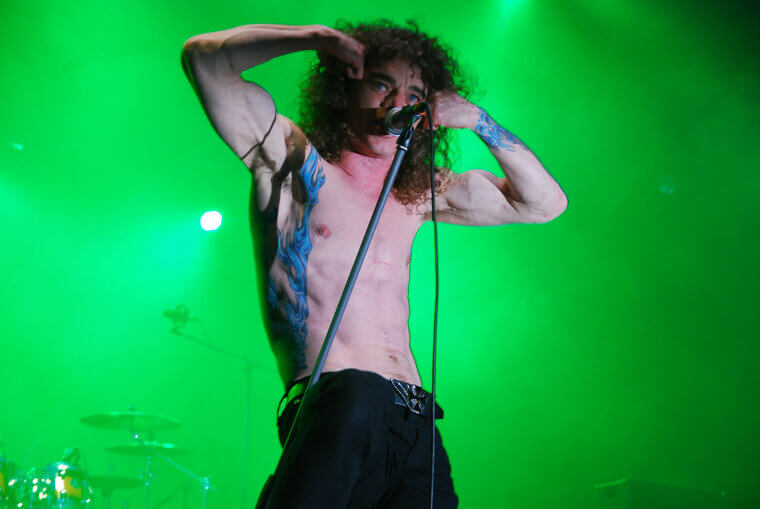
He reportedly suffered several significant health scares on tour but stubbornly returned to the road almost immediately every time. He fiercely maintains the blue-collar, hardworking ethos of the East Coast metal scene, refusing to compromise his aggressive sound. His dedication to rapid-fire delivery and boundless live energy remains incredibly inspiring.
Paul Baloff, Exodus, The Unhinged Maniac of Early Thrash
Embodying the pure, unadulterated chaos of the early extreme scene, this legendary frontman was famous for his completely unhinged live performances. He did not possess a classically trained voice, instead relying entirely on raw, vicious attitude and an aggressive, barking delivery. He demanded absolute violence in the mosh pit, frequently commanding audiences to destroy the venue and each other in the name of heavy music. His charismatic, violently enthusiastic stage banter became the stuff of legend, perfectly capturing the rebellious spirit of the underground cassette-trading era.
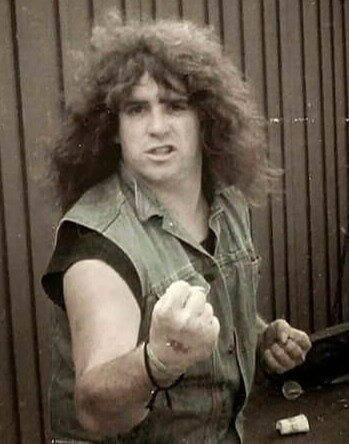
He sadly passed away, but his singular recorded album remains a foundational text for aggressive, fast-paced rhythm playing. He was reportedly the heart and soul of the early bay area movement, inspiring countless musicians to play faster and harder. His legendary hostility set the ultimate standard for thrash attitude.
Quorthon, Bathory, The Mysterious Founder of Black Metal
Working mostly in complete isolation, this incredibly mysterious visionary essentially birthed two distinct genres of extreme music from his bedroom. His early lo-fi recordings featured a raspy, demonic vocal style that became the absolute blueprint for all subsequent black metal vocalists. He deliberately avoided playing live shows, cultivating an aura of deep mystery and darkness that captivated an entirely new generation of fans. Later in his career, he boldly transitioned to clean, majestic singing, effectively inventing the epic, mythology-based Viking subgenre.
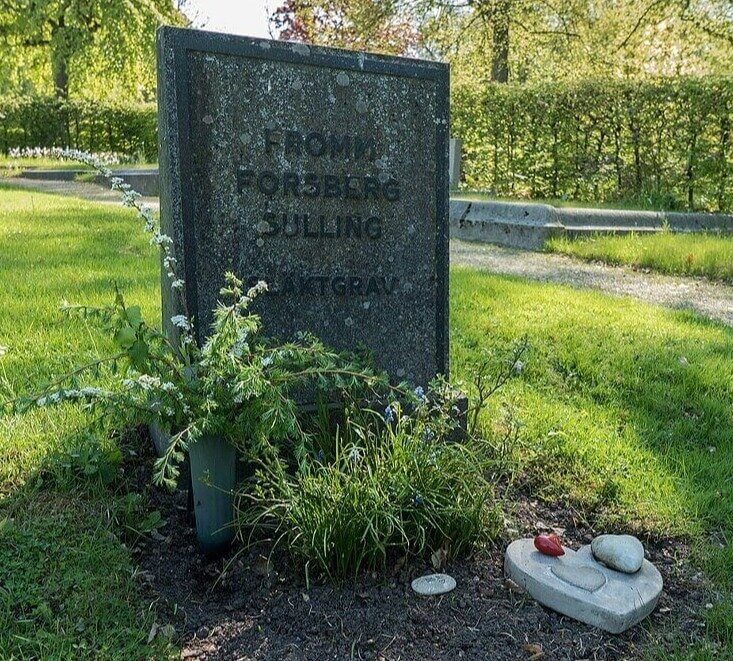
He reportedly handled nearly all songwriting, vocal, and instrumental duties himself, proving to be a fiercely independent musical genius. His tragic, early death only amplified his mythical status within the underground community. His uncompromising dedication to atmosphere over technical perfection changed the landscape of heavy music forever.
Johan Hegg, Amon Amarth, The Viking Chieftain of Melodic Death
Looking and sounding exactly like a formidable mythological warrior, this towering Swedish vocalist commands massive crowds with effortless authority. His deep, incredibly powerful growl remains remarkably articulate, allowing fans to clearly understand every epic narrative of battles and ancient gods. He famously drinks from a massive hollowed-out horn on stage, fully embracing the theatrical, historical theme of his immensely popular band. He frequently encourages crowds to sit on the floor and mimic rowing a massive longship, creating one of the most unique interactive concert experiences available.
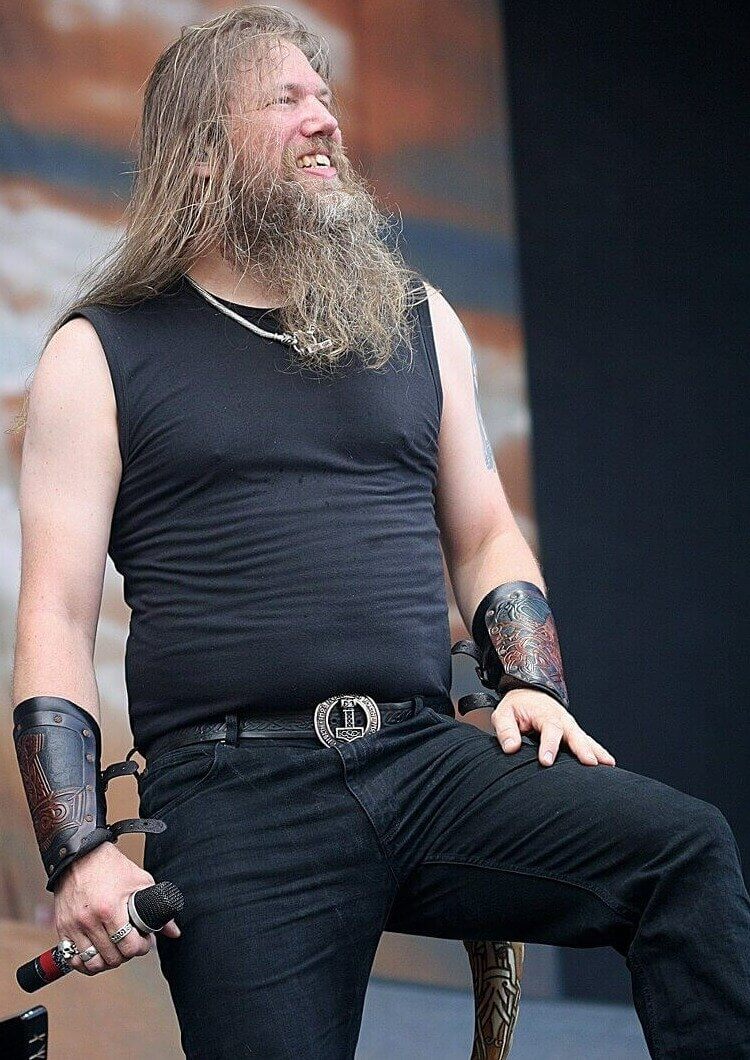
He reportedly researches historical texts extensively to ensure his lyrical themes are grounded in genuine mythological traditions. His jovial, welcoming stage banter provides a wonderful contrast to his intimidating roar and massive physical presence. He has successfully transformed extreme niche music into a global, arena-packing spectacle.
Al Jourgensen, Ministry, The Mad Scientist of Industrial Aggression
Pioneering the aggressive fusion of electronic dance beats and crushing guitars, this erratic genius fundamentally altered the heavy music landscape. His heavily distorted, sampled vocal style sounds like a dystopian broadcast, perfectly matching the chaotic, politically charged nature of his compositions. He commands the stage from behind a towering microphone stand often decorated with animal bones and strange occult imagery. His live shows are notoriously overwhelming sensory assaults, featuring blinding strobe lights, unsettling film projections, and deafeningly loud volume levels.
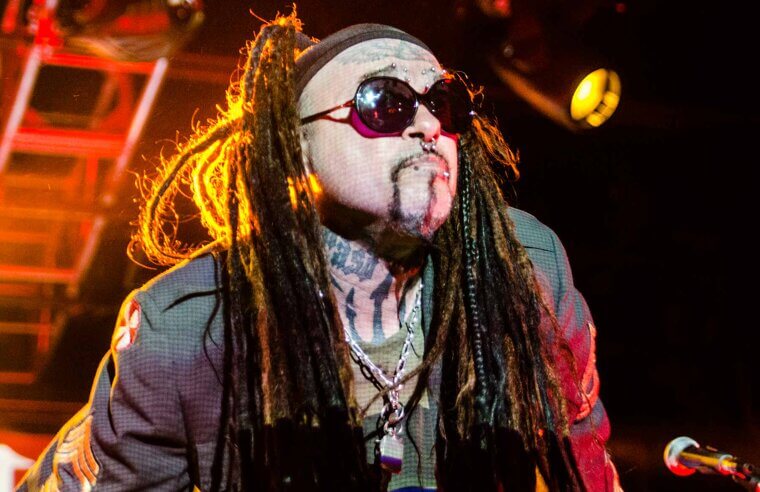
He reportedly lived an incredibly dangerous and chaotic lifestyle that heavily informed the dark, paranoid atmosphere of his most famous albums. He fearlessly experimented with technology, pushing the boundaries of what could be considered aggressive heavy rock. His radical innovations remain deeply influential to countless modern industrial and extreme acts.
Randy Blythe, Lamb of God, The Dynamic Screamer of the New Wave
Bringing a startling level of raw athleticism and vocal ferocity to the modern era, this passionate frontman commands massive festival crowds effortlessly. His vocal technique features a distinct, rhythmic barking style that perfectly locks in with the highly syncopated grooves of his band. He is incredibly active on stage, frequently executing massive leaps off drum risers while delivering guttural, prolonged screams without losing his breath. His lyrics are deeply introspective and fiercely intelligent, tackling complex personal demons and broad socio-political issues with sharp eloquence.
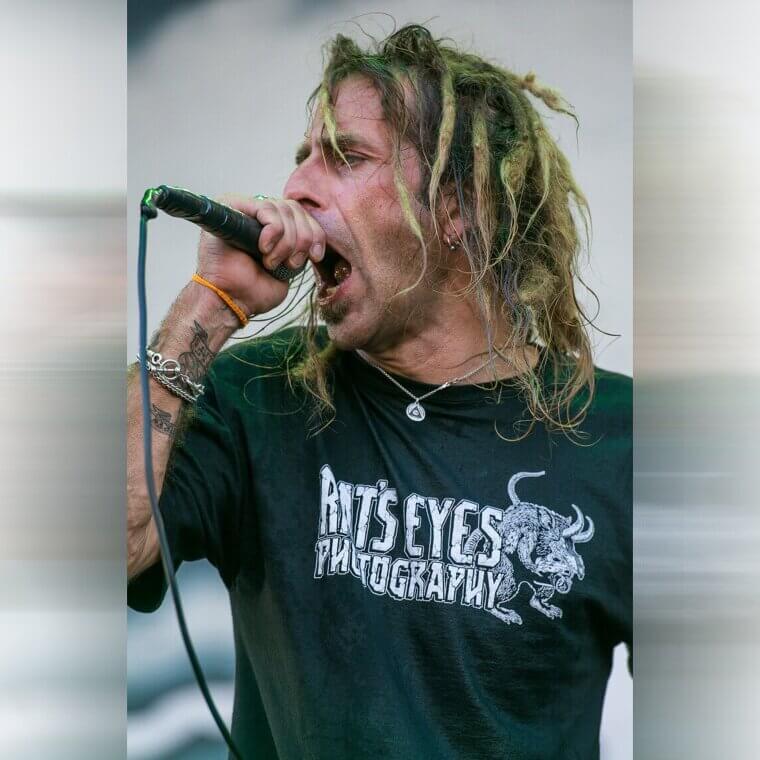
He famously survived a highly publicized legal ordeal abroad, channeling that traumatic experience into some of his most powerful vocal performances. He remains a fiercely dedicated advocate for the underground scene, often championing younger bands and supporting independent venues. His relentless energy and technical control make him a modern vocal icon.
Zakk Wylde, Black Label Society, The Biker Warrior of Southern Metal
Serving as both a legendary guitar hero and a formidable lead vocalist, this imposing figure brings a burly, southern-fried swagger to heavy music. His vocal style relies on a gravelly, whiskey-soaked drawl that perfectly complements his massive, pinch-harmonic-laden guitar riffs. He essentially created a dedicated global brotherhood among his fans, cultivating a strong biker-club aesthetic that resonates deeply with his loyal audience. He effortlessly handles incredibly complex guitar solos while simultaneously delivering powerful, emotionally charged vocal melodies.
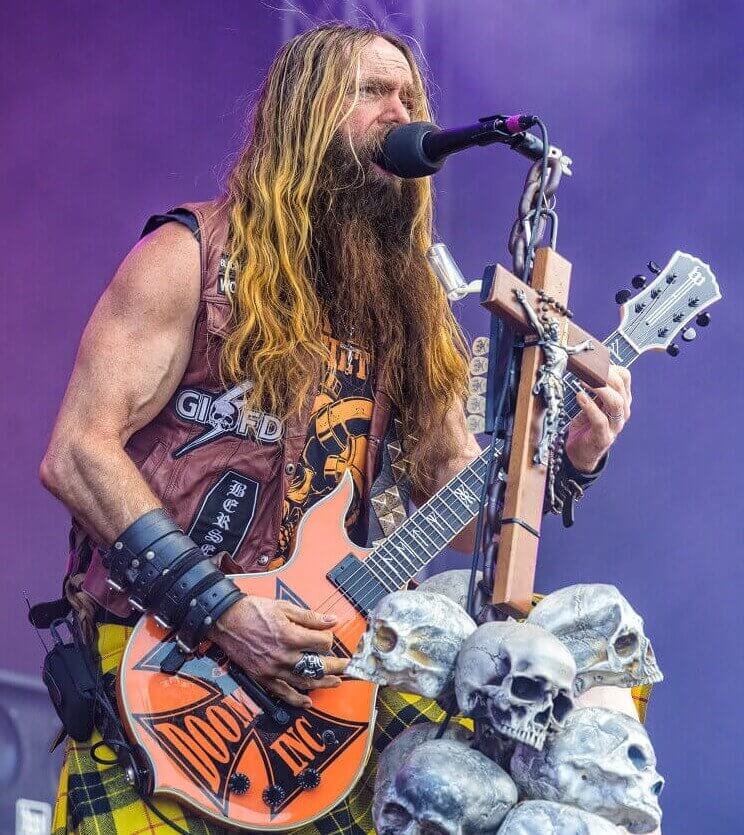
He reportedly learned directly from playing alongside absolute royalty, eventually forging his own massive path as a respected frontman. He proudly wears his classic rock influences on his sleeve, injecting deep blues grooves into aggressively heavy song structures. His sheer volume and unyielding dedication to his craft make him an undeniable force in the industry.
Klaus Meine, Scorpions, The Melodic Tenor of Hard Rock
Possessing an instantly recognizable, pristine tenor voice, this German legend has delivered some of the most famous rock anthems in history. His ability to effortlessly hit soaring high notes with absolute clarity has remained remarkably consistent across a career spanning over five decades. He commands massive stadium audiences with a surprisingly gentle charisma, proving that you do not need aggressive hostility to captivate a heavy music crowd. His heartfelt delivery on monumental ballads helped his band cross over into massive mainstream success without ever losing their core audience.
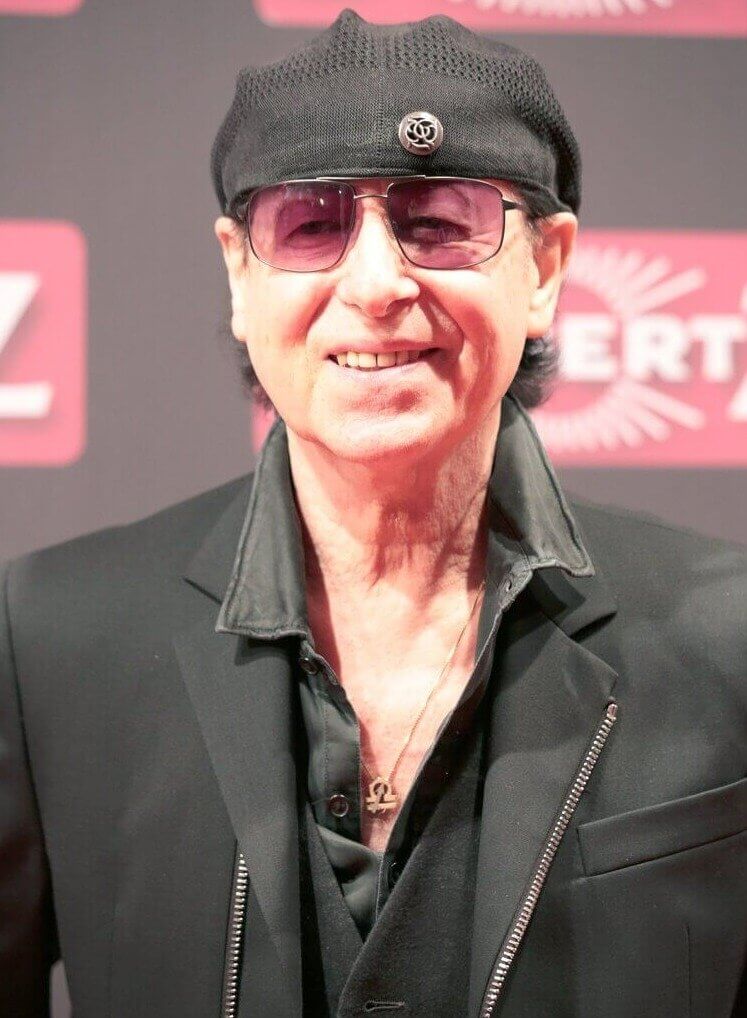
He allegedly overcame severe vocal cord issues early in his career, completely relearning his technique to become stronger than ever. He routinely spreads messages of peace and global unity during his performances, acting as a genuine musical ambassador. His flawless pitch and enduring energy are truly spectacular.
M. Shadows, Avenged Sevenfold, The Modern Torchbearer of Heavy Harmonies
Bridging the significant gap between underground aggression and massive arena-rock melodies, this versatile singer helped define a new generation of heavy music. His vocal approach evolved significantly from harsh metalcore screaming into a smooth, incredibly powerful rock croon reminiscent of classic icons. He frequently incorporates complex vocal harmonies and daring structural shifts, proving his willingness to take massive artistic risks on a grand scale. He commands the stage with a confident, effortless swagger, easily transitioning between deeply emotional ballads and blistering, fast-paced technical anthems.
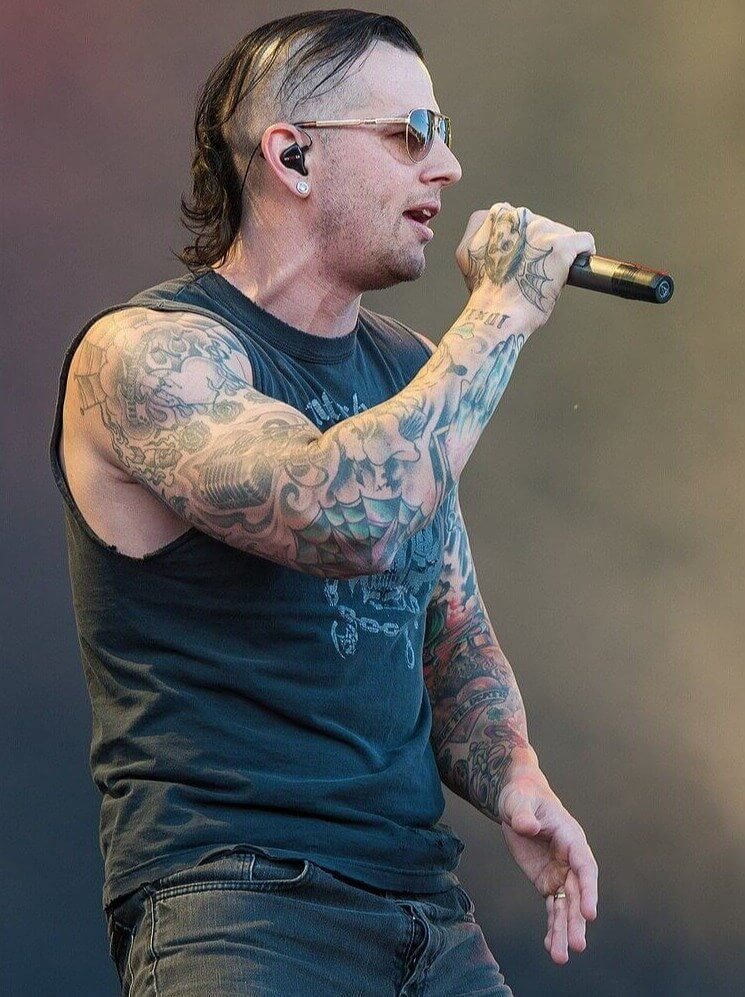
He reportedly suffered serious vocal cord damage but meticulously rehabilitated his voice, returning with an even broader and more refined range. He actively incorporates avant-garde and progressive elements into his massive stage productions, constantly surprising his dedicated fanbase. His fearless evolution ensures his band remains at the absolute forefront of modern rock.
Devin Townsend, Strapping Young Lad, The Mad Scientist of Wall-Of-Sound Production
Blending terrifying aggression with enormous symphonic walls of sound, this eccentric Canadian artist redefined the concept of heavy music production. His vocal approach wildly alternates between soothing operatic croons and unhinged, throat-tearing screams that sound utterly inhuman. He famously channels overwhelming stress and anxiety into his compositions, resulting in a chaotic yet beautifully orchestrated sonic experience. Despite the ferocity of his music, his stage banter is notoriously goofy, frequently incorporating self-deprecating jokes and strange puppetry into his live shows.
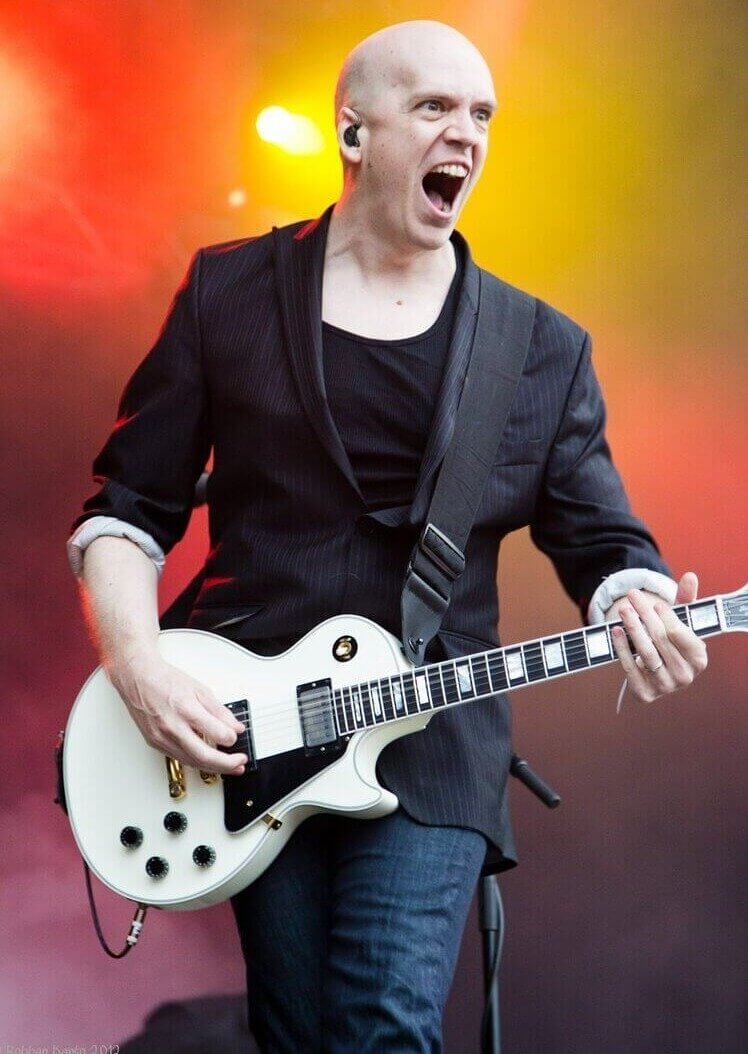
He firmly believes in complete creative control, reportedly producing and engineering nearly all of his notoriously dense albums by himself. His ability to fuse extreme speed metal with grandiose theatricality remains entirely unparalleled in the modern era. He continues to push sonic boundaries, acting as a fearless innovator and a brilliant vocal chameleon.
Joe Duplantier, Gojira, The Environmentalist Voice of Progressive Groove
Fusing massive, earth-shattering grooves with deeply spiritual and ecological lyrics, this unique frontman brings a profoundly thoughtful approach to modern metal. His vocal technique features a massive, rhythmic roar that cuts directly through complex guitar tapping and syncopated blast beats. He frequently sings about the urgent need for environmental conservation, utilizing the aggressive nature of his music to highlight global ecological crises. On stage, he projects a commanding, almost meditative intensity, allowing the sheer weight of the riffs to drive the performance rather than frantic pacing.
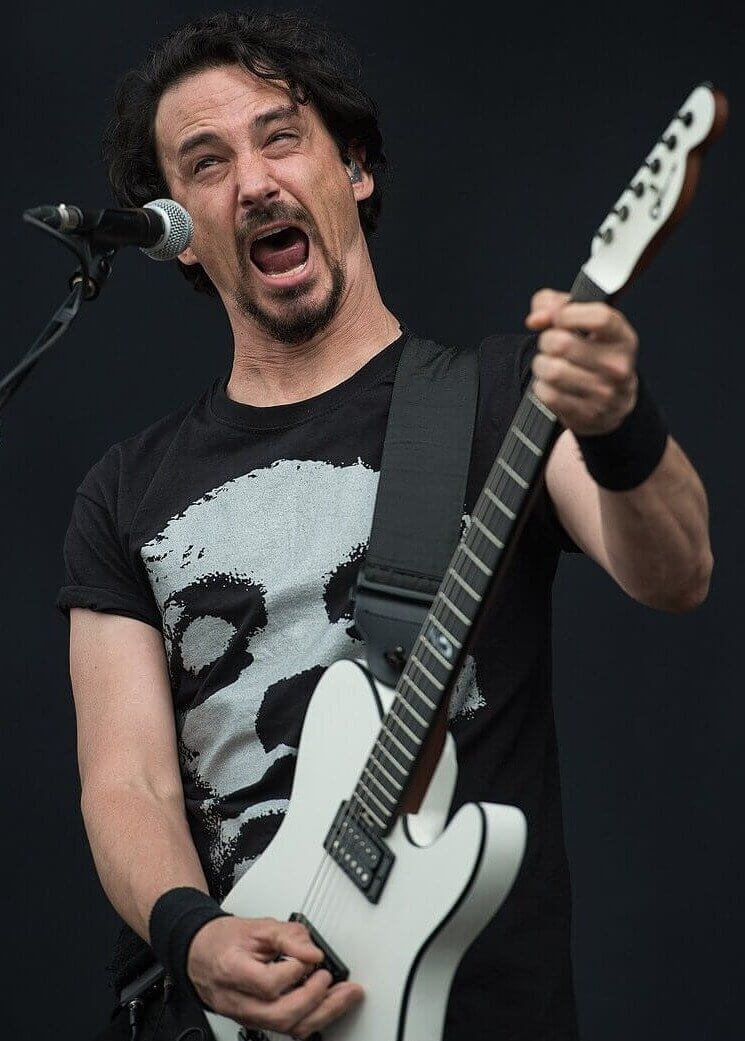
He reportedly draws immense inspiration from natural landscapes, translating the awe-inspiring power of nature into his crushing musical compositions. His band's steady rise to international prominence proves that deeply philosophical themes can resonate massively within the heavy music community. He continues to inspire fans to reflect on their connection to the planet while headbanging.