
Ever wondered how rock and metal legends spend their staggering fortunes? From haunted Scottish mansions to million-dollar horror movie posters, these musicians take extravagant shopping sprees to an entirely new level. Ready to see their wildest purchases? Click through to read more!
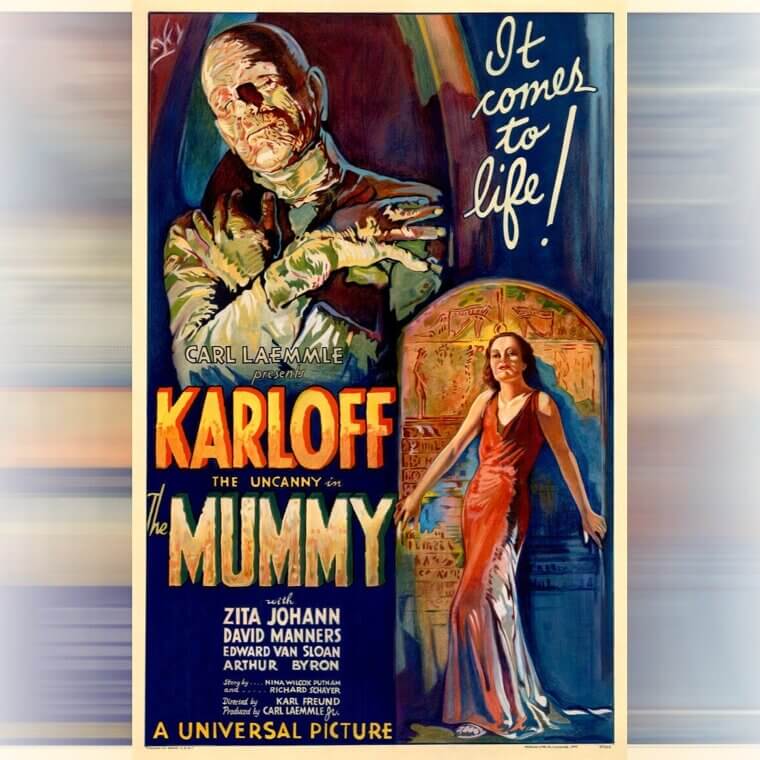
Kirk Hammett, Metallica, Boris Karloff The Mummy Poster, $1 Million
Kirk Hammett from Metallica reportedly purchased a vintage 1932 Boris Karloff The Mummy movie poster for an astounding $1 million. This rare piece of cinematic history was highly sought after by collectors around the world due to its exceptional condition and undeniable cultural significance. Hammett has always had a profound passion for classic horror memorabilia, frequently seeking out the most elusive items available on the market. Buying this specific lithograph fulfilled a lifelong dream for the legendary guitarist, securing a centerpiece for his already expansive personal collection.
His dedication to preserving horror history is widely recognized among his peers and fans alike. Many people consider his private archive to be museum quality, rivaling some of the best established institutions.
Elton John, Floral Arrangements, 293,000 Pounds
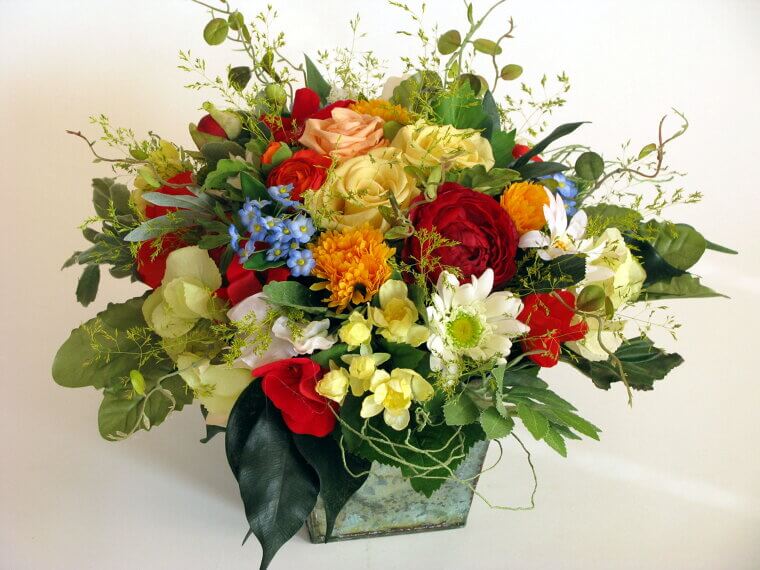
During a well-documented spending spree spanning just 20 months, Elton John reportedly spent over 293,000 pounds solely on fresh floral arrangements. The iconic singer adorned his various lavish residences with extravagant blooms delivered almost daily to ensure an immaculate environment. Such staggering expenditures on perishable goods highlight the extraordinary luxury that defines his offstage lifestyle. He openly admitted to finding immense joy in surrounding himself with beautiful flora, brushing off criticisms regarding the exorbitant costs.
Botanists and florists tasked with fulfilling these massive orders undoubtedly faced immense pressure to source the rarest blossoms available. Keeping multiple mansions filled with pristine greenery reflects a unique dedication to domestic aesthetics that few people can realistically maintain.
Steven Tyler, Aerosmith, Hennessey Venom GT Spyder, $1.1 Million
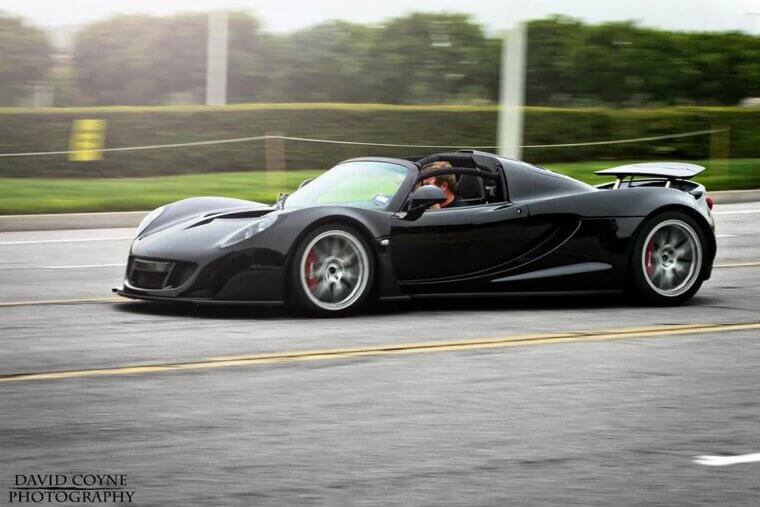
Aerosmith vocalist Steven Tyler treated himself to an exclusive Hennessey Venom GT Spyder, dropping roughly 1.1 million for the custom hypercar. With only a handful of these vehicles ever manufactured, acquiring one guaranteed him entry into a highly elite club of automotive enthusiasts. The convertible boasts jaw-dropping speed capabilities, perfectly matching the wild persona he cultivated over decades in the spotlight. Tyler requested specific modifications, including an upgraded audio system designed to deliver pristine sound quality while cruising at high velocities.
He eventually auctioned the magnificent automobile for charity, donating the proceeds to a foundation supporting vulnerable youths. This philanthropic gesture added a meaningful chapter to the history of an already remarkable piece of engineering.
Lars Ulrich, Metallica, Jean-Michel Basquiat Painting, $5.5 Million
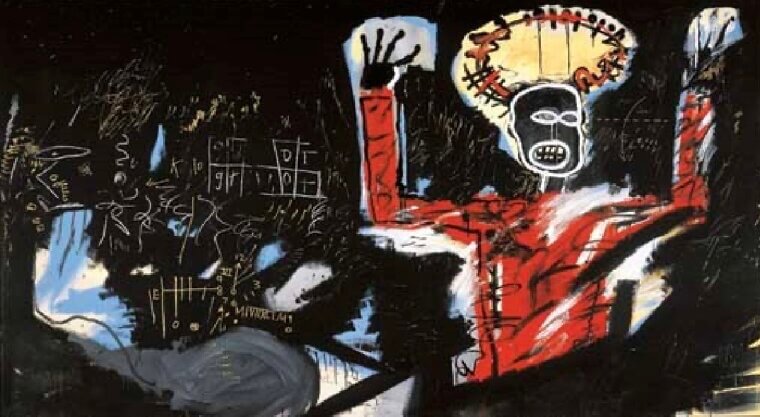
Metallica drummer Lars Ulrich successfully acquired a striking Jean-Michel Basquiat masterpiece titled Profit I for an estimated 5.5 million at auction. The renowned musician developed a discerning eye for contemporary art early in his career, building an impressive portfolio of valuable works. This particular canvas showcases the neo-expressionist style that made the artist a prominent figure in the modern art scene. Ulrich allegedly held onto the painting for several years before eventually selling it at a significant profit, proving his keen business acumen.
Art critics praised his taste, noting that building such a collection requires both substantial wealth and genuine artistic appreciation. Collecting fine art provides a stark contrast to the aggressive nature of thrash metal.
John Lennon, The Beatles, Psychedelic Rolls Royce, $500,000
Beatles founder John Lennon transformed a standard black Rolls Royce Phantom V into a vibrant psychedelic masterpiece, a move that allegedly outraged traditional motoring purists. The elaborate paint job featured bright yellow hues interwoven with intricate Romany-inspired floral designs covering the entire chassis. Inside the luxury vehicle, Lennon installed a custom double bed, a television, a refrigerator, and a state-of-the-art sound system. This flamboyant automobile perfectly encapsulated the counterculture movement of the late 1960s, serving as a mobile statement against societal conventions.
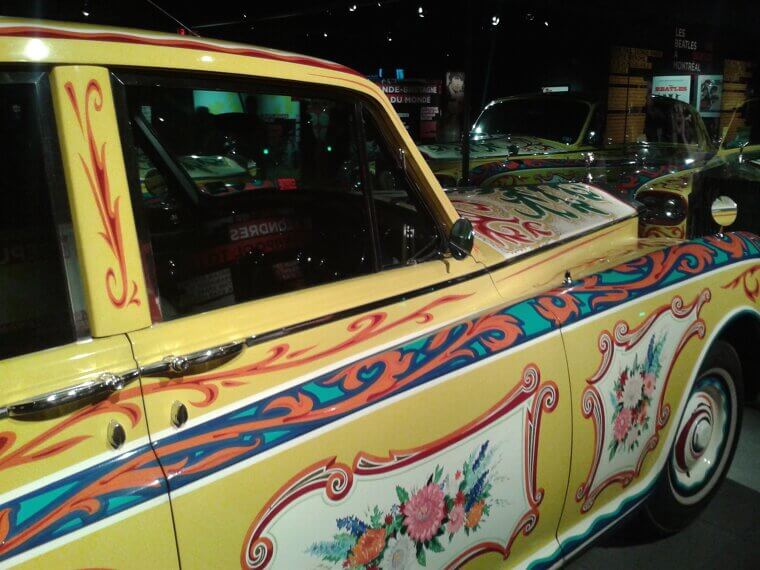
It has since become one of the most famous cars in musical history, occasionally touring various museums for public exhibition. The sheer audacity required to modify such a prestigious British symbol solidified his reputation as a rebellious visionary.
Keith Richards, The Rolling Stones, 1959 Gibson Les Paul, $1 Million
Rolling Stones guitarist Keith Richards once wielded a mythical 1959 Gibson Les Paul Standard, an instrument that later achieved legendary status and a 1 million valuation. These specific vintage guitars are widely considered the holy grail of electric instruments due to their unparalleled tone and limited production run. Richards utilized this exact guitar during the recording of several early hits, embedding its unique sonic footprint into rock history. He eventually parted ways with the instrument, which passed through the hands of other notable musicians over the ensuing decades.
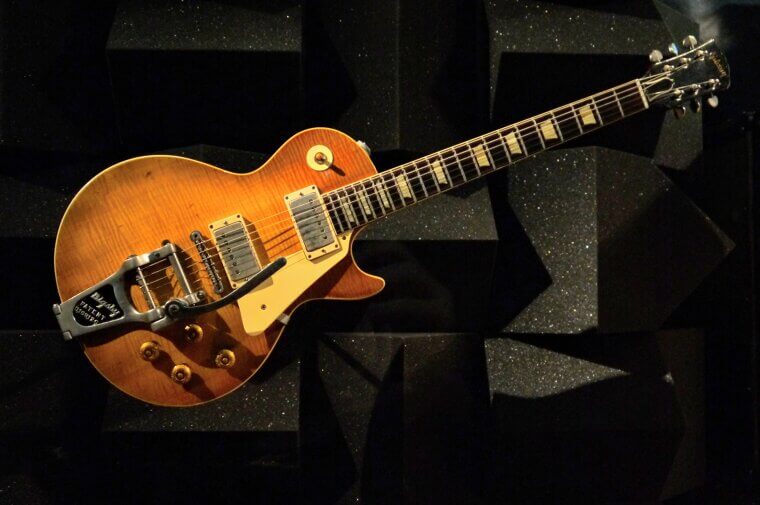
Collectors actively track the provenance of these rare models, placing a premium on those with documented ties to major cultural figures. Owning such a pivotal piece of gear remains an unattainable fantasy for most working artists.
Freddie Mercury, Queen, Japanese Koi Carp, 50,000 Pounds
Queen frontman Freddie Mercury developed an intense fascination with Japanese culture, culminating in the purchase of exquisite Koi carp for his private garden in London. He reportedly imported the highest grade fish directly from expert breeders in Japan, ensuring his outdoor sanctuary featured only the finest specimens. Maintaining these delicate creatures required constructing specialized heated pools and hiring dedicated aquatic specialists to monitor water quality. The flamboyant singer often retreated to this tranquil environment to find peace away from the demanding pressures of global superstardom.

Visitors to his home frequently commented on the stunning beauty of the vibrant fish gliding through the meticulously landscaped ponds. His extravagant spending on landscaping elements showcased a quieter, more contemplative side to his larger-than-life public image.
Alice Cooper, Andy Warhol Silkscreen, $10 Million
Shock rock pioneer Alice Cooper famously discovered a forgotten Andy Warhol Little Electric Chair silkscreen rolled up in a storage locker, an artwork now valued around 10 million. The singer had initially acquired the piece during the early 1970s when he and the famous pop artist socialized in the same vibrant New York circles. It sat untouched for decades until a conversation with an art dealer prompted Cooper to search his archives for the missing canvas.
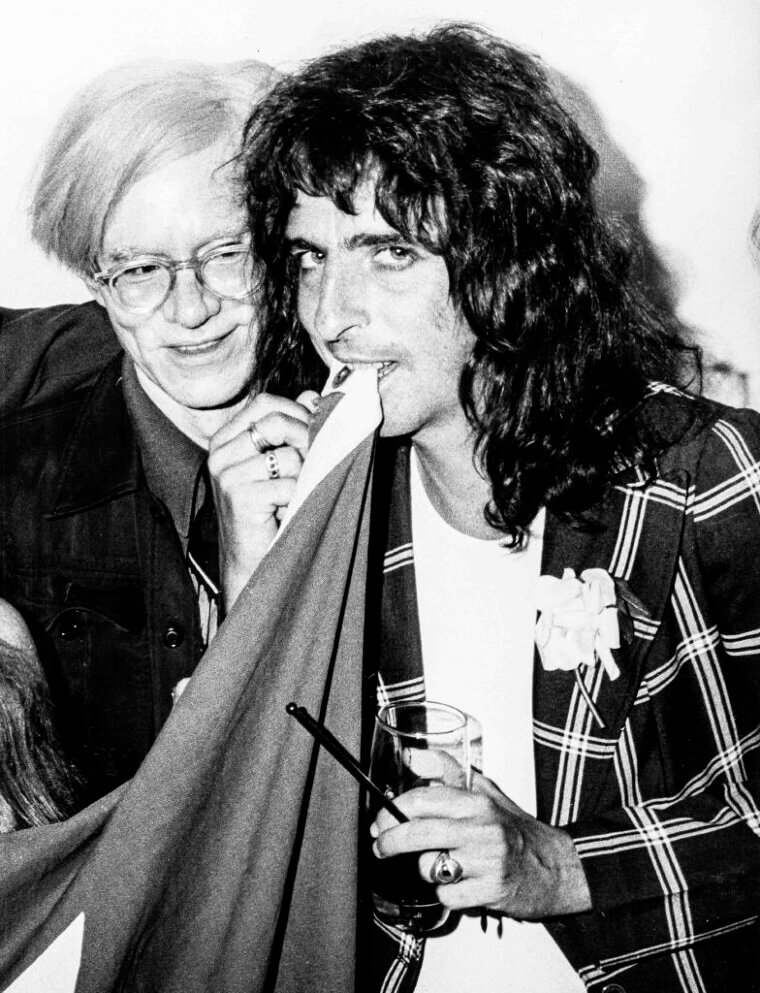
Finding a pristine masterpiece amidst old touring props and forgotten memorabilia sounds like a fictional narrative, yet it perfectly aligns with his surreal life. Experts authenticated the unsigned piece based on its distinct provenance and the documented friendship between the two influential creators. He reportedly decided to keep the piece displayed rather than immediately cashing in on his incredible discovery.
Neil Young, Lionel Train Collection, $300,000
Folk-rock legend Neil Young amassed an astonishing collection of vintage Lionel trains, eventually auctioning a portion of his vast layout for nearly 300,000. His dedication to the hobby went far beyond casual interest; he actively consulted with the company to develop new remote control technologies. Young originally built the massive, sprawling tracks to connect with his son, who has cerebral palsy, finding that the trains offered a wonderful shared experience.
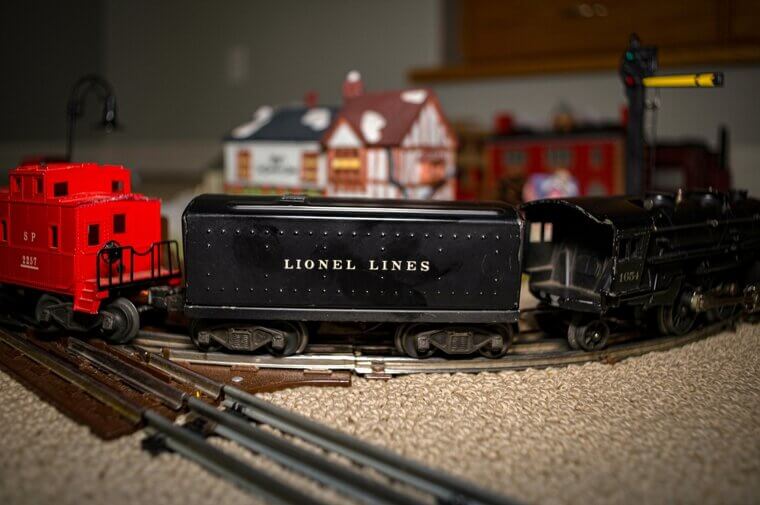
The custom controls he helped engineer allowed users with limited mobility to operate the complex systems with ease. Fellow enthusiasts greatly respected his deep knowledge of obscure model variations and historical manufacturing details. This substantial investment of time and money resulted in meaningful advancements for accessibility within the modeling community.
Brian Johnson, AC/DC, 1928 Bentley 4.5 Litre, $1 Million
AC/DC lead singer Brian Johnson invested over 1 million into a remarkably preserved 1928 Bentley 4.5 Litre Le Mans sports car. The raspy-voiced rock star harbors a profound love for vintage endurance racing, actively participating in high-speed historic rally events across the globe. This specific model features a massive engine wrapped in lightweight fabric coachwork, designed specifically for the grueling demands of early twentieth-century motorsport.
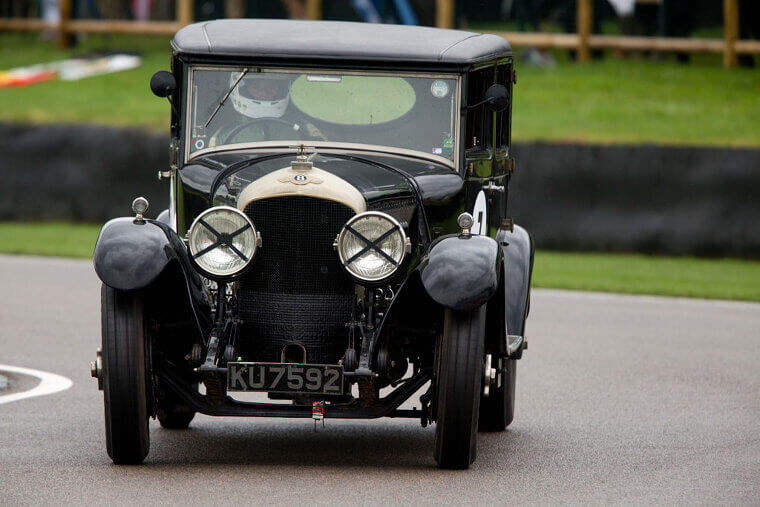
Driving such an antiquated machine requires immense physical effort, as it lacks modern conveniences like power steering or synchronized transmissions. He describes the visceral experience of piloting the antique vehicle as incredibly therapeutic, providing a perfect escape from the deafening roar of stadium concerts. His impressive garage serves as a museum dedicated to the golden era of British automotive engineering.
Phil Collins, Genesis, Alamo Artifacts, $15 Million
Genesis drummer and vocalist Phil Collins amassed the largest private collection of artifacts related to the Battle of the Alamo, spending roughly 15 million. His childhood fascination with the legendary Texas conflict eventually blossomed into a serious historical pursuit, leading him to acquire rare documents, weapons, and uniforms. He carefully authenticated every piece, working alongside respected historians to ensure the historical integrity of his vast personal archive. After years of careful curation, he generously donated the entire incredible collection directly to the state of Texas for permanent public exhibition.
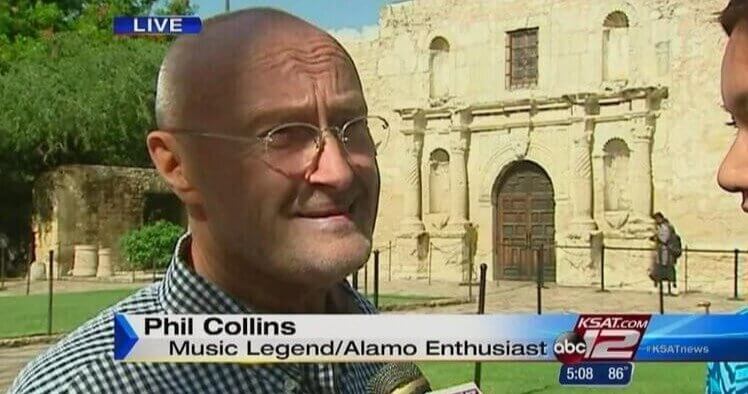
State officials publicly expressed immense gratitude, noting that his contribution significantly expanded their understanding of the crucial frontier battle. His extraordinary philanthropic gesture secured his permanent legacy as a vital guardian of American military history.
Pete Townshend, The Who, 1963 Lincoln Hearse, $50,000
The Who guitarist Pete Townshend famously acquired a macabre 1963 Lincoln Continental hearse, spending an estimated 50,000 to maintain the unusual vehicle. He utilized the massive, elongated automobile primarily for hauling his heavy amplifiers and guitars to various gigs around the bustling city. Driving a vehicle originally designed for funerals suited the rebellious, dark humor prevalent among the British rock elite during the swinging sixties. The cavernous rear cabin offered more than enough cargo space, proving surprisingly practical despite its grim original purpose.
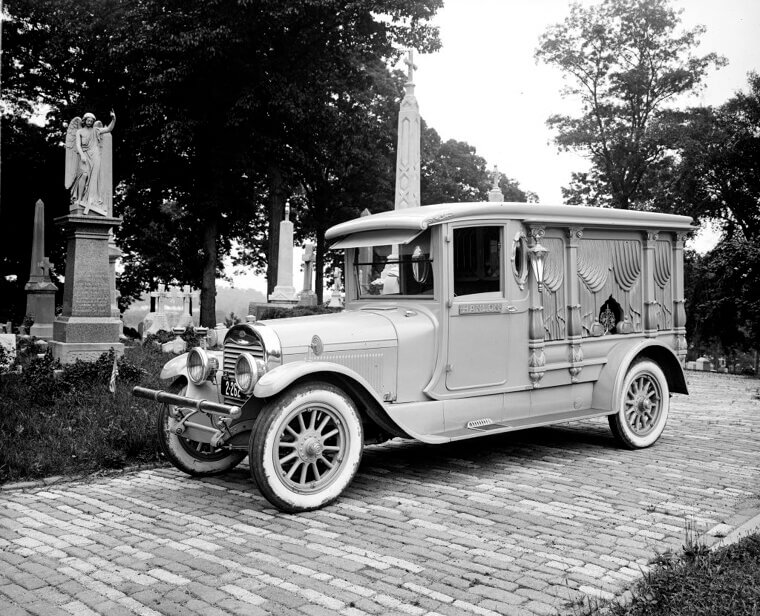
Onlookers routinely stopped to stare as the famous musician cruised down narrow European streets in a massive American novelty car. The quirky purchase perfectly captured the chaotic, unconventional spirit that defined his early career as an angry young mod.
Paul McCartney, The Beatles, 1960 Les Paul Guitar, $2 Million
Sir Paul McCartney added a rare left-handed 1960 Gibson Les Paul to his legendary gear collection, an item now valued upwards of 2 million. Left-handed vintage models are exceptionally scarce, making this specific guitar a true unicorn within the bustling world of instrument collecting. The former Beatle occasionally brings the treasured piece on tour, refusing to lock it away behind a glass display case like many collectors would.
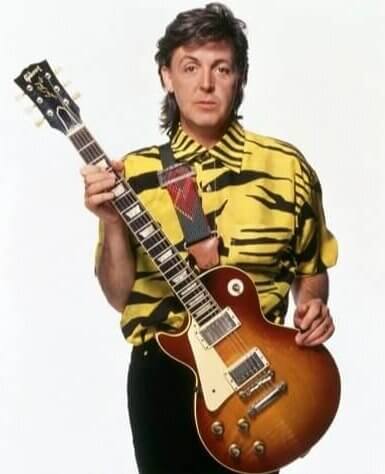
Its warm resonance and flawless craftsmanship continue to inspire his songwriting process decades after its original manufacturing date. Luthiers and musicians alike revere the 1960 specifications, which feature a slightly slimmer neck profile that accommodates rapid playing styles. Securing this prized artifact required significant effort, proving that even iconic billionaires must hunt for the best gear.
Ozzy Osbourne, Black Sabbath, Custom Quad Bikes, $250,000
Heavy metal pioneer Ozzy Osbourne famously spent heavily on a fleet of custom quad bikes for his expansive rural estate in England. The unpredictable frontman enjoyed speeding across his sprawling property, utilizing the off-road vehicles as a primary source of outdoor entertainment. Unfortunately, his enthusiasm resulted in a highly publicized and severe accident that nearly ended his illustrious career. Despite the inherent dangers, he continued to modify and upgrade his collection, insisting on the best performance parts available.
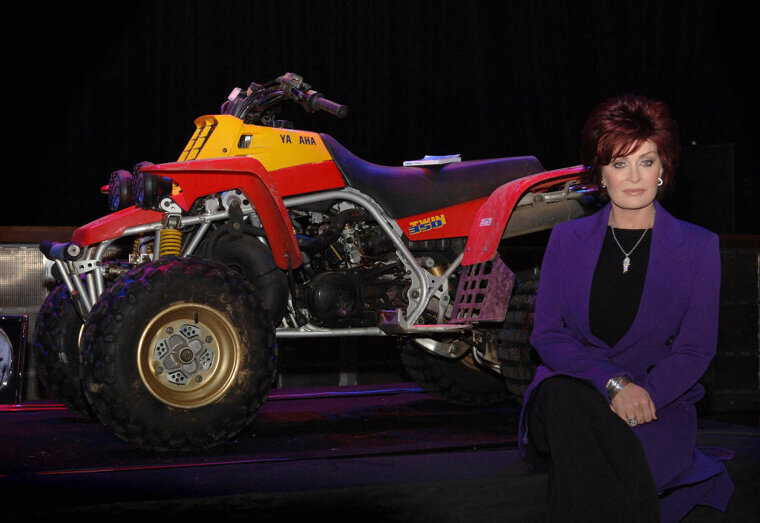
The sprawling grounds of his country home provided the perfect terrain for these noisy machines, much to the presumed dismay of nearby residents. His ongoing fascination with motorized thrill rides perfectly mirrors his chaotic and adrenaline-fueled stage persona.
Bruce Dickinson, Iron Maiden, Boeing 757, $Varies
Bruce Dickinson of Iron Maiden famously acquired and piloted a massive Boeing 757 known as Ed Force One for the band's global tours. Operating a commercial airliner requires extensive training and financial investment, both of which the talented frontman willingly undertook. This monumental purchase allowed the crew to transport all their stage equipment and personnel in one convenient aircraft. Aviation enthusiasts often marvel at his unique dual career as both a heavy metal vocalist and a certified airline captain.
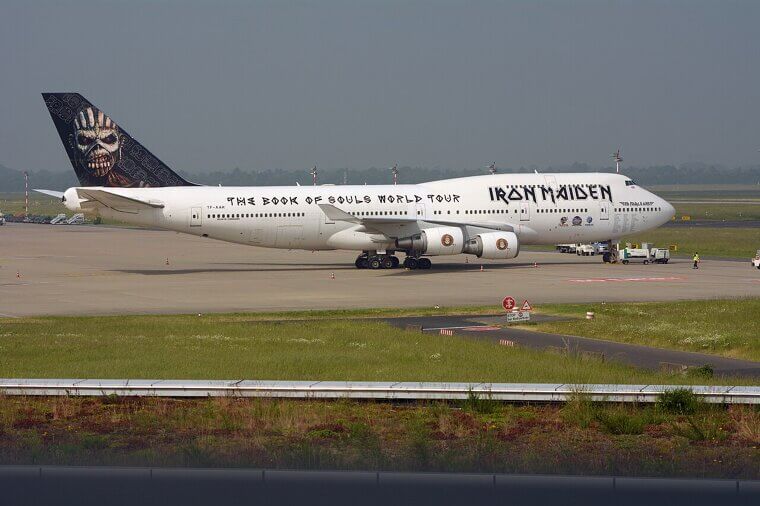
Having customized the exterior with iconic band artwork made the plane instantly recognizable at airports worldwide. The logistics involved in maintaining such an enormous vehicle demonstrate a staggering commitment to their international fanbase.
Elvis Presley, Convair 880 Jet, $250,000
The legendary Elvis Presley purchased a Convair 880 jet in 1975 for 250,000 and spent significantly more modifying it to his exact specifications. Naming the aircraft Lisa Marie after his beloved daughter, the music icon transformed the interior into a flying palace fit for royalty. Upgrades included a private bedroom, a conference room, gold-plated bathroom fixtures, and custom leather upholstery throughout the cabin. Traveling across the country in this personalized jet allowed him to bypass commercial airports and maintain complete privacy during his hectic touring schedules.
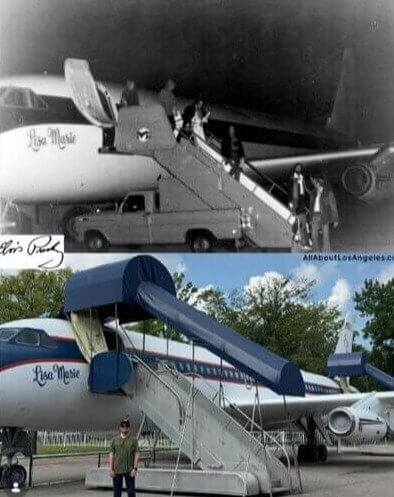
The plane remains a major tourist attraction at Graceland, preserved meticulously to offer fans a glimpse into his extravagant lifestyle. Maintaining an aircraft of this size required a dedicated flight crew on constant standby.
Eric Clapton, Eric Clapton, Custom Ferrari SP12 EC, $4.7 Million
Guitar virtuoso Eric Clapton commissioned a bespoke Ferrari SP12 EC, investing a staggering 4.7 million to realize his automotive vision. The famed musician worked directly with the elite Italian manufacturer to design a vehicle that paid homage to his favorite classic model from the 1970s. Engineers utilized the chassis of a modern supercar but completely overhauled the exterior styling to meet his demanding aesthetic preferences. This unique collaboration resulted in a one-of-a-kind machine that blends retro design elements with cutting-edge performance technology.
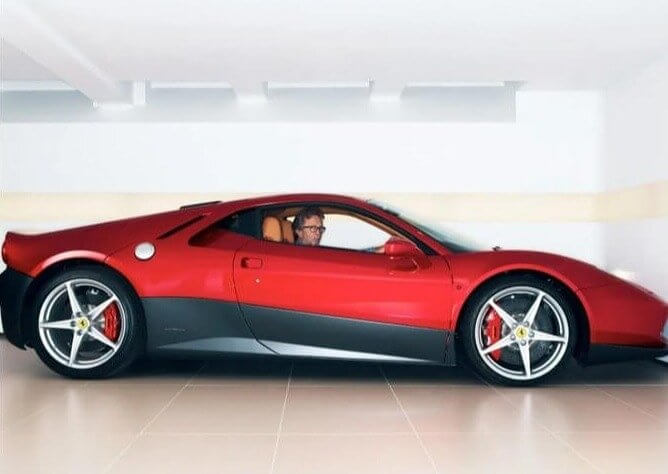
Clapton has maintained a lifelong devotion to the brand, frequently referencing his passion for high-speed driving in various interviews. The project highlights the rare privilege of having enough capital to dictate terms to one of the world's premier automakers.
Jon Bon Jovi, SoHo Penthouse, $24 Million
New Jersey rocker Jon Bon Jovi acquired a breathtaking penthouse in the heart of SoHo, dropping a remarkable 24 million for the prime Manhattan real estate. The expansive duplex featured towering ceilings, panoramic city views, and multiple private outdoor terraces that offered a quiet refuge above the bustling streets. He meticulously decorated the interior with high-end modern furnishings, creating a sophisticated urban oasis that reflected his mature architectural tastes.
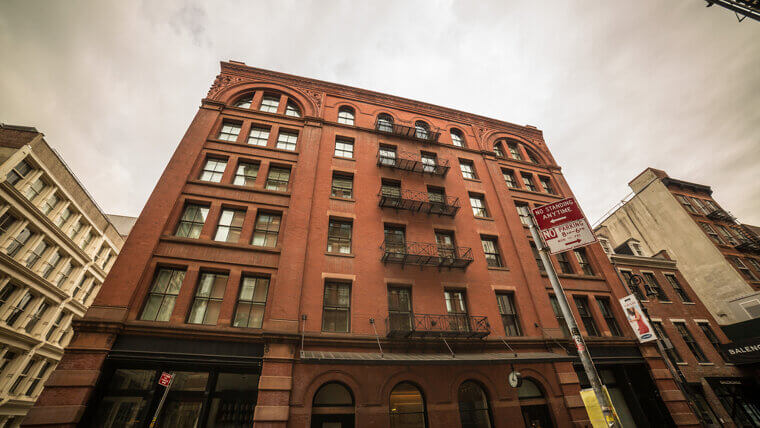
The property served as his primary city residence for years, hosting exclusive gatherings for fellow musicians and prominent industry executives. Real estate experts frequently highlighted the apartment as one of the most desirable properties available in the highly competitive downtown market. He eventually listed the spectacular home, seeking new investment opportunities in different neighborhoods.
Sammy Hagar, Van Halen, LaFerrari Custom Car, $2.2 Million
Former Van Halen vocalist Sammy Hagar fulfilled a lifelong automotive fantasy by acquiring a bespoke LaFerrari hypercar for a stunning 2.2 million. The Italian manufacturer carefully selects exactly who is allowed to purchase this exclusive hybrid vehicle, making the acquisition a significant badge of honor. He ordered the car in a striking white finish with distinct black accents, deviating from the traditional red paint typically associated with the brand.
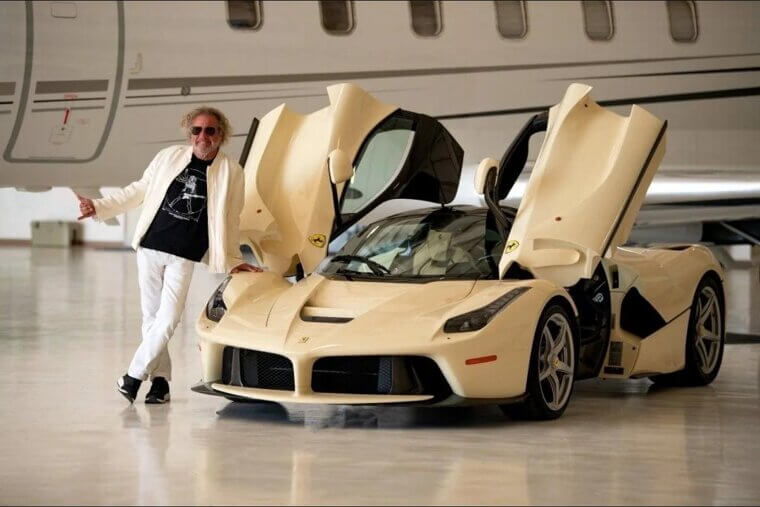
The immense horsepower generated by the advanced engine allows him to satisfy his notorious craving for extreme speeds on open highways. Hagar frequently showcases the magnificent vehicle on his social media platforms, proudly sharing his enthusiasm with thousands of devoted fans. Securing an allocation for this incredibly rare machine solidifies his status as a premier collector.
David Bowie, Tintoretto Painting, 190,000 Pounds
Visionary artist David Bowie possessed a deep appreciation for classical masters, famously acquiring an authentic Tintoretto painting for 190,000 pounds. The sixteenth-century artwork stood out prominently within his diverse collection, which otherwise leaned heavily toward twentieth-century contemporary pieces. Bowie reportedly researched the piece extensively before finalizing the transaction, demonstrating a scholarly approach to art acquisition. He quietly loaned the historic canvas to various international galleries, allowing the public to enjoy the masterpiece without drawing attention to his ownership.
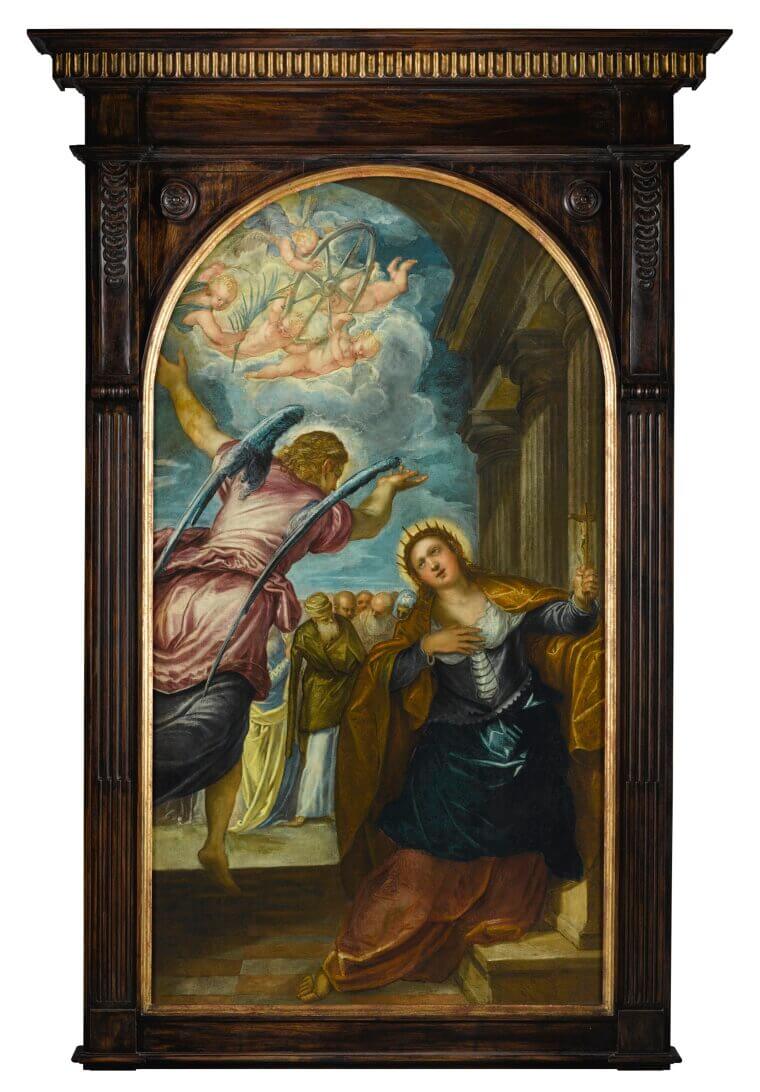
Following his passing, the artwork appeared at auction where it commanded a price reflective of both its historical merit and its famous former owner. His refined tastes extended far beyond music, encompassing a genuine passion for visual culture.
Mick Jagger, The Rolling Stones, Stargroves Estate, 55,000 Pounds (a Huge Sum for the Year 1970)
Rolling Stones vocalist Mick Jagger purchased the sprawling Stargroves estate in Hampshire back in 1970 for roughly 55,000 pounds, a significant sum for the era. The historic manor house became a vital creative hub for the band, who famously parked a mobile recording studio on the grounds to capture new material. Its grand architecture and expansive grounds provided an idyllic backdrop for their increasingly extravagant aristocratic lifestyles. Jagger eventually sold the property, but its legacy remains permanently tied to some of the most crucial recording sessions in classic rock history.
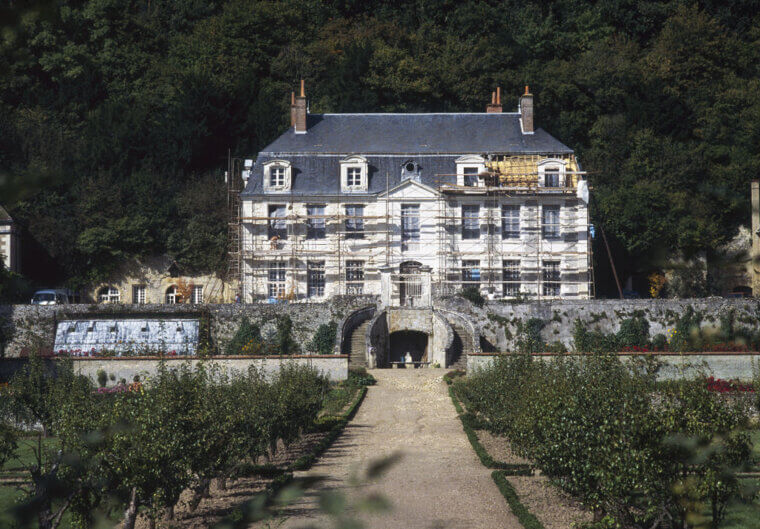
The expansive rooms allowed the musicians to experiment with unique acoustics, capturing a raw energy that standard commercial studios often suppressed. Buying a historic English country home signaled a definitive shift from rebellious youth to established music royalty.
Jimmy Page, Led Zeppelin, Boleskine House, $100,000
Led Zeppelin guitarist Jimmy Page purchased the infamous Boleskine House on the shores of Loch Ness, fascinated by its previous owner, occultist Aleister Crowley. Page harbored a well-documented obsession with esoteric philosophies, making the historic Scottish manor an irresistible acquisition for his personal real estate portfolio. He meticulously restored the property, maintaining its eerie aesthetic while quietly retreating there during breaks between exhaustive global tours. Local residents often whispered rumors about strange occurrences on the estate, amplifying the dark mystique surrounding the legendary rock star.
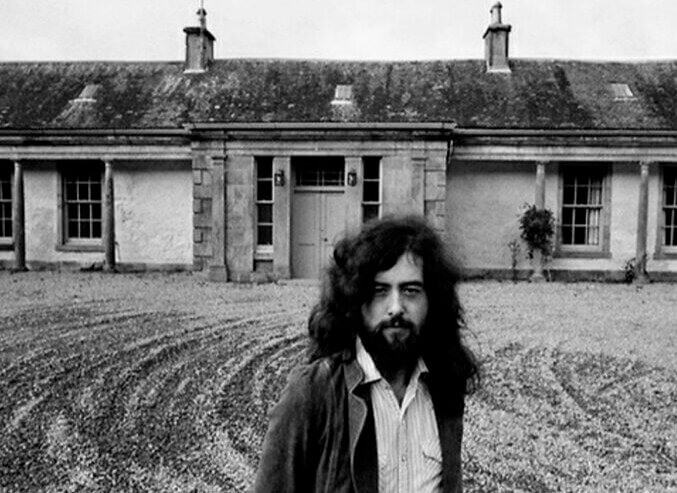
He eventually divested himself of the property, but his tenure there remains a fascinating footnote in the annals of heavy music history. Owning a notoriously haunted house perfectly complemented the heavier, more mystical elements of his songwriting.
Slash, Guns N' Roses, Pinball Machine Collection, $200,000
Iconic guitarist Slash curated a massive assortment of vintage and modern pinball machines, pouring an estimated 200,000 into his personal arcade. The top-hat-wearing musician dedicated entire rooms in his mansion to house the flashing, noisy cabinets, reflecting a deep nostalgia for classic barroom entertainment. He routinely invites friends over for fiercely competitive tournaments, utilizing the games as a primary method for unwinding after exhausting studio sessions. His collection includes several limited edition music-themed machines, bridging the gap between his professional career and his favorite casual hobby.
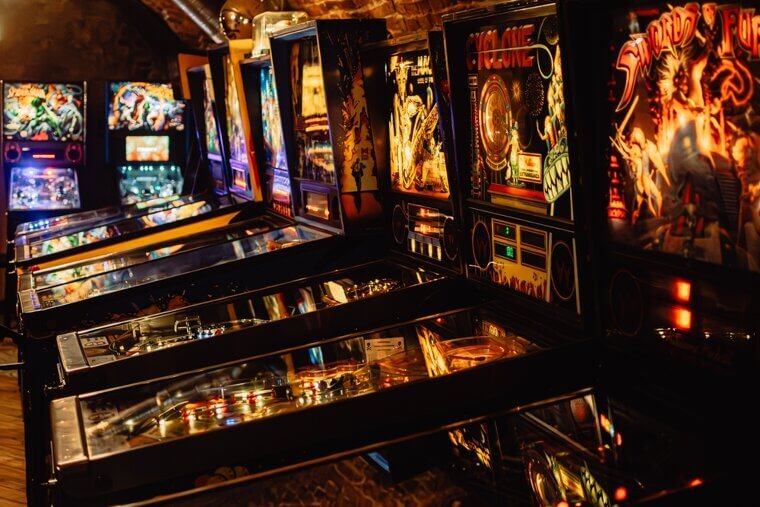
Maintaining the delicate mechanical components requires hiring specialized technicians to ensure every flipper and bumper functions perfectly. This playful investment reveals a surprisingly lighthearted facet of the otherwise mysterious and stoic rock legend.
Billy Gibbons, ZZ Top, CadZZilla 1948 Cadillac, $900,000
ZZ Top frontman Billy Gibbons commissioned the legendary custom car known as CadZZilla, transforming a 1948 Cadillac Series 62 into a 900,000 masterpiece. Working with renowned automotive designers, he oversaw the radical chop and modification process that resulted in a sleek, futuristic hot rod. The vehicle features a dramatic sweeping roofline and a deep purple paint job that appears almost black in certain lighting conditions. It quickly became an iconic symbol of the band, featured heavily in music videos and promotional materials throughout the late twentieth century.
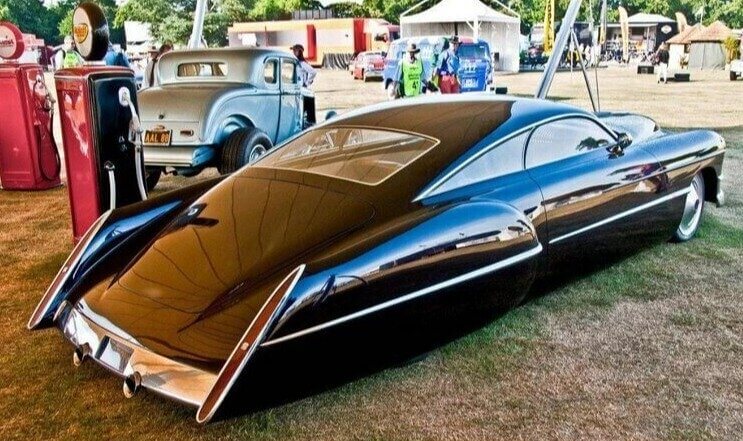
Automotive critics frequently cite the build as a benchmark for custom fabrication, praising its seamless blend of vintage charm and aggressive modern styling. Gibbons continues to showcase the spectacular ride at exclusive car shows across the country.
Ringo Starr, The Beatles, Facel Vega Car, $150,000
Beatles drummer Ringo Starr purchased a luxurious Facel Vega, an exclusive French automobile that cost roughly the equivalent of 150,000 in today's currency. At the height of Beatlemania, acquiring such a rare and sophisticated vehicle signaled his newly minted status among the global elite. The sleek sports car boasted a powerful V8 engine and an exquisitely tailored leather interior, offering a stark contrast to his humble beginnings in Liverpool.
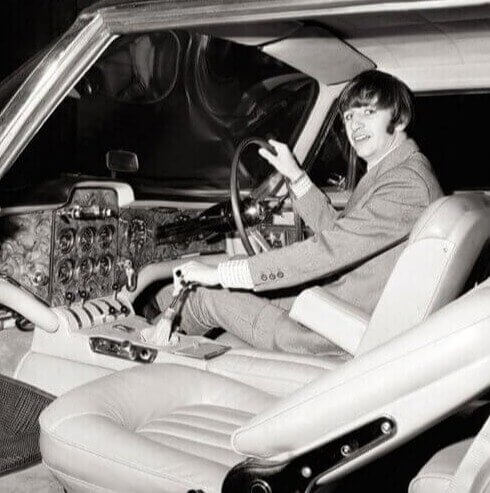
He frequently navigated the streets of London in this striking machine, attempting to outrun the relentless crowds of screaming fans. Automotive historians revere the brand for its brief but brilliant production run, noting that only the wealthiest individuals could afford the steep price tag. Starr ultimately sold the vehicle, but it remains a prized collectible at prestigious international auctions.
Dave Grohl, Foo Fighters, Neve 8028 Console, $500,000
Foo Fighters frontman Dave Grohl rescued a legendary Neve 8028 analog recording console from the crumbling Sound City Studios, spending an estimated 500,000. This specific piece of hardware captured the raw audio of countless classic albums, including Nirvana's groundbreaking release Nevermind. Grohl painstakingly dismantled the massive electronic desk and transported it to his personal Studio 606, preserving a vital piece of musical engineering history. He even directed an acclaimed documentary detailing the profound impact this specific mixing board had on the sound of modern rock music.
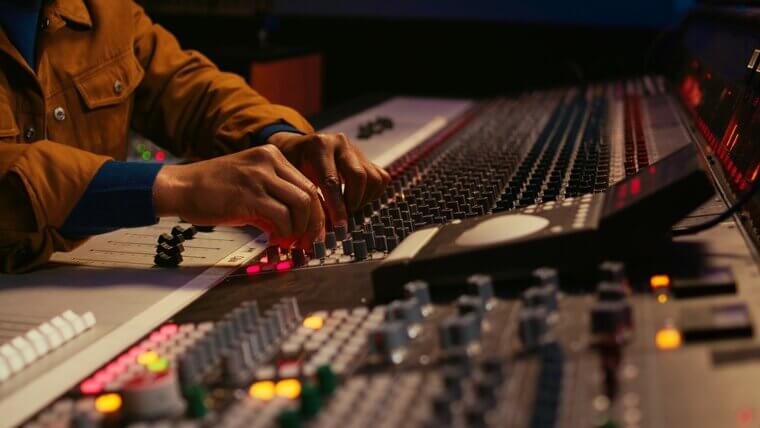
Audio engineers consider this particular model to be the pinnacle of analog sound capture, praising its warm and punchy tonal characteristics. The massive investment ensured that future generations of musicians could experience the magic of traditional recording methods.
Sting, The Police, Tuscan Villa Il Palagio, $15 Million
Former Police bassist Sting purchased Il Palagio, a stunning sixteenth-century Tuscan villa, for a reported 15 million to serve as his ultimate summer retreat. The sprawling Italian estate encompasses over 900 acres of fertile land, including operational vineyards, olive groves, and lush manicured gardens. He and his wife transformed the historic property into a fully functional organic farm, producing highly rated wines and artisanal honey for commercial sale. The grand main house provides luxurious accommodations for his large family and numerous celebrity guests who frequently visit during the warmer months.
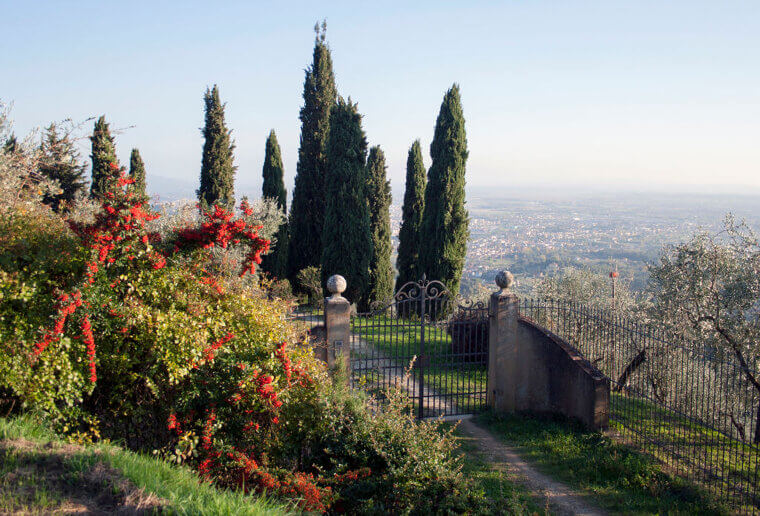
Maintaining such a vast agricultural enterprise requires a dedicated local staff and constant managerial oversight, proving his commitment to the region. This idyllic sanctuary offers a peaceful Mediterranean contrast to his grueling international touring commitments.
James Hetfield, Metallica, 1936 Auburn Roadster, $500,000
Metallica frontman James Hetfield poured roughly 500,000 into completely customizing a vintage 1936 Auburn Roadster, famously dubbing the aggressive vehicle Slow Burn. He worked closely with elite metal fabricators to strip away the original bodywork, exposing the bare steel underneath to create an intimidating, post-apocalyptic aesthetic. This unique project represents his deep passion for traditional hot rod culture, blending classic art deco curves with a distinctly menacing heavy metal edge.
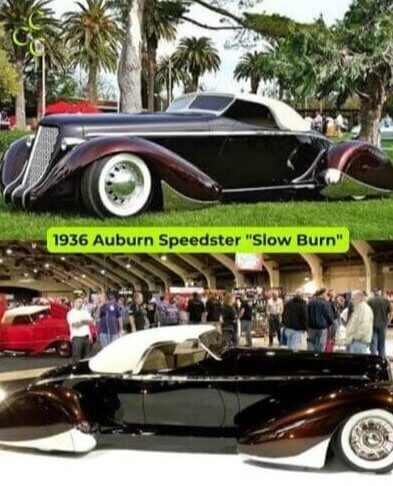
The car went on to win prestigious awards at major automotive conventions, earning immense respect from veteran builders and critics alike. Hetfield eventually donated this masterpiece, along with several other custom builds, to the Petersen Automotive Museum for public display. His remarkable vision proves that true artistic expression easily translates from heavy guitar riffs to sculpted sheet metal.
Nicko McBrain, Iron Maiden, Custom Jaguar XKR-S, $150,000
Iron Maiden drummer Nicko McBrain commissioned a heavily customized Jaguar XKR-S, pouring roughly 150,000 into the British performance vehicle. He partnered directly with the design studio at the factory to craft a truly unique automobile that perfectly matched his exuberant personality. Modifications included exclusive exterior paint formulas, bespoke interior stitching patterns, and unique hardware trim that cannot be found on standard production models. The loud, aggressive exhaust note mirrors the thunderous drumming style that made him a legendary figure in the heavy metal community.
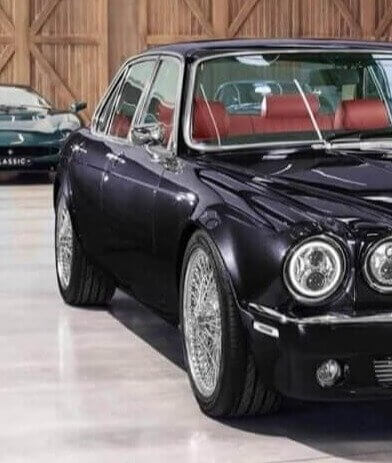
He frequently displays the stunning coupe at regional auto shows, happily discussing the meticulous build process with enthusiastic onlookers. This project highlights a deep-seated national pride, celebrating traditional English luxury alongside modern supercharged horsepower.
Tommy Lee, Motley Crue, Rollercoaster Drum Kit, $500,000
Motley Crue percussionist Tommy Lee reportedly spent around 500,000 developing his gravity-defying rollercoaster drum kit for the band's final massive tour. The complex mechanical structure allowed him to play a full drum solo while rotating completely upside down and traversing a massive track over the audience. Safety engineers worked tirelessly for months to ensure the massive steel contraption could securely hold his weight without compromising his ability to perform.
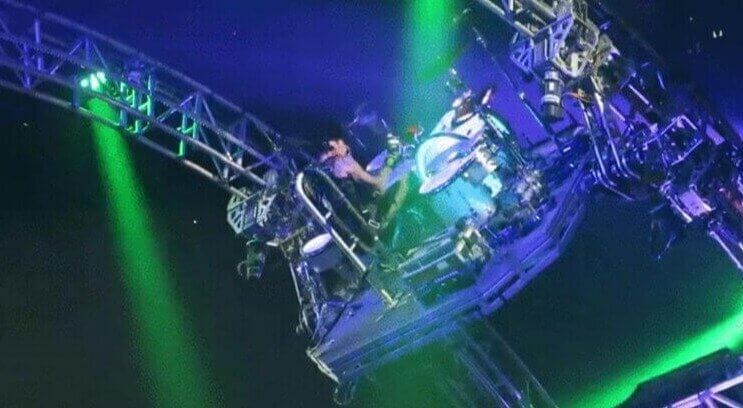
This absurdly theatrical prop became the absolute highlight of their live performances, pushing the boundaries of what is possible in stage design. The logistical nightmare of transporting and assembling the heavy track required a dedicated crew of specialists at every single venue. It stands as a testament to his relentless desire to deliver an unforgettable spectacle.
Billie Joe Armstrong, Green Day, 1960s Chevy Nova, $100,000
Green Day frontman Billie Joe Armstrong dropped roughly 100,000 modifying a classic 1960s Chevy Nova into a reliable, street-legal performance machine. The punk rock icon sought to maintain the vintage exterior charm of the muscle car while completely overhauling the engine and suspension for modern drivability. He often utilized the sleek vehicle to commute to recording sessions in California, appreciating the raw, mechanical feeling of the older automobile.
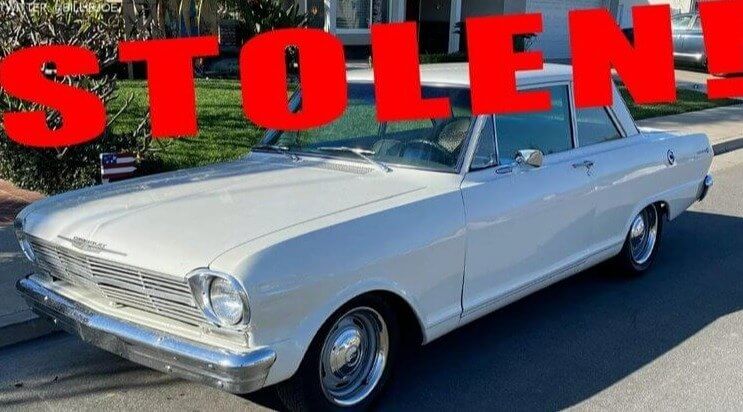
Automotive enthusiasts praised the clean, understated restoration, which avoided overly flashy paint jobs in favor of a menacing, minimalist aesthetic. He unfortunately became separated from the treasured car when it was allegedly stolen during a chaotic weekend in a crowded neighborhood. This frustrating incident only highlighted his deep personal attachment to the customized piece of Americana.
Flea, Red Hot Chili Peppers, Richard Neutra House, $4.3 Million
Red Hot Chili Peppers bassist Flea purchased an architectural masterpiece designed by Richard Neutra, spending 4.3 million to secure the historic Los Angeles property. The mid-century modern home seamlessly integrates indoor and outdoor living spaces through the extensive use of massive floor-to-ceiling glass walls. The legendary musician dedicated himself to carefully restoring the structure, ensuring that all necessary updates remained strictly faithful to the original architect's brilliant vision.
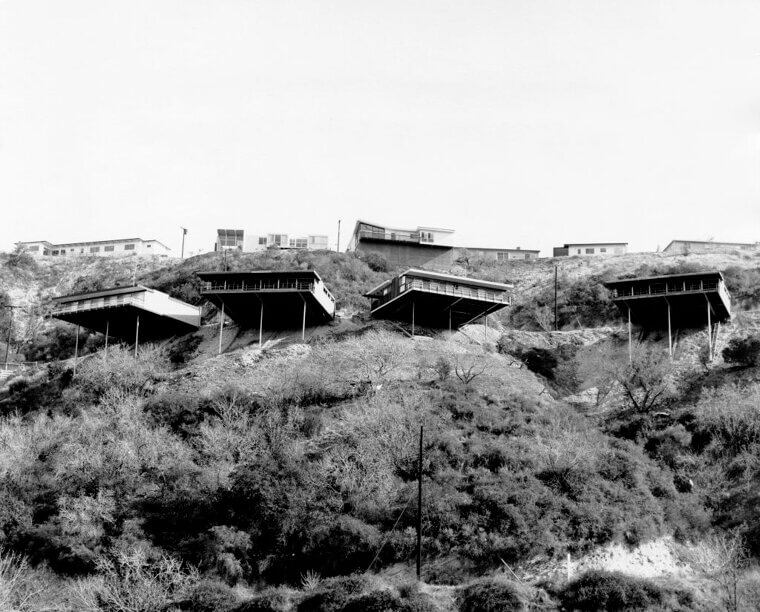
Situated in a lush, private canyon, the estate provides a peaceful environment heavily shaded by towering mature trees and native vegetation. Real estate historians consider this specific residence to be a prime example of the innovative modernist movement that reshaped residential design. His careful stewardship of the property highlights a profound appreciation for structural artistry and historical preservation.
John Paul Jones, Led Zeppelin, Fairlight CMI, 30,000 Pounds
Led Zeppelin multi-instrumentalist John Paul Jones invested 30,000 pounds back in 1979 to acquire the groundbreaking Fairlight CMI digital synthesizer. This massive sum of money secured one of the very first commercially available digital sampling workstations, giving him unparalleled access to new sonic landscapes. The bulky machine featured a distinctive light pen interface and floppy disk drives, representing the absolute cutting edge of music technology at the time.
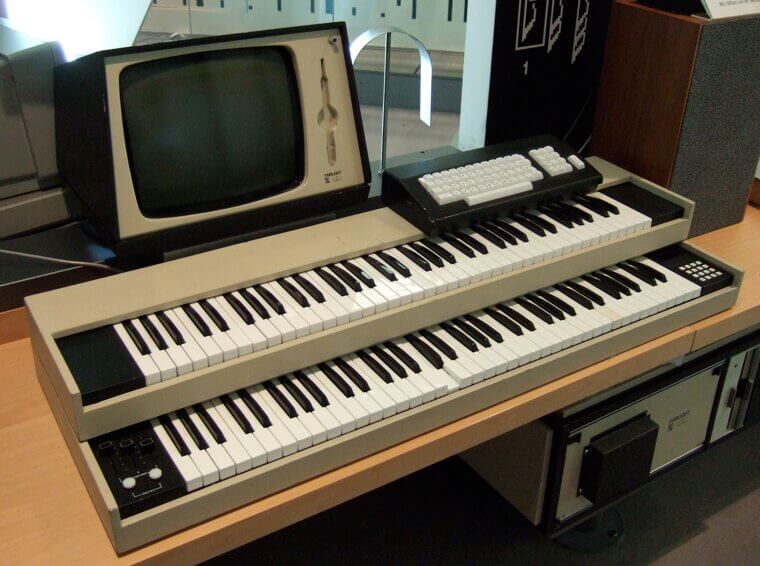
He utilized the innovative hardware to explore complex orchestral arrangements and entirely new textures that traditional analog instruments simply could not produce. Pioneers who adopted this extremely expensive technology early on paved the way for the entirely computer-based production methods used today. His willingness to embrace digital experimentation proved crucial to his ongoing evolution as a respected composer.
Rod Stewart, Rod Stewart, Model Train City, $100,000
Legendary vocalist Rod Stewart dedicated over two decades and roughly 100,000 into constructing a meticulously detailed model train city encompassing a massive room. The sprawling diorama perfectly replicates a bustling mid-twentieth-century American metropolis, complete with hundreds of illuminated buildings, vintage cars, and intricate scenery. He frequently took customized traveling cases on tour so he could continue painting tiny figurines and weathering structures while resting in hotel rooms.
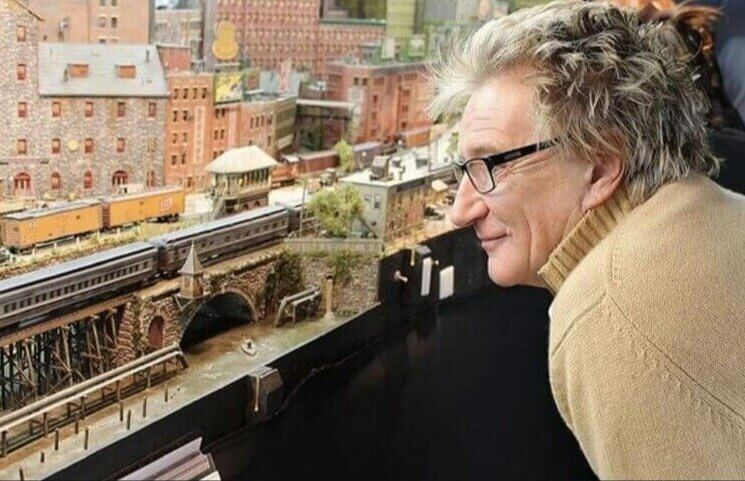
Professional modeling magazines eventually featured the breathtaking layout, heavily praising his extraordinary craftsmanship and obsessive attention to historical accuracy. The singer proudly admits that focusing on the miniature world provides profound mental relaxation, shielding him from the overwhelming demands of the recording industry. It remains one of the most impressive celebrity-owned hobby projects ever revealed to the public.