
Ever wonder what your favorite rock icons did before selling out arenas? From digging graves to teaching 6th grade, these legends worked some surprisingly normal jobs to pay the bills. Keep reading to discover the surprising early careers of these famous musicians!
Gene Simmons Working As A Sixth Grade Teacher
Before wearing his famous demon makeup and playing arenas worldwide, the legendary bass player spent his days shaping young minds in a New York classroom. He allegedly taught 6th grade students at a public school in Spanish Harlem for a brief period during the early days of his career. The future rock icon reportedly utilized his position to introduce his students to the works of William Shakespeare, showing a surprising dedication to classic literature. His teaching stint provided a steady paycheck while he tirelessly rehearsed with his bandmates throughout the late evening hours.

Ultimately, the allure of the stage proved too strong, leading him to trade his chalkboard for a bass guitar. He left the education field behind to pursue his musical dreams full time, forever altering the landscape of theatrical performances.
Ozzy Osbourne Working In A Local Slaughterhouse
Long before becoming known as the prince of darkness, this heavy metal pioneer took on one of the most grueling jobs imaginable in his hometown of Aston. He reportedly spent 18 months working on the kill floor of a meat processing facility, handling animal carcasses day in and day out. This early occupation was physically demanding and required a strong stomach, teaching him the value of hard labor. He allegedly used his earnings from this difficult factory position to purchase his very first piece of audio equipment to start a local band.
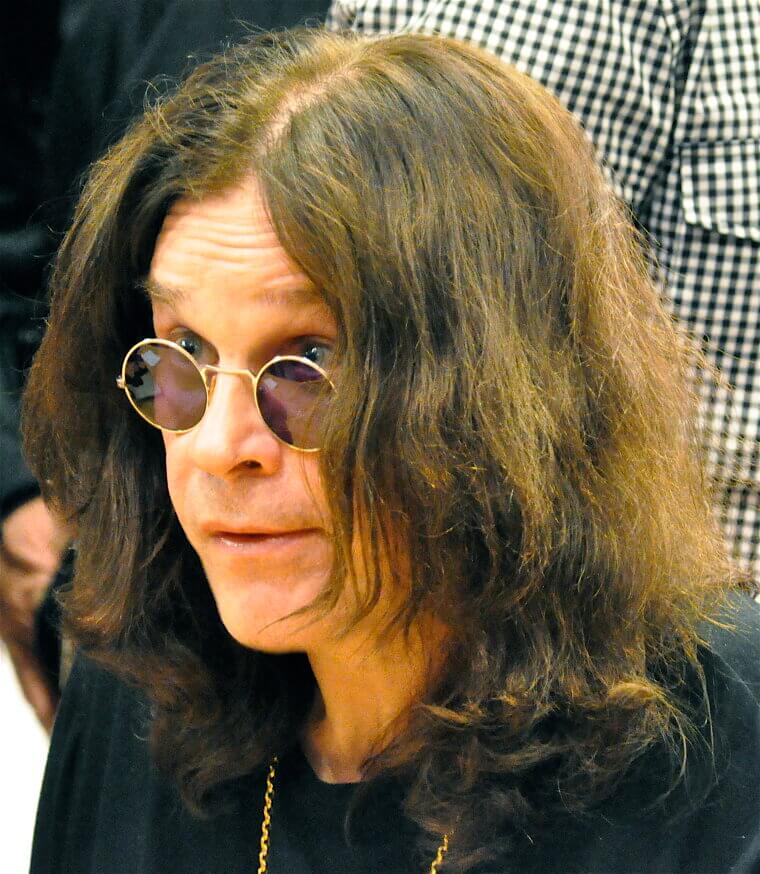
The grim reality of the facility eventually wore on him, pushing him toward the escapism of music. He traded his apron for a microphone, setting the foundation for a genre defining legacy that still resonates today.
Kurt Cobain Scrubbing Floors As A High School Janitor
The voice of a generation actually started his professional journey by cleaning up after the very students he would later inspire with his grunge anthems. He allegedly worked as a custodian at Weatherwax High School, the exact same educational institution he had previously dropped out of a few years prior. The job involved mopping hallways, cleaning restrooms, and dealing with everyday school messes while saving up money for studio time. This humble beginning reportedly funded the first demo tape for his band, proving that hard work behind the scenes can lead to massive success.
He eventually left the custodial supplies in the closet to focus entirely on writing songs and touring the local club circuit. The raw experiences from those quiet, solitary nights cleaning hallways heavily influenced his early songwriting efforts.
Jonathan Davis Embalming Bodies At A Local Mortuary
The iconic frontman with the unmistakable voice spent his early adult years dealing directly with the deceased in his hometown of Bakersfield. He reportedly attended the San Francisco College of Mortuary Science before taking a full time position at a local funeral home. His daily duties allegedly included preparing bodies for viewing, applying makeup, and handling the embalming process for grieving families. This unusual profession gave him an upfront look at mortality, which heavily influenced the dark and introspective lyrics found on his band's debut album a few years later.

He eventually walked away from the funeral industry when his band was offered a recording contract in Los Angeles. The eerie atmosphere of the mortuary was replaced by the chaotic energy of sold out concert venues.
Chris Cornell Selling Seafood As A Wholesale Fishmonger
The legendary grunge vocalist with a multi-octave range spent a significant portion of his early twenties working in the culinary supply industry. He reportedly worked at a wholesale seafood company in Seattle, where his daily routine involved cleaning, gutting, and preparing massive quantities of fresh fish for local restaurants. The job was notoriously messy, leaving him smelling like the ocean long after his daily shift had concluded. He allegedly wrote some of his earliest song lyrics in his head while standing on the cold warehouse floor processing incoming catches.
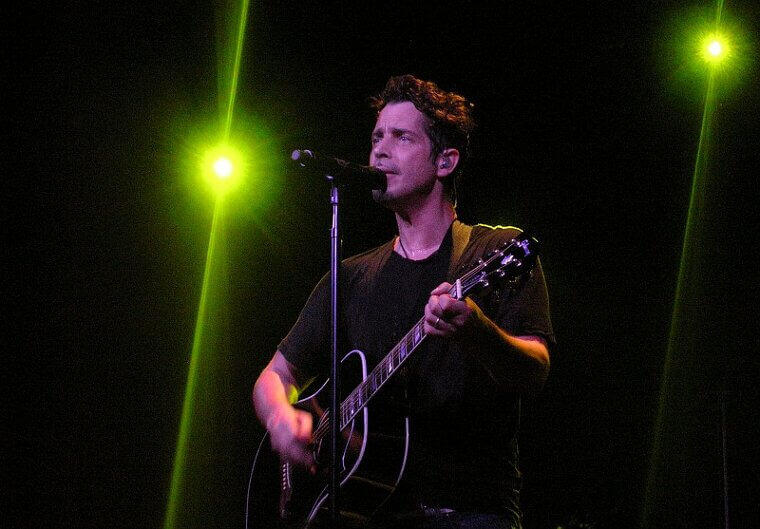
He eventually transitioned from the wholesale fish market to working as a sous chef before music became his full time career. The gritty reality of warehouse labor fueled the raw emotion in his early vocal performances.
Mick Jagger Hauling Supplies As A Mental Hospital Porter
Before he became the ultimate symbol of charismatic rock and roll energy, this iconic singer took on a distinctly unglamorous job to pay the bills. He reportedly worked as a part time porter at the Bexley Psychiatric Hospital, transporting supplies, moving heavy equipment, and running errands throughout the massive facility. The job required immense patience and the ability to navigate a highly stressful environment filled with unpredictable situations. He allegedly took the position to earn extra spending money while studying at the London School of Economics during the early 1960s.
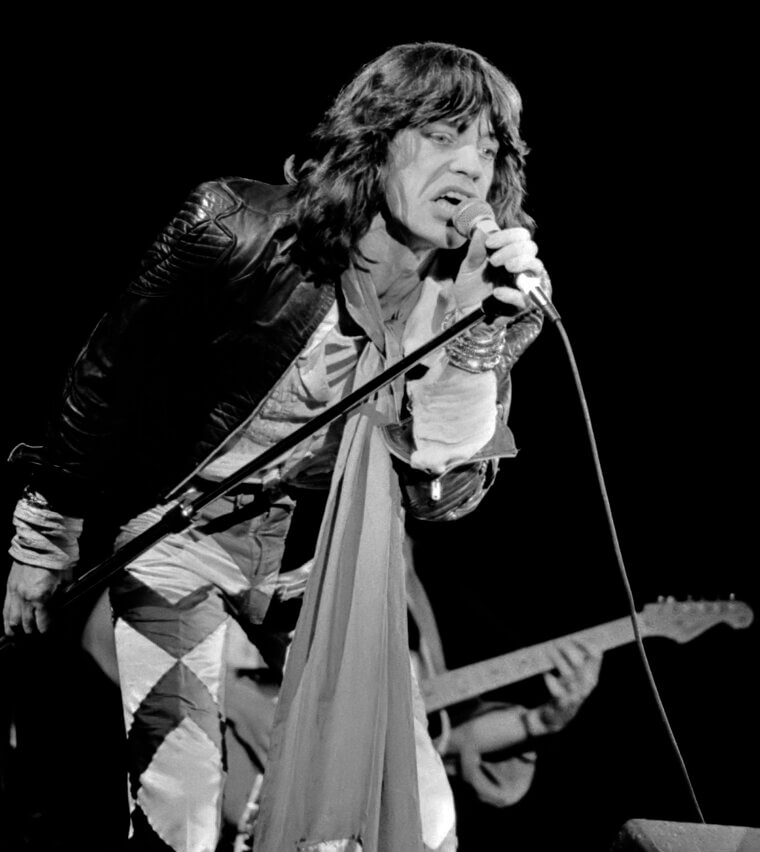
The grueling hospital shifts were quickly abandoned once his band started gaining traction in the local club circuit. He traded his hospital uniform for tailored suits and eventually became global music royalty.
Joe Strummer Digging Graves At A Local Cemetery
The passionate leader of the legendary punk rock movement took on one of the most sobering jobs imaginable before finding his voice on stage. He reportedly worked as a gravedigger in a Welsh cemetery, spending his days outdoors performing heavy manual labor in all types of weather conditions. The physically grueling task of preparing final resting places allegedly gave him plenty of time to reflect on society, mortality, and the struggles of the working class. These profound solitary moments significantly influenced the politically charged and socially conscious lyrics he would later become famous for writing.
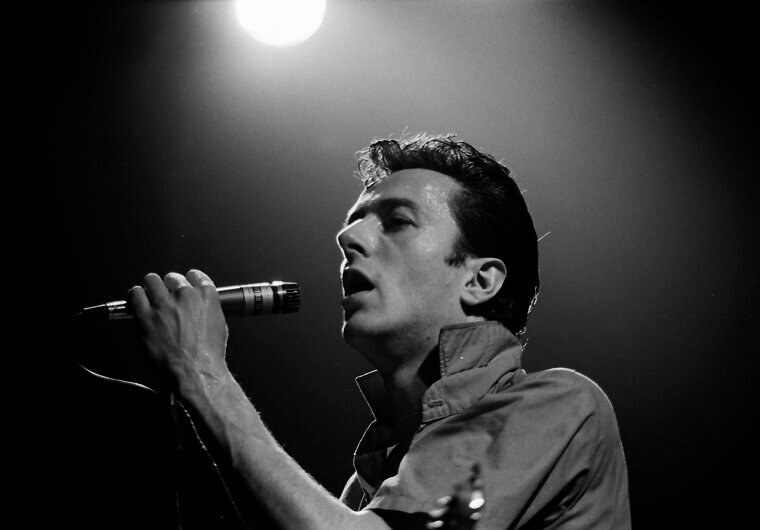
He eventually left the cemetery grounds to focus on organizing his band and playing small local pub gigs. The grim reality of digging earth instilled a sense of urgency in his musical message.
David Lee Roth Transporting Patients As A Hospital Orderly
The flamboyant and acrobatic frontman known for his incredible stage presence once worked in a highly disciplined medical environment. He reportedly took a job as a hospital orderly in the Los Angeles area, moving patients between wards, cleaning up after surgical procedures, and assisting the nursing staff with daily operations. The sterile and serious nature of the hospital allegedly provided a stark contrast to his wild personality and growing ambitions in the local music scene. He used his steady income from the medical facility to fund early studio recordings and purchase flashy stage outfits.

He happily resigned from his hospital duties the moment his band signed their first major recording contract. The orderly uniform was quickly replaced by spandex, leather, and brightly colored scarves.
Tom Araya Treating Patients As A Respiratory Therapist
The lightning fast bass player and vocalist for one of thrash metal's biggest bands originally trained for a career in the medical field. He reportedly worked as a respiratory therapist in a busy hospital, helping patients with breathing issues and managing critical life support equipment. His shifts often involved high stress situations, requiring quick thinking and a calm demeanor during severe medical emergencies. He allegedly used his steady income from the hospital to help finance his band's first self-funded studio album, showing immense dedication to his musical aspirations.

Balancing hospital shifts and late night rehearsals eventually became impossible, forcing him to choose the music industry permanently. His medical background remains a fascinating footnote in the history of extreme heavy metal.
Glenn Danzig Selling Issues At A Comic Book Shop
The muscular architect of horror punk and dark metal utilized his deep passion for graphic storytelling to secure employment in his early years. He reportedly worked at a local comic book retail store, organizing new weekly shipments, assisting customers, and curating the shop's extensive back issue collection. His encyclopedic knowledge of horror comics, obscure graphic novels, and vintage magazines allegedly made him an excellent employee for the specialty shop. This immersive environment fueled his macabre lyrical themes and strongly influenced the visual aesthetic he would later adopt for his various musical projects.

He eventually transitioned from selling comic books to establishing his own independent publishing company alongside his music career. The retail experience gave him the business knowledge needed to manage his artistic empire.
Serj Tankian Managing Operations As A Software CEO
Before he was belting out politically charged anthems, this dynamic singer was heavily involved in the booming technology sector during the late 90s. He allegedly developed a proprietary software system for the jewelry industry and established his own company to market the product. As the chief executive officer, he managed a team of developers, handled client relations, and oversaw the daily operations of a growing tech firm. His sharp business acumen reportedly helped him navigate the corporate world effectively before his artistic passions took over his daily schedule entirely.
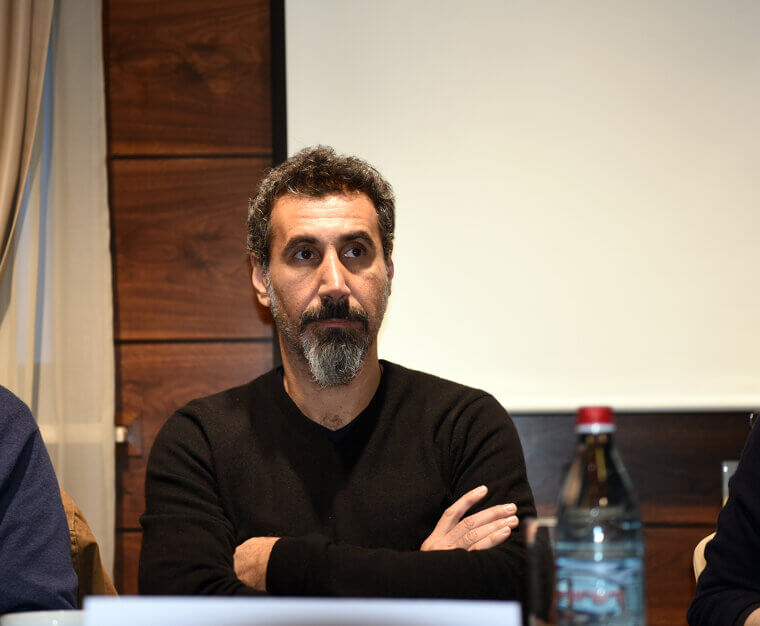
He eventually realized that sitting behind a desk was not his true calling, prompting him to dedicate his energy to music. The transition from software executive to global rock sensation is truly a unique career trajectory.
David Draiman Running Operations As A Healthcare Administrator
The powerhouse vocalist with the signature percussive singing style initially built a highly successful career in the healthcare administration sector. He reportedly spent nearly 5 years managing various healthcare facilities, overseeing staff, balancing complex budgets, and ensuring high quality patient care. His professional role required strong leadership skills and the ability to handle the rigorous demands of managing large medical organizations. He allegedly considered staying in the field permanently due to the financial stability it provided before a successful audition changed the entire course of his professional life.

Leaving behind a lucrative administrative career was a major risk that ultimately paid off when his band achieved multi-platinum success. He traded boardrooms for massive outdoor festival stages across the globe.
Lemmy Kilmister Hauling Gear As A Roadie For Jimi Hendrix
The gravel voiced pioneer of fast paced rock and roll spent his early days in London working behind the scenes for one of the greatest guitarists in history. He allegedly worked as a roadie, tasked with loading heavy amplifiers, tuning instruments, and ensuring the stage was properly set for nightly performances. This grueling job reportedly gave him a firsthand education in the chaotic world of touring and live music production. He watched legendary performances from the side of the stage, absorbing the wild energy that he would later incorporate into his own legendary musical career.
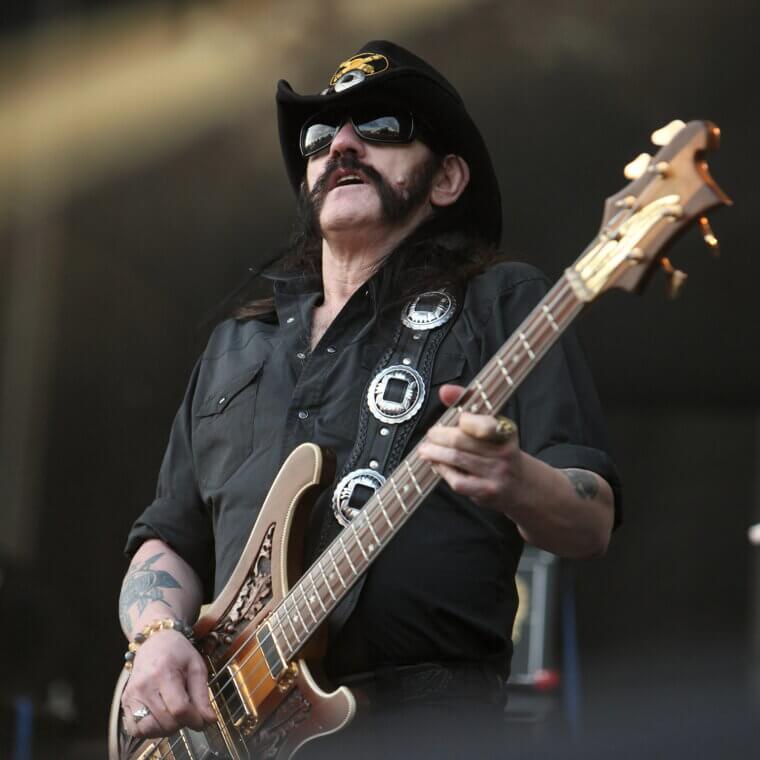
After learning the ropes from the touring crew, he stepped out of the shadows to form his own loud and aggressive musical projects. The experience of hauling gear instilled a tireless work ethic he maintained for decades.
Jack White Designing Furniture As A Custom Upholsterer
The visionary guitarist and songwriter initially pursued a hands on career in the furniture restoration business in his hometown of Detroit. He reportedly apprenticed under a master craftsman, learning the meticulous art of repairing antique chairs, couches, and custom seating arrangements. He eventually opened his own small business, famously utilizing a distinct color scheme of yellow and black for his shop's branding and delivery van. He allegedly even hid early demo tapes of his music inside the furniture cushions he repaired, turning his handiwork into a secret artistic statement.

The physical demands of upholstery work eventually gave way to his growing success in the independent music scene. He still maintains a deep appreciation for customized craftsmanship and design to this day.
Eddie Vedder Pumping Fuel As A Nighttime Gas Station Attendant
The defining voice of the 90s alternative rock movement supported his early artistic endeavors by working graveyard shifts at a local service station in San Diego. He reportedly spent his nights pumping gas, ringing up snacks, and cleaning windshields for late night travelers along the California coast. The quiet, solitary hours allegedly gave him plenty of time to read books, write poetry, and develop the introspective lyrics that would later resonate with millions. His modest earnings from the station allowed him to buy a better surfboard and keep his musical dreams alive.

A fateful demo tape recording led him to leave the service station behind and relocate to the Pacific Northwest. He quickly transformed from an unknown attendant into one of the most recognizable figures in modern rock history.
Axl Rose Managing Inventory At A Tower Records Store
The explosive frontman of one of the world's most dangerous rock bands once earned a living by organizing albums on store shelves. He reportedly worked as a night manager at a popular Sunset Boulevard record shop, dealing with late night customers and organizing the store's massive inventory. The position allegedly gave him access to a vast array of musical genres, allowing him to study different vocal styles and production techniques while on the clock. He was known to strictly enforce store policies while secretly harboring ambitions of seeing his own album displayed in the front window.
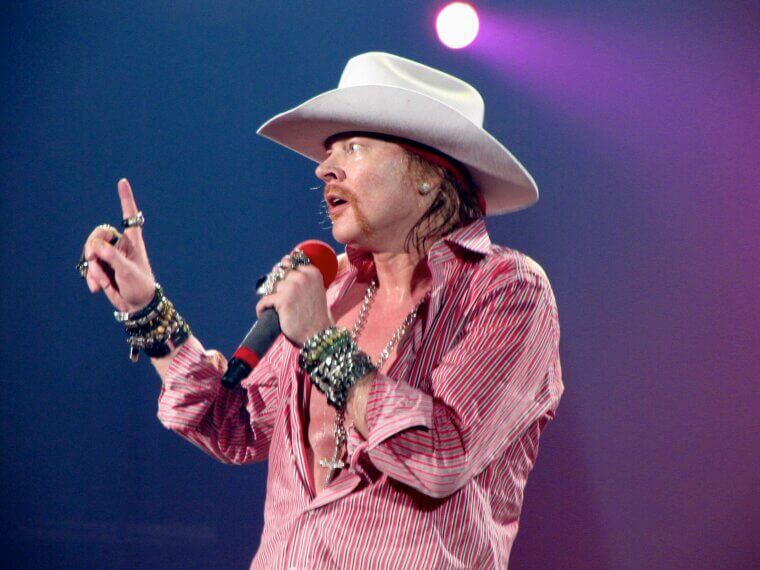
The record store job ended when his band secured a major label contract and began recording their landmark debut album. He went from stocking physical media to selling millions of copies worldwide in just a few short years.
Peter Steele Maintaining Grounds For The City Parks Department
The imposing, deep voiced frontman for a pioneering gothic metal band spent a significant portion of his life working outdoors in Brooklyn. He reportedly held a position with the municipal parks and recreation department, driving heavy vehicles such as garbage trucks, snowplows, and steamrollers. His daily routine allegedly involved clearing debris, maintaining public spaces, and enduring the harsh winter weather while keeping the city streets functional. He was remarkably proud of his civil service career and often mentioned how much he enjoyed the physical labor involved in keeping the parks clean.

Even after achieving significant success on the music charts, he allegedly considered returning to his government job for the excellent benefits package. The rugged outdoor work perfectly matched his towering, larger than life persona.
Tony Iommi Pressing Metal In A Sheet Metal Factory
The undisputed godfather of heavy metal guitar riffs actually spent his early days working in an industrial manufacturing plant. He reportedly operated heavy machinery at a sheet metal factory in Birmingham, cutting and shaping industrial materials on a daily basis. Tragically, he allegedly suffered a severe accident on his very last day at the job, losing the tips of two fingers on his fretting hand in a large industrial press. This catastrophic event forced him to invent homemade prosthetic fingertips and lower his guitar tuning, inadvertently creating the heavy, sludgy sound that defined a new genre.

He never returned to factory work, choosing instead to focus entirely on overcoming his injury through relentless practice. The industrial accident surprisingly served as the catalyst for the birth of modern heavy metal music.
Fred Durst Trimming Grass As A Professional Lawn Mower
The energetic frontman who helped popularize the rap metal movement in the late 90s started his professional life taking care of neighborhood yards. He reportedly ran his own small landscaping and lawn care business, spending long hours mowing grass, trimming hedges, and hauling away yard debris in the Florida heat. The physically demanding outdoor labor allegedly gave him the stamina required for his highly active, bouncing stage performances. He often used the quiet time pushing the mower to practice his vocal rhythms and refine his unique lyrical delivery.
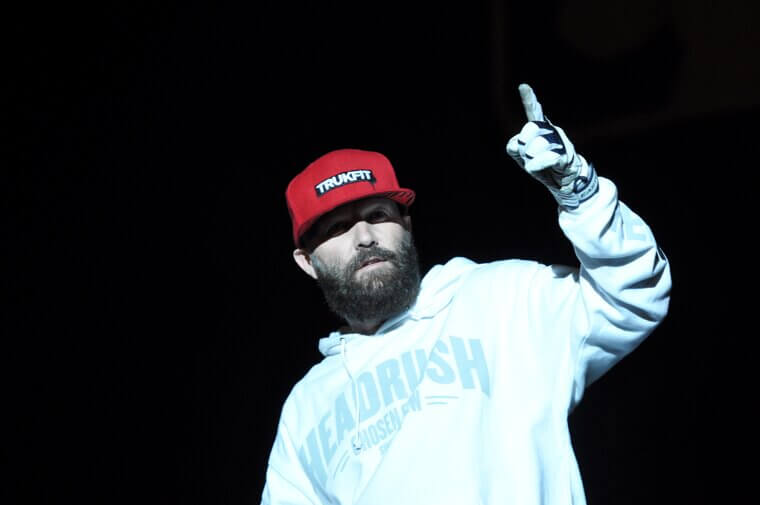
He supplemented his lawn care income by working as a tattoo artist before his band finally secured a record deal. The transition from manicuring lawns to commanding massive festival crowds happened surprisingly fast.
Rob Zombie Running Errands As A Television Production Assistant
The master of shock rock and horror cinema initially got his start in the entertainment industry working behind the scenes on a popular children's program. He reportedly worked as a production assistant on the set of Pee-wee's Playhouse in New York City, handling various odd jobs for the art department. His daily duties allegedly included fetching coffee, moving props, and assisting the set designers in creating the show's colorful and chaotic visual aesthetic. This early exposure to elaborate television production heavily influenced his later transition into directing his own elaborate stage shows and feature films.
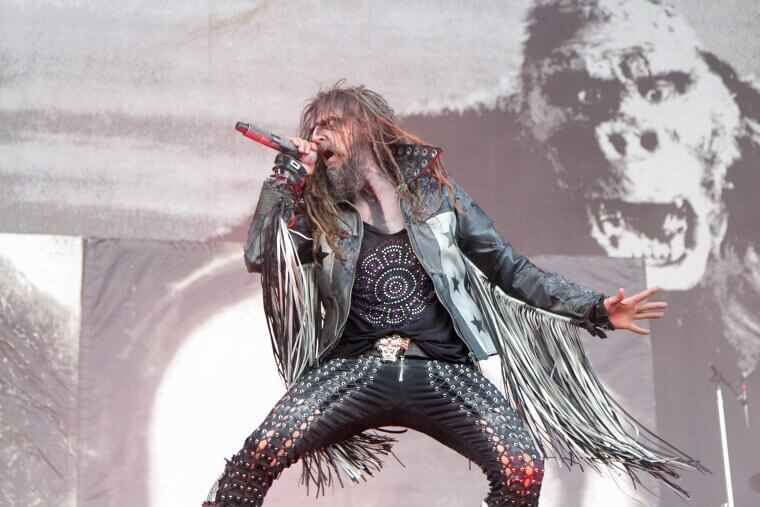
He eventually left the colorful television set to focus on building his own terrifying musical brand. The whimsical nature of the children's show stands in stark contrast to his eventual horror themed career.
James Hetfield Operating Machines At A Sticker Factory
The rhythmic foundation and aggressive voice of the world's biggest metal band earned his living doing repetitive manual labor in a manufacturing plant. He reportedly operated large printing presses at a sticker factory, spending 8 hours a day ensuring the machinery ran smoothly and the ink remained properly aligned. The loud, rhythmic sounds of the industrial equipment allegedly influenced his precise, machine-gun style of playing rhythm guitar. He found the factory work incredibly monotonous but necessary to pay for rehearsal space and equipment repairs during his band's formative years.
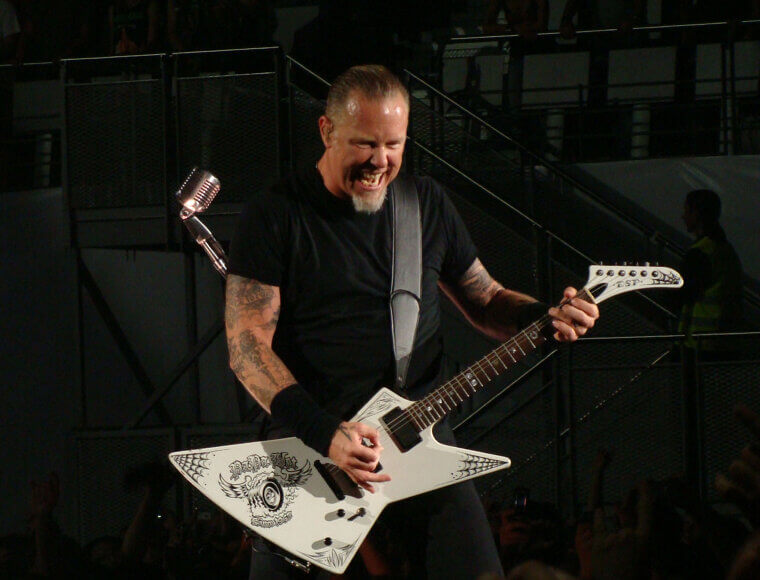
He quit the factory job right before embarking on his first major national tour across the United States. The mechanical precision he learned on the factory floor translates perfectly to his legendary guitar riffs.
Maynard James Keenan Designing Displays For A Local Pet Store
The enigmatic and highly secretive vocalist behind several prominent progressive rock bands utilized his artistic talents in a surprisingly quaint retail setting. He reportedly worked at an independent pet shop where his primary responsibility was designing and building intricate interior layouts for the animal enclosures. His attention to detail allegedly resulted in elaborate, highly creative terrariums and aquariums that went far beyond the standard retail displays. This job allowed him to utilize his degree in fine arts while earning a modest living before his musical projects gained international attention.

He also spent time working as a surveyor for the military before fully committing to the recording industry. His meticulous approach to designing pet habitats perfectly mirrors his complex approach to vocal arrangements.
Brian Johnson Installing Tops On A Car Assembly Line
The unmistakable voice behind some of the most iconic hard rock anthems in history spent years performing grueling physical labor in the automotive industry. He reportedly worked on a vehicle assembly line in the United Kingdom, specifically tasked with installing vinyl roofs on brand new cars. The job required immense physical strength and precision, stretching thick materials over the metal frames day after day. He allegedly sang constantly over the loud factory noises to entertain his coworkers, unintentionally strengthening his vocal cords for the rigorous touring schedule he would eventually endure.
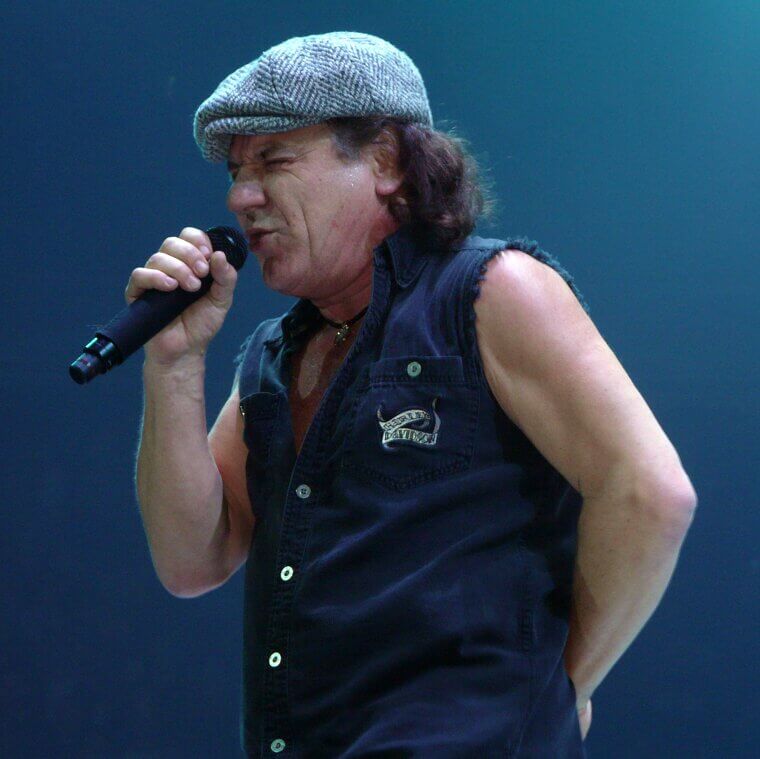
He balanced his factory shifts with late night pub gigs for years before getting his massive break. The working class ethic he developed on the assembly line remained with him throughout his multi-platinum career.
Ronnie James Dio Stocking Shelves As A Pharmacy Store Clerk
The legendary vocalist with the operatic voice and massive stage presence originally held a very modest retail position in his upstate New York hometown. He reportedly worked as a clerk at a local pharmacy, stocking shelves, organizing inventory, and assisting customers with their daily purchases. The quiet, repetitive nature of the retail job allegedly provided him with plenty of mental space to practice complex vocal melodies in his head. He used the steady income to purchase better musical equipment and fund his early, pre-fame recording sessions with various local rock outfits.

He eventually left the retail pharmacy behind as his reputation as a powerhouse vocalist began to spread globally. His incredible journey from stocking medicinal supplies to commanding massive stadium crowds is truly inspiring.
Dave Mustaine Pitching Products As A Telephone Sales Representative
The fiercely independent founder of a legendary thrash metal band utilized his natural charisma to sell products over the phone before finding massive success. He reportedly worked as a telemarketer, cold calling hundreds of strangers every single day to pitch various services and promotional offers. The job required a thick skin and the ability to handle constant rejection, allegedly preparing him for the brutal realities of the cutthroat music industry. He was known for being surprisingly effective at closing deals, using his sharp wit and persuasive speaking style to exceed his weekly sales quotas.

He ultimately abandoned the headset to focus entirely on writing aggressive, high speed guitar riffs and touring globally. The persistence he learned from cold calling clearly translated into his relentless drive for musical perfection.
Till Lindemann Weaving Materials As An Apprentice Basket Maker
The fiery and theatrical frontman of an internationally acclaimed industrial metal band actually trained in a highly traditional, centuries-old craft. He reportedly completed an official apprenticeship to become a professional basket weaver, learning how to intricately weave reeds, willow, and other natural materials into functional containers. The meticulous, quiet nature of the handiwork allegedly stands in massive contrast to the explosive, pyrotechnic filled stage shows he is known for today. He spent long hours perfecting the ancient craft, demonstrating a deep appreciation for disciplined, hands on manual labor.

He eventually transitioned from weaving baskets to writing poetry and dominating international music festivals. The precise attention to detail required for the craft is evident in his band's highly choreographed live performances.
Patti Smith Assembling Parts As A Toy Factory Worker
The influential poet and pioneer of the New York punk rock movement endured grueling conditions in a manufacturing plant during her younger years. She reportedly worked on an assembly line at a local toy factory, repeatedly inspecting and packaging small plastic parts for 8 hours a day. The incredibly monotonous and spiritually draining environment allegedly inspired her to write her very first poem, using literature as an escape from the repetitive factory machinery. She often read French poetry during her short lunch breaks to maintain her creative sanity amidst the industrial noise.

She eventually saved enough money to relocate to New York City and pursue her artistic visions full time. The soul crushing nature of the factory floor fueled her rebellious, deeply intellectual approach to songwriting.
Bon Scott Weighing Trucks As A Weighbridge Operator
The charismatic and rebellious original frontman of a legendary Australian rock band held a surprisingly mundane government job before finding international fame. He reportedly worked as a weighbridge operator, responsible for checking the weight of large commercial trucks and calculating their load fees. The job involved sitting in a small booth for hours on end, chatting with passing drivers and meticulously recording weight measurements in an official logbook. He allegedly used the quiet moments between truck arrivals to write down lyrical ideas and plan his eventual escape from rural, small town life.

He ultimately left the lonely weighbridge booth to join a touring band and conquer the global rock scene. His cheeky sense of humor, honed by chatting with truck drivers, became his signature vocal trademark.
Dexter Holland Conducting Research As A Laboratory Student
The spiky haired vocalist for a massive pop punk band actually spent his early adult years deeply immersed in the world of academic science. He reportedly worked as a laboratory researcher while pursuing his doctoral degree in molecular biology at a prestigious university in Southern California. His daily routine allegedly involved studying viral structures, running complex genetic sequencing machines, and analyzing microscopic cellular data for his academic thesis. He expertly balanced his rigorous scientific research schedule with late night band rehearsals and weekend performances at local underground punk rock venues.
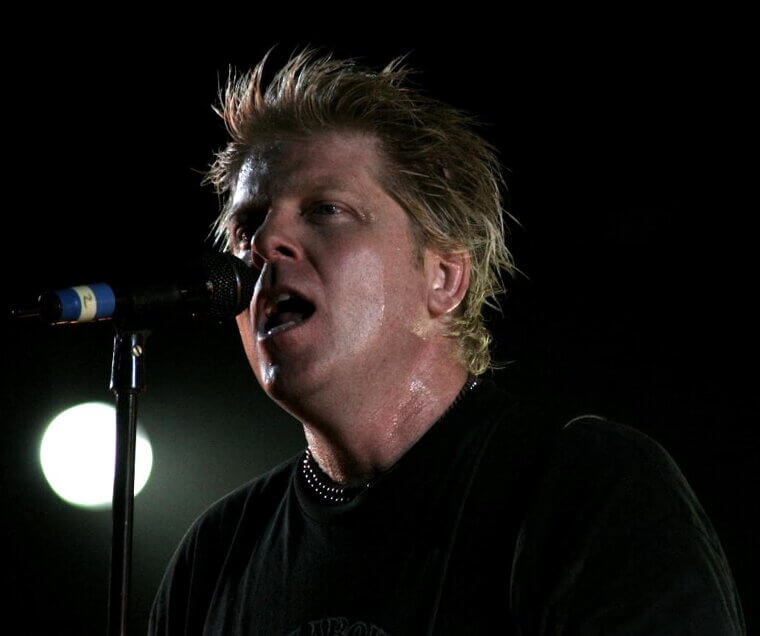
He temporarily paused his academic career when his band's album unexpectedly sold millions of copies worldwide. He impressively returned decades later to successfully defend his thesis and officially earn his doctorate degree.
Lars Ulrich Tossing Papers As A Morning Delivery Boy
The highly energetic drummer and co-founder of the most successful heavy metal band in history learned the value of hard work at a very young age. He reportedly took a job as a morning newspaper delivery boy in his neighborhood, waking up before dawn to toss papers onto front porches. The physical exertion of riding a bicycle heavily loaded with printed media allegedly helped build the endurance he would later need for playing exhausting, double bass heavy drum solos. He used the modest income from his delivery route to purchase vinyl records from his favorite European rock bands.
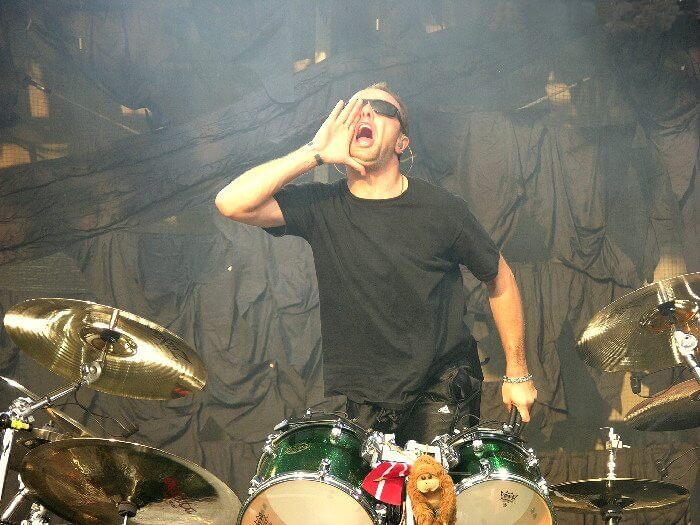
He eventually traded his delivery bicycle for a massive drum kit and a relentless touring schedule. The discipline required to wake up early every single morning translated perfectly into his ferocious musical drive.
Joey Ramone Hanging Paintings As An Art Gallery Assistant
The towering icon of the New York punk rock scene utilized his deep appreciation for visual aesthetics by working in the local art industry. He reportedly held a position as an assistant at an independent art gallery, helping to curate exhibitions, hang expensive paintings, and interact with potential buyers. The creative environment allegedly exposed him to various avant-garde movements, heavily influencing his band's minimalist and highly stylized visual presentation. He was known for being remarkably polite and soft spoken while assisting gallery patrons, contrasting sharply with his aggressive, high speed stage persona.
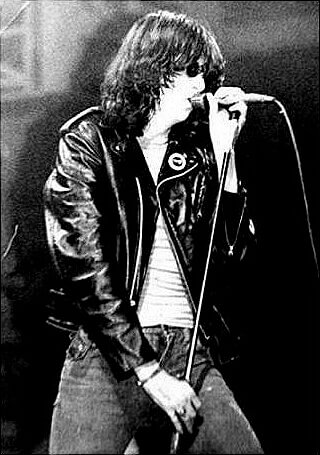
He ultimately left the quiet gallery space to help define a massive cultural revolution at local dive bars. His unique understanding of visual pop art became a crucial element of his band's lasting legacy.
Keith Richards Retrieving Balls As A Tennis Club Employee
The legendary rock guitarist known for his indestructible nature and ragged aesthetic spent his youth working at a highly pristine sporting facility. He reportedly earned extra spending money working as a ball boy at a local, upscale tennis club in his English hometown. His duties allegedly included sprinting across the clay courts to retrieve stray tennis balls, maintaining the nets, and ensuring the wealthy patrons had a seamless athletic experience. He used the modest wages to buy guitar strings and bus fare to travel into London for early rhythm and blues concerts.
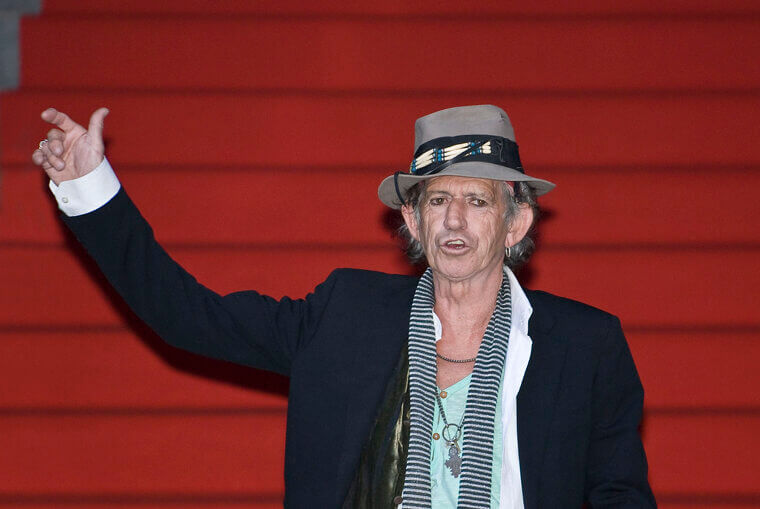
He quickly abandoned the immaculate tennis courts to pursue a wildly successful and notoriously chaotic life in music. The stamina required to sprint across the courts proved useful during decades of energetic live performances.
Greg Graffin Examining Fossils As A Paleontology Assistant
The intellectually driven vocalist of a highly influential punk rock band spent his early years analyzing the ancient history of the planet. He reportedly worked as an assistant in a university paleontology department, cleaning prehistoric fossils, organizing rock samples, and helping professors document ancient evolutionary data. The quiet, highly analytical laboratory work allegedly provided a massive contrast to the loud, fast paced music he was writing on the weekends. His deep immersion into the scientific method profoundly shaped his band's incredibly literate, socially conscious, and evolution themed lyrical content.

He continued to balance his massive musical career with higher education, eventually earning his own doctorate in zoology. He still occasionally lectures at major universities when he is not actively touring with his band.
Bruce Dickinson Training Hard As A Territorial Army Recruit
The energetic, multi-talented frontman of one of the world's most successful heavy metal bands briefly considered a permanent career in the military forces. He reportedly enlisted as a recruit in the Territorial Army, enduring rigorous physical training, learning combat tactics, and participating in intensive outdoor survival exercises. The strict discipline and demanding physical requirements allegedly tested his limits but instilled a massive sense of personal resilience and stamina. He found the military lifestyle fascinating but ultimately realized his true passion resided in writing theatrical music and performing for massive crowds.

He was honorably discharged from his duties and immediately pivoted toward dominating the global heavy metal scene. The immense physical conditioning from his military days allows him to sprint across massive stadium stages effortlessly.
Alice Cooper Slapping Paint As A House Painting Contractor
The architect of theatrical shock rock funded his early musical experiments by working a highly demanding manual labor job in the desert heat. He reportedly ran a small, independent house painting business alongside his original bandmates, tackling residential projects across the hot neighborhoods of Phoenix. The group allegedly used the physical labor to stay in shape while saving every single penny to purchase better amplifiers and theatrical stage props. The scorching outdoor conditions made the grueling job incredibly difficult, but the shared struggle helped bond the musicians together during their formative years.
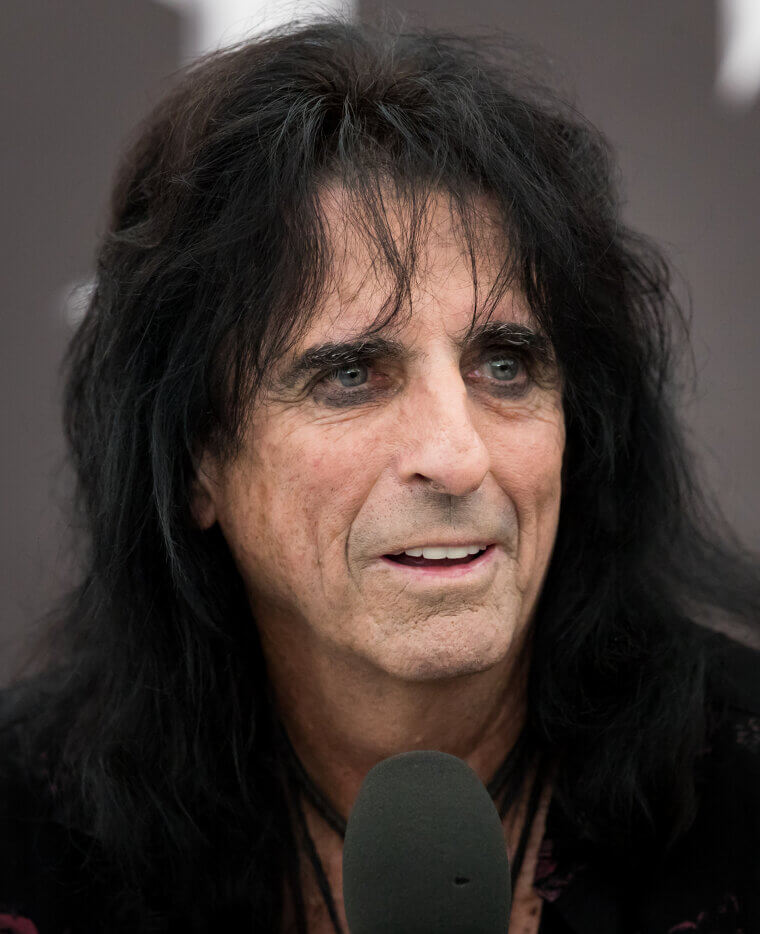
They eventually saved enough money from painting houses to relocate to Los Angeles and secure a record deal. The tedious process of painting walls was quickly replaced by creating elaborate, horror themed stage productions.