
Ready to discover the true legends of the rhythm section? We are diving into the most influential percussionists who shaped heavy music history. From blast beats to infectious grooves, these musicians changed everything. Check out our definitive heavy metal drummer ranking below!
Dave Lombardo, Slayer, Pioneering Fast Double Bass Technique
Dave Lombardo established the blueprint for extreme percussion during his formative years in the heavy music scene. His aggressive style and unprecedented speed changed the landscape of aggressive rock forever in the late twentieth century. He introduced a new level of physical endurance to the genre, incorporating relentless double bass pedal work that left audiences stunned. Many modern players cite his performance on classic 1980s albums as their primary reason for picking up the sticks. He essentially built the rhythmic foundation that countless other extreme bands would later adopt to craft their own identities.
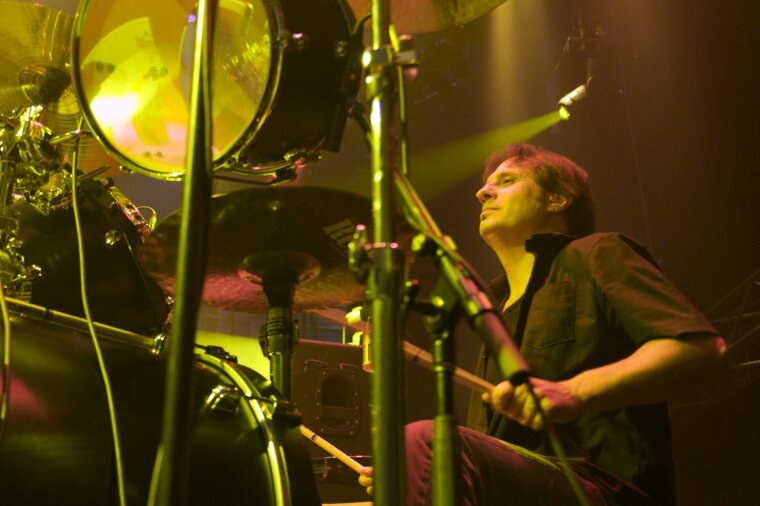
Beyond sheer velocity, his ability to inject infectious groove into chaotic tempos sets him apart. His enduring legacy remains untouchable, securing his position as a true titan of the genre.
Danny Carey, Tool, Integrating Geometry and Complex Polyrhythms
Danny Carey brought an unprecedented level of intellectual depth to rhythm sections when he joined his iconic progressive outfit. Utilizing complex time signatures and obscure geometric principles, his setups are visually and mathematically fascinating. He reportedly studies esoteric texts to influence his playing patterns, creating a mesmerizing experience for listeners. His background in jazz allows him to maintain fluidity even while executing the most complicated syncopated beats imaginable. Fans often spend hours analyzing his isolated tracks to understand the intricate mechanics behind his seemingly effortless performances on stage and in the studio.
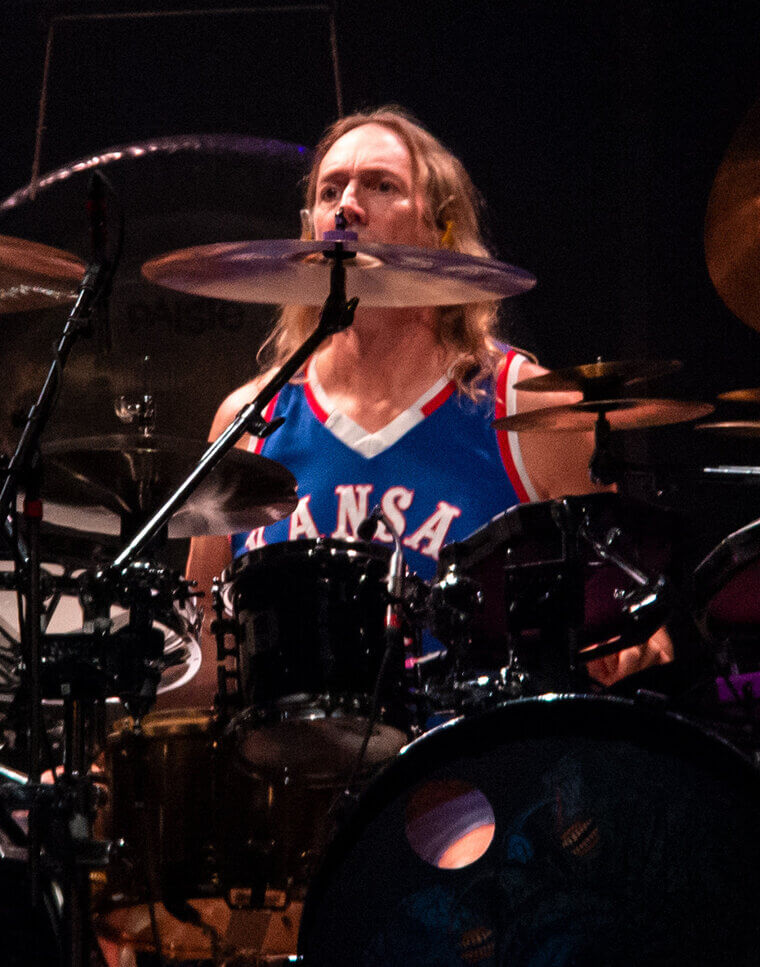
This dedication to the craft elevates the standard for aspiring musicians globally. He proves that heavy music can be incredibly cerebral while still retaining its visceral, primal energy.
Tomas Haake, Meshuggah, Inventing the Djent Groove
Tomas Haake single-handedly spawned an entire subgenre through his bewildering approach to timing and tempo. By layering odd-metered patterns over steady common time cymbals, he creates a disorienting yet compelling sonic landscape. His limb independence is so advanced that it borders on the unbelievable, often sounding like multiple people playing at once. The Swedish rhythm master writes many of his band's lyrics, matching the rhythmic cadence of the words to his intricate snare ghost notes. This synergistic approach to songwriting and percussion makes his contributions vital to the evolution of modern technical music.
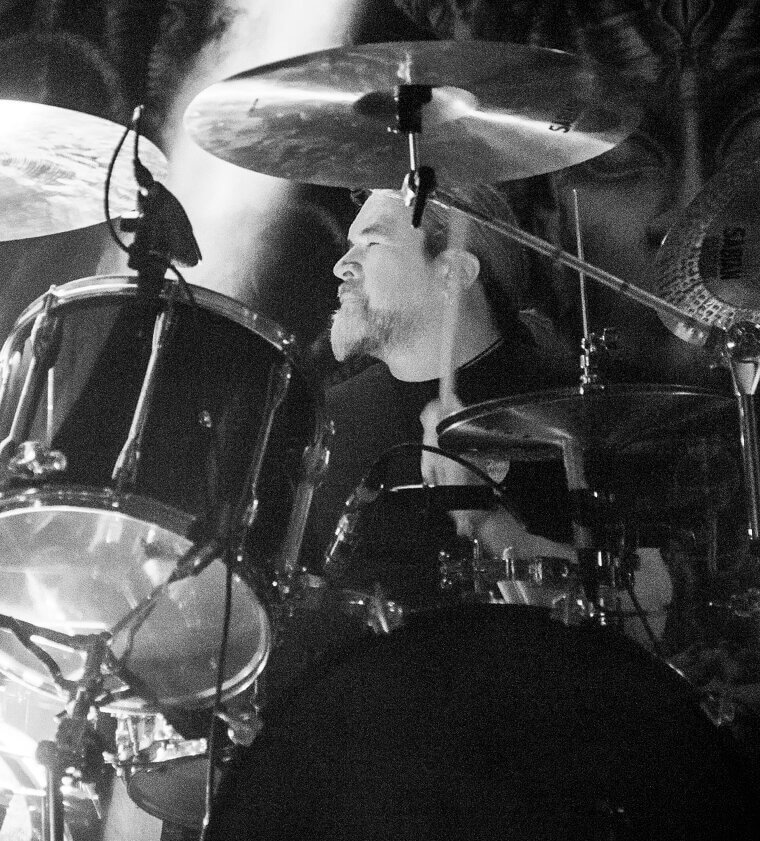
Furthermore, his stamina during extended live performances highlights his athletic dedication to the art form. He continuously pushes the boundaries of what is humanly possible behind a standard drum kit.
Lars Ulrich, Metallica, Arranging Some of the Biggest Metal Anthems
Lars Ulrich shifted the focus of heavy music from sheer technicality to grand, arena-ready arrangements. As a primary songwriter for his legendary group, he possesses an unparalleled ear for structuring anthems that resonate with millions of fans worldwide. His distinct snare sound and driving tom fills became instantly recognizable staples of the 1990s hard rock explosion. While some critics debate his technical proficiency, his impact on the commercial success of the genre is undeniable. He intuitively knows exactly what a song needs to maximize its emotional and energetic impact on the listener.
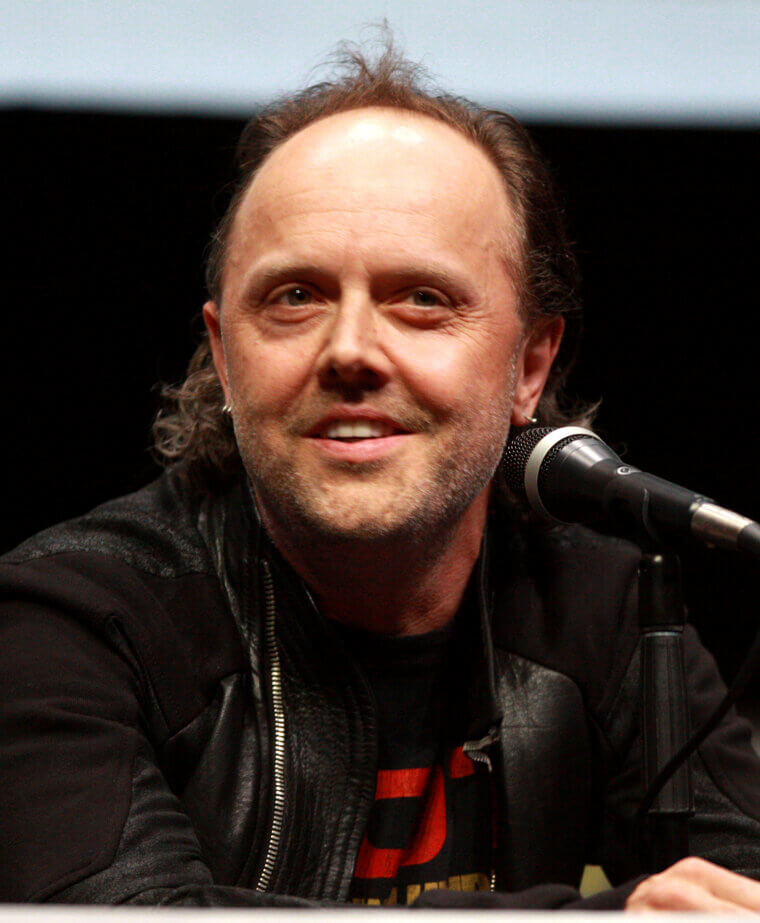
His visionary approach to the business and visual presentation of his band also revolutionized the industry. Without his foundational contributions, the current landscape of heavy stadium tours would not exist.
Vinnie Paul, Pantera, Establishing the Signature Texas Groove Metal Sound
Vinnie Paul crafted a signature swagger that defined the Southern heavy metal sound for a generation. His playing possessed a massive, swinging feel that contrasted sharply with the stiff, robotic precision favored by many of his peers. Utilizing triggered kick drums, he achieved a punchy, aggressive tone that cut through heavily distorted guitars with ease. The chemistry he shared with his brother on stage created a rhythmic powerhouse that remains unmatched in modern rock history. He focused on delivering infectious grooves that forced crowds to move, rather than showing off unnecessary technical flourishes.
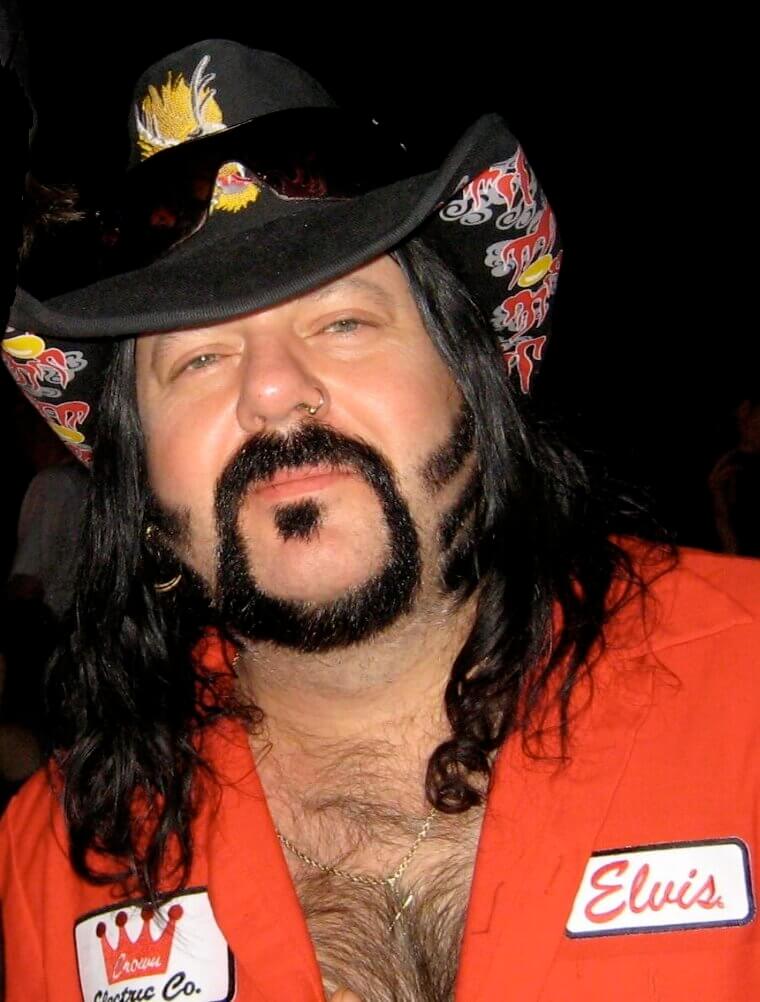
This commitment to the song itself endeared him to millions of loyal followers around the globe. His tragic passing left a massive void in the music community that will never be filled.
Mike Portnoy, Dream Theater, Pushing Progressive Metal to New Heights
Mike Portnoy elevated progressive musicianship by combining dizzying technicality with an engaging, theatrical stage presence. His massive, multi-tiered kits became iconic symbols of excess and ambition in the progressive scene. He seamlessly transitions between delicate, atmospheric cymbal work and thunderous, double-kick onslaughts within a single composition. As a founding member of his most famous project, he drove the creative direction for decades, organizing fan clubs and directing video releases. His encyclopedic knowledge of musical history allows him to pay homage to classic rock heroes while forging his own distinct, complex path forward.
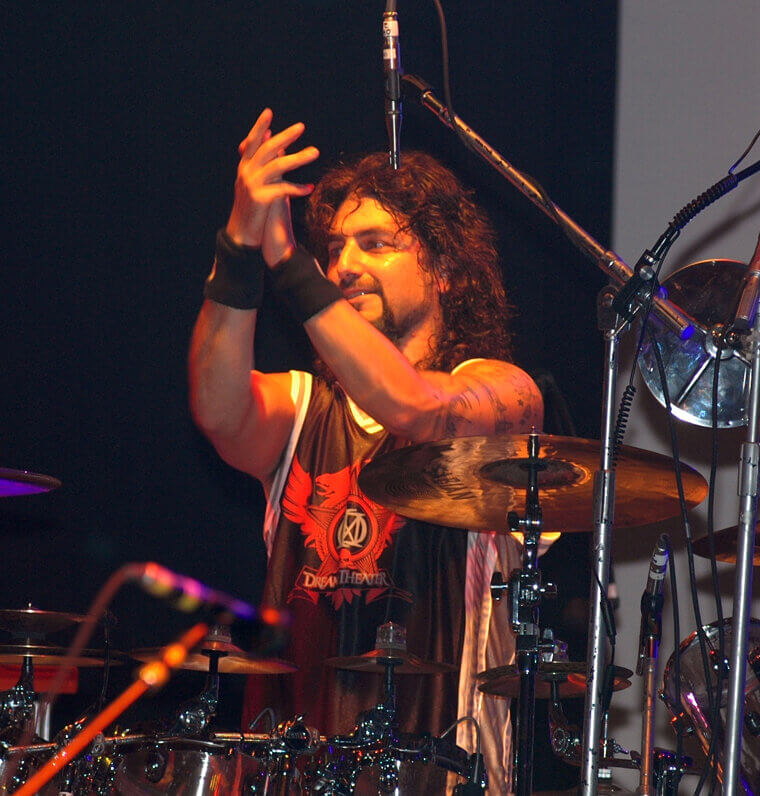
His prolific work ethic has led to numerous successful side projects and collaborations across various styles. He remains a highly sought-after session player, cementing his reputation as a modern drumming legend.
Joey Jordison, Slipknot, Bringing Extreme Speed to Mainstream Metal
Joey Jordison injected terrifying speed and theatricality into the mainstream charts during the turn of the millennium. Playing behind a creepy mask, his lightning-fast blast beats and frantic fills became the driving force of his nine-piece ensemble. He possessed a unique ability to make extreme metal techniques palpable for casual listeners without sacrificing any aggression. His signature snare tone cracked like a whip, cutting through dense layers of down-tuned guitars and electronic samples. The energy he brought to live performances was legendary, often playing full solos while strapped into a rotating, elevated cage.
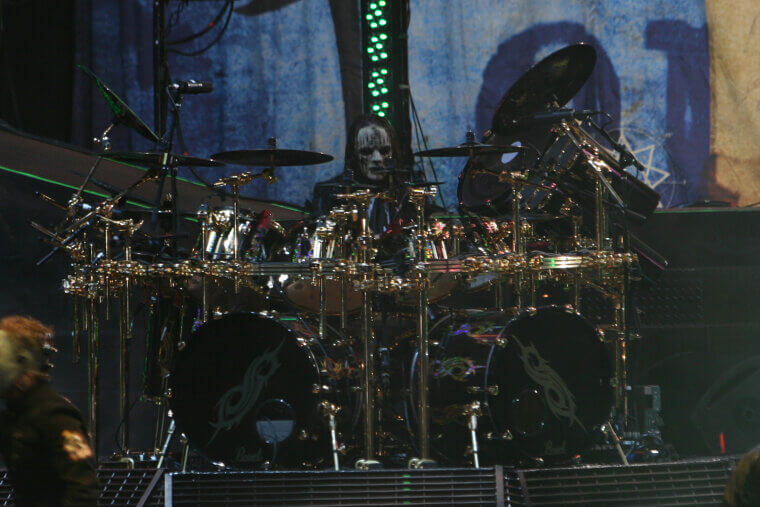
His tragic health struggles and subsequent passing deeply saddened the global music community. Nevertheless, the frantic, unapologetic style he pioneered continues to inspire a new generation of aggressive percussionists.
Mario Duplantier, Gojira, Combining Brutal Precision With Eco-Conscious Thematics
Mario Duplantier brings a sophisticated, fluid dynamic to the often rigid world of extreme technical metal. His environmentally conscious band relies heavily on his ability to shift from crushing, synchronized breakdowns to atmospheric, tribal-inspired interludes. He utilizes splash cymbals and dynamic snare accents to create a sense of breathing space amidst overwhelming auditory heaviness. The precision of his playing is astounding, yet he never loses the organic, human feel that defines the best live musicians. His performances often feel like a primal force of nature, perfectly complementing the lyrical themes of ecological preservation.
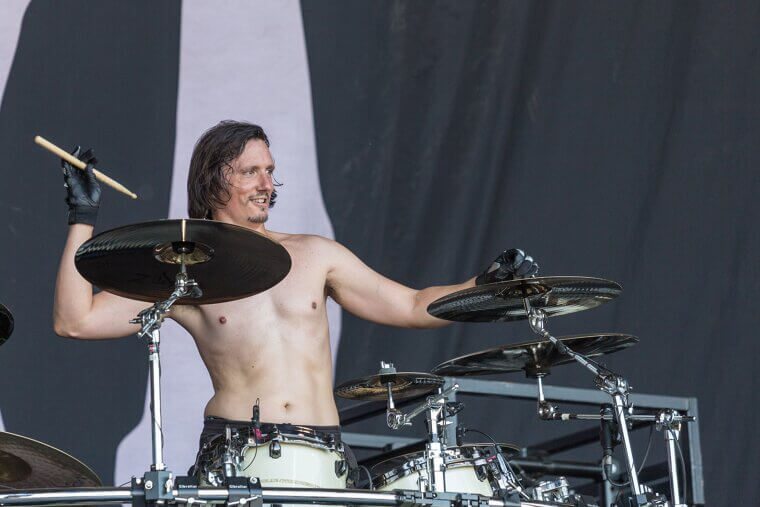
Many contemporary critics consider him to be one of the most inventive and tasteful players active today. He proves that brutality and beauty can coexist peacefully within the same heavy composition.
Brann Dailor, Mastodon, Infusing Jazz Fills Into Heavy Sludge
Brann Dailor revolutionized heavy rock by incorporating rapid-fire, jazz-inspired fills into thick, sludgy guitar riffs. His playing style is exceptionally busy, yet it somehow never distracts from the core melody of the music. Instead of keeping a standard backbeat, he treats his kit like a lead instrument, constantly weaving intricate patterns around the vocals. His clean singing abilities further highlight his immense talent, as he manages to belt out complex harmonies while executing demanding polyrhythms. This multitasking prowess has elevated his group from underground favorites to award-winning mainstays of the modern rock era.
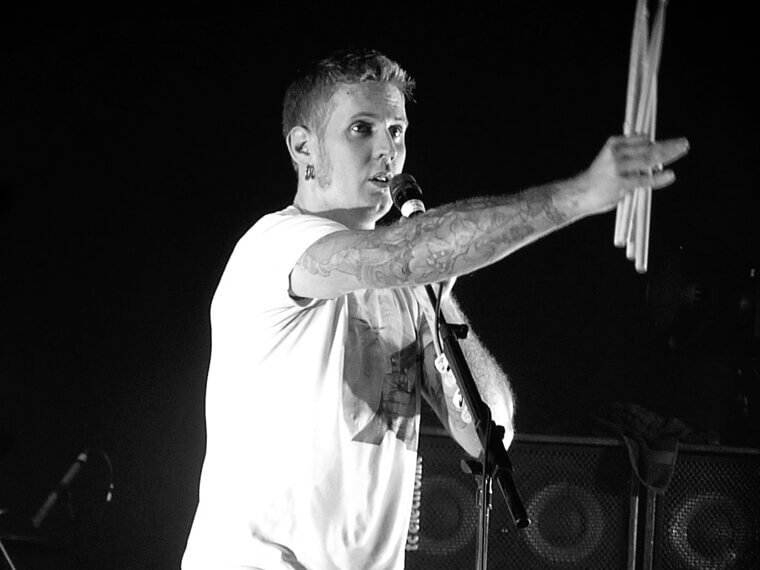
His distinct approach honors the legacy of classic 1970s progressive rock while injecting fresh, aggressive energy. He consistently demonstrates that heavy music drums do not have to be repetitive or predictable.
Gene Hoglan, Death, Earning the Nickname The Atomic Clock
Gene Hoglan earned a well-deserved reputation as the human metronome due to his flawless timing and extreme precision. He has served as a reliable rhythm engine for numerous iconic bands, seamlessly adapting to various styles of thrash and death music. His ability to memorize complex arrangements quickly makes him the ultimate hired gun for touring and studio recordings. Despite his imposing physical stature, his playing is incredibly nuanced, featuring delicate ride cymbal work and intricate snare rudiments. He famously plays in heavy work boots, adding an extra layer of difficulty to his blistering foot speeds.
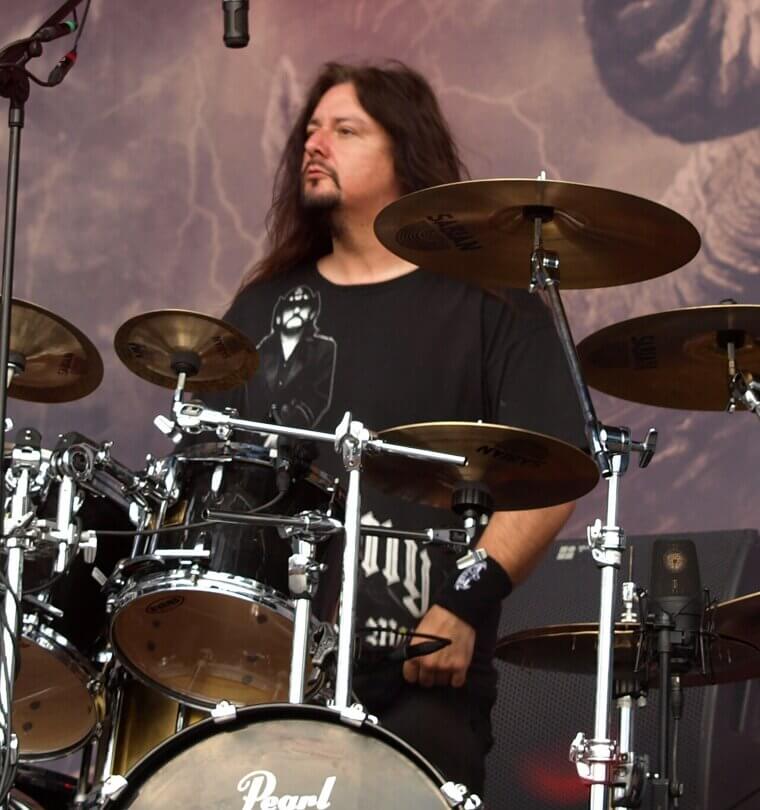
His instructional videos have guided thousands of aspiring players through the fundamentals of extreme metal techniques. His enduring career spans over three decades of consistent, high-quality rhythmic excellence.
Nicko McBrain, Iron Maiden, Delivering Relentless Single Bass Pedal Gallops
Nicko McBrain relies exclusively on a single bass drum pedal, achieving speeds that most players need two to accomplish. His signature galloping rhythm serves as the undeniable heartbeat for one of the most successful British heavy bands in history. He positions his toms at steep angles, creating a massive, melodic array that he utilizes for his famous, sweeping drum fills. His joyful demeanor and ever-present smile behind the kit stand in stark contrast to the dark imagery often associated with the genre. He brings an undeniably swinging, almost funky sensibility to traditional hard rock compositions.
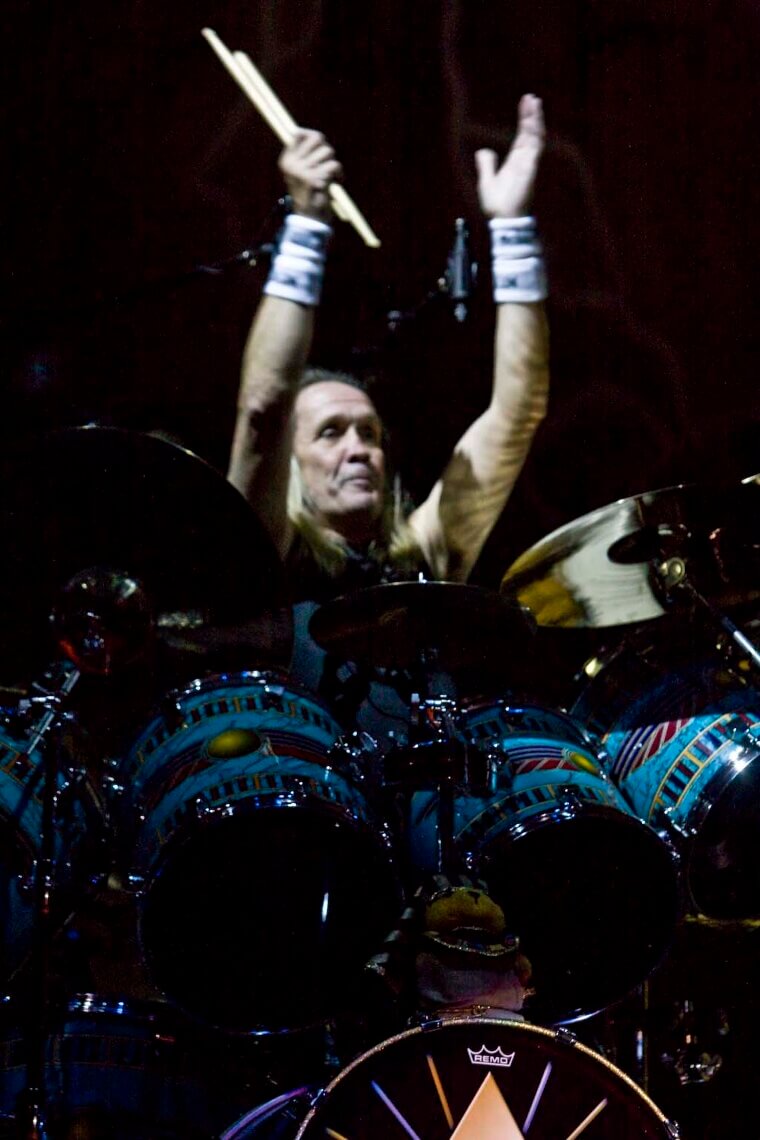
Refusing to adopt modern triggering technology, he maintains a warm, organic acoustic sound on every album. This dedication to traditional techniques has earned him widespread respect from purists around the globe.
Chris Adler, Lamb of God, Perfecting the Triplet Kick Drum Pattern
Chris Adler perfected a unique triplet-based kick drum technique that became the defining characteristic of his Virginian metal group. His intricate footwork dances around the syncopated guitar riffs, creating a locking mechanism that makes the music feel incredibly tight and focused. He draws heavy inspiration from acoustic jazz and funk, translating those syncopated grooves into an aggressive, modern metal context. The crisp, popping sound of his snare drum is instantly recognizable and has been widely imitated by modern producers. His disciplined, highly structured approach to songwriting ensures that every single beat serves a specific purpose.
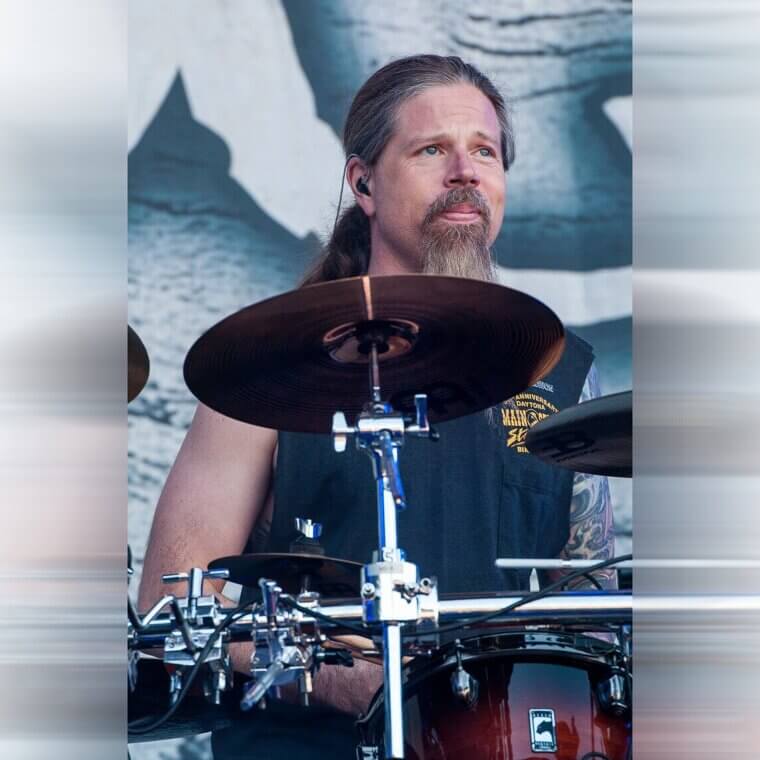
His brief but impactful stint playing for a legendary 1980s thrash band further showcased his immense versatility. He remains a pivotal figure in the evolution of modern American heavy music percussion.
Charlie Benante, Anthrax, Introducing the Blast Beat to Thrash
Charlie Benante is widely credited with bringing the frantic blast beat technique into the mainstream thrash metal consciousness. His rapid-fire snare hits on classic mid-1980s recordings shocked listeners who had never experienced such unrelenting percussive speed before. As a principal songwriter and graphic designer for his iconic New York band, his creative influence extends far beyond the drum stool. He seamlessly blends punk rock aggression with traditional heavy metal showmanship, resulting in a highly energetic and infectious playing style. His meticulous attention to detail ensures that the rhythm section always remains punchy, clear, and driving.
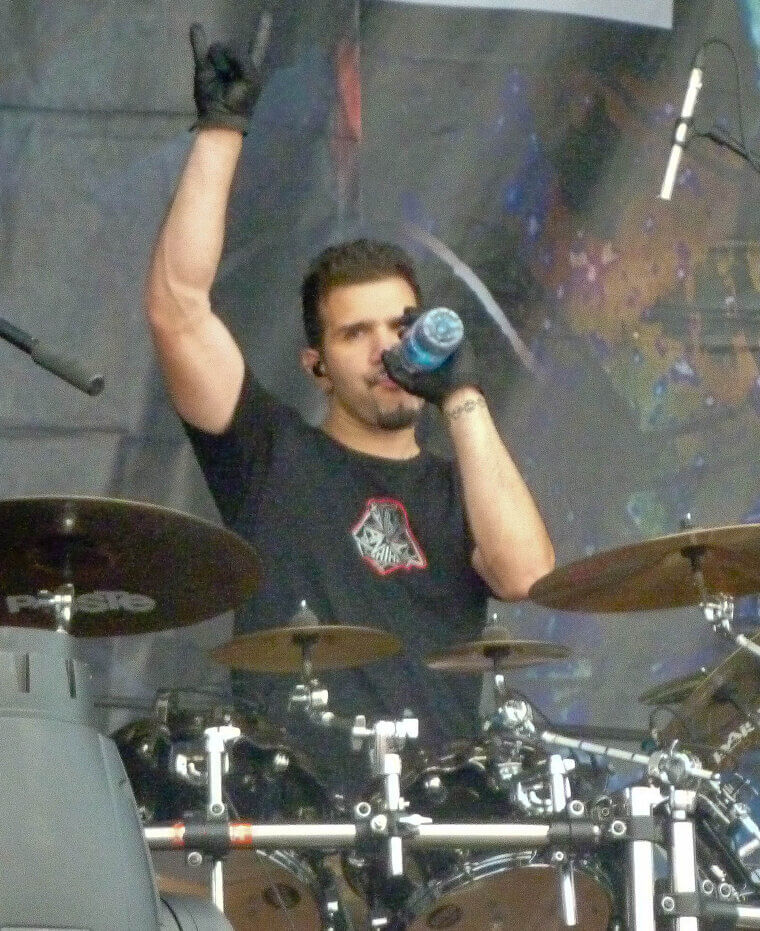
He also possesses impressive guitar skills, often writing the primary riffs for his group's biggest hits. This multi-instrumental talent grants him a deeper understanding of musical arrangement and structural dynamics.
Bill Ward, Black Sabbath, Laying the Original Doom Metal Blueprint
Bill Ward provided the crucial, swinging jazz foundation that allowed the very first doom metal riffs to take flight. His loose, improvisational style perfectly complemented the dark, blues-based guitar work of his legendary bandmates during the early 1970s. He utilized dynamics masterfully, transitioning from gentle, whispering cymbal taps to thunderous, chaotic drum smashes in a matter of seconds. Instead of simply keeping time, he engaged in constant musical conversations with the bass guitar, creating a rich, textured rhythm section. His raw, unpolished recordings captured a primal energy that countless modern doom and stoner bands attempt to recreate.
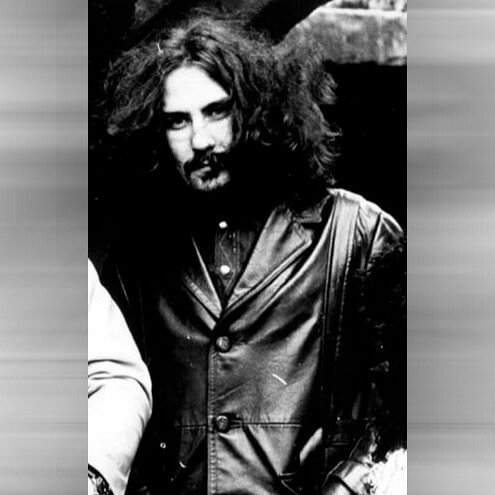
Health issues unfortunately curtailed his involvement in recent reunion tours, much to the dismay of loyal fans. Nevertheless, his original studio performances remain essential listening for anyone studying the origins of heavy music.
George Kollias, Nile, Setting New Standards for Extreme Metal Speed
George Kollias pushed the physical boundaries of extreme metal percussion to seemingly impossible extremes with his historical death metal band. He developed a highly specialized foot technique that allows him to sustain rapid single-stroke rolls for extended periods without fatigue. His instructional materials are considered required reading for anyone attempting to master modern blast beats and high-speed double bass. He approaches the drum kit with an almost athletic discipline, dedicating countless hours to practicing endurance and muscle memory. The sheer density of notes he plays within a single measure is staggering, yet he maintains absolute clarity.
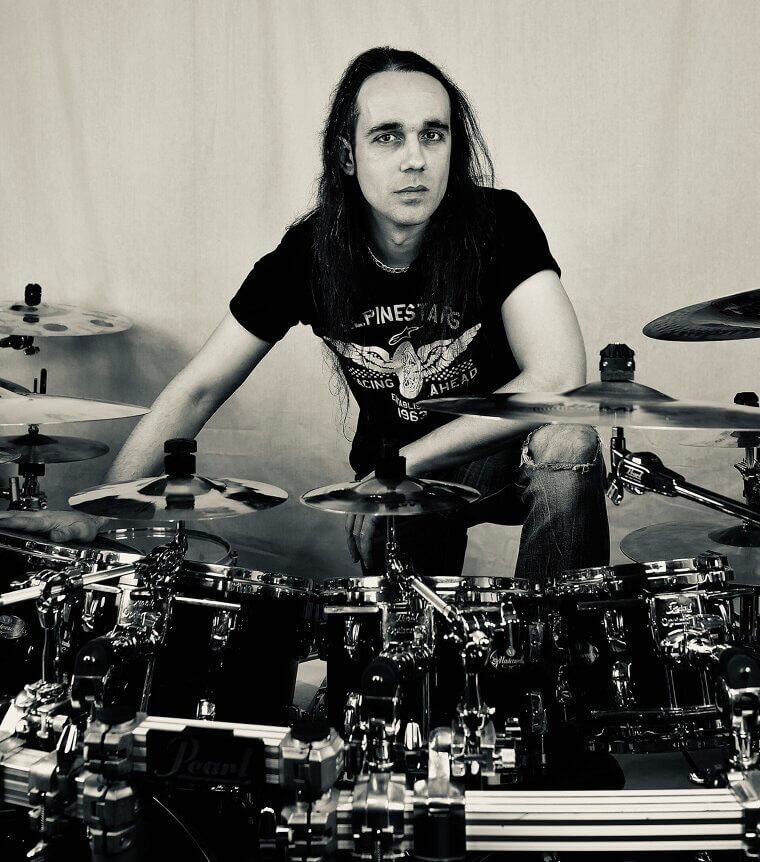
His ability to incorporate traditional Middle Eastern rhythms into a hyper-aggressive context adds a unique flavor. He has successfully elevated the technical standards of the entire underground death metal scene.
Igor Cavalera, Sepultura, Fusing Tribal Rhythms With Thrash Aggression
Igor Cavalera introduced the world to the devastating power of blending indigenous Brazilian rhythms with aggressive thrash metal. His tribal-infused tom beats on seminal 1990s albums created an entirely new rhythmic vocabulary for heavy music. He favors a raw, visceral approach, often striking his drums with immense force to extract maximum volume and resonance. The mid-tempo groove he helped pioneer heavily influenced the subsequent nu-metal movement that dominated the commercial rock charts. His playing emphasizes emotion and cultural heritage over sterile technical perfection, resonating deeply with audiences on a primal level.
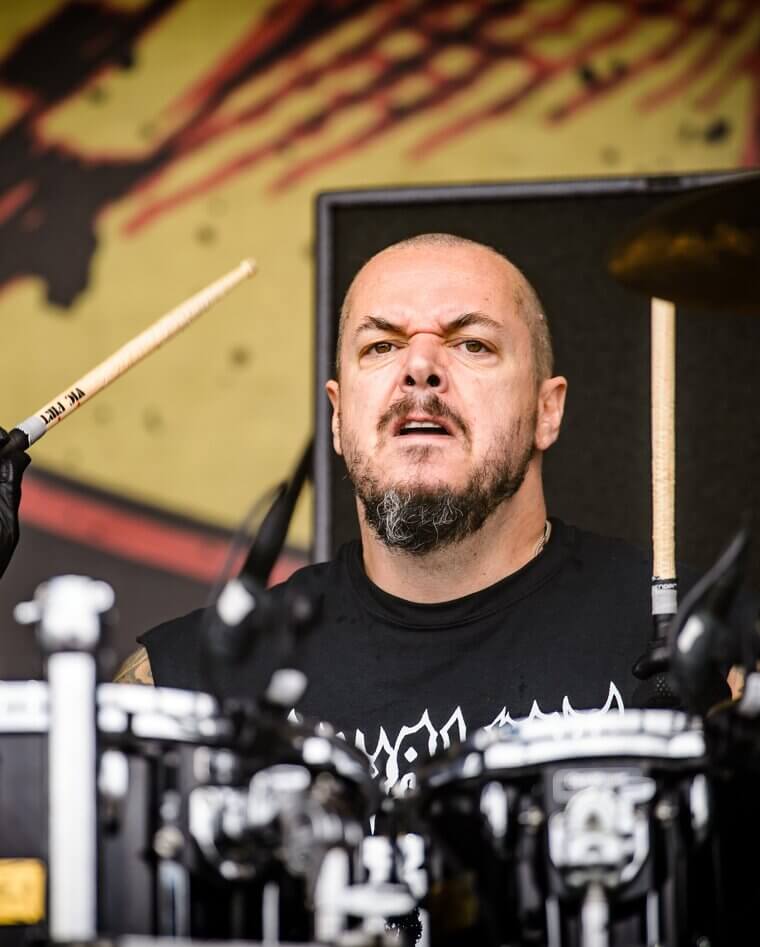
He eventually reunited with his brother to form new musical projects, continuing their legendary rhythmic partnership. His distinctive tribal flair remains one of the most recognizable drumming styles in the world.
Clive Burr, Iron Maiden, Providing the Early Punk Energy of the Band
Clive Burr supplied a frantic, punk-infused energy that propelled his legendary British heavy metal band to international stardom. His driving rhythms on their first three studio albums established a frantic pace that defined the New Wave of British Heavy Metal. He possessed a fantastic sense of swing, making complex, fast-paced arrangements feel incredibly danceable and accessible. His tasteful use of the hi-hat and ride cymbal added a brilliant sheen to the gritty, distorted guitar harmonies. Many fans consider his departure from the group to mark the end of their most visceral, aggressive musical era.
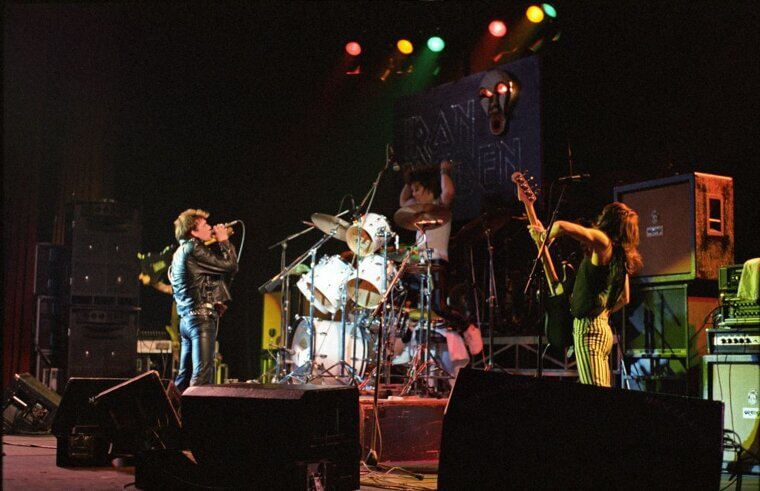
He tragically passed away after a long battle with multiple sclerosis, leaving behind a massive musical legacy. His early recordings remain a benchmark for energetic, passionate hard rock percussion.
Paul Bostaph, Exodus, Maintaining Technical Precision Under Immense Pressure
Paul Bostaph successfully navigated the immense pressure of replacing a beloved founding member in one of thrash metal's biggest bands. He brought a highly refined, technical precision to the group, tightening up their live performances considerably during the 1990s. His stamina is legendary, allowing him to execute relentless, high-speed patterns flawlessly night after night on gruelling world tours. He seamlessly integrates complex fill patterns without ever losing the fundamental, driving pulse of the aggressive music. His work with multiple high-profile thrash outfits demonstrates his versatility and reliability within the demanding extreme music industry.
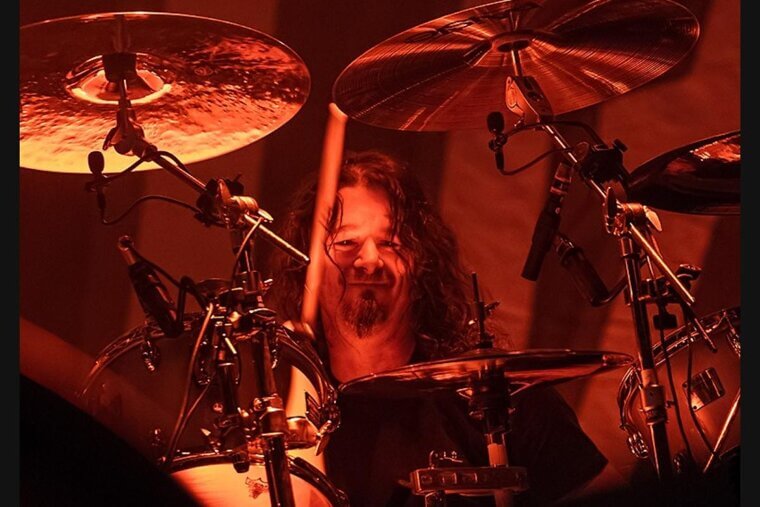
He has repeatedly returned to his most famous gig, proving his indispensable value to the group's sound. His crisp, powerful snare tone is a hallmark of modern thrash production.
Gar Samuelson, Megadeth, Blending Jazz Fusion With Early Speed Metal
Gar Samuelson injected a sophisticated jazz fusion sensibility into the chaotic world of early Los Angeles speed metal. His unconventional background allowed him to approach aggressive guitar riffs from entirely unexpected rhythmic angles, creating a highly unique sonic blend. He frequently employed complex syncopation and ghost notes, adding a layer of musicality rarely seen in the mid-1980s thrash scene. His fluid, relaxed posture behind the kit masked the intense speed and complexity of his groundbreaking performances. He helped elevate his famous band from a noisy club act to a respected force in technical musicianship.
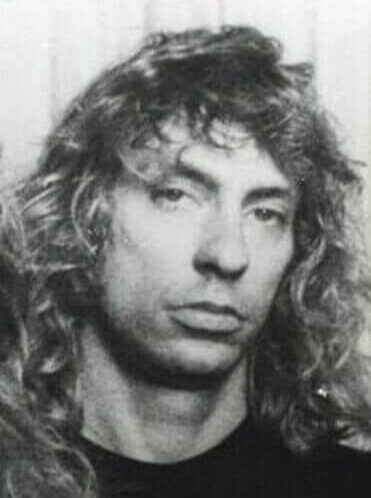
His untimely death in the late 1990s robbed the music world of a truly innovative percussive mind. His foundational recordings continue to inspire drummers seeking to merge different musical genres.
Nick Menza, Megadeth, Driving the Classic 1990s Thrash Era
Nick Menza provided the definitive rhythmic foundation for the most commercially successful era of his legendary thrash metal group. His powerful, straightforward playing style perfectly anchored the increasingly complex and melodic guitar work of the early 1990s. He possessed a fantastic visual flair, utilizing massive, custom-built drum racks that became a staple of MTV music videos. His rock-solid meter and dynamic control made him the ideal stadium drummer, projecting immense energy to the very back rows of the arena. He frequently incorporated subtle latin and funk influences into his fills, showcasing a broad musical vocabulary.
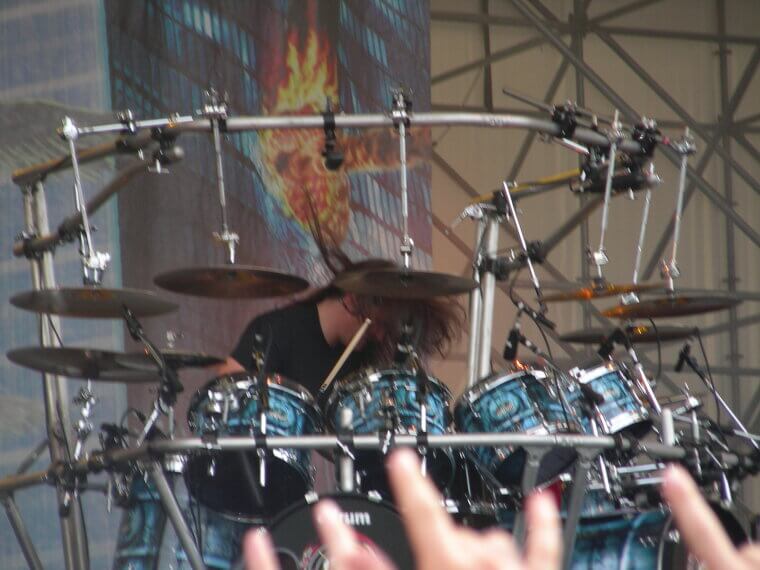
He tragically collapsed and passed away while performing on stage with a different project in 2016. The classic albums he recorded remain some of the highest-selling metal records of all time.
Vinnie Appice, Dio, Creating Heavy Pounding Hard Rock Anthems
Vinnie Appice is responsible for crafting some of the heaviest, most pounding rhythms in classic hard rock history. He favors massive, oversized drums that produce a thunderous, room-shaking tone, perfectly complementing epic, fantasy-themed lyrical content. His deliberate, heavy-handed approach creates a sense of immense weight and grandeur, defining the classic 1980s doom-laden sound. He prefers to play slightly behind the beat, generating a tense, sludgy groove that keeps audiences on the edge of their seats. His tasteful restraint ensures that the soaring vocals and melodic guitar solos always take center stage.
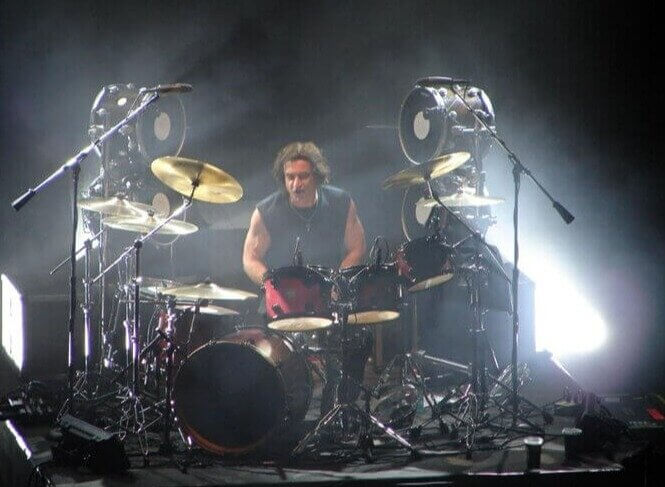
He has collaborated with some of the most iconic vocalists in the business, proving his adaptable nature. His powerful simplicity stands as a stark contrast to the overcomplicated nature of modern metal.
Pete Sandoval, Morbid Angel, Perfecting the Death Metal Blast Beat
Pete Sandoval is universally recognized as the godfather of the modern death metal blast beat technique. He famously transitioned from a grindcore background, bringing unprecedented speed and ferocity to his legendary Florida-based band. He was reportedly the first extreme metal drummer to utilize electronic triggers on his kick drums to ensure clarity at blistering tempos. His relentless, chaotic rolls create a suffocating wall of sound that perfectly matches the dark, occult-themed atmosphere of the music. The sheer physical exertion required to execute his signature style paved the way for generations of extreme percussionists.
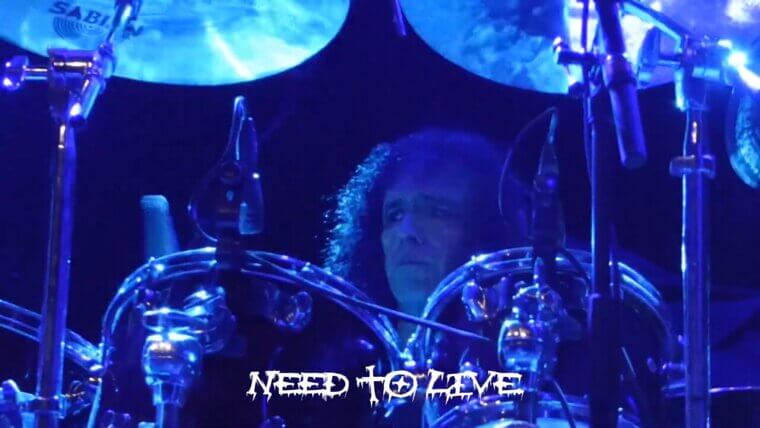
A severe back injury temporarily forced him to step away from his primary musical commitments. Thankfully, he has since recovered and continues to perform, cementing his status as an underground legend.
Jan Axel Blomberg, Mayhem, Shaping the Sound of Norwegian Black Metal
Jan Axel Blomberg, famously known by his stage name Hellhammer, shaped the frigid, relentless sound of the Norwegian black metal scene. His clinical, highly precise blasts provided the icy foundation for some of the most controversial and influential albums of the 1990s. He frequently incorporates complex progressive elements into his playing, elevating the musicality of a genre often dismissed as primitive noise. His ability to maintain blinding speeds while executing intricate cymbal work sets him apart from his peers in the Scandinavian extreme scene. He has served as a prolific session musician, recording with dozens of high-profile bands across Europe.
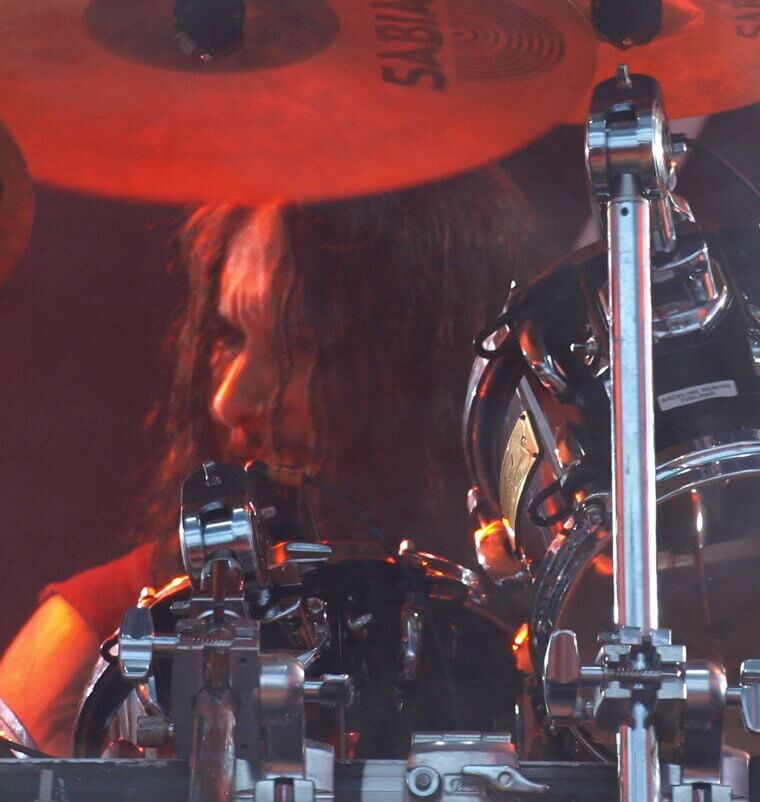
His controversial past associations have often overshadowed his undeniable technical brilliance behind the drum kit. Regardless, his musical contributions remain absolutely vital to the history of European extreme metal.
Kjetil-Vidar Haraldstad, Satyricon, Adapting Black Metal for Larger Arenas
Kjetil-Vidar Haraldstad, operating under the moniker Frost, adapted the raw chaos of early black metal for massive festival stages. His playing is incredibly physical, relying on sheer brute force to propel the dark, atmospheric riffs of his primary musical project. He has a unique talent for creating hypnotic, trance-like rhythms that build immense tension before erupting into violent sonic crescendos. His dedication to the extreme lifestyle is well documented, often pushing his body to the absolute limit during grueling recording sessions. He helped popularize a more polished, groove-oriented approach to a genre previously known for terrible production values.
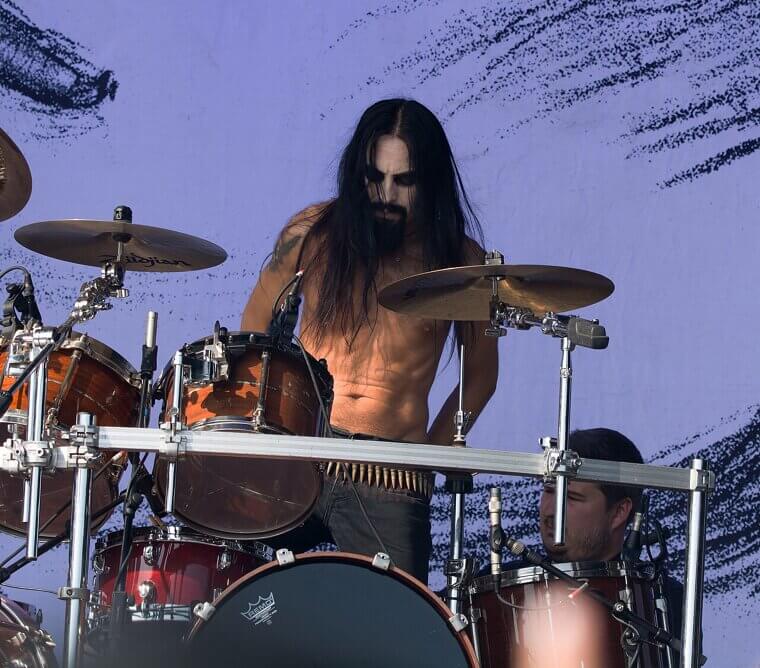
Due to strict visa issues, he frequently had to utilize talented fill-in drummers for North American tours. However, his studio recordings remain the definitive blueprint for modern black roll percussion.
Martin Lopez, Opeth, Mixing Latin Grooves With Progressive Death Metal
Martin Lopez masterfully blended progressive death metal aggression with smooth, swaying Latin jazz grooves during his tenure in Sweden. His highly dynamic approach allowed his band to seamlessly transition from serene acoustic passages to terrifyingly heavy death metal riffs. He heavily utilized ghost notes and intricate hi-hat patterns to create a sense of constant, bubbling motion beneath the main melody. His refusal to rely on standard blast beats made his aggressive playing sound entirely unique within the European metal community. He brought a sense of romanticism and emotional depth to a musical style usually focused on morbidity.
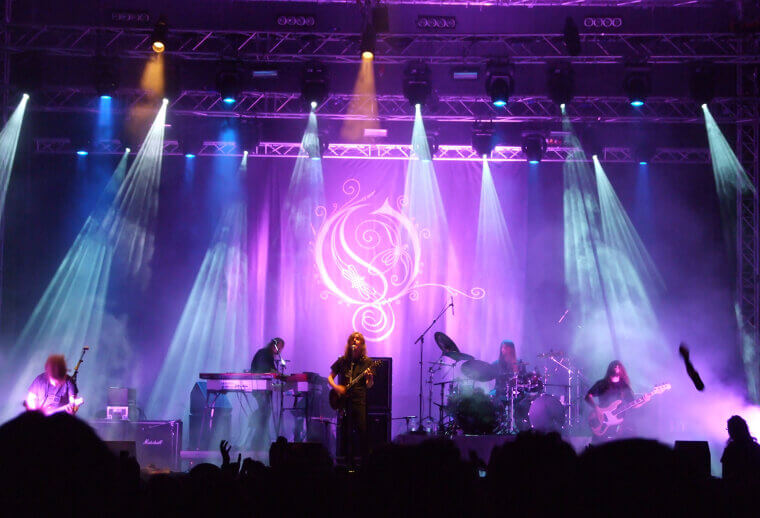
He eventually departed his most famous band due to struggles with severe anxiety and panic attacks. He later formed a highly successful progressive rock group, continuing to explore his diverse musical heritage.
Richard Christy, Death, Adding Complex Syncopation to Technical Metal
Richard Christy added a layer of dazzling, complex syncopation to the final era of a legendary pioneering death metal band. His playing style is exceptionally busy and chaotic, featuring constant time signature changes and unpredictable rhythmic shifts. He possesses a highly distinctive, almost splashy cymbal tone that became a hallmark of late 1990s technical metal production. His fearless approach to arrangement helped push the boundaries of what was considered acceptable within the rigid confines of the genre. He flawlessly executed incredibly demanding compositions, earning the immense respect of the band's visionary, late founding frontman.
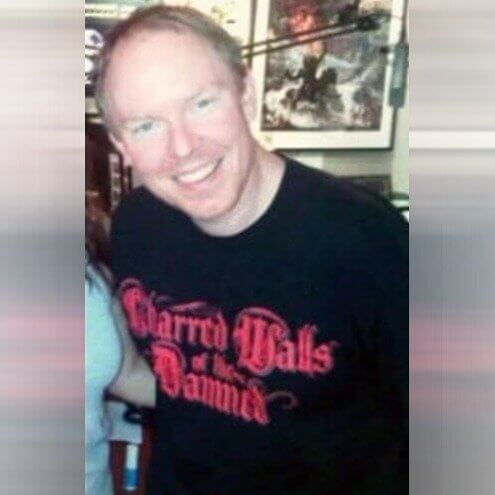
He subsequently transitioned into a highly successful career in mainstream radio broadcasting and comedy. Despite his comedic endeavors, extreme music purists still revere his groundbreaking percussive contributions.
Scott Travis, Judas Priest, Rejuvenating Classic Heavy Metal in the 1990s
Scott Travis rejuvenated a struggling classic heavy metal institution by injecting a massive dose of modern speed and power. His iconic, blazing drum intro on a legendary 1990 title track announced to the world that traditional metal was not dead. He possesses incredibly fast hands, allowing him to execute lightning-quick snare fills that sound like a machine gun firing. His tall, imposing posture gives him immense leverage, resulting in a punishing, incredibly loud acoustic drum tone. He smoothly bridged the gap between 1980s glam theatrics and the aggressive thrash movement of the ensuing decade.
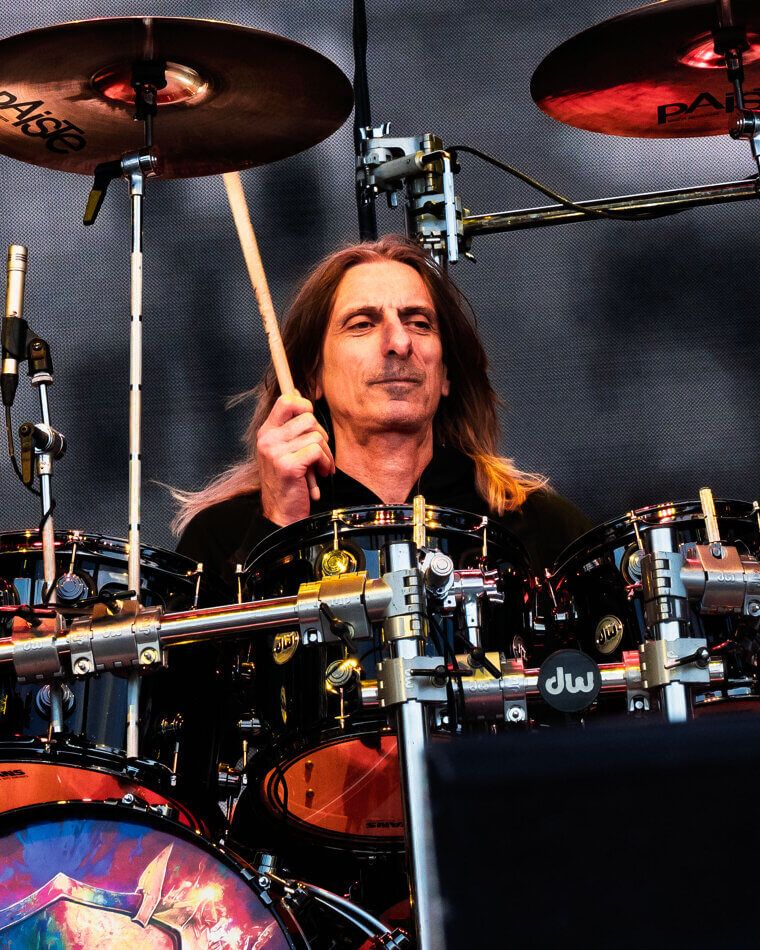
He remains a loyal and consistent rhythmic anchor for the legendary British group to this day. His energetic performances continue to thrill multiple generations of leather-clad heavy metal enthusiasts.
Shannon Lucas, The Black Dahlia Murder, Defining Modern Melodic Death Metal Percussion
Shannon Lucas defined the hyper-polished, technically flawless sound of modern melodic death metal during the 2000s. His playing is characterized by absolute perfection, with every single note landing exactly on the intended grid with robotic precision. He popularized the use of heel-toe double bass techniques, allowing him to achieve sustained speeds previously thought physically impossible. His incredibly tight, punchy drum tones became the gold standard for modern metal producers striving for maximum sonic clarity. He heavily influenced the rising metalcore scene, proving that extreme drumming could be incredibly catchy and accessible to younger audiences.
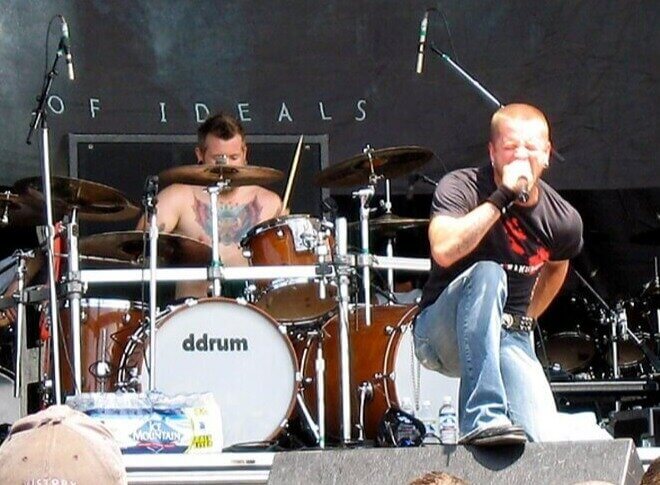
He surprisingly stepped away from full-time touring to focus on a quieter life outside the music industry. His relatively brief but brilliant discography continues to inspire countless teenage percussionists today.
Sean Reinert, Cynic, Pioneering the Death Jazz Fusion Movement
Sean Reinert bravely pioneered the death jazz fusion movement, introducing startling complexity to the underground Florida music scene. His playing on a seminal 1991 technical death metal album completely shattered the preconceived rules of heavy music percussion. He utilized electronic drum pads and unconventional percussion instruments to create a spacey, otherworldly atmosphere that baffled closed-minded purists. His fluid, graceful movements around the kit resembled a classical dancer rather than an aggressive heavy metal musician. He courageously advocated for representation in the famously conservative heavy music community, paving the way for future artists.
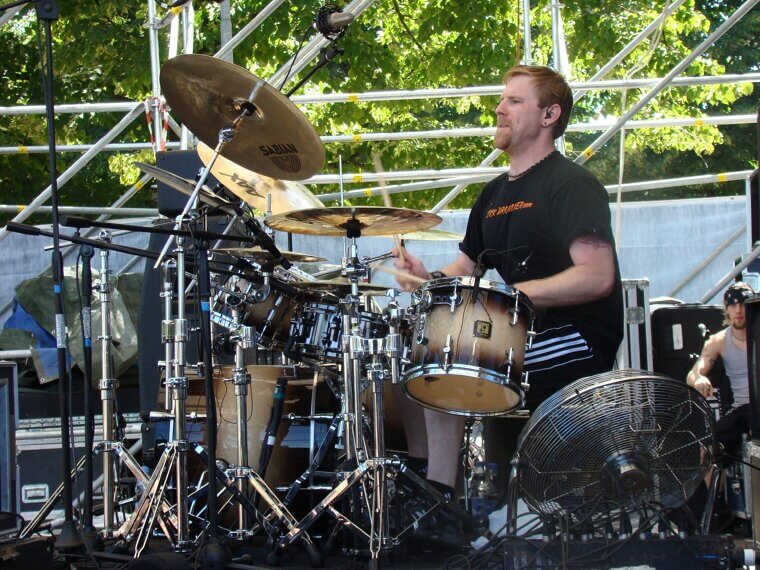
His sudden and unexpected passing in 2020 sent shockwaves of grief throughout the progressive music world. His visionary approach to rhythm fundamentally altered the trajectory of modern technical musicianship.
Dirk Verbeuren, Soilwork, Advancing the Melodic Death Metal Beat
Dirk Verbeuren advanced the melodic death metal beat by incorporating extreme grindcore speeds into highly catchy, accessible song structures. His signature blasting technique involves a highly specialized grip and posture that maximizes efficiency and minimizes physical fatigue. He is an incredibly prolific session player, having recorded pristine drum tracks for dozens of bands across a wide variety of genres. His cheerful, positive attitude makes him a beloved figure in the global metal community, and an absolute joy to work with in the studio. He smoothly transitioned into a permanent role with a legendary American thrash band.
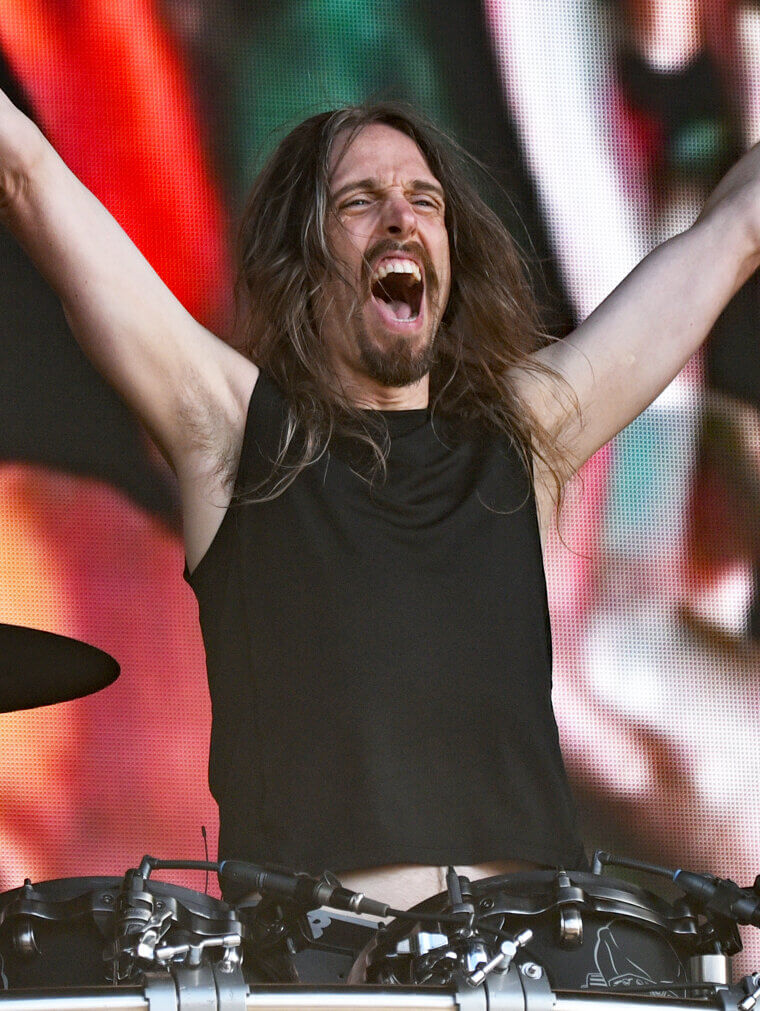
He respects the classic drum parts of his predecessors while subtly injecting his own modern flair. His instructional online courses provide invaluable insight into the mechanics of extreme speed.
Mikkey Dee, Motorhead, Keeping the Fast and Loose Rock Spirit Alive
Mikkey Dee kept the fast, loose, and incredibly loud spirit of rock and roll alive for decades behind the kit. His energetic, swinging style provided the ultimate backing for the gritty, distorted bass lines of his iconic British frontman. He plays with reckless abandon, frequently tossing his sticks into the air and engaging with the audience during extended solos. Despite the chaotic nature of the music, his internal timing remains impeccable, driving the band forward like an unstoppable freight train. He possesses a massive, booming drum tone that perfectly matches the aggressive volume of the legendary power trio.
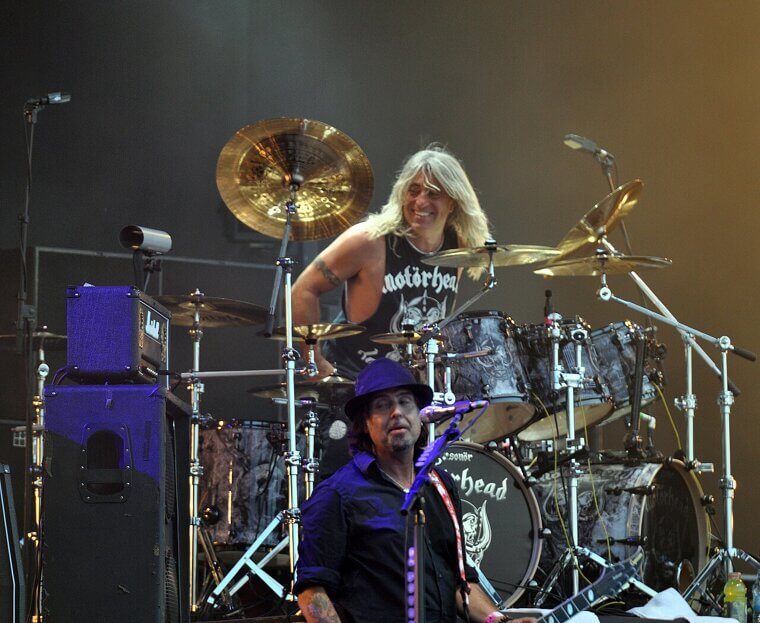
Following the death of his famous bandmate, he seamlessly joined another massive European rock institution. His enduring stamina and infectious enthusiasm make him a true survivor of the classic rock era.
Ray Luzier, Korn, Injecting Fresh Energy Into Nu Metal
Ray Luzier injected a much-needed shot of fresh, technical energy into the pioneering nu-metal band during a critical transitional period. His extensive background as a session musician allowed him to bring a highly disciplined, professional approach to the notoriously chaotic group. He utilizes a massive, visually stunning drum kit, incorporating numerous auxiliary percussion items to replicate complex studio samples in a live setting. His playing is incredibly heavy, yet he maintains a distinct, bouncing groove that encourages the audience to move and jump. He seamlessly blends traditional hard rock sensibilities with modern electronic influences.
He has proven to be a stabilizing force for the band, participating in their most critically acclaimed recent releases. His energetic live solos are a massive highlight of their current stadium tours.
Matt Halpern, Periphery, Driving the Modern Technical Metalcore Sound
Matt Halpern drives the modern technical metalcore sound with his incredibly complex, polyrhythmic approach to heavy groove. His playing style heavily emphasizes the snare drum and cymbals, creating a bright, cutting tone that slices through down-tuned, extended-range guitars. He frequently utilizes displaced backbeats, purposefully throwing the listener off balance before resolving the tension with a massive, synchronized breakdown. His deep understanding of music theory allows him to navigate bizarre time signatures with a relaxed, almost effortless demeanor. He is highly active in the educational community, sharing his vast knowledge through interactive drum clinics worldwide.
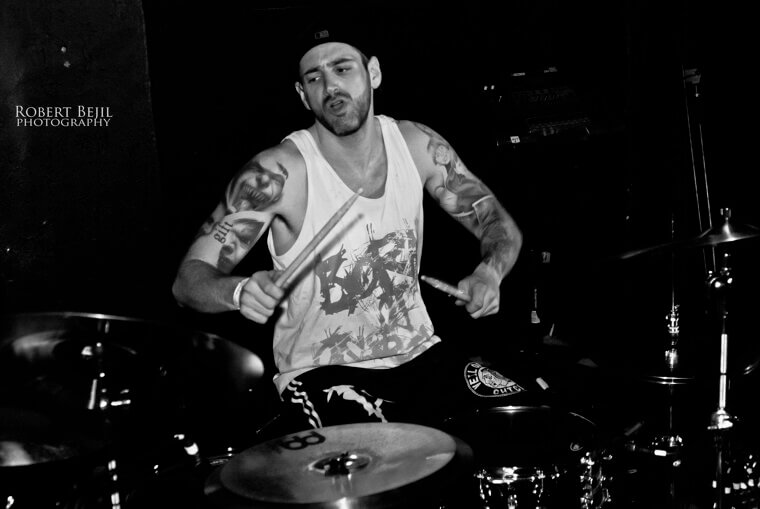
His innovative software company also provides high-quality drum samples for modern bedroom producers. He continues to push the boundaries of what is rhythmically possible within the digital age of music.
Eloy Casagrande, Sepultura, Bringing Modern Power to Classic Grooves
Eloy Casagrande brings an astonishing level of modern power and youthful aggression to classic, established heavy metal grooves. His playing is intensely physical, often appearing as though he is trying to punch completely through his drumheads with every strike. He seamlessly integrated his native Brazilian rhythmic influences into the established sound of a legendary thrash metal institution. His blinding speed and flawless technique quickly earned him a reputation as one of the most formidable young talents in the industry. He possesses a unique ability to make incredibly complex, odd-metered fills sound remarkably catchy and musical.
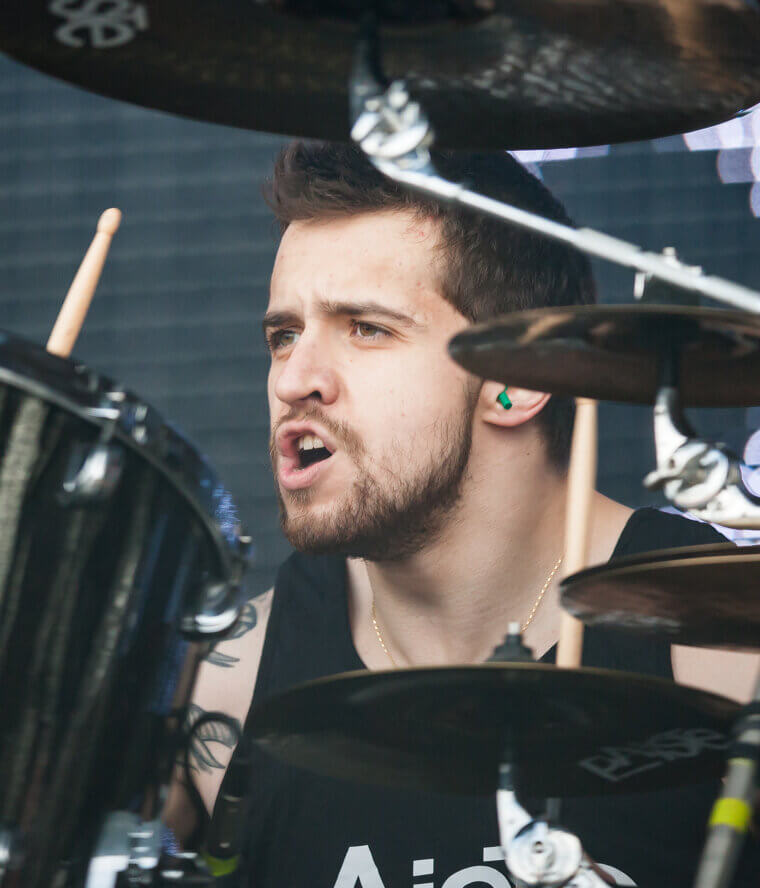
He recently shocked the music world by abruptly switching bands to join a massive masked American metal juggernaut. Fans eagerly anticipate the aggressive energy he will bring to their upcoming studio recordings.
Jay Weinberg, Slipknot, Revitalizing the Masked Metal Juggernaut
Jay Weinberg successfully revitalized a massive masked metal juggernaut by honoring their past while injecting his own furious energy. Growing up as a massive fan of the group, he intimately understood the crucial emotional and rhythmic elements required for the job. His playing is characterized by rapid, frantic fills and a punishing, relentless double bass assault that never lets up. He proved his versatility by navigating the band's transition from sheer, unadulterated chaos to more structured, melodic, and atmospheric compositions. His intense physical dedication to the grueling tour schedule helped the band maintain their reputation as a ferocious live act.
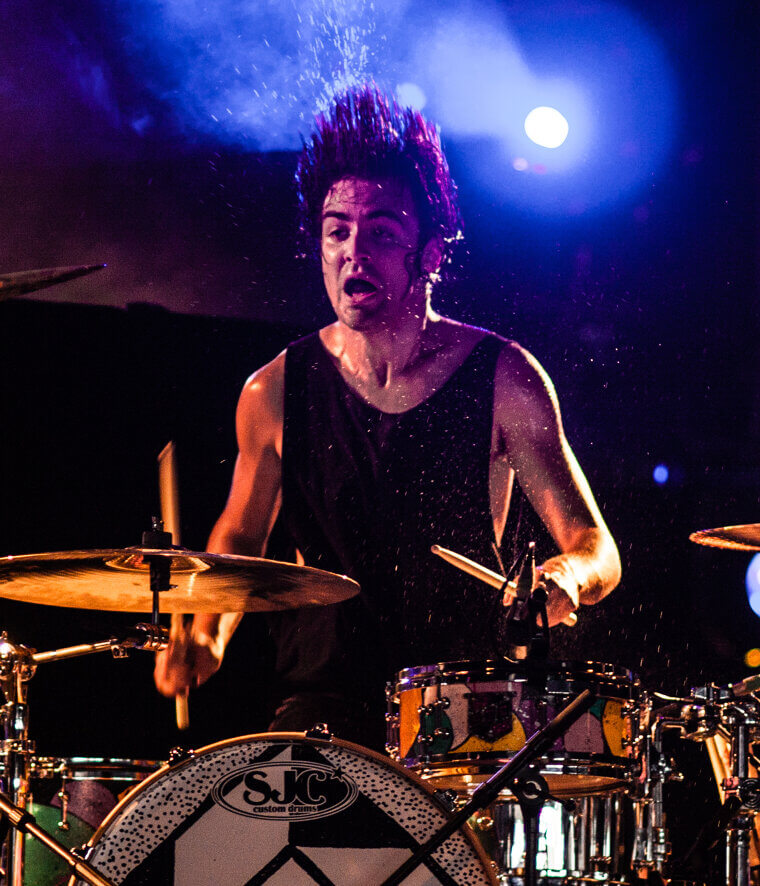
Despite his unexpected departure from the group, his highly praised studio contributions will stand the test of time. He quickly rebounded by joining a legendary crossover thrash pioneer, continuing his aggressive musical journey.