
Welcome to the wild world of rock history, where legendary line-ups can shatter in an instant. From scandalous firings to tragic departures, these unforgettable roster shifts changed music forever. Ready to dive into the chaos?
Black Sabbath parts ways with Ozzy Osbourne and brings in Ronnie James Dio after unreliable behavior threatened the band's future.
The pioneering metal group reached a severe breaking point during the late 1970s due to ongoing internal conflicts and highly unpredictable actions from their iconic lead singer. Ozzy Osbourne was reportedly missing crucial rehearsals and demonstrating a concerning lack of focus, which severely delayed the recording process for their next album. The remaining members felt they had no other viable option but to implement a drastic change to salvage their deteriorating careers.
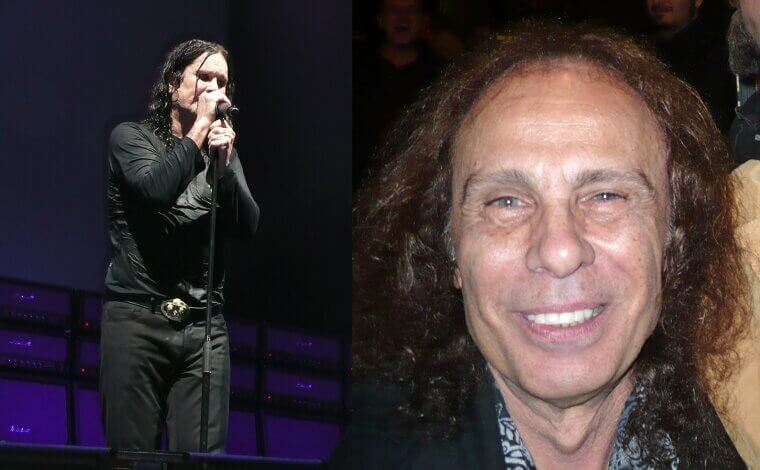
They enlisted former Rainbow vocalist Ronnie James Dio, who immediately injected a fresh dynamic into the struggling group. Dio offered a soaring, operatic vocal delivery and a lyrical focus centering around medieval themes, presenting a sharp contrast to his predecessor's distinctive wail. Fans expressed initial skepticism regarding this monumental shift, but the resulting record proved to be a massive commercial success, effectively solidifying a brand new era.
Iron Maiden dismisses Paul Di'Anno and recruits Bruce Dickinson, catapulting the group to global stadium status.
During their formative years, the British heavy metal legends were fronted by a gritty, punk-influenced vocalist who helped establish their raw initial sound. However, Paul Di'Anno reportedly struggled heavily with the grueling demands of constant international touring and allegedly exhibited erratic habits that greatly concerned the management team. Seeking a frontman capable of handling massive stage productions and demanding vocal melodies, the founders made the difficult choice to seek a replacement.
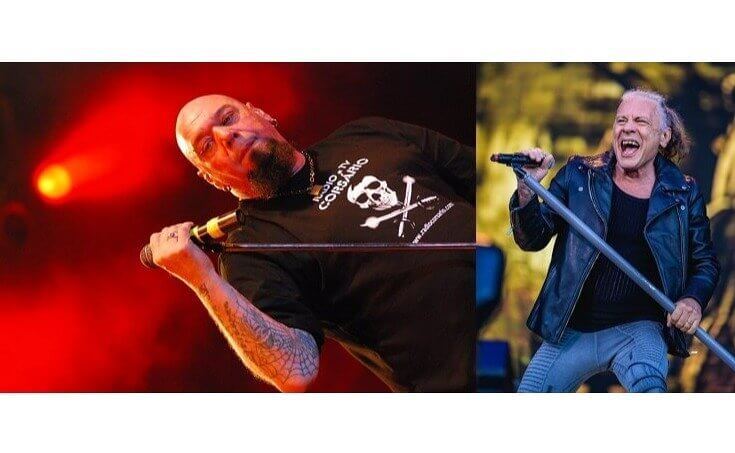
They auditioned Bruce Dickinson from Samson, bringing him aboard for his phenomenal range and commanding stage presence. This specific transition produced their most legendary album, transforming their career trajectory overnight. Audiences embraced the incoming singer almost instantly, praising his theatrical delivery and immense stamina. This pivotal swap transformed a fast-rising club act into a global stadium phenomenon that continues to pack arenas today.
Iron Maiden replaces Bruce Dickinson with Blaze Bayley following an unexpected solo departure that shocked the fanbase.
After over a decade of tremendous worldwide success and sold-out arena tours, the renowned frontman decided to step away to focus on solo projects and alternative career paths. His departure left a gaping void, prompting a highly publicized search for a suitable successor who could tackle the extensive back catalog. The group eventually selected Blaze Bayley from Wolfsbane, aiming for a slightly different, more baritone-focused vocal approach for their next chapter.
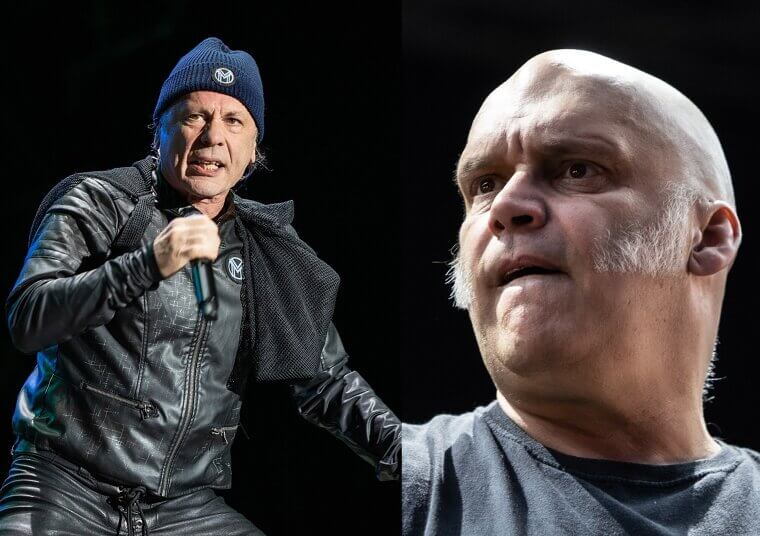
The transition proved remarkably challenging, as many loyal listeners struggled to accept anyone else holding the iconic microphone. Bayley recorded two studio albums during his tenure, facing intense scrutiny and frequent comparisons to his predecessor from critics and concertgoers alike. Despite bringing a darker, moodier edge to the material, the era remains heavily debated among rock enthusiasts, ultimately ending when Dickinson returned years later.
AC/DC taps Brian Johnson to succeed Bon Scott following a heartbreaking tragedy that nearly ended the band.
Following a breakthrough international tour, the Australian rock titans faced an unimaginable catastrophe when their charismatic frontman suddenly passed away in 1980. The surviving members seriously considered disbanding, feeling that continuing without their signature voice would be impossible. However, encouraged by the late singer's family, they decided to honor his legacy by forging ahead. They brought in Geordie vocalist Brian Johnson, whose powerful, raspy scream fit their high-energy sound perfectly.
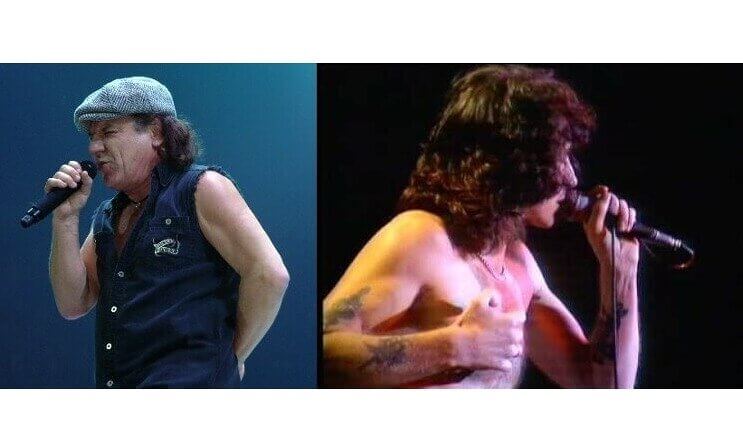
The newly formed lineup quickly recorded a tribute album that resonated with grieving fans across the globe. Listeners respected the resilience shown by the musicians, embracing the raw emotion poured into the new tracks. This release became one of the highest-selling albums of all time, proving that the group could successfully honor their past while dominating the future of hard rock.
Van Halen swaps David Lee Roth for Sammy Hagar after massive ego clashes derailed the original lineup.
Tensions within the legendary party rock outfit reached a boiling point following their most commercially successful tour, culminating in a bitter split with their flamboyant lead singer. Clashing egos and diverging musical visions reportedly fractured the core relationships, leading to a highly publicized and acrimonious parting of ways. Seeking a fresh start, the guitarist enlisted seasoned solo artist Sammy Hagar, shifting the band toward a more synthesizer-heavy and melodically complex direction.
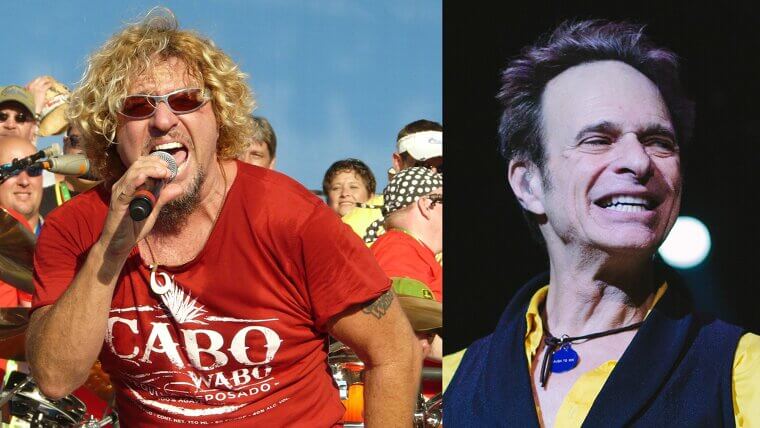
The decision polarized the fanbase, with purists longing for the raw energy of the original era, while new supporters gravitated toward the polished radio-friendly anthems. Nicknamed 'Van Hagar' by critics, this iteration achieved four consecutive chart-topping albums. The vocal transition highlighted a distinct maturation in their songwriting, proving they could sustain massive popularity even after losing their primary visual focal point.
Van Halen brings in Gary Cherone to replace Sammy Hagar amidst simmering management disputes and creative burnout.
After a decade of monumental chart success, the second era of the legendary rock group collapsed under the weight of alleged management disputes and interpersonal friction. The sudden exit of their energetic frontman left the brothers searching for a third voice to lead their evolving sound. They recruited Extreme vocalist Gary Cherone, hoping his versatile range and theatrical background would mesh seamlessly with their aggressive guitar riffs. Unfortunately, the resulting studio album failed to capture the magic of previous releases, suffering from a muddled production and disjointed songwriting.
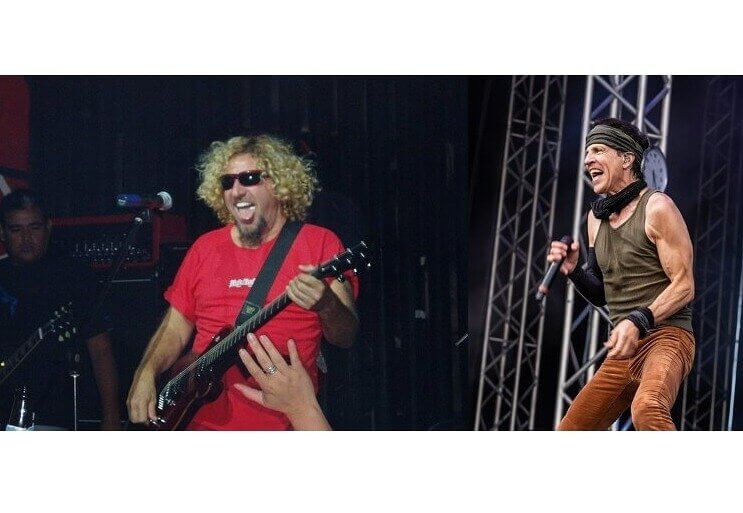
Fans rejected the new material, leading to disappointing record sales and poorly attended tour dates. The ill-fated collaboration lasted for just one album cycle before an amicable split occurred. This brief chapter remains a fascinating anomaly in the extensive catalog of the renowned rock institution.
Metallica fires Dave Mustaine and hires Kirk Hammett right before recording their debut album due to erratic conduct.
Just weeks prior to entering the studio to record their debut full-length album, the pioneering thrash metal outfit made a ruthless decision regarding their lead guitarist. The original member was reportedly exhibiting highly erratic conduct and engaging in constant physical altercations with his bandmates, creating an unsustainable working environment. The founders unceremoniously dismissed him, packing his gear and sending him home on a cross-country bus ride. They immediately recruited Exodus guitarist Kirk Hammett, who scrambled to learn the complex material just days before tracking began.
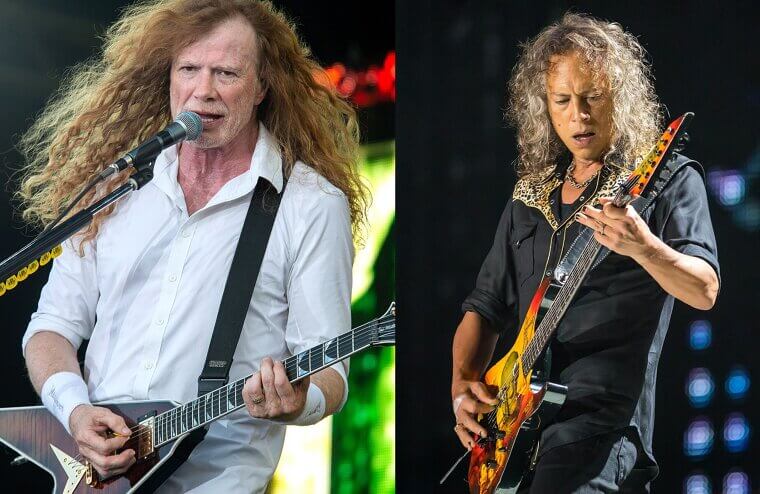
Hammett brought a slightly more melodic and technically precise soloing approach, which helped define the group's signature sound. The ousted musician channeled his intense anger into forming a rival band, sparking a legendary decades-long rivalry that ultimately pushed both factions to achieve incredible heights in the heavy music scene.
Metallica welcomes Jason Newsted after the devastating loss of Cliff Burton in a tragic tour bus accident.
The heavy metal community was plunged into mourning when a horrific vehicular accident claimed the life of the band's visionary bass player during a European tour. The remaining members were understandably shattered, struggling to cope with the sudden loss of their primary musical compass. Encouraged by the deceased musician's family, they decided to continue, holding rigorous auditions to find someone who could handle their aggressive tempos. Flotsam and Jetsam bassist Jason Newsted was selected, bringing a relentless picking style and boundless onstage energy to the grieving group.
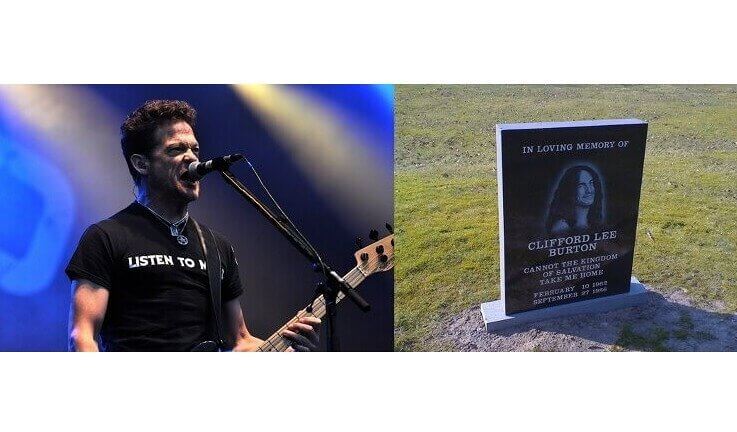
He faced immense hazing from his new colleagues, who allegedly channeled their unaddressed grief into mistreating the newest addition. Despite the hostile internal environment, Newsted remained a dedicated driving force for over a decade, helping the outfit achieve unprecedented mainstream dominance during the 1990s.
Metallica Enlists Robert Trujillo to Replace Jason Newsted Following Arguments Over Side Projects and Physical Exhaustion.
Years of relentless touring and internal communication breakdowns culminated in the surprising departure of the group's long-serving bassist at the dawn of the new millennium. The breaking point reportedly centered around management refusing to allow the musician to pursue external creative projects during a scheduled hiatus. His exit coincided with a tumultuous period documented in a revealing feature film, showcasing the remaining members seeking professional therapy to resolve deep-seated resentments.

After a lengthy audition process, they hired former Suicidal Tendencies bassist Robert Trujillo, who brought a formidable finger-picking technique and a calming demeanor to the fractured camp. Trujillo's infectious enthusiasm and phenomenal musicianship provided much-needed stability, helping to mend broken relationships. His arrival marked the beginning of a revitalized era, allowing the veteran act to continue touring globally with renewed vigor and camaraderie.
Megadeth hires Al Pitrelli to replace Marty Friedman after shifting musical directions caused an insurmountable rift.
Throughout the 1990s, the thrash metal giants benefited from the exotic phrasing and virtuosic lead playing of their celebrated guitarist, resulting in several multi-platinum releases. However, as the main songwriter pushed for a more accessible, radio-friendly rock sound, creative tensions began to surface. The lead guitarist reportedly felt creatively stifled, yearning to explore alternative musical avenues rather than simplifying his complex playing style. Following his amicable departure, the band enlisted former Savatage axeman Al Pitrelli to fill the vacant position.
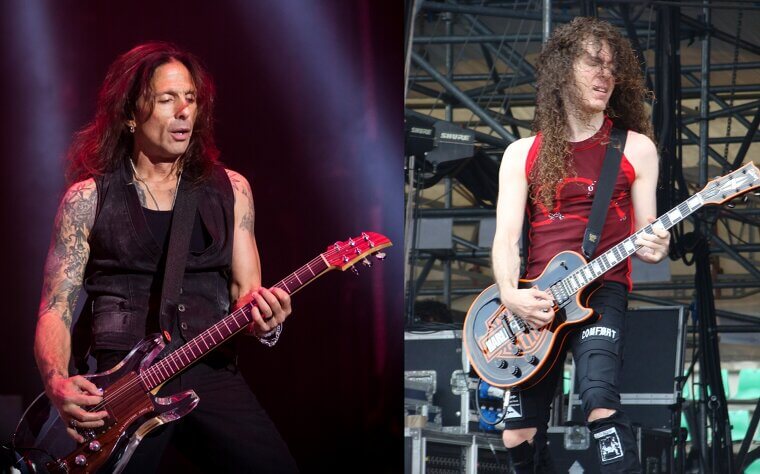
Pitrelli brought a wealth of experience and a more traditional hard rock sensibility to the lineup. Fans noticed the distinct shift in soloing styles, with the new material lacking the eastern-influenced flair of the previous era. The revised lineup toured extensively, delivering a solid album before internal restructuring led to further roster adjustments down the line.
Megadeth Brings in James LoMenzo to Succeed David Ellefson After Bitter Contractual Disagreements Fracture a Historic Partnership.
The foundation of the iconic thrash group was severely shaken when a fierce legal dispute erupted between the two founding members over royalties and publishing rights. The sudden severing of this long-standing partnership shocked longtime listeners, as the bassist had been a crucial constant through numerous chaotic roster iterations. Seeking a seasoned professional to anchor the rhythm section, the frontman recruited veteran musician James LoMenzo, known for his work with White Lion and Black Label Society.
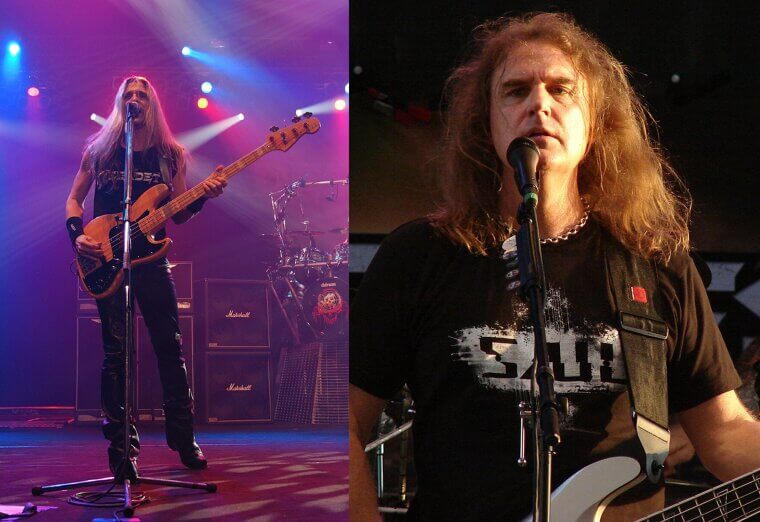
LoMenzo seamlessly integrated into the demanding live show, providing rock-solid backing vocals and an aggressive finger-style technique. Audiences appreciated his energetic stage presence and flawless execution of complex classic tracks. While the absence of the original co-founder was deeply felt, the new addition ensured the touring machine never skipped a beat during a critical transitional phase.
Guns N' Roses fires Steven Adler and recruits Matt Sorum when personal struggles hinder essential studio recording sessions.
The meteoric rise of the dangerous rock quintet hit a major stumbling block during the preliminary sessions for their highly anticipated sophomore double albums. The original drummer was allegedly battling severe personal demons, leaving him physically unable to perform his parts consistently in the recording studio. After numerous failed attempts to capture usable takes, the band made the painful decision to fire their childhood friend. They quickly brought in former Cult drummer Matt Sorum, who provided a much heavier, more methodical pounding style compared to his predecessor's loose, swing-influenced groove.
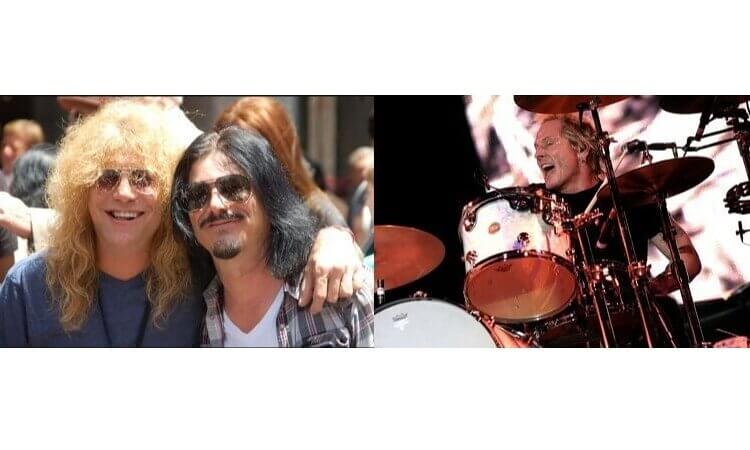
The transition fundamentally altered the rhythmic backbone of the group, resulting in a more polished and stadium-ready sound. While the new percussionist helped deliver massive global hits, purists still argue that the original rhythmic bounce was a vital ingredient that was permanently lost.
Guns N' Roses Taps Gilby Clarke to Replace Izzy Stradlin After Touring Chaos Prompts a Sudden Resignation.
At the absolute peak of their worldwide fame, the primary rhythmic architect and key songwriter for the legendary Los Angeles band decided he had endured enough. Exhausted by the perpetual drama, delayed concert start times, and volatile behavior of his peers, he abruptly quit mid-tour. The remaining members scrambled to find a suitable rhythm guitarist who could step onto a massive stadium stage with virtually no preparation. They recruited Gilby Clarke, who memorized a monumental setlist in a matter of days to save the multi-million dollar tour.
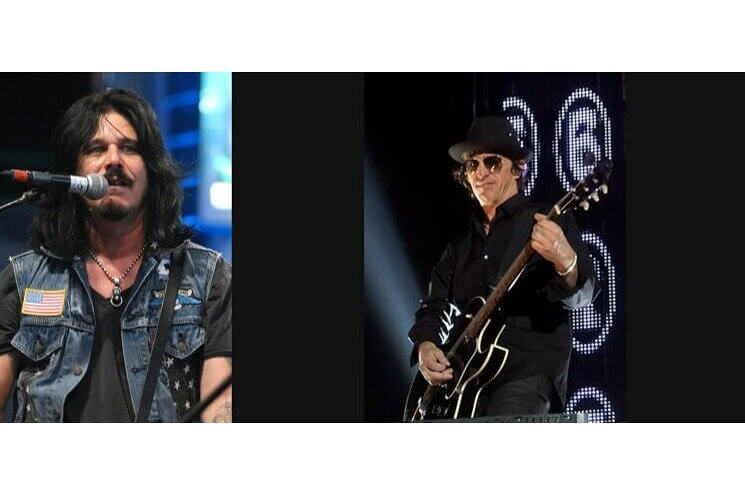
Clarke integrated smoothly, offering a steady, reliable presence amidst the swirling chaos of the legendary illusion tours. Fans accepted the new addition, recognizing his crucial role in keeping the live shows operational, even though the departing founder's songwriting genius was sorely missed on subsequent releases.
Judas Priest replaces Rob Halford with Tim Ripper Owens as the original singer pursues fresh musical avenues.
The metal god shocked the world when he announced his departure from the legendary British group to explore experimental solo projects and alternative genres. The remaining musicians spent several years searching for a vocalist who could replicate the incredible high-pitched screams required by their demanding back catalog. They discovered an American tribute band singer named Tim Ripper Owens, plucking him from obscurity and placing him in front of massive international crowds.
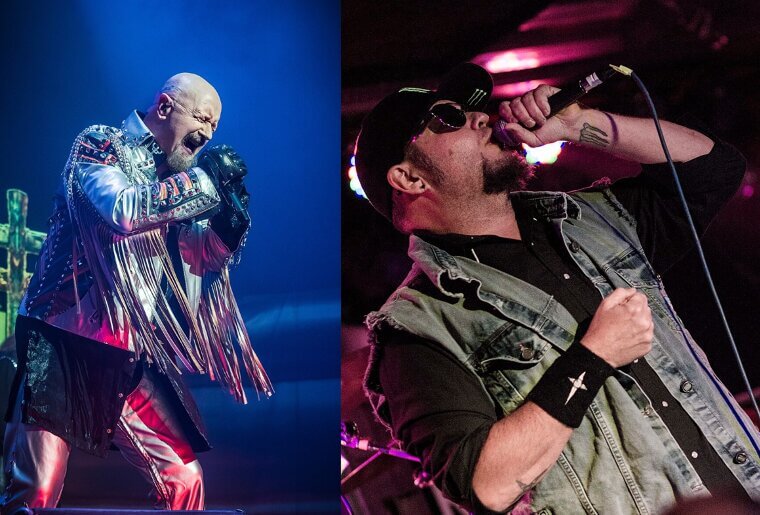
The surreal rags-to-riches story even inspired a Hollywood motion picture. Owens delivered staggering vocal performances on two aggressive studio albums, earning the respect of many skeptical attendees. However, the overarching shadow of the iconic original frontman proved impossible to escape. The era remains a fascinating experiment that showcased stellar musicianship, though it ultimately concluded when a much-anticipated classic lineup reunion occurred.
Motley Crue Swaps Vince Neil for John Corabi When Fading Enthusiasm and Racing Passions Cause a Messy Split.
As the grunge revolution altered the musical landscape, the notorious glam metal pioneers experienced a severe internal fracture regarding their future direction. Tensions boiled over during early rehearsal sessions, with the flamboyant frontman allegedly displaying a lack of commitment, preferring to focus on a budding professional racing career. The ensuing messy dismissal led the surviving trio to hire vocalist and guitarist John Corabi, fundamentally changing their sonic blueprint. Corabi brought a raspy, blues-drenched voice and a heavier rhythmic guitar presence, resulting in a dark, brooding self-titled album.
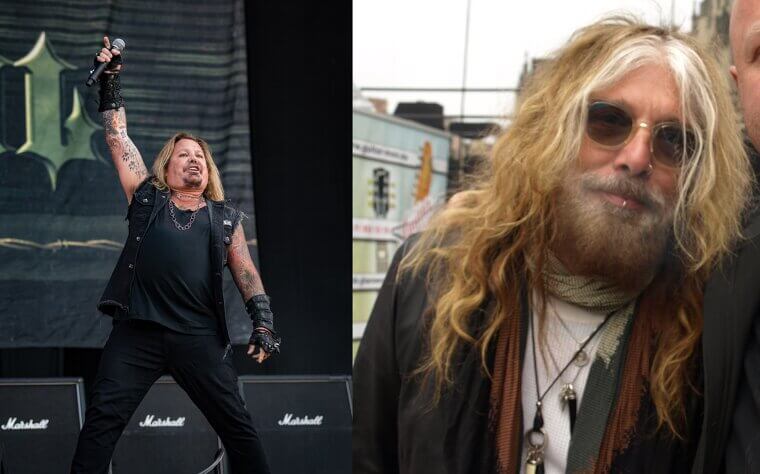
Critics praised the newfound musical maturity and lyrical depth, but mainstream audiences rejected the drastic departure from their established party anthems. The daring stylistic pivot proved commercially disastrous, forcing the group to eventually reconcile with their original singer to revive their stalling arena status.
Motley Crue recruits Randy Castillo to succeed Tommy Lee when the founding drummer desires alternative sonic explorations.
Following a highly successful reunion tour, the hyperactive founding drummer decided to step away from the established rock formula to pursue electronic music and rap-metal hybrid projects. His departure left a massive void in the rhythm section, forcing the remaining members to find a percussionist capable of delivering an authentic heavy groove. They hired veteran skin-basher Randy Castillo, famous for his extensive work with Ozzy Osbourne during the late 1980s.
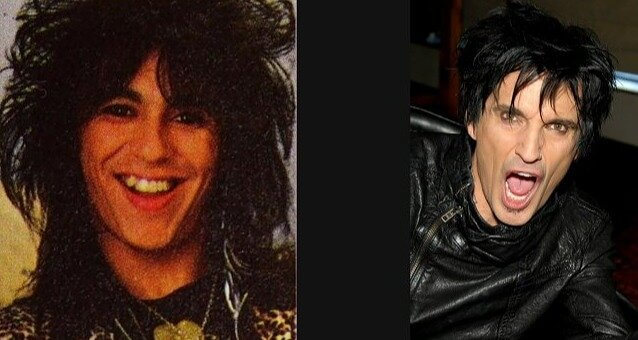
Castillo infused the new material with a sturdy, traditional hard rock feel, eschewing the flashy theatrics of his predecessor in favor of solid, driving beats. Tragically, his tenure was cut short by a sudden health crisis shortly after recording their new studio album. The brief collaboration serves as a poignant footnote in the band's chaotic history, highlighting Castillo's undeniable rhythmic prowess.
Pantera Hires Phil Anselmo to Replace Terry Glaze as the Group Pushes Aggressively Toward a Much Heavier Direction.
Before achieving legendary status as groove metal pioneers, the Texas-based quartet operated as a flamboyant glam rock outfit playing local clubs. Realizing the musical landscape was shifting towards a more aggressive sound, the talented brothers decided their polished original singer lacked the necessary ferocity for their evolving vision. They amicably parted ways and discovered a young, intense vocalist named Phil Anselmo from New Orleans. Anselmo brought a menacing stage presence, versatile vocal range, and a deep appreciation for extreme underground music.
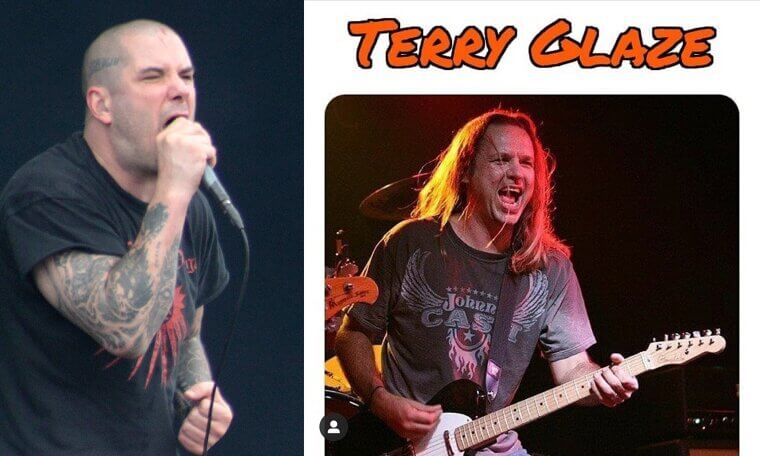
This vital lineup change was the catalyst for a monumental stylistic overhaul, abandoning spandex for a crushing, street-level aesthetic. The subsequent releases redefined modern metal, showcasing a savage interplay between the new singer's roaring delivery and the guitarist's legendary riffs, permanently altering the trajectory of heavy music globally.
Slipknot replaces Joey Jordison with Jay Weinberg after a mysterious medical condition forces a heartbreaking lineup shift.
The masked metal juggernaut suffered a devastating blow when they announced the unexpected departure of their foundational drummer and primary songwriter. For years, the exact circumstances remained shrouded in secrecy, until it was eventually revealed that a severe neurological condition had allegedly hindered his ability to perform physically. The group faced the daunting task of finding a percussionist who could match the blistering speed and complex polyrhythms that defined their chaotic sound.
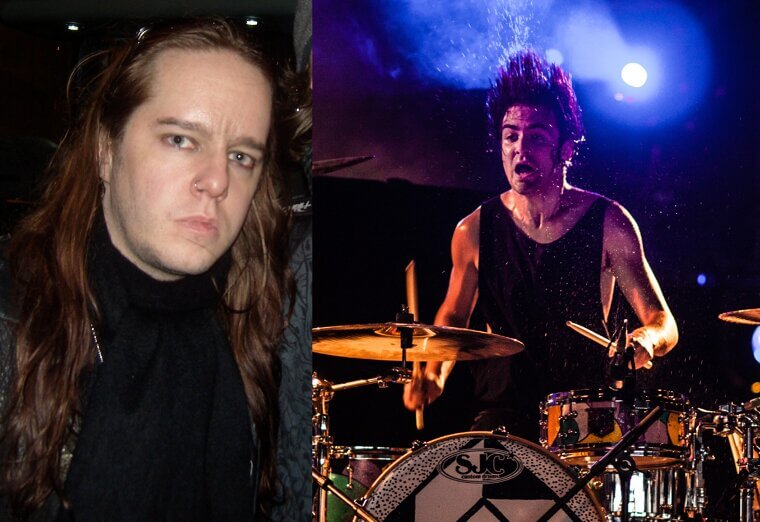
They secretly recruited Jay Weinberg, the son of a famous television drummer, who had grown up idolizing the band. Weinberg injected a frantic, youthful energy into the rhythm section, seamlessly tackling the incredibly demanding back catalog. Fans warmly embraced the mysterious new member, praising his technical proficiency and relentless stamina, ensuring the band remained a dominant force in modern metal.
Slipknot Brings in Alessandro Venturella to Succeed Paul Gray Following an Untimely Passing That Shattered the Collective.
The close-knit nine-member ensemble was paralyzed by grief following the tragic loss of their primary bassist and crucial creative visionary in 2010. The immense emotional toll stalled the band's progress for several years, as surviving members openly questioned whether they could continue without his vital songwriting contributions. Deciding to honor their fallen brother, they eventually returned to the studio and recruited British musician Alessandro Venturella to handle bass duties. Stepping into such an important role required immense courage, especially while wearing a newly designed mask to maintain the group's anonymous aesthetic.
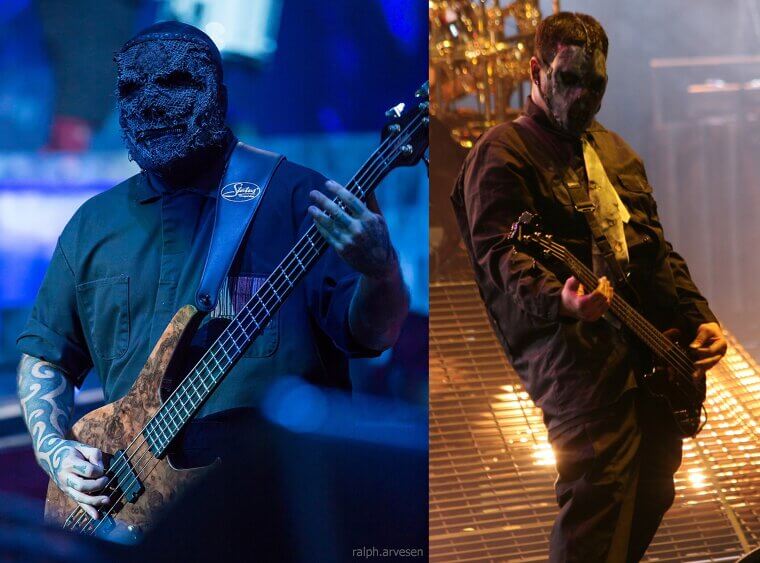
Venturella honored the established rhythmic foundations while subtly introducing his own intricate playing style. His respectful integration helped heal the fractured collective, allowing them to produce emotionally charged new music while paying continuous tribute to their missing founder on stage.
Deep Purple Fires Ian Gillan and Hires David Coverdale Due to Escalating Internal Friction and Vocal Cord Fatigue.
During the peak of their commercial prowess in the early 1970s, the renowned British rock pioneers were tearing themselves apart behind the scenes. Bitter personal disputes between the flamboyant frontman and the temperamental lead guitarist created a toxic atmosphere, culminating in the singer's resignation. Needing a powerful voice to maintain their momentum, the group famously recruited an unknown boutique clerk named David Coverdale after hearing a distorted audition tape. Coverdale possessed a rich, bluesy baritone that contrasted beautifully with the soaring high notes of the previous era.
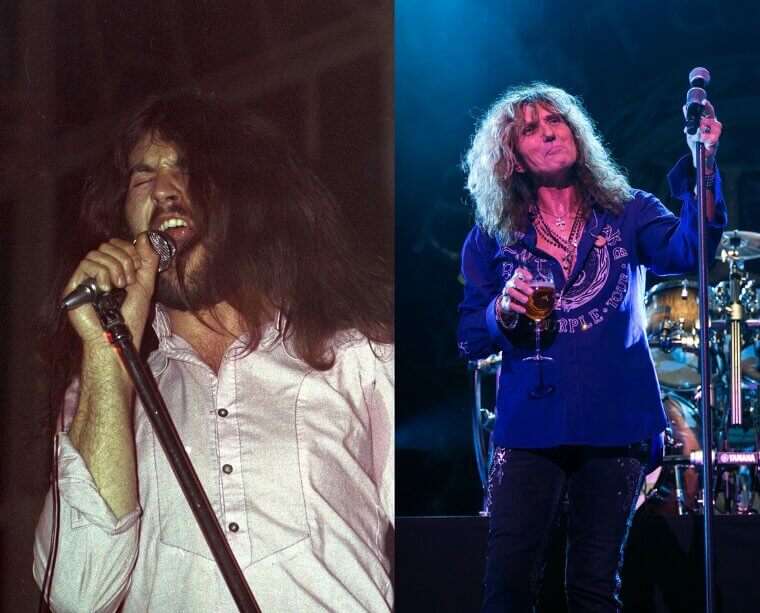
The restructured lineup introduced a funky, soul-infused groove to their heavy foundational sound, resulting in several phenomenal studio albums. The bold gamble paid off immensely, launching Coverdale's legendary career and proving the enduring resilience of the classic rock institution.
Deep Purple replaces Ritchie Blackmore with Tommy Bolin when disagreements over musical style prompt a sudden walkout.
As the band began incorporating deeper funk and soul elements into their compositions, the brilliant but notoriously difficult founding guitarist grew increasingly frustrated with the stylistic pivot. Believing they were straying too far from their aggressive hard rock roots, he abruptly quit to form his own medieval-themed project. The remaining members surprised critics by hiring young American prodigy Tommy Bolin, who brought a vibrant, jazz-fusion approach to the iconic riffs.
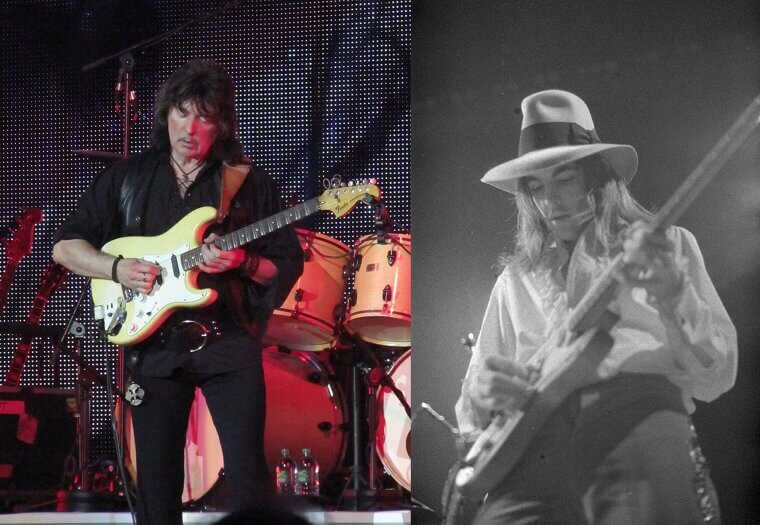
Bolin's fluid, experimental soloing injected a wildly different energy into the live performances, creating a fascinatingly diverse sonic landscape. Unfortunately, the guitarist allegedly battled severe personal demons, leading to wildly inconsistent concerts that damaged the group's stellar live reputation. This controversial era produced one incredibly unique studio album before tragically collapsing under the weight of internal chaos and mismanagement.
Sepultura Recruits Derrick Green to Replace Max Cavalera After a Management Conflict Involving His Wife Fractures the Brotherhood.
The pioneering Brazilian metal outfit reached global prominence before a devastating internal dispute tore the founding members apart. The conflict reportedly centered around the rest of the band demanding to replace their current manager, who also happened to be the frontman's wife. Refusing to compromise, the charismatic vocalist and main songwriter angrily walked away from the empire he helped build. Facing an uncertain future, the surviving trio auditioned numerous candidates before selecting American powerhouse Derrick Green.

Green brought an imposing physical presence and a commanding, hardcore-influenced vocal style to the tribal grooves. The transition was incredibly polarizing, with many lifelong supporters refusing to accept the new iteration without the founding brother. Nevertheless, the revised lineup persevered, carving out a distinct modern identity while touring relentlessly for over two decades.
Nightwish Dismisses Tarja Turunen and Hires Anette Olzon via a Highly Public Open Letter That Stuns the Metal Community.
The symphonic metal giants achieved massive international acclaim utilizing the soaring operatic vocals of their iconic leading lady. However, behind the scenes, communication breakdowns and differing priorities reportedly created an impassable gulf between the singer and the primary songwriter. In a highly dramatic move, the band handed the vocalist a dismissal letter immediately following a massive world tour finale, simultaneously publishing it online for the world to read. Following a lengthy global search, they recruited Swedish singer Anette Olzon, who offered a more pop-oriented, versatile theatrical voice.

The stylistic shift broadened their commercial appeal significantly, resulting in their highest-selling album to date. While traditionalist fans deeply missed the classical soprano elements, the bold roster change successfully propelled the ensemble into massive mainstream arenas across the globe.
Nightwish brings in Floor Jansen to succeed Anette Olzon following a mid-tour hospital emergency and a swift replacement.
The second iteration of the symphonic metal powerhouse faced a sudden crisis when their lead singer fell violently ill during an extensive North American tour. With a string of crucial dates pending, the band made the controversial decision to perform with guest vocalists rather than cancel, allegedly causing a fatal rift with their recovering frontwoman. The abrupt split forced the group to fly in Dutch powerhouse Floor Jansen with merely two days to learn a complex, multi-album setlist.

Jansen delivered a miraculous, career-defining performance, utilizing her incredible versatility to seamlessly blend operatic power with aggressive rock belting. Audiences were universally astounded by her commanding stage presence and flawless execution. The temporary substitution quickly became a permanent arrangement, ushering in a beloved era that perfectly encapsulated the band's diverse musical history.
Kiss Replaces Peter Criss With Eric Carr Due to Growing Unreliability and a Desire to Shift Musical Directions.
By the dawn of the 1980s, the iconic painted rock heroes were fracturing under the immense pressure of their own merchandising empire and evolving musical landscape. The founding drummer was allegedly struggling with immense personal demons and failing to deliver consistent studio performances, forcing the remaining members to utilize session musicians. Seeking reliability and a heavier percussive backbone, they officially dismissed the feline character and hired the talented Eric Carr.
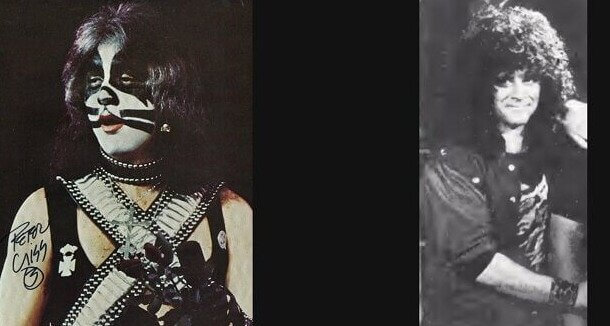
Adopting a brand new persona, Carr infused the struggling act with a thunderous, double-bass drumming style that modernized their aging sound. His infectious enthusiasm and genuinely kind demeanor quickly won over a highly skeptical fanbase. This crucial addition provided much-needed stability, helping navigate the turbulent unmasked era and ensuring the massive theatrical rock machine continued rolling forward.
Kiss taps Vinnie Vincent to succeed Ace Frehley as growing distance from the band's vision forces a major change.
The original extraterrestrial lead guitarist of the legendary makeup-clad quartet grew increasingly alienated as the group chased confusing pop-rock and conceptual trends in the early 1980s. Feeling creatively stifled and allegedly battling personal issues, he quietly stopped participating in recording sessions before officially departing. The founders brought in shredder Vinnie Vincent, who possessed a dazzling, highly technical playing style perfectly suited for the impending hair metal explosion. Vincent played a pivotal role in the songwriting process, helping craft aggressive anthems that saved the band's declining commercial fortunes.
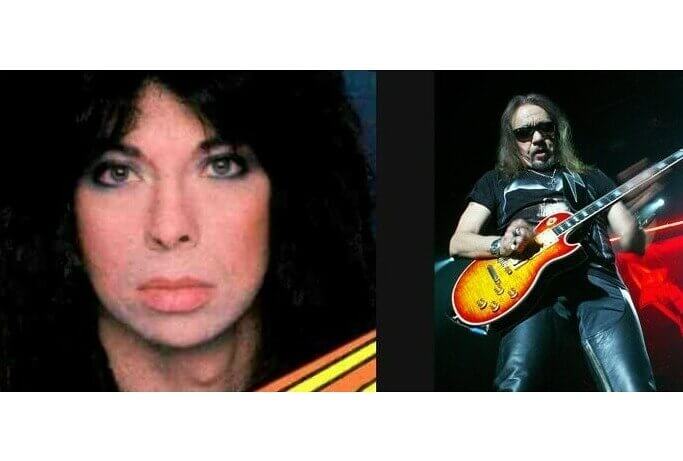
However, his tenure was remarkably short-lived due to ongoing contractual disputes and personality clashes with the founders. Despite the chaotic brevity of his involvement, his blistering fretwork and crucial compositional contributions remain an essential component of their historic catalog.
Dream Theater hires Mike Mangini to replace Mike Portnoy after a request for a band hiatus is strongly denied.
The progressive metal community was deeply shocked when the founding drummer and primary visionary announced his departure from the virtuosic quintet. Exhausted from a relentless cycle of writing, recording, and touring, he reportedly requested a lengthy hiatus to recharge creatively, which the remaining members refused. Unwilling to compromise their momentum, the group held a highly publicized, documentary-style audition process featuring seven of the world's greatest percussionists. They ultimately selected rhythmic savant Mike Mangini, who astounded them with his flawless sight-reading abilities and incredible limb independence.
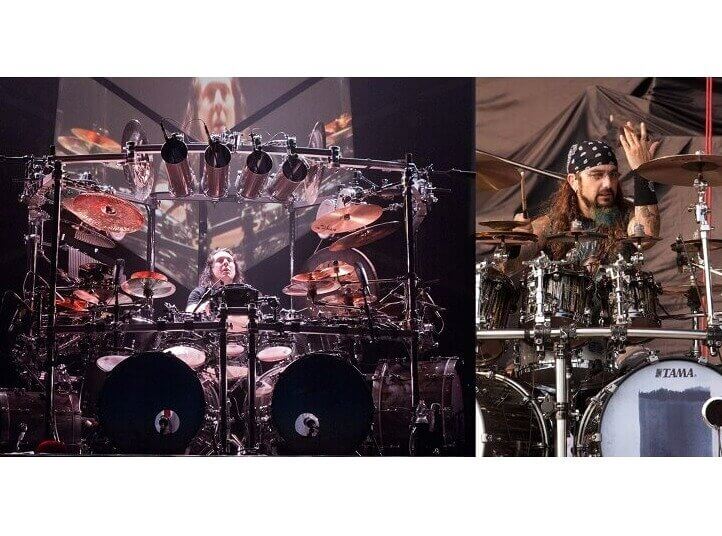
Mangini executed the incredibly complex time signatures with mechanical precision, allowing the band to maintain their rigorous touring schedule without missing a beat. While fans constantly debated the differing stylistic approaches between the two legends, the transition ensured the progressive titans continued producing intricate masterpieces.
Queensryche Swaps Geoff Tate for Todd La Torre Following a Shocking Backstage Physical Altercation That Shatters the Group.
The pioneering progressive rock act suffered one of the most dramatic splits in music history, culminating in a reported physical confrontation between the legendary frontman and his bandmates before a concert in Brazil. Years of simmering creative disputes and questionable management decisions boiled over, resulting in the singer being unceremoniously fired. The surviving instrumentalists quickly recruited Todd La Torre, a dynamic vocalist whose remarkable range perfectly mirrored the classic sound of their revered early albums.
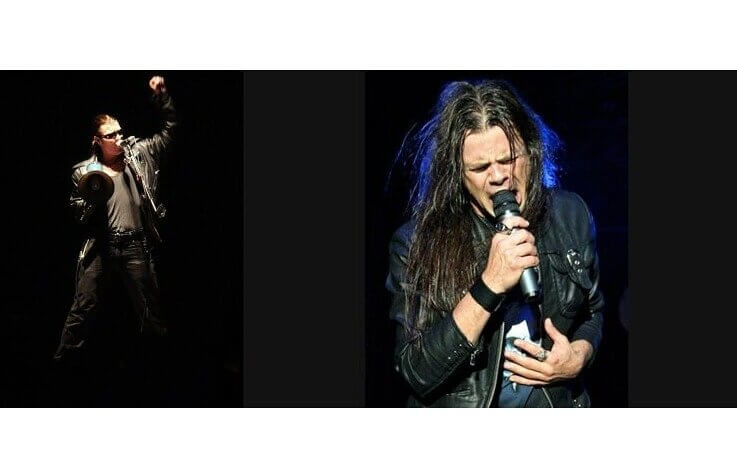
The move sparked a bitter, highly publicized legal battle over the rights to the band's name, leading to two competing versions touring simultaneously. Ultimately, the new lineup prevailed, releasing revitalized material that fans hailed as a glorious return to form, successfully erasing the confusing alternative rock experiments that plagued their final years with the original singer.
Ozzy Osbourne Recruits Jake E. Lee After the Devastating Aviation Accident That Claims the Life of Randy Rhoads.
The heavy metal world was left entirely heartbroken when a senseless joyride in a small aircraft resulted in a fatal crash, killing the incredibly innovative young guitarist who had single-handedly revitalized the legendary singer's solo career. The grieving frontman was legally forced to fulfill pending tour commitments, leading to a hasty and emotionally fraught search for a capable replacement. He eventually discovered Jake E. Lee, a phenomenal player who brought a more aggressive, street-smart edge to the classical-tinged foundational material.

Lee helped compose a spectacular sophomore studio album, proving he was a brilliant architect of memorable riffs in his own right. His dazzling stage presence and technical proficiency provided a crucial bridge during a period of immense mourning, ensuring the solo project remained a dominant force in the booming metal scene.
Ozzy Osbourne Replaces Jake E. Lee With Zakk Wylde Following an Unexpected Dismissal Without Much Public Explanation.
After delivering two highly successful platinum albums and stabilizing the chaotic solo band during a tumultuous era, the talented lead guitarist was surprisingly let go. The exact reasons for his sudden dismissal remain somewhat murky, allegedly involving disagreements over songwriting credits and musical direction. Seeking a fresh, hungry talent, the veteran singer discovered a young New Jersey native named Zakk Wylde through a simple demo tape. Wylde injected a massive, Southern-rock influenced groove and signature pinch harmonics into the legendary catalog.
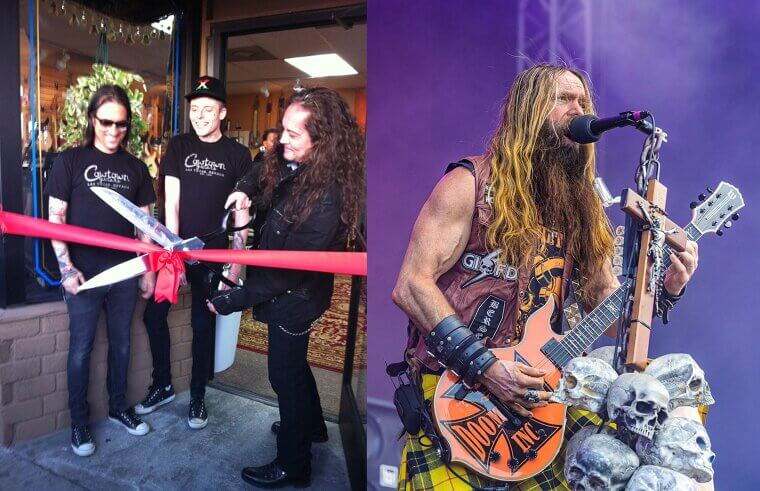
The muscular, aggressive guitar tone perfectly complemented the heavier direction of the late 1980s music scene. This monumental discovery forged an enduring partnership that lasted for decades, with the new axeman becoming a fiercely loyal collaborator and a legendary metal icon in his own right.
Anthrax hires John Bush to replace Joey Belladonna as the band pivots toward a darker grunge era tone.
As the 1990s alternative rock explosion dramatically altered mainstream tastes, the New York thrash pioneers felt immense pressure to adapt their aggressive sound. Believing their soaring, melodic frontman was no longer suited for the gritty realism defining the new decade, they controversially dismissed him. They heavily recruited former Armored Saint vocalist John Bush, whose gravelly, soulful delivery brought a completely different, grounded intensity to their complex riffs. The revamped lineup produced a massive, critically acclaimed debut that showcased a sophisticated, groove-oriented approach to heavy music.
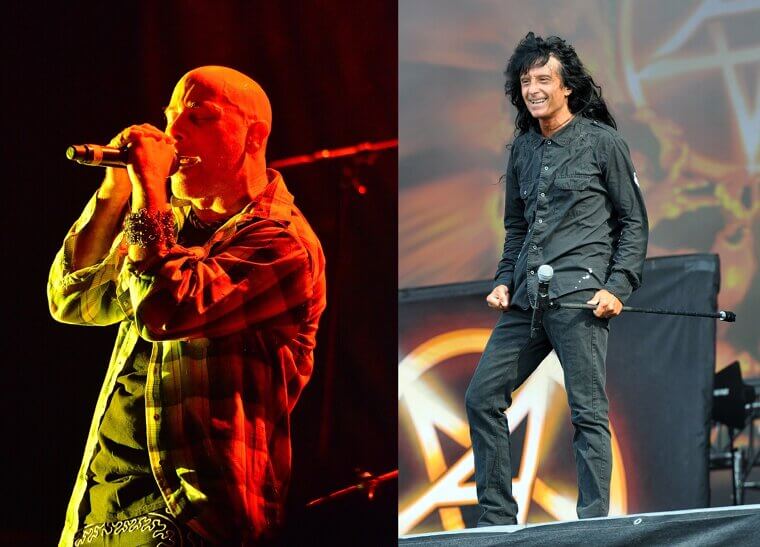
While this stylistic shift alienated a portion of the old-school thrash demographic, it successfully attracted a new generation of listeners looking for substantial, moody anthems. The era produced several powerful records before a nostalgia-driven reunion eventually brought the original voice back into the fold.
Exodus taps Steve Souza to succeed Paul Baloff after inconsistent vocal performances during crucial demo recording sessions.
The legendary Bay Area thrash pioneers were on the verge of securing a major breakthrough when they made a ruthless executive decision regarding their charismatic original singer. Despite his legendary status as a chaotic and beloved live frontman, he reportedly struggled to deliver consistent and on-pitch vocal takes during the creation of important studio demos. Fearing this limitation would hinder their commercial prospects, the management and founders replaced him with Testament vocalist Steve Souza.
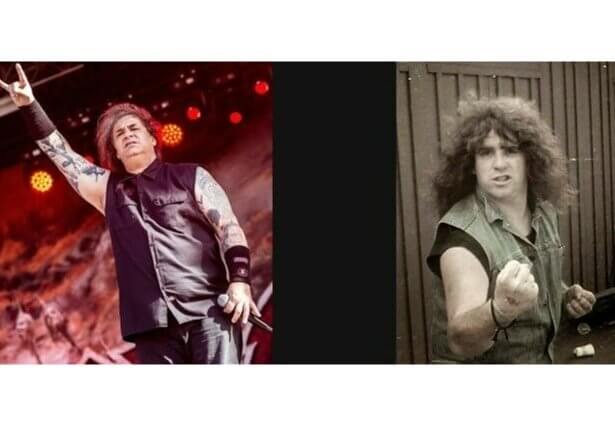
Souza offered a more controlled, distinctive sneer that blended perfectly with the aggressive, razor-sharp guitar rhythms. This lineup change resulted in a string of classic, highly influential albums that defined the genre's golden era. The transition proved necessary for their studio evolution, even though the original singer's manic stage presence remained legendary within the underground scene.
Slayer brings in Paul Bostaph to replace Dave Lombardo when financial transparency disputes fracture the thrash metal titans.
The relentless rhythmic engine behind the most extreme thrash metal band in history surprisingly stalled when their foundational drummer demanded a closer examination of their touring accounting practices. The ensuing dispute over financial transparency allegedly caused an impassable rift between the percussionist and the remaining members, leading to his abrupt departure just before a massive tour. The group hired former Forbidden drummer Paul Bostaph, who possessed the formidable stamina required to execute their incredibly fast material.
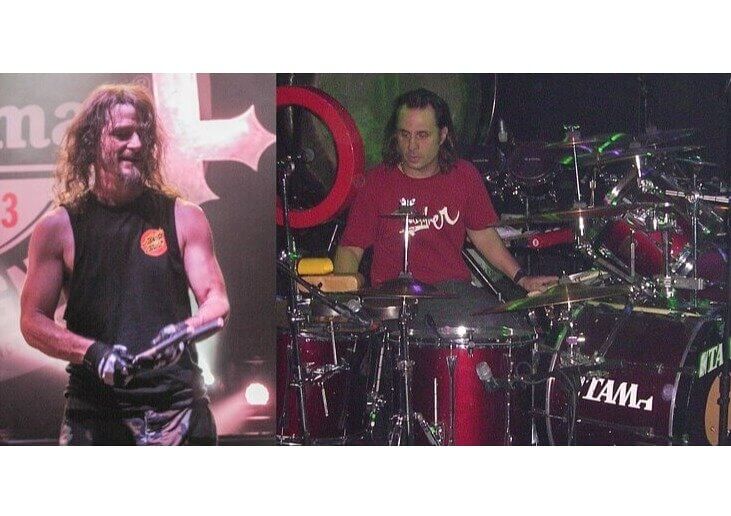
Bostaph brought a slightly more technical and rigid precision to the kit, driving the band through some of their darkest and most experimental studio releases in the late 90s. His flawless execution ensured the live shows retained their terrifying intensity, successfully navigating a difficult transition period when heavy music was facing a massive commercial decline.
Arch Enemy replaces Johan Liiva with Angela Gossow in a bold request for a more dynamic and visual frontman.
The melodic death metal outfit had established a solid underground reputation with their first three albums, but the founding guitarist felt the group lacked a captivating focal point to reach the next level. Believing their original vocalist lacked the necessary stage presence to command larger festival audiences, they made the incredibly bold decision to seek a change. They surprised the entire extreme metal community by hiring German journalist and singer Angela Gossow.

Gossow delivered a ferocious, guttural vocal style that easily rivaled her male contemporaries, paired with a commanding and magnetic stage demeanor. This groundbreaking switch shattered gender barriers within the extreme genre, immediately catapulting the band to international magazine covers and headlining status. Her tenure cemented their legacy as leaders in the modern aggressive music scene.
Arch Enemy taps Alissa White-Gluz to succeed Angela Gossow as the veteran singer steps down to handle band management.
After over a decade of relentless touring and screaming that permanently altered the landscape of extreme metal, the iconic frontwoman decided she had accomplished her goals on stage. Seeking a different lifestyle, she gracefully stepped down from the microphone to focus entirely on managing the group's highly lucrative business affairs. To ensure a seamless transition, she personally handpicked her successor, recommending former The Agonist vocalist Alissa White-Gluz. White-Gluz brought an intense visual flair and a versatile vocal approach, capable of both brutal growls and soaring clean melodies.

The carefully orchestrated changing of the guard went incredibly smoothly, with fans immediately embracing the new energy. The band didn't lose a single step, releasing some of their most commercially successful albums to date while maintaining their aggressive, virtuosic core sound.